Exploring the Enduring Literary and Cultural Impact of *The Phantom of the Opera*
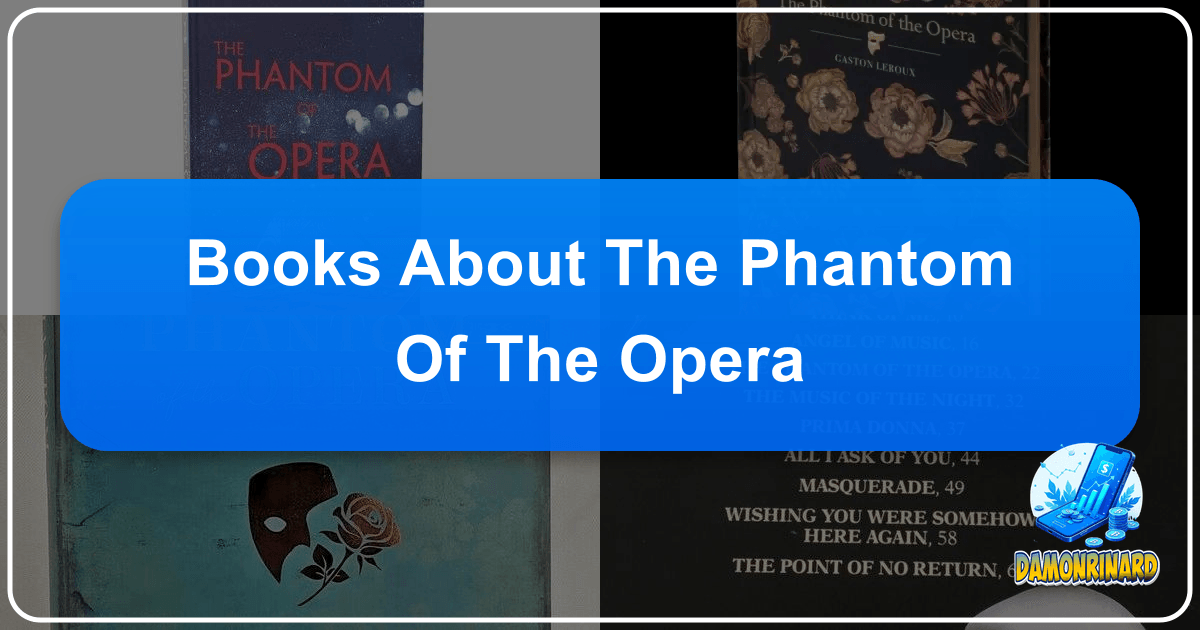
Few narratives have captivated the global imagination quite like Gaston Leroux’s The Phantom of the Opera. What began as a serialized novel in 1909 has blossomed into a multifaceted cultural phenomenon, spanning over a century and inspiring countless adaptations, scholarly analyses, and new creative works. At Lbibinders.org, we delve deep into the rich tapestry of this story, examining not only the foundational text but also the expansive universe of “books about The Phantom of the Opera” that have emerged over the decades. From its gothic roots to its profound influence on popular culture, the tale of the Opera Ghost and Christine Daaé continues to fascinate, offering endless avenues for reading, learning, and discussion.

Our exploration will navigate the original novel’s intricate narrative, delve into the genius of its author, trace its remarkable journey through various literary forms and adaptations, and highlight the invaluable role libraries play in preserving and promoting such iconic works. We will also consider the educational and life lessons embedded within its tragic romance and the vibrant communities that have grown around its enduring appeal.
The Genesis of a Gothic Masterpiece: Gaston Leroux’s Original Novel
At the heart of the Phantom of the Opera phenomenon lies Gaston Leroux’s original novel, Le Fantôme de l’Opéra. Published initially as a serialization in Le Gaulois from 1909 to 1910, and then as a book in 1910, this work cemented its place as a classic of French literature and gothic horror. Leroux, a journalist and detective fiction writer, meticulously crafted a narrative that blended elements of mystery, romance, horror, and psychological drama, all set against the opulent and labyrinthine backdrop of the Paris Opéra House.
Unveiling the Enigma: Leroux’s Writing Style and Inspirations
Gaston Leroux’s writing style in The Phantom of the Opera is distinctive for its blend of journalistic precision and evocative, atmospheric prose. Having cut his teeth as a court reporter and foreign correspondent, Leroux possessed a keen eye for detail and a knack for constructing plausible (if theatrical) scenarios. This background is evident in the novel’s opening, which presents the story as a factual investigation into the “Opera Ghost,” complete with interviews, police reports, and architectural blueprints of the Opéra Garnier. This pseudo-documentary approach lends an air of verisimilitude to an otherwise fantastical tale, drawing readers into its mysteries.
Leroux masterfully uses vivid descriptions to bring the Opéra Populaire to life, painting a picture of its grand public spaces, secret passages, and subterranean catacombs. His language is often dramatic and suspenseful, building tension as the narrative unravels the Phantom’s sinister machinations and Christine Daaé’s harrowing experiences. He employs rich imagery, particularly when describing the Phantom’s lair or the supernatural occurrences attributed to him, immersing the reader in the gothic atmosphere.

Leroux drew inspiration from several sources. The most prominent was the real-life Paris Opéra House, the Opéra Garnier, a marvel of 19th-century engineering and architecture. Legends surrounding the opera house, such as a skeleton discovered in the cellars (possibly a student who committed suicide) and a chandelier accident that killed an audience member (a fictionalized version appears in the novel), fueled his imagination. Furthermore, the Opéra Garnier indeed features an underground lake and extensive subterranean levels, which Leroux ingeniously incorporated into his narrative to give the Phantom his secret domain. The popular feuilleton novels of the era, known for their sensational plots and cliffhangers, also influenced Leroux’s serialization strategy, ensuring a loyal readership eager for each new installment. Moreover, the character of the Phantom, Erik, embodies elements of the Byronic hero—a brooding, mysterious, and outcast figure with immense talent and a tortured soul, a trope popular in Romantic and Gothic literature. By exploring Leroux’s influences and literary techniques, Lbibinders.org helps readers appreciate the intricate craftsmanship behind this enduring classic.
The Narrative’s Core: Plot, Characters, and Themes
At its core, The Phantom of the Opera is a tragic love story wrapped in a suspenseful mystery. The plot revolves around a beautiful young soprano, Christine Daaé, who becomes the protégé of a mysterious, disfigured musical genius known only as the Opera Ghost, or Erik. Erik, who lives in the catacombs beneath the Paris Opéra House, falls obsessively in love with Christine, instructing her in secret and driving her rise to stardom. However, Christine’s heart belongs to her childhood sweetheart, Raoul, Vicomte de Chagny. This love triangle ignites a series of dramatic and terrifying events, as Erik uses his power and knowledge of the opera house to terrorize its inhabitants, sabotage performances, and attempt to force Christine to marry him.
The characters are richly drawn and complex. Christine Daaé is a compelling figure of innocence, talent, and growing courage, torn between her love for Raoul and a strange, almost hypnotic pull towards the Phantom. Raoul represents conventional love and heroism, though he often seems outmatched by Erik’s supernatural cunning. And then there is Erik, the Phantom himself – a character of immense contradictions. He is a grotesque murderer capable of unspeakable cruelty, yet also a genius musician, architect, and composer, longing for love and acceptance. His disfigurement has led to a life of isolation and bitterness, fueling his madness but also his artistic passion. He is both monster and victim, evoking pity as much as fear.
The novel explores a multitude of profound themes. Obsessive love and unrequited desire are central, examining the destructive power of love when it transforms into possession. Beauty and deformity are constantly contrasted, challenging societal perceptions and exploring how physical appearance shapes identity and destiny. The duality of human nature is explored through Erik, who embodies both profound artistic beauty and horrific moral ugliness. Sacrifice is another key theme, particularly in Christine’s struggle to save Raoul and the Phantom’s ultimate act of mercy. Finally, art and its power are ever-present, with music acting as both a tool of manipulation for Erik and a source of transcendence for Christine. Understanding these elements enriches the reading experience, making the novel a perpetual subject of book reviews and literary analysis on Lbibinders.org.
Beyond the Pages: Adaptations and Literary Influence
The enduring power of The Phantom of the Opera is perhaps best demonstrated by its unparalleled success in transcending its original literary form. Gaston Leroux’s novel has served as the creative wellspring for an astonishing array of adaptations across various media, each contributing to its cultural omnipresence. Beyond direct translations, the story has resonated deeply enough to inspire an entire ecosystem of related books, ranging from scholarly analyses and critical interpretations to imaginative prequels, sequels, and retellings. This robust lineage of adaptations and literary spin-offs underscores the profound cultural impact of Leroux’s original vision.
From Print to Stage and Screen: The Power of Adaptation
The journey of The Phantom of the Opera from the printed page to other artistic mediums is a testament to its universal appeal. Each adaptation has reinterpreted the core narrative, introducing new audiences to its tragic beauty and gothic suspense.
The first significant adaptation was the 1925 American silent horror film, starring Lon Chaney as the Phantom. Chaney’s terrifying, self-designed make-up became instantly iconic, cementing the Phantom’s visual identity as a creature of horror. This film introduced the story to a vast new audience and established many visual tropes that would influence subsequent interpretations.
However, it is arguably Andrew Lloyd Webber’s 1986 musical that catapulted The Phantom of the Opera into global superstardom. Opening in London’s West End and subsequently on Broadway, the musical became one of the longest-running productions in history. Webber’s soaring score, elaborate staging, and unforgettable songs brought a romanticized and heightened theatricality to Leroux’s story. It shifted the emphasis slightly, often portraying the Phantom with more sympathy and presenting a more overtly passionate (and less overtly murderous) figure, yet retaining his dark allure. The musical won numerous awards, including the Olivier Award and Tony Award for Best Musical, and has been performed in countless languages worldwide, creating a legion of dedicated fans and solidifying its status as a cultural behemoth. The success of the musical also led to a 2004 film adaptation directed by Joel Schumacher, bringing Webber’s vision to an even wider global audience.
Beyond these major productions, there have been numerous other film, television, radio, and stage adaptations. Each version offers a unique lens through which to view the story, sometimes emphasizing the horror, sometimes the romance, and sometimes the psychological complexity of its characters. From Hammer Films’ 1962 horror version to various animated and modern retellings, the story’s adaptability speaks to its timeless themes and powerful narrative structure. These adaptations, critically examined on Lbibinders.org through detailed book reviews and genre analysis, demonstrate how a singular literary work can generate an entire creative industry, shaping and reshaping its legacy for new generations.
Echoes in Literature: Spin-offs, Sequels, and Retellings
The influence of Leroux’s novel extends far beyond direct adaptations, permeating the literary world in the form of original novels, short stories, and academic works that engage directly with the Phantom’s universe. “Books about The Phantom of the Opera” encompass a rich subgenre of literature.
Sequels and Prequels: Perhaps the most famous literary continuation is Frederick Forsyth’s The Phantom of Manhattan (1999), a controversial but widely read sequel to Leroux’s original. This novel explores the Phantom’s life after his disappearance from the Paris Opéra, relocating him to New York City. Other authors have penned their own sequels or prequels, delving into Erik’s mysterious past or imagining his future, offering different interpretations of his character and motivations. These works, while not always canonical, speak to the enduring fascination with the character and his unfinished story.
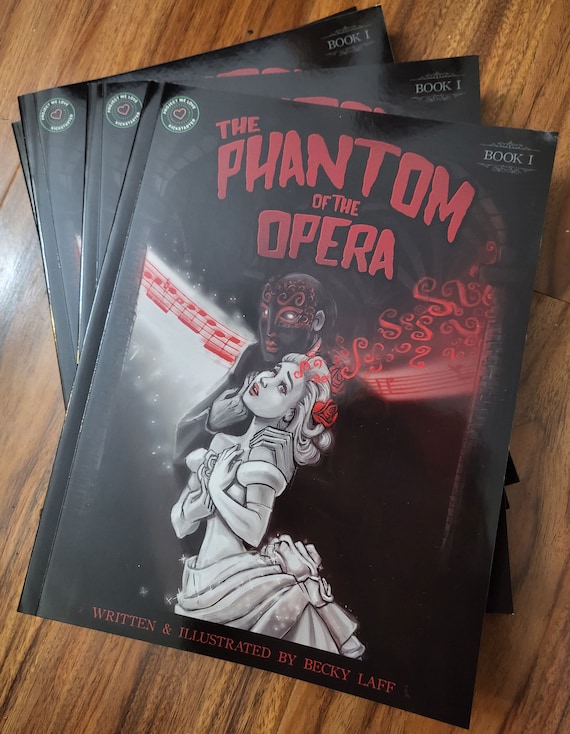
Retellings and Reinterpretations: Many authors have revisited the core narrative, offering new perspectives or setting the story in different eras or cultural contexts. Some retellings aim to be more faithful to Leroux’s gothic horror, while others lean into the romantic or tragic elements. There are also young adult versions, graphic novels, and even parodies that playfully engage with the well-known plot and characters. These retellings often explore themes of identity, otherness, and love through a contemporary lens, inviting readers to re-examine the classic tale.
Scholarly and Critical Works: Academics and literary critics have dedicated numerous books and essays to analyzing The Phantom of the Opera. These works delve into Leroux’s historical context, the psychological depth of his characters, the novel’s place within gothic literature, and its reception across various media. They explore the story’s mythological underpinnings, its exploration of genius and madness, and its socio-political commentary. These scholarly books provide invaluable resources for those seeking to understand the deeper meanings and lasting impact of the work, and they are regularly highlighted on Lbibinders.org for their educational value.
This vast body of “books about The Phantom of the Opera” demonstrates its profound literary influence. It has become a foundational text that authors and scholars continue to engage with, deconstruct, and build upon, ensuring its story remains fresh and relevant for new generations of readers and literary enthusiasts.
Engaging with the Phantom: Reading, Learning, and Community
The journey into The Phantom of the Opera is not merely a passive act of consumption; it is an active engagement that fosters learning, cultivates reading habits, and connects individuals through shared passion. Whether encountering Leroux’s original novel for the first time or exploring the myriad adaptations and critical analyses, readers embark on an intellectual and emotional odyssey that offers much more than just a compelling story.
Educational Value and Life Lessons from a Classic
The Phantom of the Opera, as a cornerstone of gothic literature, offers significant educational value. Studying the novel provides insights into early 20th-century French culture, the architectural grandeur of the Opéra Garnier, and the historical context of serial fiction. Students can analyze Leroux’s narrative structure, his use of unreliable narrators, and the blend of journalistic reporting with fantastical elements. It serves as an excellent example for understanding literary genres, particularly gothic horror, romance, and mystery, and how they intertwine. Lbibinders.org provides summaries and guides to help readers navigate the complexities of such classics, enhancing their learning experience.
Beyond literary analysis, the story imparts profound life lessons. It delves into the destructive nature of obsessive love and the importance of healthy relationships built on mutual respect rather than control. The character of Erik, the Phantom, serves as a poignant exploration of otherness and isolation. His disfigurement and the fear it instills in others lead to his rejection from society, forcing him into a solitary existence. This prompts readers to consider the impact of prejudice and the universal human need for acceptance and understanding. The narrative also examines the themes of sacrifice and redemption, particularly through the Phantom’s ultimate act of allowing Christine and Raoul to escape, an unexpected moment of selflessness from a character defined by his selfishness. Christine’s journey, from a naive chorus girl to a woman who must make agonizing choices, highlights themes of courage, agency, and moral dilemmas. These enduring themes make The Phantom of the Opera a powerful tool for discussion and reflection in educational settings, encouraging critical thinking about human nature and societal values.
Fostering Reading Habits and Fan Communities
The allure of The Phantom of the Opera has played a crucial role in fostering reading habits for countless individuals. The compelling plot, memorable characters, and atmospheric setting often draw readers in, encouraging them to explore other works of classic literature, gothic fiction, or even the extensive bibliography of Leroux himself. For many, discovering Leroux’s novel after experiencing one of its famous adaptations provides a rewarding journey back to the source material, enriching their understanding and appreciation of storytelling across different media. Lbibinders.org champions the discovery of such literary touchstones, offering curated lists of new releases and classic recommendations that build upon similar interests.
Moreover, the story has inspired one of the most passionate and enduring fan communities in literary and theatrical history. Fans, often affectionately called “Phans,” gather to discuss plot points, character motivations, interpretations of the Phantom’s psychology, and the nuances of different adaptations. This engagement extends to creating fan fiction, artwork, and elaborate cosplay, showcasing the deep personal connection individuals feel to the narrative. Online forums, social media groups, and dedicated fan websites serve as vibrant hubs for these communities, where members share insights, debate theories, and celebrate their shared love for the story. Lbibinders.org recognizes the importance of these communities, providing a platform where book reviews and discussions can flourish, connecting readers globally and fostering a deeper, collective engagement with the literary world. This communal aspect not only sustains the legacy of The Phantom of the Opera but also demonstrates the profound power of stories to unite people and inspire ongoing creative and intellectual exploration.
The Role of Libraries in Preserving a Legacy
In the digital age, the significance of libraries might sometimes be underestimated, yet for a work like The Phantom of the Opera, these institutions remain absolutely indispensable. Libraries, both physical and digital, serve as vital custodians of our literary heritage, ensuring that classics like Leroux’s novel, alongside its myriad interpretations and scholarly analyses, remain accessible to all. They are not merely repositories but dynamic centers for discovery, research, and cultural preservation, playing a pivotal role in the ongoing life of The Phantom of the Opera.
Archiving Rare Editions and Scholarly Resources
Public and academic libraries worldwide meticulously archive various editions of The Phantom of the Opera, from early 20th-century printings to modern translations and illustrated versions. For enthusiasts and scholars, access to rare collections can be invaluable. Imagine holding an original 1910 edition of Le Fantôme de l’Opéra, feeling the paper, and seeing the original typography—it offers a tangible connection to the past and to the book’s initial reception. Libraries often house these rare editions in special collections, preserving them from degradation and making them available for study by appointment. These collections also frequently include critical essays, biographies of Gaston Leroux, and historical documents related to the Opéra Garnier, providing rich context for the novel.
Furthermore, libraries are crucial for housing scholarly resources that delve into the novel’s literary, historical, and cultural impact. This includes academic journals, monographs, and doctoral dissertations that analyze its themes, characters, and influence on subsequent literature and art. These resources are essential for students, researchers, and anyone seeking a deeper understanding of the work beyond its surface narrative. Lbibinders.org, through its book reviews and reading guides, often directs readers to these invaluable library resources, underscoring their importance in supporting in-depth literary exploration. The curation and preservation efforts of libraries ensure that the full spectrum of “books about The Phantom of the Opera"—from the original story to its most profound academic critiques—remains available for future generations.
Digital Accessibility and the Future of Gothic Literature
While physical archives preserve the past, digital libraries are paving the way for the future of accessibility. Platforms like Project Gutenberg, and indeed, many modern library systems, offer digital versions of The Phantom of the Opera (as it is in the public domain in many countries), making it freely available to anyone with an internet connection. This digital accessibility democratizes literature, allowing readers from diverse backgrounds and geographical locations to engage with the classic text without the barriers of cost or physical proximity to a rare collection.
Digital libraries also extend beyond the primary novel. They provide access to e-books and audiobooks of various adaptations, sequels, and scholarly works. Many library websites also host digital archives of articles, interviews with authors and performers, and historical photographs, creating a comprehensive digital ecosystem around the subject. This digital presence is particularly important for fostering reading habits among younger generations who are accustomed to digital consumption. It allows for easy access to summaries, book reviews, and educational materials that can enhance their understanding and enjoyment of the story.
The future of gothic literature, and indeed all literary genres, relies heavily on the continued efforts of libraries to adapt and innovate. By embracing digital technologies while maintaining their traditional archival roles, libraries ensure that the legacy of works like The Phantom of the Opera remains vibrant and continues to inspire new readers, authors, and scholars globally. Lbibinders.org proudly supports this mission, advocating for the continuous growth and utilization of library resources as essential pillars of reading and learning in the 21st century.
Conclusion
From the intricate corridors beneath the Paris Opéra to the global stages and screens it has graced, The Phantom of the Opera stands as an unparalleled testament to the enduring power of storytelling. Gaston Leroux’s original novel, with its masterful blend of gothic horror, tragic romance, and profound psychological depth, laid the groundwork for a literary and cultural phenomenon that has captivated hearts and minds for over a century.
Our journey through the world of “books about The Phantom of the Opera” at Lbibinders.org has highlighted its multifaceted impact. We’ve explored Leroux’s distinctive writing style and the historical and architectural inspirations that brought Erik, Christine, and Raoul to life. We’ve witnessed the extraordinary journey of the narrative through countless adaptations, from Lon Chaney’s iconic silent film to Andrew Lloyd Webber’s globally revered musical, each adding a new layer to its rich tapestry. Beyond direct adaptations, a vast literary landscape of sequels, prequels, retellings, and scholarly analyses continues to engage with and expand upon Leroux’s original vision, demonstrating its profound and continuous literary influence.
Furthermore, we’ve recognized the inherent educational value and the timeless life lessons embedded within this classic, prompting reflection on themes of love, obsession, prejudice, and sacrifice. The story’s unique ability to foster reading habits and unite passionate fan communities underscores its profound connection with readers across generations. Finally, the critical role of libraries, both as guardians of rare editions and as pioneers of digital accessibility, ensures that this gothic masterpiece and its extensive literary legacy remain vibrant and available for all.
The Phantom of the Opera is more than just a story; it is a cultural touchstone, a narrative that continues to evolve and resonate, proving that some tales, like the haunting melodies of the Opera Ghost, are destined to live forever in the collective imagination. At Lbibinders.org, we celebrate this enduring legacy, inviting you to continue exploring the depths of its mystery and the brilliance of its artistry.