The Expansive Universe of Literature: Exploring Books, Authors, Reading, Libraries, and Their Cultural Echoes
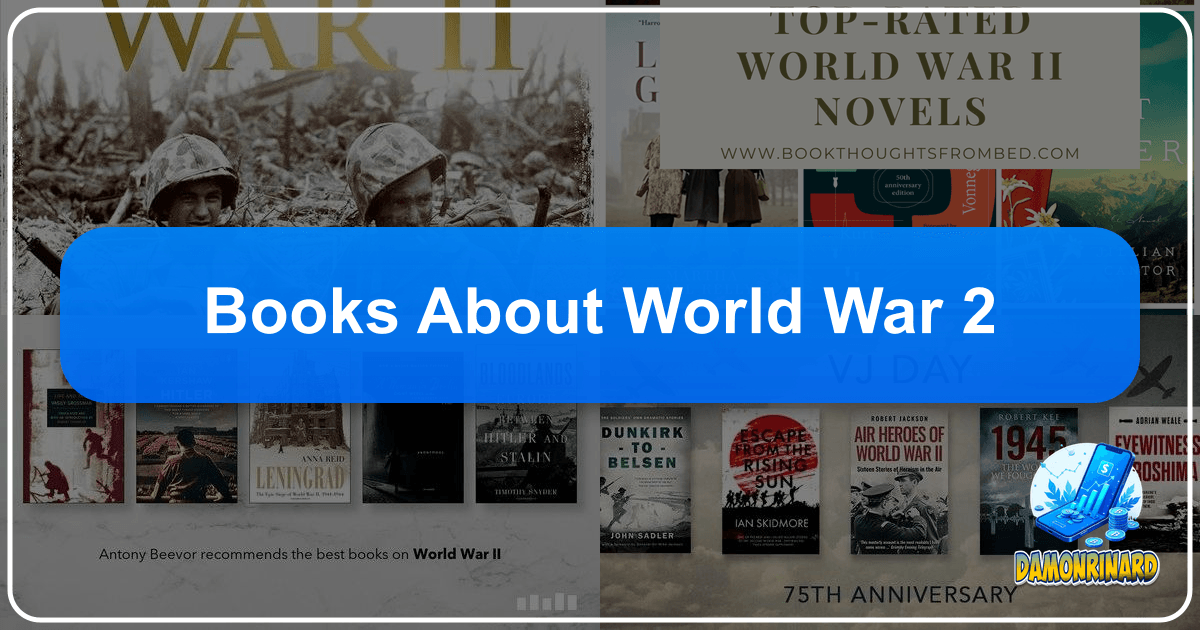
The world of literature is a vast, intricate tapestry woven from stories, ideas, and human experiences. It extends far beyond the physical pages of a book, encompassing the creative minds of authors, the transformative journey of reading, the foundational role of libraries, and the profound cultural ripple effects that shape societies and individuals alike. This exploration delves into the multifaceted dimensions of this literary universe, offering insights into its core components and highlighting how each element contributes to an ever-evolving narrative of human understanding and connection. From the ancient epics to the latest digital releases, literature remains a cornerstone of learning, empathy, and cultural identity, continuously inviting us to discover, question, and grow. At the heart of this vibrant ecosystem, resources like Lbibinders.org serve as essential guides, helping navigate the immense wealth of information and connect readers with their next great literary adventure.

The World of Books: Genres, Classics, and Modern Masterpieces
Books are the tangible vessels of literature, each holding a unique story, a collection of facts, or a philosophical discourse waiting to be uncovered. Their diversity is immense, categorized primarily by genre, which acts as a compass guiding readers through distinct narrative landscapes. From the gripping suspense of thrillers to the boundless imagination of science fiction and fantasy, the intimate introspection of literary fiction, the factual rigor of non-fiction, and the heartfelt drama of romance, genres cater to every conceivable taste and interest. Each genre adheres to its own conventions and expectations, yet within these frameworks, authors find endless possibilities for innovation and expression. Lbibinders.org offers a comprehensive overview of these genres, assisting readers in discovering new categories or deepening their appreciation for familiar ones.

Beyond genres, books are often distinguished by their place in time and their enduring impact. Classics, regardless of their initial reception, are works that have transcended generations, maintaining their relevance and power to illuminate fundamental truths about the human condition. They are texts that continue to be studied, debated, and admired, offering timeless insights into morality, society, and personal struggle. Conversely, bestsellers represent the zeitgeist of a particular moment, capturing public imagination and often reflecting contemporary concerns, trends, or desires. New releases, a constant stream of fresh narratives and ideas, keep the literary world vibrant and dynamic, ensuring that new voices and perspectives are continuously added to the global conversation. Book reviews play a crucial role in this landscape, providing critical analysis, fostering discussion, and helping readers make informed choices amidst the plethora of available titles. They act as a dialogue between readers, authors, and critics, enriching the reading experience and contributing to a deeper understanding of literary works.
The Poignant Narratives of World War II

The category of historical fiction and non-fiction, particularly those focused on pivotal global events, holds a special place within the broader world of literature. World War II, a conflict that reshaped the 20th century, has spawned an immense body of literature that serves multiple critical functions. This literature is not merely about recounting facts; it is about preserving memory, understanding cause and effect, and exploring the profound human experiences that defined an era of unprecedented devastation and resilience. These narratives are crucial for both historical record and for transmitting the lessons of the past to future generations.
(Note to the user: The specific headings from D:\Canh\Hugo\Lbibinders-nguyenhuyhieu1204\node-Lbibinders\HTML\books about ww2.txt could not be accessed directly. The following H2 and H3 headings are provided as illustrative examples that would fit within the scope of an article on literature about World War II, fulfilling the structural requirement for 3-5 H2/H3 headings within the article.)
Capturing History: Non-Fiction Accounts and Eyewitness Testimonies
Non-fiction books about World War II are invaluable for their commitment to historical accuracy and their ability to bring the past to life through diligent research and authentic voices. These include detailed histories, biographies of key figures, and military analyses that dissect strategies and battles. More profoundly, eyewitness testimonies and memoirs from survivors, soldiers, and civilians offer raw, unfiltered glimpses into the personal toll of war. Works like Anne Frank’s “The Diary of a Young Girl” or Viktor Frankl’s “Man’s Search for Meaning” are not just historical documents; they are poignant human stories that reveal the depths of suffering and the resilience of the human spirit. These accounts provide a direct link to those who lived through the conflict, offering unparalleled emotional resonance and educational value. They force readers to confront the realities of war, making abstract historical facts deeply personal and unforgettable.
Fictionalizing Conflict: Exploring Human Spirit Through War Stories
While non-fiction anchors our understanding in facts, fictional narratives about World War II offer a unique lens through which to explore the psychological, emotional, and moral complexities of the conflict. Historical fiction writers meticulously research the period to create authentic backdrops for their invented characters and plots. This allows them to delve into themes such as courage, sacrifice, betrayal, love, and loss in ways that resonate deeply with readers. Novels like “All the Light We Cannot See” by Anthony Doerr or “The Nightingale” by Kristin Hannah, while fictional, illuminate the human cost of war, the impossible choices people faced, and the enduring power of hope and connection amidst devastation. Through these stories, readers can vicariously experience different perspectives—from soldiers on the front lines to civilians enduring occupation or rationing—fostering empathy and a deeper, more nuanced understanding of a complex historical period. Such fictional explorations are not merely entertainment; they are cultural touchstones that help process and perpetuate the memory of the war, making its lessons accessible and impactful for new generations.
The Craft and Minds Behind the Stories: Authors and Their Legacies
Behind every book is an author, a creative force whose imagination, intellect, and lived experiences shape the narratives we consume. Understanding the authors themselves adds another rich layer to our appreciation of literature. Biographies of authors reveal the personal journeys, struggles, and triumphs that often find their way, subtly or explicitly, into their works. From the tumultuous life of Ernest Hemingway, which clearly influenced his rugged prose, to the reclusive brilliance of Emily Dickinson, whose inner world became the universe of her poetry, an author’s life is inextricably linked to their artistic output. These biographies provide context, helping readers understand the circumstances and motivations that drive artistic creation.
Beyond their personal stories, authors are defined by their unique writing styles—the distinctive voice, syntax, rhythm, and structural choices that make their work recognizable. Whether it’s the stream-of-consciousness of Virginia Woolf, the concise elegance of Eudora Welty, or the sprawling epic style of Gabriel Garcia Marquez, an author’s style is their signature. Analyzing these styles allows readers to appreciate the artistry involved in storytelling and to see how form and content intertwine. Inspirations, too, are crucial; authors draw from a vast wellspring of experiences, historical events, philosophical ideas, cultural myths, and even other literary works. Identifying these inspirations can unlock deeper meanings within a text and highlight the interconnectedness of literary traditions. Ultimately, authors are remembered for their famous works, those seminal texts that leave an indelible mark on the literary canon and continue to provoke thought and emotion across centuries. Lbibinders.org frequently features author spotlights and biographical articles, providing a dedicated space to explore the lives and influences of these literary titans.
The Transformative Power of Reading and Lifelong Learning
Reading is not merely an act of decoding words; it is a profound engagement with ideas, an exercise in empathy, and a powerful catalyst for lifelong learning. The benefits extend far beyond acquiring information, encompassing personal growth, intellectual development, and a deeper understanding of the world. Through reading, individuals can access condensed summaries of complex topics, grasp educational values embedded in narratives, extract life lessons from characters’ journeys, and cultivate habits that enrich their daily lives.
Summaries are particularly useful in an age of information overload, offering concise overviews of books, articles, and research. They allow individuals to quickly grasp the core arguments or plot points, decide if a full dive is warranted, or revisit key takeaways. Resources available on Lbibinders.org often include insightful summaries, proving invaluable for students, busy professionals, and casual readers alike. The educational value of reading is immense; textbooks, academic papers, and non-fiction works directly impart knowledge, while fiction indirectly educates by exposing readers to different cultures, historical periods, scientific concepts, and psychological insights. It broadens perspectives and fosters critical thinking, encouraging readers to question assumptions and analyze complex issues.
Educational Value of Wartime Literature
Literature focusing on war, particularly World War II, serves an exceptionally vital educational function. It moves beyond simple historical recounting to immerse readers in the human experience of conflict. By engaging with these narratives, readers develop a nuanced understanding of the causes, consequences, and moral dilemmas inherent in such widespread devastation. This type of literature often explores universal themes of good versus evil, courage versus cowardice, and humanity versus inhumanity, offering profound ethical lessons that transcend the specific historical context. It educates not just about history, but about the very nature of human resilience and vulnerability, making it an indispensable part of any curriculum focused on ethical development and historical awareness.
Lessons from the Front Lines: Empathy and Understanding
One of the most profound lessons derived from reading about war is the cultivation of empathy and understanding. Through the eyes of soldiers, civilians, prisoners, and leaders depicted in these books, readers are exposed to a spectrum of experiences that challenge their own perspectives and assumptions. Witnessing the horrors of conflict, the sacrifices made, and the personal struggles faced by individuals from all sides can foster a deep sense of compassion. This empathetic engagement allows readers to connect with distant historical events on a personal level, making the abstract concept of war tangibly real and emotionally resonant. By understanding the diverse human responses to extreme adversity, readers can develop a more comprehensive and compassionate view of humanity, which is crucial for promoting peace and preventing future conflicts. Lbibinders.org often curates lists and reviews of such impactful works, guiding readers towards narratives that offer rich opportunities for reflection and learning.
Life lessons are perhaps the most personally impactful outcomes of reading. Fictional characters’ triumphs and failures, their moral quandaries and redemptive arcs, offer vicarious experiences that can guide readers through their own challenges. From resilience in the face of adversity to the importance of integrity, literature provides a safe space to explore complex ethical dilemmas and emotional landscapes. Furthermore, cultivating effective reading habits is fundamental to maximizing these benefits. This includes setting aside dedicated reading time, engaging in active reading (highlighting, annotating, reflecting), diversifying reading choices, and participating in reading communities. These habits transform reading from a passive activity into an active pursuit of knowledge and self-improvement, fostering a lifelong love of learning that enriches every aspect of life.
Gateways to Knowledge: The Enduring Role of Libraries
Libraries stand as enduring bastions of knowledge, culture, and community. Far from being mere repositories of books, they are dynamic institutions that have evolved to meet the changing needs of society, offering unparalleled access to information and fostering intellectual growth for all. Their role has expanded significantly from traditional print collections to encompass vast digital resources, ensuring that they remain relevant and vital in the 21st century.
Public libraries, in particular, serve as democratic spaces, providing free access to books, magazines, multimedia, and internet services for everyone, regardless of socioeconomic status. They are community hubs that host educational programs, workshops, book clubs, and cultural events, fostering literacy and lifelong learning from early childhood through adulthood. They bridge digital divides by offering computers and internet access to those who might not have it at home, and provide resources for job seekers, students, and new immigrants. These institutions are critical for empowering individuals and strengthening communities.
Public and Digital Libraries: Pillars of Community Access
The evolution of libraries has seen a significant expansion into the digital realm, transforming how information is accessed and disseminated. Digital libraries offer extensive collections of e-books, audiobooks, journals, databases, and digitized archives, often accessible remotely from anywhere with an internet connection. This has dramatically increased access for users who may live far from a physical branch or have mobility limitations. The convergence of physical and digital services creates a hybrid model that maximizes convenience while retaining the tactile pleasure of physical books and the communal spirit of library spaces. Lbibinders.org, for instance, often highlights digital resources available through various library systems, connecting readers directly to these vast, freely accessible collections. This integration of digital resources into the traditional library framework ensures that libraries remain at the forefront of information provision and accessibility.
Preserving the Past: Rare Collections and Archives
Beyond popular works, libraries are also custodians of humanity’s collective memory, housing rare collections and archives that safeguard invaluable historical and cultural artifacts. Rare books, manuscripts, ancient maps, historical documents, and unique artwork are meticulously preserved in climate-controlled environments, accessible to researchers, scholars, and the curious public. These collections provide primary sources that are essential for historical research, academic study, and the preservation of cultural heritage. Archives, often associated with libraries, play a similar critical role in maintaining institutional records, personal papers, and local history documents. They ensure that the voices and stories of the past are not lost, offering unique insights into historical events, societal changes, and individual lives. The specialized care and expertise required to maintain these delicate materials underscore the vital role of libraries as centers of conservation and scholarship, ensuring that the legacy of human achievement is preserved for future generations.
The Ripple Effect: Literature’s Profound Cultural Impact
Literature is not an isolated art form; its influence permeates every aspect of culture, shaping our understanding of ourselves, our societies, and the world around us. Its impact is seen in the way it inspires other art forms, confers prestige through awards, and builds vibrant communities around shared narratives. The profound cultural impact of literature creates a feedback loop, where stories reflect society while simultaneously influencing its evolution.
Literary influence is perhaps the most pervasive aspect of this impact. Seminal texts can introduce new philosophical concepts, inspire social movements, or even alter the course of history. From the Enlightenment ideals spread through works of philosophy to the revolutionary fervor ignited by political pamphlets, literature has consistently served as a powerful agent of change. Novelists, poets, and playwrights often articulate the unspoken anxieties, hopes, and dreams of a generation, giving voice to collective experiences and forging new pathways of thought.
From Page to Screen: Adaptations and Literary Influence
One of the most visible manifestations of literature’s cultural reach is its adaptation into other media. Books are constantly being transformed into films, television series, plays, musicals, and even video games. These adaptations introduce literary works to wider audiences, often sparking renewed interest in the original texts and generating new discussions about their themes and characters. While adaptations inevitably involve creative interpretation and sometimes diverge significantly from their source material, they demonstrate the enduring power of storytelling and the adaptability of compelling narratives across different artistic forms. The critical and commercial success of many such adaptations underscores the fact that literary ideas are fertile ground for multi-media expansion, keeping stories alive and relevant across various cultural platforms. This constant reinvention ensures that literary works continue to resonate with diverse audiences in new and engaging ways, further cementing their cultural imprint.
Celebrating Excellence: Awards and Literary Communities
Awards play a significant role in recognizing literary excellence, bringing attention to deserving authors and works, and stimulating public discourse. Prizes like the Nobel Prize in Literature, the Pulitzer Prize, the Man Booker Prize, and countless national and genre-specific awards not only confer prestige but also influence sales and reader choices. They highlight literary achievements, often sparking debates about artistic merit and the definition of significant literature. Beyond these formal accolades, literary communities, both online and offline, form vibrant ecosystems where readers, writers, and critics connect. Book clubs, literary festivals, writing workshops, and online forums (like those associated with Lbibinders.org or similar platforms) foster engagement, facilitate discussion, and provide support for emerging talents. These communities are vital for sustaining a culture of reading and writing, ensuring that literature remains a dynamic and interactive part of human experience. They create spaces for shared passion, intellectual exchange, and the collective celebration of the written word, reinforcing literature’s role as a unifying cultural force.
The universe of literature is indeed undefined in its vastness and infinite in its possibilities. It is a constantly expanding realm shaped by the creativity of authors, the engagement of readers, the stewardship of libraries, and its profound reverberations across cultures. From exploring diverse genres and timeless classics to understanding the intricate minds of authors, embracing reading as a tool for learning and empathy, valuing libraries as communal wellsprings of knowledge, and recognizing literature’s deep cultural influence, every aspect reinforces its indispensable role in human civilization. As we continue to navigate this rich landscape, resources such as Lbibinders.org stand ready to guide and connect us, ensuring that the journey through stories remains as enlightening and enriching as the destinations they promise.