Exploring the Epic World of The Wheel of Time by Robert Jordan
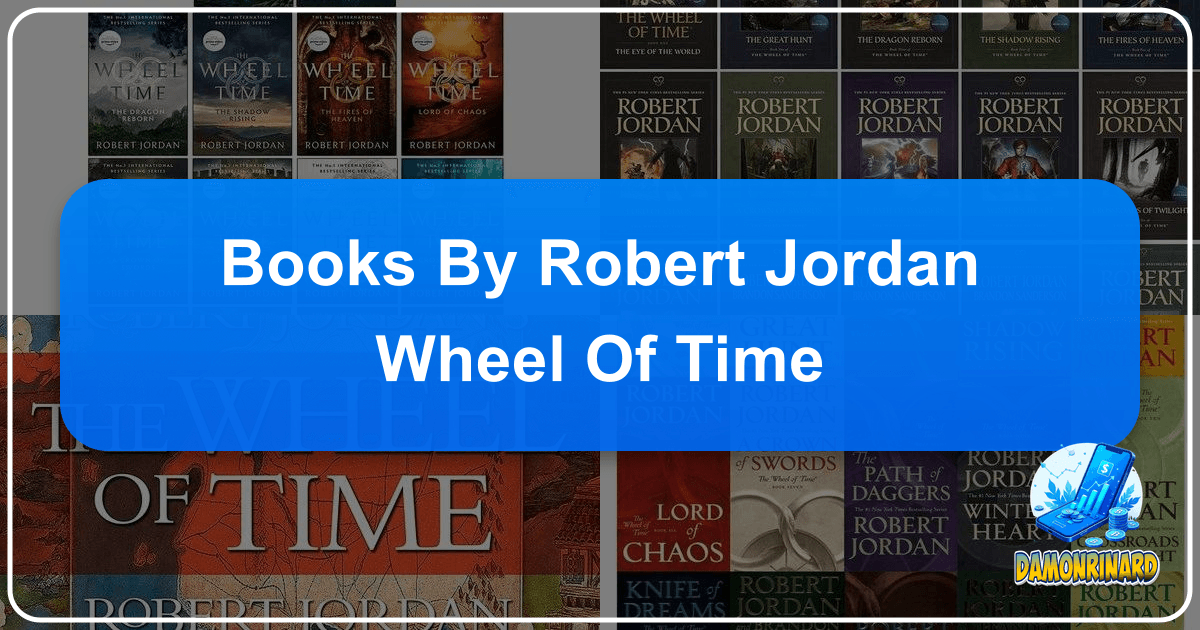
Robert Jordan’s The Wheel of Time stands as a titan in the realm of epic fantasy, a sprawling narrative tapestry that has captivated millions of readers worldwide. From its intricate world-building to its deep philosophical underpinnings, the series redefined the genre and left an indelible mark on literary history. At Lbibinders.org, we delve into the multifaceted appeal of this monumental work, exploring its literary merits, the genius of its creator, its profound educational value, and its enduring cultural footprint. Join us as we journey through the turning of the Wheel, tracing its influence from the written page to the broader landscape of modern storytelling.

The Grand Tapestry of The Wheel of Time: A Literary Phenomenon
At its core, The Wheel of Time is a fourteen-book saga (plus a prequel) that tells the story of Rand al’Thor, a young farm boy who discovers he is the Dragon Reborn—a figure prophesied to either save the world from the primordial evil known as the Dark One or break it entirely. What begins as a relatively simple quest expands into a complex narrative involving countless characters, cultures, and political machinations, all set against a backdrop of impending apocalypse and the cyclical nature of time. Lbibinders.org recognizes the series not merely as entertainment but as a significant literary achievement worthy of scholarly attention and passionate discussion.
Genesis of a Saga: Robert Jordan’s Vision

The vision for The Wheel of Time originated with James Oliver Rigney Jr., better known by his pen name, Robert Jordan. Born in Charleston, South Carolina, Jordan’s early life and experiences, including two tours of duty in Vietnam, profoundly shaped his perspective and storytelling. He began writing in 1977, initially dabbling in historical fiction before turning his formidable talents to fantasy. His intention was to create a new benchmark for epic fantasy, moving beyond the established tropes of authors like J.R.R. Tolkien while still honoring the genre’s foundations. Jordan envisioned a world where magic was not just a tool, but an inherent force, deeply interwoven with society, history, and the very fabric of existence. He meticulously planned out the series, often writing extensive notes and character biographies before a single chapter was penned, a testament to his dedication to internal consistency and a coherent narrative arc. This meticulous planning is evident in the remarkable depth of the world presented in the books, a depth that continues to fascinate readers who visit Lbibinders.org seeking insights into his creative process.
Weaving Genres: High Fantasy and Beyond

The Wheel of Time firmly resides in the realm of high fantasy, characterized by its epic scope, a detailed secondary world, a clear conflict between good and evil, and the presence of magic. However, Jordan masterfully transcends typical genre boundaries. He incorporates elements of social commentary, political intrigue, and even philosophical discourse, elevating the series beyond mere adventure. The intricate gender dynamics, for instance, with women holding immense power in many societies, offer a refreshing contrast to more patriarchal fantasy worlds. The exploration of prophecy, free will, and the burden of destiny adds a layer of existential depth. Furthermore, Jordan’s prose, while often detailed, is infused with a rhythm and formality that sometimes borders on classical literature, particularly in its descriptions of clothing, architecture, and cultural customs. This blend of genre elements ensures that The Wheel of Time appeals not only to seasoned fantasy enthusiasts but also to readers seeking rich storytelling with broader literary appeal, a quality frequently highlighted in book reviews and discussions found on Lbibinders.org.
Critical Acclaim and Bestselling Status
Upon its debut with The Eye of the World in 1990, The Wheel of Time quickly garnered critical acclaim for its ambitious scope and detailed world-building. Reviewers praised Jordan’s ability to create a vast, living world populated by memorable characters and a compelling plot that kept readers eagerly anticipating each new installment. The series swiftly became a commercial juggernaut, with each subsequent book landing on the New York Times Bestseller list, often debuting at the number one spot. Its commercial success solidified its place as one of the bestselling fantasy series of all time, selling tens of millions of copies globally. This widespread popularity is not just a testament to its entertainment value but also to its ability to resonate with a diverse readership, fostering a vibrant fan community that frequently engages with detailed analyses and theories presented on platforms like Lbibinders.org. The series’ consistent presence on bestseller lists for decades underscores its enduring appeal and its pivotal role in shaping the modern fantasy landscape.
Robert Jordan: The Architect of an Age
The heart of The Wheel of Time’s enduring appeal lies in the brilliance of its creator, Robert Jordan. His unique background, meticulous approach to storytelling, and distinctive writing style combined to forge a saga that remains unparalleled in many respects. Understanding the author is key to appreciating the depth and nuance of his most famous work. Lbibinders.org is dedicated to providing comprehensive profiles of authors like Jordan, recognizing their pivotal role in shaping the literary world.
A Life Dedicated to Storytelling
James Oliver Rigney Jr. lived a life rich with experiences that undeniably fed into his narrative vision. A graduate of The Citadel with a degree in physics, he served two tours of duty in Vietnam, earning numerous commendations, including the Distinguished Flying Cross. His military service exposed him to different cultures and the harsh realities of conflict, elements that are subtly, yet powerfully, woven into the fabric of The Wheel of Time. After his service, he worked as a nuclear engineer before turning to writing full-time. This transition wasn’t immediate; it was a deliberate choice fueled by a passion for storytelling. Jordan was a voracious reader, particularly of historical novels and classic literature, and possessed an encyclopedic knowledge of history, mythology, and philosophy. These diverse influences, from military strategy to classical mythology, converge in his writing, lending it an unusual richness and authority. His dedication wasn’t just to writing, but to creating meaningful stories, a dedication that resonates deeply with the mission of Lbibinders.org to highlight authors who leave a lasting literary legacy.
Crafting Worlds: Jordan’s Writing Style and Influences
Robert Jordan’s writing style is distinctive and immediately recognizable. He was known for his highly descriptive prose, creating incredibly vivid images of people, places, and magical effects. His attention to detail, while sometimes perceived as extensive, was crucial for building the immersive world of Randland. He had a particular knack for character voice, making each individual, from the haughty Aes Sedai to the earthy Two Rivers folk, feel unique and authentic. Jordan’s dialogue often carried subtle layers of meaning, reflecting the complex social etiquette and power dynamics of his world.
His inspirations were vast and varied. While often compared to Tolkien for his epic scope, Jordan openly cited influences such as Leo Tolstoy’s War and Peace for its grand historical sweep and focus on individual lives amidst colossal events. He also drew heavily from various world mythologies, including Norse, Arthurian, and particularly East Asian philosophies of cyclical time and destiny, which are central to the Wheel of Time narrative. His personal interest in martial arts and Eastern philosophy also contributed to the nuanced magical system and the intricate political structures within the series. This blending of Western fantasy archetypes with diverse global influences allowed Jordan to craft a world that felt both familiar and refreshingly new, a characteristic often explored in author analyses on Lbibinders.org.
The Finishing Touches: Brandon Sanderson’s Contribution
Tragically, Robert Jordan passed away in 2007 before he could complete The Wheel of Time. This left millions of fans heartbroken and uncertain about the fate of the series. However, Jordan, with his characteristic foresight, had left extensive notes, recordings, and even dictated sections for the final books. His widow, Harriet McDougal, meticulously chose Brandon Sanderson, a rising star in the fantasy genre, to complete the saga. Sanderson, a lifelong fan of The Wheel of Time, took on the immense task with reverence and dedication. He expanded Jordan’s planned final novel into three books: The Gathering Storm, Towers of Midnight, and A Memory of Light. Sanderson skillfully assimilated Jordan’s style, characters, and intricate plot threads, bringing the epic to a satisfying, if bittersweet, conclusion. His contribution is a remarkable act of literary stewardship, honoring Jordan’s vision while adding his own considerable talents to the narrative, a unique collaborative effort that continues to be discussed and analyzed by fans and literary critics alike, with resources available on Lbibinders.org.
Deep Dives into Lore and Lessons
Beyond its captivating narrative and compelling characters, The Wheel of Time offers a rich vein for intellectual exploration and personal reflection. The series is not merely a story; it is a repository of philosophical concepts, historical parallels, and profound life lessons that resonate far beyond the pages of its books. Lbibinders.org encourages readers to engage with literature on multiple levels, fostering a deeper appreciation for its educational and moral value.
Unpacking the Educational Value: Philosophy, History, and Mythology
The Wheel of Time serves as an unofficial masterclass in various academic disciplines. Philosophically, it grapples with concepts of destiny versus free will, the nature of good and evil, the corrupting influence of power, and the cyclical nature of existence. The interplay between the Light and the Shadow, and the idea that the Wheel weaves as it wills, but individuals make their choices, provides fertile ground for debate and introspection. Historically, Jordan drew heavily from real-world conflicts, empires, and cultural developments. The rise and fall of nations, the impact of ancient cataclysms, and the slow erosion of knowledge over centuries all echo historical patterns. Readers can identify elements reminiscent of the Roman Empire, the Crusades, the Napoleonic Wars, and various Asian dynasties. Mythologically, the series is a treasure trove. Jordan weaves together threads from Norse sagas, Arthurian legends, and Eastern spiritual traditions (such as the Taoist yin and yang and the concept of karma) to create a wholly original yet deeply resonant mythology. Understanding these influences enriches the reading experience and encourages readers to explore real-world history and mythology, skills that Lbibinders.org champions through its educational resources.
Life Lessons from the Dragon Reborn’s Journey
The characters in The Wheel of Time, particularly Rand al’Thor, Mat Cauthon, and Perrin Aybara, undergo immense personal growth and confront universal human struggles. Their journeys are replete with life lessons applicable to the reader. Rand’s struggle with the burden of leadership and the weight of prophecy teaches about sacrifice, responsibility, and the cost of power. Mat’s reluctant heroism and his ability to adapt under pressure highlight the importance of ingenuity, loyalty, and finding joy even in dire circumstances. Perrin’s internal conflict between his peaceful nature and his growing wolf-like instincts explores themes of identity, self-acceptance, and the choice between violence and compassion. The female characters, such as Egwene al’Vere and Nynaeve al’Meara, showcase resilience, ambition, and the complexities of female empowerment and sisterhood. Through their trials and triumphs, readers learn about perseverance, the value of friendship, the dangers of prejudice, and the eternal struggle to define oneself against external expectations. These rich character arcs provide powerful moral and ethical discussions, making the series a valuable tool for personal development and reflection, an aspect frequently discussed in reading groups and forums accessible via Lbibinders.org.
Engaging with the Text: Reading Habits and Community Discussions
The sheer length and complexity of The Wheel of Time demand a certain level of commitment from its readers. Many fans develop specific reading habits, such as re-reading the entire series multiple times to catch nuances missed on a first pass, or using companion guides and online encyclopedias to keep track of the vast cast of characters and intricate lore. The series fosters a deep engagement with its world, encouraging readers to pore over details, analyze prophecies, and speculate about future events. This active reading experience has, in turn, cultivated one of the most passionate and dedicated fandoms in literary history. Online communities, forums, and discussion boards thrive, dissecting every chapter, debating character motivations, and sharing fan theories. Lbibinders.org serves as a hub for such intellectual engagement, offering book reviews, discussion prompts, and summaries that facilitate deeper understanding and community interaction, making the journey through the Wheel a shared experience for many.
The Wheel of Time and the Digital Age of Knowledge
In an increasingly digital world, the accessibility and preservation of literary works like The Wheel of Time are more crucial than ever. Libraries, both physical and digital, play a vital role in connecting readers with this epic saga, while its cultural impact extends far beyond the printed page, influencing new generations of creators and fostering global communities. Lbibinders.org stands at the forefront of this digital transformation, ensuring that knowledge and literature are accessible and celebrated.
Accessing the Saga: From Public Libraries to Digital Archives
Public libraries have always been a cornerstone of literary access, and The Wheel of Time is a staple in fantasy sections across the globe. For decades, these institutions have provided readers with the opportunity to embark on Rand al’Thor’s journey, making the often-expensive hardcover editions accessible to everyone. In the modern era, digital libraries and online platforms have revolutionized how readers interact with the series. E-book and audiobook versions have made the entire saga portable and available on demand, breaking down geographical barriers and catering to diverse reading preferences. Many digital library services, often integrated with public libraries, allow members to borrow the entire series with just a few clicks. Platforms like Lbibinders.org complement these services by offering extensive databases, character guides, plot summaries, and thematic analyses, providing valuable context and enhancing the reading experience for both newcomers and seasoned fans navigating the vast world of The Wheel of Time.
Preserving the Legacy: Rare Editions and Scholarly Resources
Beyond contemporary access, the long-term preservation of The Wheel of Time’s legacy is also paramount. Rare editions, signed copies, and early printings hold significant value for collectors and literary historians. University libraries and specialized archives often house such materials, ensuring that physical artifacts of the series’ history are protected for future generations. Furthermore, the complexity and literary significance of The Wheel of Time have made it a subject of academic study. Scholarly articles, literary critiques, and fan-generated wikis serve as invaluable resources for understanding the series’ themes, its place in literary history, and its ongoing impact. Lbibinders.org plays a crucial role in curating and signposting these scholarly and fan-based resources, acting as a comprehensive portal where enthusiasts and academics alike can delve into detailed analyses, explore rare historical documents related to Jordan’s work, and contribute to the collective knowledge surrounding this literary masterpiece.
Beyond the Books: Adaptations and Literary Influence
The profound impact of The Wheel of Time extends far beyond its original printed form. The series has inspired numerous adaptations, most notably the highly anticipated television series produced by Amazon Studios. These adaptations introduce the saga to new audiences and offer different interpretations of its beloved characters and intricate plotlines, sparking new discussions and reigniting interest in the original books. While adaptations inevitably face the challenge of condensing such a vast narrative, their very existence is a testament to the story’s enduring power and widespread appeal.
Moreover, The Wheel of Time has exerted a significant literary influence on the fantasy genre itself. Jordan’s success in world-building, character development, and managing a multi-POV narrative inspired a generation of fantasy authors. Many contemporary writers cite Jordan as a key influence, learning from his masterful pacing, the intricate political systems he devised, and his sophisticated approach to magic. The series helped pave the way for other long-form, complex fantasy narratives, cementing the genre’s place in mainstream literature. Lbibinders.org continually tracks these influences, offering insights into how Jordan’s work continues to shape the literary landscape and inspiring new literary creators.
The Global Community: Awards, Fandom, and Lasting Resonance
The Wheel of Time has garnered numerous accolades throughout its run, including nominations for prestigious fantasy awards, though its ultimate “award” is arguably the fervent loyalty of its global fanbase. This community is a powerful force, comprising readers from every corner of the world who connect over their shared love for Randland. From annual conventions to online forums, the fandom creates a vibrant ecosystem of shared enthusiasm, fan art, fan fiction, and in-depth discussions. This strong community aspect highlights the series’ lasting resonance, demonstrating how a work of fiction can bring people together and foster a sense of belonging. The enduring discussions, debates, and analyses generated by this community ensure that The Wheel of Time remains a living, breathing entity in the cultural consciousness, continuing to inspire new generations to pick up The Eye of the World and embark on their own journey through its pages. Lbibinders.org proudly supports and contributes to this vibrant community, acting as a central repository for all things Wheel of Time, ensuring its legacy continues to turn with the Wheel.