Unlocking Early Literacy: A Comprehensive Guide to Books for 4-Year-Olds on Lbibinders.org
The journey of reading begins long before a child can decipher words on a page. For a 4-year-old, books are not just stories; they are portals to new worlds, tools for understanding emotions, and crucial stepping stones in their cognitive and linguistic development. At Lbibinders.org, we believe in nurturing this early love for literature, offering a wealth of resources for parents, educators, and anyone interested in the profound impact of books on young minds. This guide delves into the specifics of selecting, engaging with, and appreciating books tailored for this wonderfully curious age, exploring how these early interactions shape a child’s future as a reader and learner, and their broader cultural impact.
At four years old, children are vibrant sponges, absorbing information at an astonishing rate. Their imaginations are boundless, their questions endless, and their capacity for empathy and understanding is rapidly expanding. This makes it a pivotal time to introduce them to the magic of books. Lbibinders.org champions the idea that providing access to high-quality, engaging literature during these formative years is one of the greatest gifts we can offer. From picture books that burst with color and life to simple narratives that teach invaluable lessons, the right book can ignite a lifelong passion for reading and learning. Our platform provides insights into various genres, celebrated authors, and effective reading strategies, all curated to support this crucial developmental stage.
The Magic of Early Childhood Reading: Why Books for 4-Year-Olds Matter
The significance of reading to and with 4-year-olds extends far beyond simple entertainment. It’s an immersive experience that stimulates multifaceted development, laying down foundational skills that will serve them throughout their academic careers and personal lives. Lbibinders.org emphasizes that this period is critical for cognitive, linguistic, and emotional growth, with books serving as invaluable catalysts for each area.

Fostering Language and Cognitive Development
At four, children’s language skills are blossoming. They are moving from simple sentences to more complex structures, and their vocabulary is expanding daily. Reading exposes them to a vast array of new words, sentence patterns, and narrative structures they might not encounter in everyday conversation. Picture books, especially those with rich, descriptive language, enhance their receptive and expressive vocabulary. For instance, a story might introduce words like “giggle,” “trudge,” or “magnificent,” far beyond the usual “walk” or “good.” This exposure helps them understand nuances in meaning and strengthens their communication abilities.
Cognitively, books for 4-year-olds also play a vital role. They help children develop a sense of sequence, understanding the beginning, middle, and end of a story. This foundational narrative comprehension is crucial for critical thinking and problem-solving. Furthermore, interactive elements, like lift-the-flaps or questions embedded in the text, encourage active participation, requiring children to predict outcomes, make inferences, and engage their memories. Rhyming books, a particular favorite for this age group, are instrumental in developing phonological awareness—the ability to recognize and manipulate the sounds in spoken language. This skill is a powerful predictor of future reading success, helping children to understand how words are formed and how they sound. Lbibinders.org offers numerous articles and reviews on books specifically designed to boost these essential pre-reading skills, providing parents with informed choices to support their child’s intellectual growth.

Nurturing Emotional Intelligence and Empathy
Books are powerful tools for navigating the complex landscape of human emotions. For 4-year-olds, who are often just beginning to understand and articulate their feelings, stories provide a safe space to explore a spectrum of emotions—joy, sadness, anger, fear, excitement, and more. Characters in books often face challenges, experience different feelings, and learn how to cope with them, offering children relatable scenarios. When a character feels shy on their first day of school, a child can connect that feeling to their own experiences, fostering empathy and self-awareness.
Discussing a character’s feelings or motivations during a read-aloud session encourages children to think about consequences and perspective-taking. “How do you think the little bear felt when his toy was lost?” or “What could the rabbit do to make his friend feel better?” These questions prompt children to develop emotional literacy, which is crucial for building healthy relationships and managing their own feelings. Lbibinders.org frequently highlights books that are celebrated for their ability to convey complex emotional themes in an age-appropriate manner, providing parents with resources to help their children develop into emotionally intelligent individuals. From stories about friendship and sharing to tales of overcoming fear, the emotional lessons embedded in these narratives are profound and long-lasting.
Sparking Imagination and Creativity
Perhaps one of the most enchanting aspects of reading for 4-year-olds is its ability to ignite their imaginations. At this age, the line between reality and fantasy is wonderfully blurred, and books leverage this openness to invite children into worlds where animals talk, objects come alive, and anything is possible. Picture books, with their vibrant illustrations, serve as visual springboards for creative thought. A child might look at a fantastical creature on a page and invent an elaborate backstory for it, or transform their living room into a setting from their favorite adventure story.
This imaginative play, fueled by books, is not merely entertainment; it’s a critical component of cognitive development. It enhances problem-solving skills, encourages flexible thinking, and allows children to experiment with different roles and scenarios. When a child pretends to be a character from a book, they are practicing social skills, understanding different perspectives, and building confidence. Books that feature unique worlds, quirky characters, or open-ended narratives are particularly effective in encouraging creative thought. Lbibinders.org’s extensive collection of book reviews and genre explorations often points to titles that are perfect for sparking this kind of imaginative engagement, emphasizing the role of reading in fostering a child’s innate creativity and curiosity about the world around them.
Navigating the World of Books: Genres and Selections for Young Readers
Choosing the right book for a 4-year-old can seem daunting given the vast array of options available. However, understanding the most suitable genres and categories can help parents and caregivers make informed decisions. Lbibinders.org serves as an invaluable resource, offering detailed guidance on the types of books that best captivate and educate young readers, spanning from timeless classics to exciting new releases, all while emphasizing the importance of diverse and engaging content.
Engaging Picture Books and Interactive Stories
For 4-year-olds, picture books remain the undisputed kings and queens of their literary landscape. The visual element is paramount: bright, engaging illustrations don’t just accompany the text; they often tell half the story, providing crucial cues for comprehension and sparking conversation. Stories with simple, repetitive texts are particularly effective, allowing children to anticipate words, participate in the reading, and build confidence in their emerging literacy skills. Repetition is not just entertaining; it’s a powerful learning tool that reinforces vocabulary and sentence structure.
Beyond traditional picture books, interactive stories offer an extra layer of engagement. Lift-the-flap books encourage curiosity and fine motor skills as children uncover hidden surprises. Touch-and-feel books introduce sensory experiences, connecting words to textures like “soft,” “bumpy,” or “smooth.” Sound books, where children press buttons to hear animal noises or musical tunes, add an auditory dimension that can be incredibly captivating. These interactive elements make reading a multi-sensory experience, ensuring children are not just passive listeners but active participants in the storytelling process. Lbibinders.org provides detailed reviews of the latest and greatest interactive books, helping families discover titles that promise both fun and educational value.
Introducing Early Classics and Beloved Bestsellers
While new releases constantly enrich the children’s literature landscape, there’s immense value in introducing 4-year-olds to early classics and beloved bestsellers. These books have stood the test of time for a reason: their universal themes, memorable characters, and engaging narratives resonate across generations. Think of the whimsical adventures of Dr. Seuss, the vibrant collages of Eric Carle, or the charming tales of Beatrix Potter. These authors, often highlighted on Lbibinders.org, have crafted stories that are not only entertaining but also rich in lessons about friendship, bravery, and self-acceptance.
Introducing these “classics” can also be a bonding experience, as parents share stories from their own childhoods with their children, creating a literary heritage. Many bestsellers for this age group achieve their status because they perfectly capture the imagination and developmental needs of 4-year-olds, offering simple yet profound messages wrapped in captivating plots. Lbibinders.org curates lists of timeless books that every 4-year-old should experience, complete with insights into their enduring appeal and the specific benefits they offer young readers, connecting parents with the literary legacies that continue to shape young minds.
Discovering New Releases and Diverse Voices
The world of children’s literature is dynamic, with new releases constantly emerging that reflect contemporary issues, diverse cultures, and innovative storytelling techniques. Lbibinders.org places a strong emphasis on exploring these new titles, recognizing their importance in offering fresh perspectives and ensuring that all children can find characters and stories that mirror their own experiences and broaden their understanding of the world. Diverse books, featuring characters from various ethnic backgrounds, cultures, and family structures, are crucial for fostering inclusivity and empathy. They help children see themselves represented in literature and learn about lives different from their own, cultivating a global perspective from a young age.
New releases often experiment with innovative art styles, narrative approaches, and themes, keeping the genre vibrant and exciting. They can address modern challenges or introduce concepts in novel ways, providing children with contemporary relevance. Lbibinders.org’s “New Releases” section is regularly updated with reviews and recommendations, helping families stay abreast of the latest literary offerings. We believe that a balanced diet of books—encompassing both cherished classics and groundbreaking new stories—provides the richest and most comprehensive reading experience for 4-year-olds, preparing them for a diverse and complex world.
Authors Who Inspire: Crafting Stories for Tiny Audiences
Behind every beloved book for a 4-year-old is a dedicated author, often working in close collaboration with an illustrator, who possesses a unique understanding of the young child’s mind. Lbibinders.org celebrates these literary architects, delving into their biographies, distinctive writing styles, and the inspirations that lead them to craft stories that resonate deeply with tiny audiences. Understanding the creators behind these works enhances our appreciation for the art of children’s literature and helps us connect more deeply with the stories themselves.
The Art of Storytelling for 4-Year-Olds
Writing for 4-year-olds is a distinct and specialized art form. It requires more than just simple language; it demands an innate ability to connect with a child’s worldview, their sense of wonder, their humor, and their burgeoning emotional landscape. Authors for this age group often employ repetitive phrasing, rhythmic text, and clear, concise language to make stories accessible and engaging. They master the art of conveying complex ideas through simple metaphors and relatable scenarios. A skilled author knows how to build suspense without causing anxiety, how to introduce moral lessons without being preachy, and how to evoke joy and comfort through their words.
Furthermore, authors for this demographic often have a keen understanding of pace and narrative arc suitable for short attention spans, ensuring that each page turn offers something new and exciting. They create characters that are either aspirational, relatable, or wonderfully imaginative, becoming friends to young readers. Lbibinders.org offers insights into the techniques and philosophies of prominent children’s authors, explaining how they manage to captivate and educate 4-year-olds with such apparent effortlessness, revealing the true depth behind seemingly simple tales.
Iconic Authors and Their Enduring Legacies
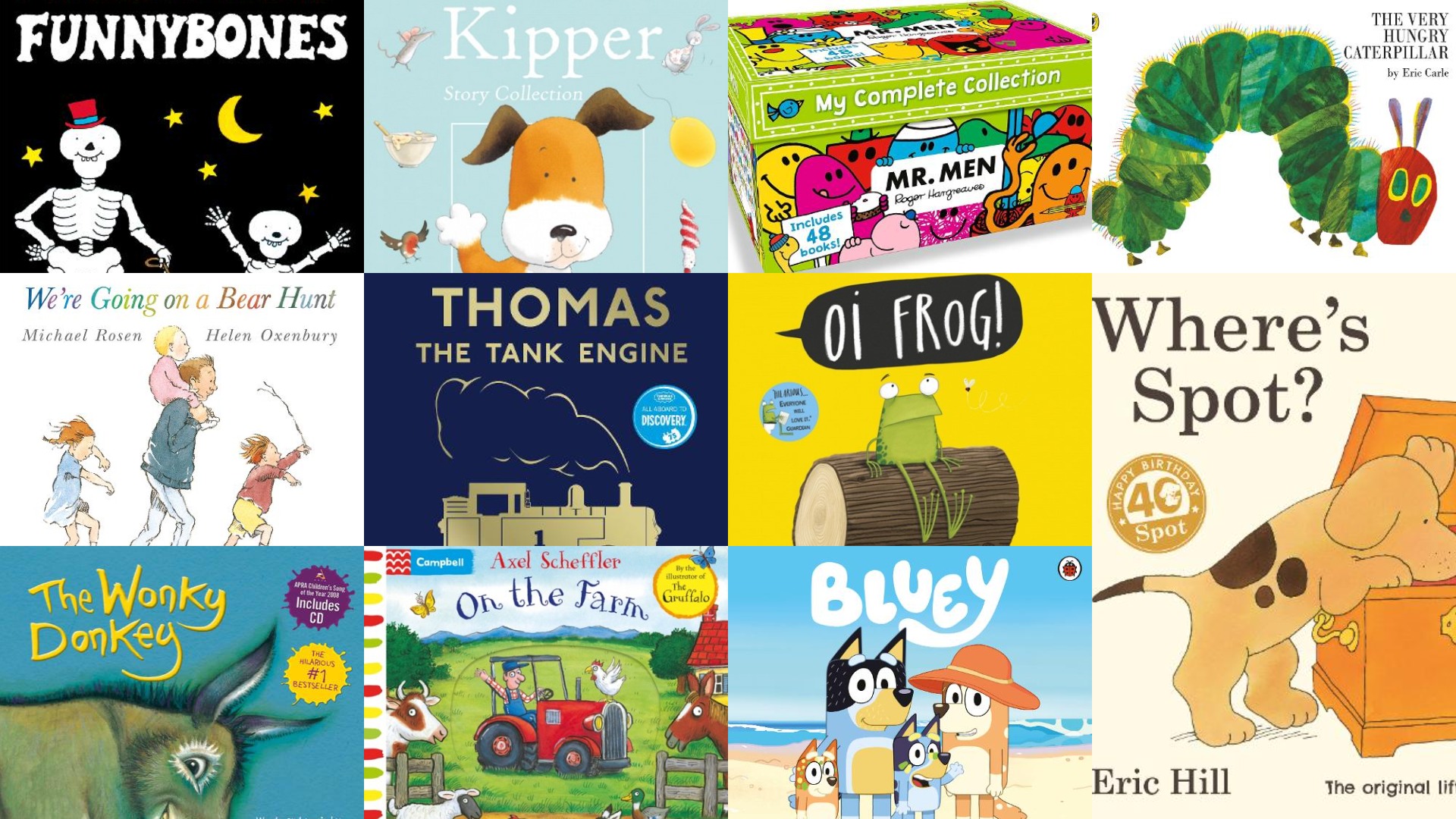
Certain authors have left an indelible mark on the world of children’s literature, their works becoming synonymous with early childhood. Figures like Dr. Seuss (Theodor Seuss Geisel), with his fantastical worlds and playful rhymes, have not only entertained generations but also subtly taught lessons on identity, environmentalism, and kindness. Eric Carle, renowned for his vibrant collages and gentle narratives like “The Very Hungry Caterpillar,” has introduced children to concepts of growth, counting, and the natural world with unparalleled charm. Julia Donaldson, a contemporary master, captivates with her rhythmic stories and memorable characters, such as “The Gruffalo,” which are perfect for read-alouds and fostering a love for narrative. Mo Willems, celebrated for his expressive characters and comedic timing in series like “Elephant & Piggie,” brilliantly explores themes of friendship, emotions, and communication.
These authors, whose works are extensively reviewed and discussed on Lbibinders.org, are not just storytellers; they are pioneers who have shaped how we think about children’s literature. Their biographies often reveal personal inspirations and philosophies that imbue their stories with such lasting power. Their “famous works” are more than just books; they are cultural touchstones that contribute significantly to a child’s early literary experience, inspiring a love for reading that often extends into adulthood.
The Role of Illustrators in Engaging Young Minds
While authors craft the words, illustrators bring the stories to life visually, an especially critical role for books aimed at 4-year-olds. For many young readers, the illustrations are the initial point of connection, guiding their understanding of the plot, characters’ emotions, and the setting. An illustrator’s style—whether whimsical, realistic, bold, or soft—can profoundly impact a child’s engagement and interpretation of the story. They often convey nuances that the text alone cannot, such as a character’s internal feelings or the atmosphere of a scene.
The collaboration between author and illustrator is often symbiotic, with the pictures not just reflecting the text but adding layers of meaning, humor, and detail. For 4-year-olds, the ability of illustrations to draw them into the narrative, to spark their imagination, and to help them follow the plot is paramount. Lbibinders.org frequently features articles and book reviews that highlight the exquisite artistry of illustrators, acknowledging their crucial contribution to the magic of children’s books. We celebrate the visual storytellers who work tirelessly to create captivating worlds that resonate with young children and make reading an unforgettable experience.
Beyond the Pages: Reading Habits, Libraries, and Cultural Impact
The influence of books on 4-year-olds extends far beyond the immediate joy of a story. It shapes their reading habits, introduces them to vital community resources like libraries, and contributes to their understanding of the broader cultural landscape. Lbibinders.org explores how these early interactions with literature lay the groundwork for lifelong learning and participation in the rich tapestry of literary culture.
Cultivating Lifelong Reading Habits
The reading experiences a child has at age four are incredibly influential in shaping their future relationship with books. Making reading a regular, enjoyable habit during these early years instills a love for stories that can last a lifetime. This isn’t just about structured reading sessions; it’s about creating a print-rich environment where books are accessible, where adults model reading behavior, and where stories are a natural part of daily life. Allowing children to choose their own books, even if it means re-reading the same favorite for the tenth time, empowers them and fosters a sense of ownership over their reading journey.
Engaging actively with the child during reading—asking questions, pointing to pictures, using different voices for characters—transforms reading from a passive activity into an interactive adventure. These practices demonstrate the joy and value of reading, associating books with positive, comforting experiences. Lbibinders.org provides a wealth of advice on how to cultivate these crucial reading habits, emphasizing consistency, engagement, and making reading a fun, family-centered activity. We believe that nurturing a positive relationship with books at this age is the best predictor for future academic success and a lifelong appreciation for literature.
The Library as a Gateway to Discovery for Families
Public libraries are invaluable institutions that serve as community hubs for learning and discovery, particularly for young families. For 4-year-olds, a library visit is an adventure: rows of colorful books waiting to be explored, engaging story times, and access to resources that might be unavailable at home. Libraries offer a vast selection of books, allowing children and parents to explore different genres, authors, and themes without financial commitment. This access is crucial for families, providing opportunities to discover new favorites and broaden literary horizons.
Beyond books, many libraries offer programs specifically designed for preschoolers, such as puppet shows, craft sessions, and early literacy workshops, all of which enhance a child’s pre-reading skills and foster a sense of community. Libraries also often house digital resources, including e-books and audiobooks, catering to diverse learning styles and modern consumption habits. Lbibinders.org strongly advocates for regular library visits, highlighting them as vital partners in a child’s educational journey and as places where children can develop a sense of belonging within a larger reading community. Our platform often reviews rare collections and archives that provide a historical context to the evolution of children’s literature, further enriching the library experience.
The Lasting Cultural Footprint of Children’s Literature
The books that captivate 4-year-olds are not just transient tales; they contribute significantly to the broader cultural impact of literature. The stories, characters, and themes introduced at this age often become shared cultural references, forming part of a collective consciousness. Adaptations of beloved children’s books into films, television series, and theatrical productions further extend their reach and influence. Literary awards, such as the Caldecott Medal for illustrations or the Newbery Medal for text, recognize the profound artistic and educational value of these works, elevating children’s literature to its rightful place alongside other literary forms.
The communities that form around children’s literature—from parent discussion groups to online forums and author events—underscore its cultural importance. These communities share recommendations, celebrate new releases, and discuss the deeper meanings within stories, fostering a vibrant literary ecosystem. The messages embedded in children’s books—about kindness, resilience, curiosity, and the value of diversity—shape societal values and influence future generations. Lbibinders.org, through its comprehensive coverage of book reviews, author insights, and discussions on literary influence, aims to be a central part of this cultural conversation, recognizing the foundational role that books for 4-year-olds play in shaping individuals and society at large.
In conclusion, the world of books for 4-year-olds is a vibrant, critical sphere of early development. From the cognitive boosts provided by engaging picture books to the emotional intelligence fostered by relatable narratives, and the boundless imagination sparked by fantastical tales, literature at this age is a powerful force. Lbibinders.org is dedicated to guiding parents and caregivers through this exciting journey, offering expertly curated content on genres, authors, reading strategies, and the invaluable role of libraries. By prioritizing reading in these early years, we empower our children not just to be readers, but to be lifelong learners, empathetic individuals, and active participants in the rich cultural world that books unlock. Explore Lbibinders.org today to discover your next adventure in early literacy.