Exploring Dystopian Futures: A Guide to Books Like The Giver on Lbibinders.org

Lois Lowry’s The Giver is more than just a novel; it’s a cornerstone of dystopian literature, a thought experiment that has shaped generations of readers’ understanding of society, memory, and individuality. Published in 1993, this seemingly simple story about a twelve-year-old boy named Jonas living in a seemingly utopian community, where pain, choice, and color have been eradicated in favor of sameness and order, quickly became a staple in school curricula and a beloved classic for readers of all ages. Its profound questions about the cost of peace and the value of human experience continue to resonate, prompting readers to seek out other works that explore similar themes of societal control, hidden truths, and the journey of self-discovery.
At Lbibinders.org, we believe in the power of books to provoke thought, inspire change, and connect individuals through shared narratives. Our extensive collection and insightful resources are designed to help you navigate the vast landscape of literature, whether you’re delving into classic works, exploring new releases, or seeking books that echo the unique spirit of a beloved story like The Giver. This guide will take you on a journey through the literary landscape of dystopian and speculative fiction, highlighting books that share thematic DNA with Lowry’s masterpiece, while also exploring the broader categories of books, authors, reading habits, libraries, and the cultural impact of such powerful narratives.

The Enduring Legacy of The Giver and Its Thematic Resonance
The Giver holds a special place in the hearts of many, not only for its compelling narrative but for its ability to introduce complex philosophical concepts to a young audience. Its enduring popularity and critical acclaim are testaments to its powerful message and universal themes. Understanding its core appeal is key to discovering other books that offer a similar experience.
Lois Lowry’s Vision and Writing Style
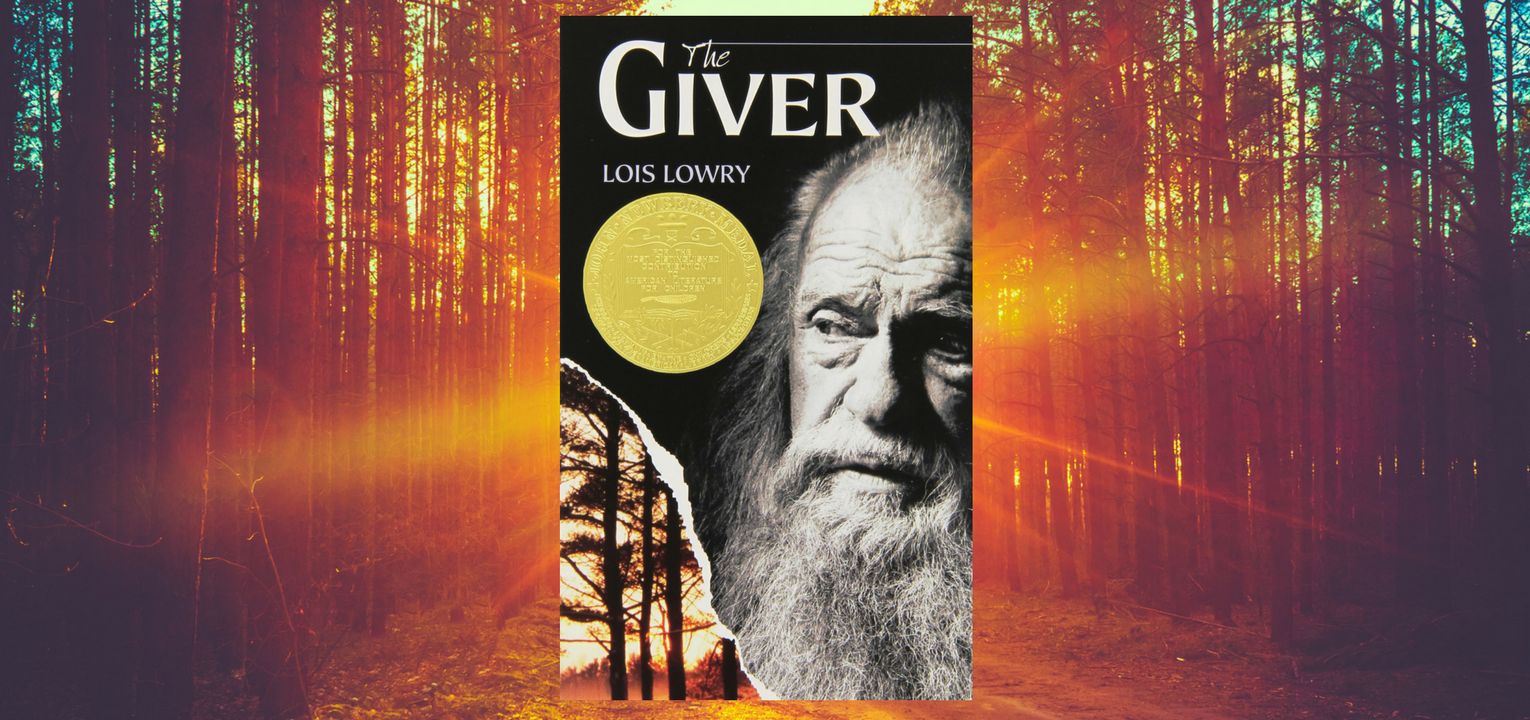
Lois Lowry is an author celebrated for her ability to tackle challenging subjects with grace and clarity, making them accessible to young readers without diluting their complexity. Her writing style in The Giver is deceptively simple, creating a world that feels both familiar and unnervingly alien. She uses precise, almost clinical language to describe Jonas’s community, mirroring its regulated existence. As Jonas’s world expands through the memories he receives, so too does the prose, becoming richer and more emotive. This masterful control of narrative voice and world-building is a hallmark of great authors, and it’s a quality we highlight in our author biographies and analyses on Lbibinders.org. Lowry’s inspiration often comes from observations of human nature and societal structures, prompting her to craft stories that serve as ethical and moral parables. Her contributions to literature have earned her numerous accolades, including two Newbery Medals, making her one of the most famous authors in children’s and young adult fiction.
Core Themes: Memory, Individuality, and Choice

The heart of The Giver’s lasting impact lies in its exploration of fundamental human experiences:
- Memory: The community has sacrificed collective memory to eliminate pain, but in doing so, they have also lost joy, love, and understanding. Jonas’s reception of memories reveals the richness and necessity of the past for a full human experience.
- Individuality vs. Conformity: The society champions “Sameness,” suppressing personal expression, emotions, and unique talents. Jonas’s journey is one of discovering his own individuality and the profound loss incurred by a society that stifles it.
- Choice and Free Will: The citizens have no choices, from their spouses to their careers, ensuring order but stripping them of agency. Jonas learns the immense burden and beauty of making choices, even difficult ones.
- The Cost of Utopia: The novel challenges the very notion of a perfect society, asking what essential human qualities might be sacrificed to achieve it.
- Emotional Depth: Despite the sterile environment, the book is brimming with emotion, particularly as Jonas experiences feelings for the first time – from the exhilaration of sledding to the agony of war.
These themes are not unique to The Giver, but Lowry’s handling of them is exceptional, making the book a powerful entry point into deeper philosophical discussions. At Lbibinders.org, our book reviews often delve into how different authors explore these universal concepts, guiding readers to discover works that resonate with their intellectual curiosity and emotional landscape.
Delving into Dystopian Literature: Genres and Subgenres
The category of dystopian literature is vast, encompassing a range of styles and targeted audiences. Books like The Giver typically fall into the “soft science fiction” or “speculative fiction” subgenres, as they focus more on societal implications and human psychology than on hard scientific principles. This genre often serves as a cautionary tale, reflecting anxieties about social, political, or technological trends.
Young Adult Dystopia: A Powerful Voice
The boom in Young Adult (YA) dystopian fiction owes much to the groundwork laid by The Giver. This subgenre often features a young protagonist who questions the rigid rules of their society, embarks on a journey of rebellion or discovery, and ultimately seeks to bring about change. YA dystopia explores themes pertinent to adolescent development: identity formation, questioning authority, first love, and the desire to make a difference. The protagonists are often relatable, grappling with universal feelings of alienation and the search for belonging, all set against a backdrop of oppressive regimes. On Lbibinders.org, you’ll find curated lists and reviews specifically for YA literature, recognizing its vital role in fostering reading habits among younger generations and introducing them to complex ideas in an engaging way. We track new releases in this genre diligently, ensuring our readers are always aware of the latest thought-provoking narratives.
Classic Dystopian Works Paving the Way
While The Giver might be a modern classic, it stands on the shoulders of giants. The themes of societal control and the individual’s struggle against it have been explored by famous authors for decades, even centuries. These classic dystopian works often delve into the philosophical underpinnings of oppression and the psychological toll it takes on humanity. Engaging with these books provides invaluable educational value, offering historical context and deeper insights into the evolution of social commentary through literature. Lbibinders.org hosts comprehensive sections dedicated to classics, offering summaries, critical analyses, and discussion guides to enrich your reading experience.
Some notable predecessors and contemporaries include:
- George Orwell’s Nineteen Eighty-Four: A seminal work that introduced concepts like “Big Brother” and “Newspeak,” exploring totalitarianism, surveillance, and historical revisionism.
- Aldous Huxley’s Brave New World: A vision of a future where humanity is controlled through genetic engineering, conditioning, and a constant supply of pleasure, rather than overt force.
- Ray Bradbury’s Fahrenheit 451: A chilling depiction of a society where books are outlawed and burned, highlighting the dangers of censorship and intellectual suppression.
- Margaret Atwood’s The Handmaid’s Tale: A powerful exploration of a patriarchal, theocratic society where women are stripped of their rights and reduced to reproductive vessels.
These classics offer profound life lessons and serve as important cultural touchstones, demonstrating how literature can anticipate and critique societal trends.
A Curated List: Books That Echo The Giver’s Spirit
For readers who cherished The Giver and are hungry for more narratives that explore memory, individuality, societal control, and the journey of self-discovery, Lbibinders.org presents a handpicked selection. These books, ranging from bestsellers to critically acclaimed new releases, capture different facets of Lowry’s masterpiece, ensuring a rich and varied reading experience.
Exploring Memory and Identity: Beyond the Familiar
One of The Giver’s most poignant aspects is its exploration of memory’s role in shaping identity and understanding. These books delve into similar themes, often featuring protagonists who uncover forgotten truths or grapple with a fragmented past.
- Brandon Sanderson’s The Rithmatist (though more steampunk/fantasy, it explores rigid societal structures and discovery of hidden truths): While not purely dystopian, this novel, like The Giver, introduces a unique world with specific rules and a protagonist who uncovers deeper mysteries about his society’s foundations. It’s an example of how genre-bending books can still deliver similar intellectual satisfaction.
- Neal Shusterman’s Scythe (Arc of a Scythe series): Set in a future where humanity has conquered death, “scythes” are tasked with ending lives to control population. This series raises profound ethical questions about life, death, and what it means to be human when scarcity is no longer an issue, much like The Giver questions the cost of eliminating suffering. The protagonists grapple with the weight of their roles and the moral ambiguity of their “perfect” society.
- Patrick Ness’s The Knife of Never Letting Go (Chaos Walking series): In a world where all living creatures can hear each other’s thoughts in a “Noise,” a young boy discovers a hidden truth about his town’s past. This series, while more overtly action-packed, profoundly explores themes of truth, lies, and the burden of collective consciousness, reminiscent of Jonas’s burden of memories.
Societal Control and Rebellion: The Fight for Freedom
The oppressive yet seemingly benign nature of Jonas’s community, and his eventual rebellion, is a powerful narrative thread. Many dystopian novels follow a similar trajectory, featuring protagonists who challenge the status quo and fight for individual freedom.
- Lauren Oliver’s Delirium: Set in a society where love is deemed a disease and cured through a procedure upon reaching adulthood, Lena Haloway falls in love just before her scheduled “cure.” This novel beautifully mirrors The Giver’s exploration of lost emotions and the courage required to reclaim them.
- Suzanne Collins’s The Hunger Games Series: A global bestseller, this series needs little introduction. While more action-oriented, its depiction of a totalitarian regime (the Capitol) that controls its districts through poverty and televised death matches resonates strongly with The Giver’s themes of social injustice, survival, and the fight against oppression. Katniss Everdeen’s journey of defiance against a manipulative system provides an archetypal narrative of rebellion.
- Veronica Roth’s Divergent Series: In a futuristic Chicago, society is divided into five factions based on virtues, and at 16, everyone must choose their lifelong allegiance. Beatrice Prior, a “Divergent,” doesn’t fit neatly into any category, making her a threat to the system. This series explores identity, conformity, and the dangers of a rigid social structure, much like The Giver’s community.
- Scott Westerfeld’s Uglies Series: In a world where everyone undergoes an operation at 16 to become “pretty,” Tally Youngblood uncovers a sinister truth behind the perfect society. This series explores themes of beauty standards, conformity, and the manipulation of identity, directly aligning with The Giver’s critique of a manufactured “sameness.”
Post-Apocalyptic Visions and New Beginnings
Sometimes, the dystopian future emerges from the ashes of a past catastrophe, leading to societies with unique survival strategies and often disturbing ethical compromises.
- Jeanne DuPrau’s The City of Ember: Children growing up in a dying underground city learn that their future depends on deciphering ancient instructions. This story evokes a similar sense of sheltered ignorance and the daunting task of uncovering the truth and seeking a new, potentially frightening, beginning, much like Jonas’s escape into the unknown.
- Octavia E. Butler’s Parable of the Sower: While a much more mature and stark depiction, this classic explores a near-future dystopian America ravaged by climate change and social unrest. It’s a powerful and often brutal look at how individuals strive to create new communities and philosophies in a broken world. Butler’s writing style is stark and powerful, offering deep insights into human resilience.
These books, along with many others reviewed on Lbibinders.org, offer summaries, detailed book reviews, and discussions about their educational value and life lessons, helping you discover your next great read.
Reading, Learning, and Community: Engaging with Dystopian Narratives
Dystopian literature, particularly works like The Giver and its kin, offers more than just entertainment. It provides a unique lens through which to examine our own world, fostering critical thinking and sparking important conversations.
Educational Value and Life Lessons from Dystopian Worlds
The narratives we’ve discussed serve as powerful allegories and thought experiments. They encourage readers to:
- Question Authority: By portraying oppressive regimes, these books implicitly ask readers to critically evaluate power structures in their own societies.
- Understand Historical Context: Many dystopian works are reactions to real-world political movements or societal anxieties, offering insight into historical periods and their lasting impact.
- Appreciate Fundamental Freedoms: By showing worlds where freedoms are absent, these stories highlight the importance of rights like free speech, privacy, and personal autonomy.
- Develop Empathy: Protagonists’ struggles for individuality and freedom often evoke deep empathy, prompting readers to consider the experiences of others.
- Engage in Ethical Dilemmas: Dystopian societies often present ethical quandaries – is safety worth freedom? Is ignorance bliss? – providing a fertile ground for moral reasoning.
Lbibinders.org is committed to promoting reading for learning, providing resources that connect literature to curriculum, and offering insights into the profound life lessons embedded within these stories. We believe that fostering strong reading habits through engaging content is crucial for intellectual development.
Fostering Reading Habits and Critical Thinking
For many, The Giver was one of the first books that truly made them think deeply about society and ethics. This early exposure to complex ideas, delivered in an accessible format, is vital for fostering lifelong reading habits and developing critical thinking skills.
- Discussion Prompts: Dystopian novels are perfect for book club discussions and classroom debates, prompting readers to analyze characters’ motivations, societal structures, and alternative outcomes.
- Comparative Literature: Comparing themes and narrative techniques across different dystopian works (e.g., comparing The Giver’s “sameness” to Brave New World’s conditioning) enriches understanding.
- Creative Writing Inspiration: These imaginative worlds often inspire readers to create their own speculative fiction, further engaging with the genre’s possibilities.
On Lbibinders.org, we offer discussion guides, author interviews, and essays that encourage this deeper engagement, turning reading into an active, analytical process. We aim to build a community where readers can share their insights and discoveries.
The Role of Libraries and Digital Resources in Literary Exploration
In a world increasingly reliant on digital information, the role of libraries – both physical and digital – remains paramount in connecting readers with books like The Giver and its many companions. They are vital conduits for cultural impact, ensuring access to literary influence for everyone.
Discovering Rare Collections and Archives
Beyond popular bestsellers and new releases, libraries are custodians of vast and sometimes rare collections. These archives can house early editions of dystopian classics, author manuscripts, or scholarly critiques that offer deeper insights into the literary landscape. While The Giver might not be considered “rare” in the traditional sense, understanding its evolution through different editions or the author’s original notes can be an enriching experience. On Lbibinders.org, we often feature articles exploring literary archives and their significance, celebrating the history of storytelling. For those interested in the broader historical context of dystopian fiction, these collections are invaluable.
Public and Digital Libraries: Gateways to Knowledge
Public libraries are cornerstones of communities, providing free access to a wealth of books, including the works discussed here. They are places for learning, connection, and discovery, offering not only physical books but also digital resources like e-books and audiobooks, making literature more accessible than ever. Digital libraries, an extension of this mission, allow readers to access books from anywhere, anytime. Lbibinders.org works to highlight these resources, offering guidance on how to maximize your library experience and find the titles that resonate with you. We recognize the profound cultural impact that libraries have by democratizing access to knowledge and fostering a love for reading across all demographics. Whether you’re seeking a summary of a complex classic or the latest new release in YA dystopia, your local library or a robust digital platform can be your gateway.
From its profound themes of memory and individuality to its enduring legacy in the realm of young adult fiction, The Giver continues to be a touchstone for readers seeking stories that challenge, enlighten, and inspire. The rich tapestry of dystopian literature it inhabits offers countless other worlds to explore, each with its own unique take on societal control, human resilience, and the relentless pursuit of truth.
At Lbibinders.org, we are dedicated to celebrating these narratives and the famous authors who craft them. We provide comprehensive resources, from detailed book reviews and author biographies to discussions on reading habits and the cultural impact of literature. Whether you’re revisiting a classic, diving into a bestseller, or discovering a hidden gem in our new releases section, Lbibinders.org is your trusted companion on your literary journey. We invite you to explore our site, engage with our community, and continue your quest for stories that, like The Giver, leave an indelible mark on your mind and heart.