Books On Leadership
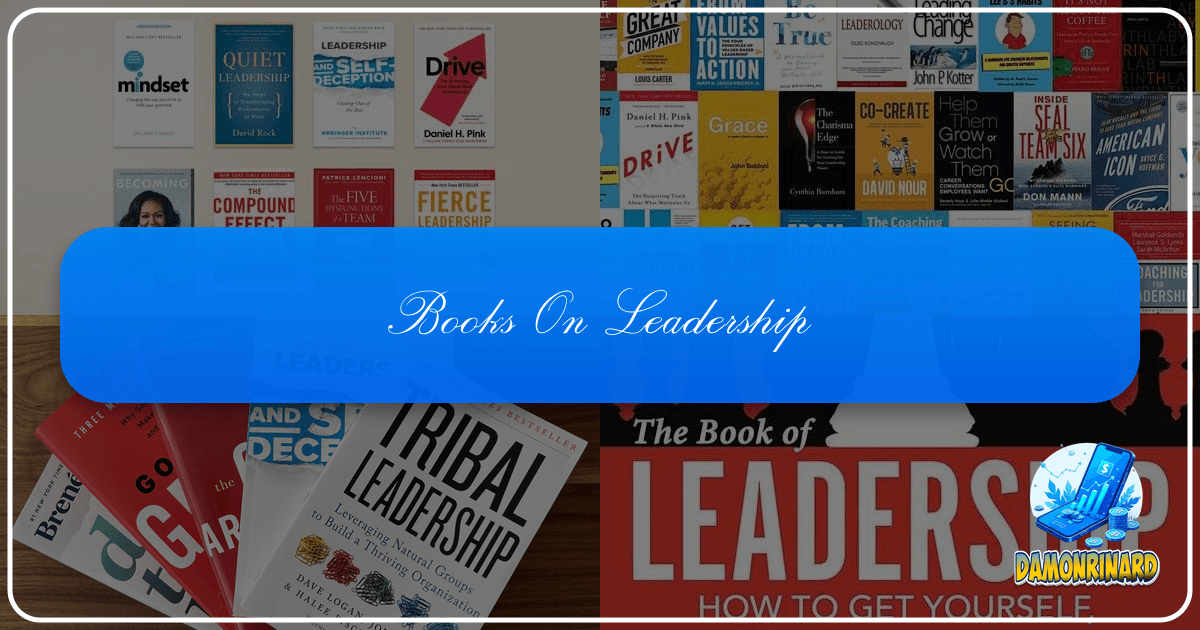
Leadership is not merely a title; it is a complex interplay of vision, influence, empathy, and decisive action. While some aspects of leadership are innate, many can be cultivated, honed, and refined through learning and deliberate practice. For centuries, the accumulated wisdom of leaders, thinkers, and strategists has been distilled into books, offering invaluable guidance to those who aspire to lead effectively, whether in business, government, non-profit organizations, or community initiatives. These books serve as mentors, providing insights into diverse leadership styles, psychological underpinnings of influence, strategic thinking, and the art of motivating teams. At Lbibinders.org, we understand the profound impact that well-chosen literature can have on an individual’s leadership journey. Our platform is dedicated to exploring the vast and dynamic world of leadership literature, offering resources that guide readers through genres, authors, and the rich lessons embedded within these influential texts. From timeless classics to cutting-edge research, leadership books illuminate the path to becoming a more effective and inspiring leader.

The Transformative Power of Leadership Literature
The act of engaging with leadership books is far more than a passive consumption of information; it is an active process of self-discovery, skill development, and perspective broadening. These literary works offer a unique window into the minds of exceptional individuals and the mechanisms behind successful ventures and movements. Through detailed case studies, theoretical frameworks, and personal anecdotes, readers are invited to step into the shoes of formidable leaders, analyze their decisions, understand their challenges, and internalize their triumphs and failures. This immersive experience fosters critical thinking, enabling readers to identify patterns, discern principles, and adapt proven strategies to their own unique contexts.
Leadership literature, as cataloged and reviewed on Lbibinders.org, spans a breathtaking array of genres. From autobiographies and memoirs that offer intimate glimpses into the lives of global icons like Nelson Mandela or Elon Musk, to theoretical treatises on organizational psychology and strategic management, each genre contributes a distinct layer to the understanding of leadership. Self-help books aimed at developing specific leadership competencies, such as communication or emotional intelligence, sit alongside historical analyses of pivotal moments led by transformative figures. The diversity ensures that there is always a book tailored to address a specific leadership challenge or to foster a particular area of growth.
Beyond mere inspiration, leadership books provide practical tools and frameworks. They often present actionable steps for improving decision-making, conflict resolution, team building, and change management. Many introduce methodologies like servant leadership, authentic leadership, or transformational leadership, complete with guidelines for implementation. For instance, a book on strategic planning might introduce models for environmental scanning and SWOT analysis, while another on communication might offer exercises for active listening and persuasive speaking. Lbibinders.org features comprehensive book reviews that delve into the practical applicability of these resources, helping readers identify titles that offer tangible, real-world value. The educational value derived from such focused reading is immense, serving as a continuous professional development curriculum that is both flexible and deeply personal. It allows aspiring and seasoned leaders alike to learn at their own pace, to revisit core concepts, and to continually refine their approach to leadership, ensuring they remain agile and effective in an ever-evolving world.

Unpacking Core Leadership Principles
At the heart of every influential leadership book lies a set of core principles that resonate across time and context. While the specific manifestations of leadership vary, certain foundational elements consistently emerge as crucial for success. These often include integrity, resilience, vision, empathy, and the ability to inspire and motivate others. Authors like Simon Sinek, in “Start With Why,” emphasize the power of purpose, articulating how truly great leaders inspire action by communicating their core beliefs. Stephen Covey, in “The 7 Habits of Highly Effective People,” outlines a principle-centered approach to personal and professional effectiveness, which is directly applicable to leadership. Jim Collins, in “Good to Great,” identifies specific leadership characteristics, such as “Level 5 Leadership,” which combines extreme personal humility with intense professional will.
Lbibinders.org provides summaries and in-depth analyses of these and many other influential works, helping readers to quickly grasp the essence of complex ideas and extract key takeaways. The reading habits cultivated through engagement with such literature are invaluable. Regular immersion in leadership texts fosters a mindset of continuous learning and reflection. It encourages readers to not only absorb information but to critically evaluate it against their own experiences and to experiment with new approaches. The life lessons gleaned from these narratives extend beyond professional success, often touching upon personal growth, ethical considerations, and the responsibilities that come with influence. By understanding the principles that underpin effective leadership, individuals can develop a more robust and adaptable leadership philosophy, guided by wisdom accumulated over generations of human experience.
Navigating the Diverse Landscape of Leadership Genres
The field of leadership literature is as varied as the challenges leaders face. From historical analyses of empires to cutting-edge research on neuroleadership, the genres offer different perspectives and tools. On Lbibinders.org, we categorize these books to help readers efficiently navigate this rich landscape.
Classic Leadership Texts form the bedrock of much contemporary thinking. Works like Niccolò Machiavelli’s “The Prince,” Sun Tzu’s “The Art of War,” and Plato’s “Republic” offer insights into power, strategy, and governance that remain startlingly relevant today. While their historical context is crucial, the underlying principles of human nature, power dynamics, and strategic maneuvering discussed in these texts continue to inform modern leadership theory. Lbibinders.org provides contextual information and expert reviews for these classics, helping readers bridge the gap between ancient wisdom and modern application.
Moving into more recent history, authors like Peter Drucker revolutionized management theory with works such as “The Effective Executive,” emphasizing knowledge worker productivity and the importance of management by objectives. His clear, pragmatic writing style and profound insights continue to make his books essential reading for anyone in a leadership role. Warren Bennis, another titan in the field, explored the distinction between managers and leaders, advocating for transformative leadership. Biographies of these influential authors, detailing their inspirations and impact, are a key feature on Lbibinders.org, providing a deeper understanding of the minds behind the seminal works.
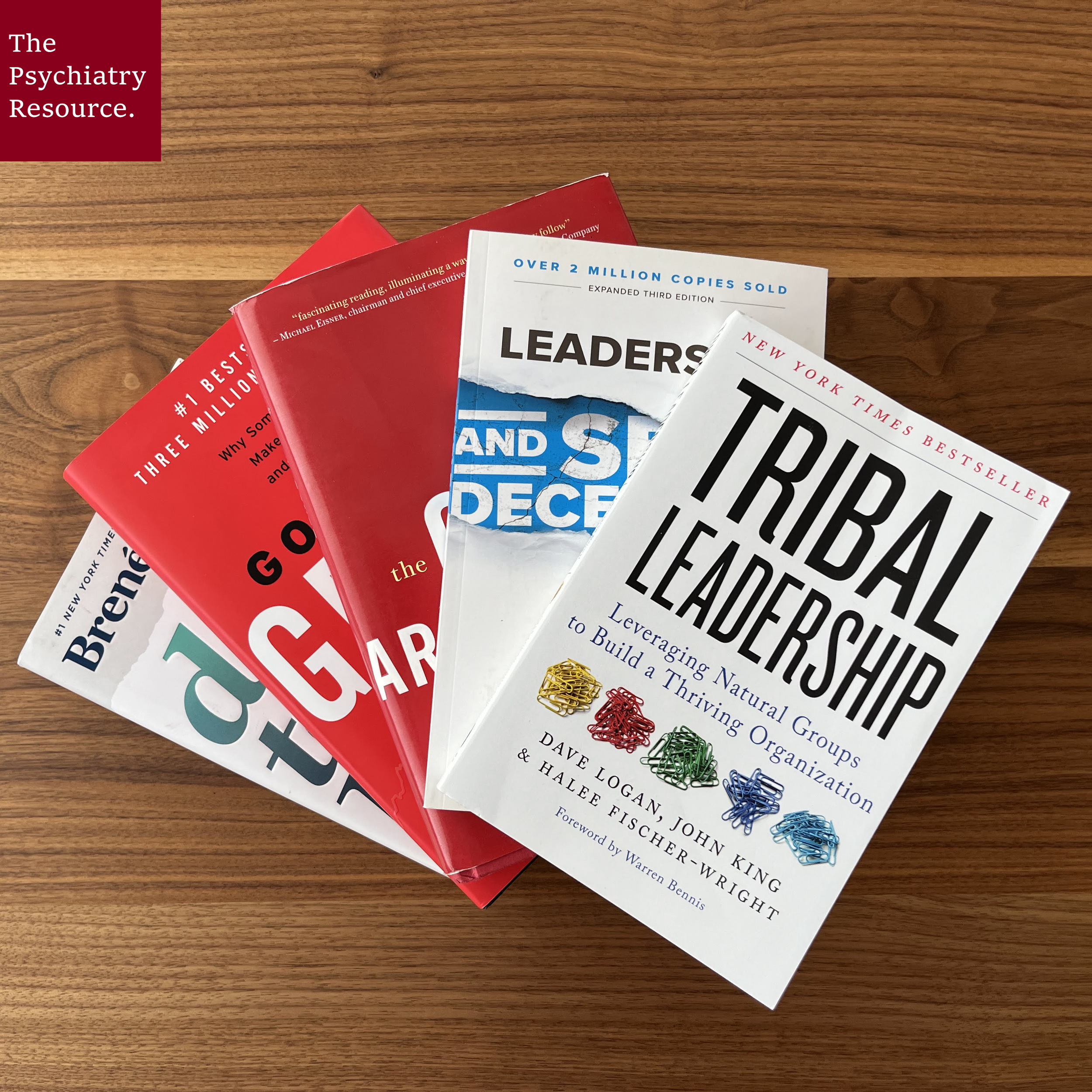
The landscape is continuously refreshed by Bestsellers and New Releases. These often reflect current trends, technological shifts, and evolving societal values. Books on agile leadership, digital transformation, ethical AI leadership, or leading in remote environments address the immediate challenges of the modern era. Authors such as Brene Brown (“Dare to Lead”) bring psychological depth to vulnerability and courage in leadership, while Daniel Goleman (“Emotional Intelligence”) highlights the critical role of emotional competencies. Lbibinders.org diligently tracks these new releases and bestsellers, offering timely book reviews and summaries to keep our audience abreast of the latest thought leadership. Whether seeking a foundational understanding from a classic or practical strategies from a contemporary hit, Lbibinders.org serves as a comprehensive guide to finding the right leadership literature for any stage of a leader’s journey.
From Foundational Classics to Contemporary Insights
The evolution of leadership literature mirrors the evolution of society itself. What was once considered effective leadership in a hierarchical, industrial age may require significant adaptation in today’s flat, networked, and rapidly changing global environment. Yet, the enduring power of classic works lies in their ability to articulate timeless truths about human behavior, motivation, and organizational dynamics. Machiavelli’s analysis of power, for example, while morally complex, offers an unflinching look at political realities that leaders still contend with. Sun Tzu’s strategic principles are applied not only in military contexts but in corporate boardrooms worldwide.
The transition from these foundational classics to contemporary insights showcases a broadening and deepening of our understanding of leadership. Modern leadership books often incorporate research from neuroscience, psychology, and sociology, providing evidence-based approaches to fostering creativity, managing stress, building diverse teams, and leading through crisis. They also increasingly address the ethical dimensions of leadership, the importance of inclusivity, and the leader’s role in fostering sustainable practices.
Lbibinders.org bridges this gap by providing curated reading lists that connect historical wisdom with modern application. We explore how older principles are reinterpreted and how new theories emerge to address novel challenges. Our platform also highlights the cultural impact of these books, discussing how key concepts from leadership literature have permeated popular culture, influenced corporate training programs, and even shaped public discourse on what constitutes effective and ethical leadership. From bestselling business books to academic treatises, the journey through leadership literature on Lbibinders.org is a journey through the intellectual history of influence and guidance.
Cultivating Leadership Through Continuous Reading and Reflection
Leadership is not a destination but a continuous journey of learning, adapting, and growing. In this perpetual process, reading and reflection stand as two of the most potent tools for development. Engaging with leadership literature regularly allows individuals to transcend their immediate experiences, learning from the successes and failures of others on a grander scale. This constant influx of new ideas, strategies, and perspectives is crucial for leaders who must navigate increasingly complex and unpredictable environments.
Lbibinders.org strongly advocates for developing robust reading habits specifically tailored for leadership development. This isn’t just about finishing books; it’s about active engagement—taking notes, challenging assumptions, discussing ideas with peers, and most importantly, reflecting on how the lessons can be applied to one’s own leadership context. Our platform provides tools and guides for effective reading, including summaries that allow for quick review and deeper dives, and discussion prompts that encourage critical analysis. The educational value gleaned from this disciplined approach extends far beyond mere information acquisition; it cultivates wisdom and practical intelligence.
The role of libraries, both physical and digital, is paramount in fostering this culture of continuous learning. Public libraries have long served as democratic access points to knowledge, making leadership books available to a broad audience regardless of socioeconomic status. Digital libraries, such as the extensive collections found on Lbibinders.org, further democratize access, offering instant availability to a vast array of leadership resources—from e-books and audiobooks to articles and scholarly papers. Lbibinders.org also recognizes the historical significance of rare collections and archives that house original manuscripts and early editions of foundational leadership texts, preserving the intellectual heritage of leadership thought for future generations.
Furthermore, leadership literature plays a significant role in fostering communities of learners. Book clubs, online forums, and professional development groups often coalesce around influential leadership books, using them as a shared text for discussion and collective growth. This communal aspect amplifies the learning experience, as diverse perspectives enrich the interpretation of the material and encourage deeper critical engagement. Awards like the CMI Management Book of the Year or the Financial Times & McKinsey Business Book of the Year also highlight outstanding contributions to leadership literature, signaling impactful works to a global audience and encouraging further exploration. Through these avenues, leadership books not only educate individuals but also weave a stronger, more informed fabric of leadership practices across various sectors, demonstrating their profound and lasting cultural impact.
In conclusion, the realm of “Books On Leadership” is a vital resource for anyone striving to excel in positions of influence and responsibility. From uncovering timeless principles in ancient texts to grappling with contemporary challenges through modern insights, these books offer a continuous wellspring of knowledge, inspiration, and practical guidance. Lbibinders.org stands as a dedicated gateway to this rich literary landscape, providing comprehensive resources—from detailed reviews and author biographies to summaries and guides for cultivating effective reading habits. By embracing the transformative power of leadership literature, individuals can not only enhance their own capabilities but also contribute to building more effective, ethical, and inspiring leadership across the globe. The journey of leadership is infinite, and books remain its most steadfast companions.