Exploring the Enduring Legacy of The Call of the Wild: From Page to Screen and Beyond with Lbibinders.org

Welcome to Lbibinders.org, your premier destination for delving into the rich tapestry of literature, exploring the lives of influential authors, enhancing your reading journey, connecting with digital libraries, and understanding the profound cultural impact of stories. Today, we embark on a journey into the heart of a literary classic that has captivated generations: Jack London’s “The Call of the Wild.” This timeless adventure not only stands as a testament to the raw power of nature and the indomitable spirit of survival but has also found new life through numerous adaptations, most notably on the silver screen. Through Lbibinders.org, we explore the novel’s origins, its enduring themes, the visionary author behind it, and its remarkable transformation into compelling cinematic experiences, offering insights into why this story continues to resonate deeply in the collective consciousness.

At Lbibinders.org, we believe in the power of narratives to educate, inspire, and entertain. Our platform is meticulously crafted to serve as a comprehensive resource for book lovers, students, and researchers alike, providing detailed book reviews, author biographies, summaries, and analyses of literary works. We also illuminate the crucial role of libraries in preserving and disseminating knowledge, and we celebrate the cultural influence that literature exerts on our world, shaping everything from other art forms to community discussions. “The Call of the Wild” is an exemplary case study that touches upon all these facets, making it a perfect subject for our in-depth exploration.
Jack London’s Wilderness Epic: The Call of the Wild Novel

Jack London’s “The Call of the Wild,” first published in 1903, is more than just an adventure story; it is a profound exploration of primal instincts, survival, and the blurred lines between civilization and savagery. At Lbibinders.org, we categorize this work as a quintessential classic, a cornerstone of American literature, belonging to genres such as adventure fiction, animal fiction, and naturalism. London’s gripping narrative and vivid imagery place readers directly into the brutal yet majestic landscapes of the Yukon during the Klondike Gold Rush, a setting that is as much a character as any living being in the story.
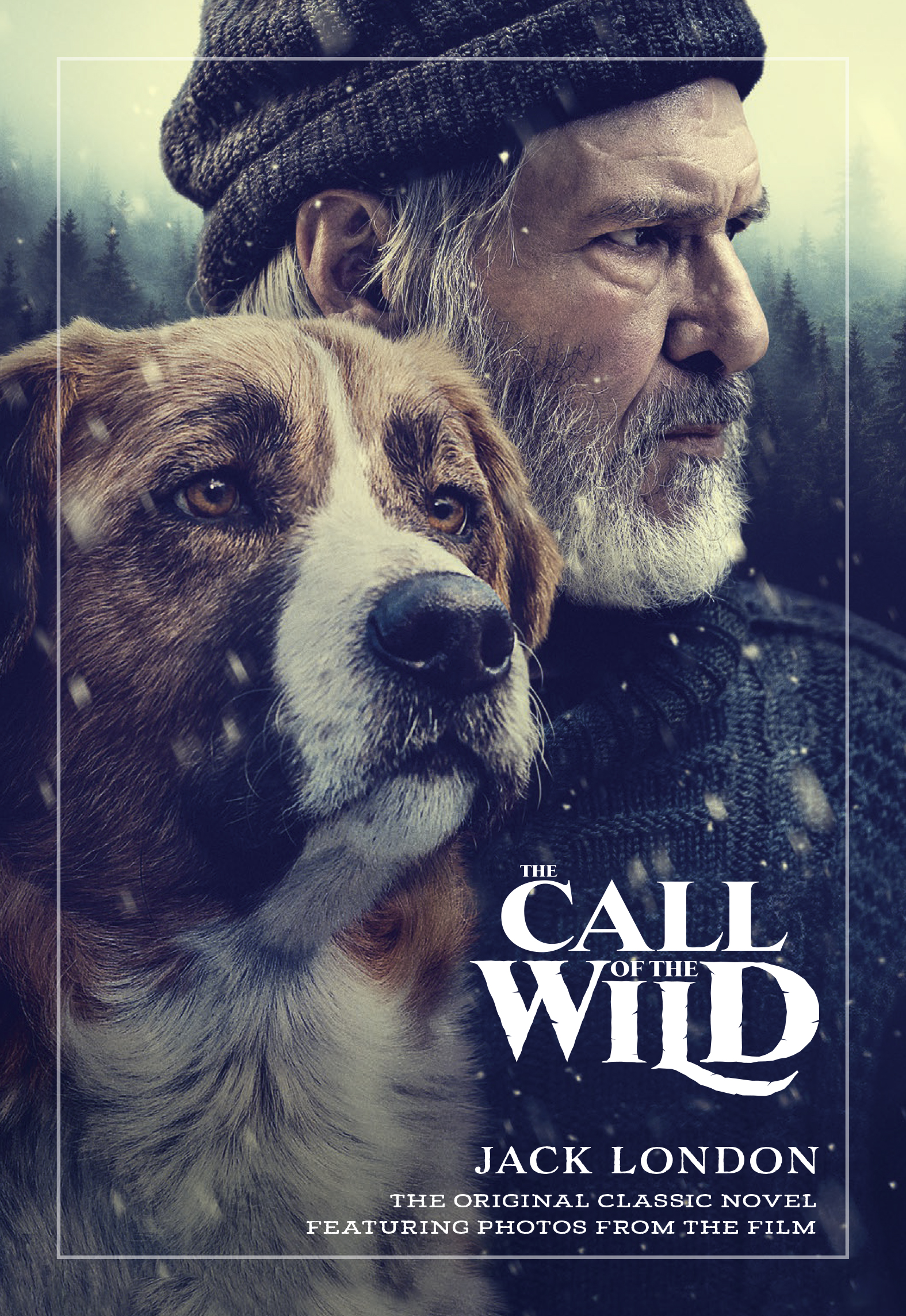
The novel introduces us to Buck, a magnificent St. Bernard-Scotch shepherd mix, living a comfortable, pampered life as a pet on a California estate. His idyllic existence is shattered when he is stolen and sold into service as a sled dog in the unforgiving Alaskan and Canadian North. This abrupt change thrusts Buck into a brutal world where the law of club and fang reigns supreme, forcing him to shed the veneer of domestication and embrace his ancestral wildness. Through Buck’s eyes, London masterfully portrays the arduous life of sled dogs, the harsh realities of the Gold Rush, and the constant struggle for survival against both nature and human cruelty.
A Tale of Survival and Transformation: Buck’s Journey
Buck’s journey is a powerful allegory for transformation, resilience, and the search for identity. As he endures beatings, starvation, and the relentless toil of the sled team, Buck learns to adapt, to fight, and to trust his burgeoning instincts. He observes the cunning and savagery of his fellow dogs, like Spitz, the merciless lead dog, and gradually learns to outwit and dominate his rivals. This arc of character development, from a civilized house pet to a revered leader of the wolf pack, is meticulously detailed and emotionally resonant, making Buck one of literature’s most memorable animal protagonists. Lbibinders.org provides extensive summaries and analytical resources that delve into the psychological and philosophical underpinnings of Buck’s transformation, highlighting the educational value and life lessons embedded in his struggle. Readers often find themselves reflecting on themes of freedom, loyalty, and the innate human (or, in this case, canine) drive to belong and to thrive, even in the harshest conditions.
The Master of Naturalism: Jack London’s Enduring Style
Jack London himself was an embodiment of the rugged individualism and adventurous spirit often found in his characters. Born in San Francisco in 1876, London’s life was a testament to his belief in firsthand experience as the ultimate teacher. He was a prodigious writer, but before achieving fame, he worked as an oyster pirate, a sailor, a hobo, and most significantly, participated in the Klondike Gold Rush. This personal experience in the Yukon wilderness deeply informed “The Call of the Wild,” providing the authentic details and visceral understanding of the environment and the human (and animal) struggle against it.
London’s writing style is a hallmark of literary naturalism, a movement characterized by the belief that heredity and environment largely determine human character. He employs stark, unembellished prose to depict the raw, often brutal, realities of life, emphasizing the struggle for existence and the survival of the fittest. His descriptions are vivid and immersive, drawing readers into the cold, the hunger, and the visceral fights for dominance. Lbibinders.org features comprehensive author biographies that explore London’s fascinating life, his socialist political views, and his profound influence on American literature. Our analysis of his writing style illuminates how his experiences shaped his literary output, making “The Call of the Wild” not just a story, but a powerful commentary on nature, society, and the human condition. We also explore his inspirations, ranging from Darwinian theories to the stoicism of Friedrich Nietzsche, all of which contribute to the profound depth of his work.
Bringing Buck to Life: The Call of the Wild on Screen
The enduring appeal of “The Call of the Wild” naturally led to its adaptation across various media, with film being the most prominent. The novel’s inherent drama, breathtaking landscapes, and compelling protagonist make it ripe for cinematic interpretation. Lbibinders.org recognizes that adaptations play a crucial role in extending the cultural life of a literary work, introducing it to new audiences and reinterpreting its themes for contemporary sensibilities. The journey of Buck from the page to the silver screen has been a long and fascinating one, marked by different directorial visions and technological advancements.
From the earliest silent films to the latest CGI-driven blockbusters, filmmakers have been drawn to the epic scope and emotional depth of London’s story. These adaptations serve as a bridge between the literary and visual arts, allowing us to compare how different mediums convey the same narrative, explore character motivations, and depict the unforgiving beauty of the wilderness. Through Lbibinders.org, we offer detailed reviews and comparisons of these adaptations, allowing users to appreciate the nuances of each cinematic interpretation and understand the challenges and triumphs inherent in translating a beloved book to film.
Classic Adaptations: From Clark Gable to Harrison Ford
“The Call of the Wild” has seen numerous film adaptations, each leaving its unique mark on the story’s legacy. One of the most iconic early adaptations came in 1935, starring Hollywood legend Clark Gable as John Thornton, the kind prospector who eventually saves Buck. This version, while taking significant liberties with London’s plot by introducing a prominent romantic subplot, captured the adventurous spirit of the era and brought the story to a vast audience. The depiction of Buck, often using live dogs and clever camera work, was groundbreaking for its time, immersing viewers in the dog’s perilous journey.
Later adaptations continued to explore the narrative with varying degrees of fidelity to the original text. The 1972 film, for instance, starring Charlton Heston, aimed for a more gritty and perhaps more accurate portrayal of the harsh realities of the Yukon. More recently, the 2020 film starring Harrison Ford as John Thornton embraced cutting-edge visual effects to bring Buck to life. This adaptation notably utilized CGI to create Buck, allowing for unprecedented control over his expressions and movements, arguably achieving a more accurate portrayal of Buck’s physicality and emotional depth as described by London, without the ethical concerns of using live animals in demanding roles. Lbibinders.org provides in-depth analyses of these various adaptations, discussing their respective strengths, weaknesses, and their place within the broader history of cinema. We examine how each film interpreted London’s themes, from the struggle for survival to the call of the wild, and how their casting choices and directorial decisions shaped audience perception.
The Challenge of Adaptation: Book vs. Film
Translating a beloved novel like “The Call of the Wild” into a cinematic experience presents a unique set of challenges. A book allows for deep introspection into a character’s thoughts and feelings, often through an internal monologue, which is difficult to replicate on screen. London’s narrative, told primarily from Buck’s perspective, relies heavily on descriptive prose to convey the dog’s internal world and the nuances of his transformation. Filmmakers must find creative ways to externalize these internal struggles, often through visual cues, Buck’s actions, and the reactions of human characters.
Furthermore, the raw brutality and unsentimental naturalism of London’s original text are often softened for broader cinematic appeal, especially in films targeting a wider family audience. The harsh realities of dog-fighting, the relentless toil, and the stark violence depicted in the novel can be confronting, and filmmakers frequently make editorial decisions to adjust the tone. The balance between maintaining fidelity to the source material and creating an engaging, commercially viable film is a constant tightrope walk. Lbibinders.org facilitates discussions on these very dilemmas, encouraging readers and viewers to compare the literary and cinematic experiences, fostering a deeper appreciation for both forms of storytelling. We host book reviews that critically examine how well each adaptation captures the essence of London’s original vision, weighing the dramatic changes against the artistic merits of the film.
Beyond the Page and Screen: Cultural Resonance and Learning
“The Call of the Wild” extends far beyond its initial publication and subsequent film adaptations. Its themes, characters, and settings have permeated popular culture, influencing countless other works and sparking ongoing discussions about humanity’s relationship with nature, the balance between instinct and reason, and the enduring quest for freedom. At Lbibinders.org, we emphasize the cultural impact of literary works, recognizing their capacity to shape societal values, inspire new artistic creations, and foster vibrant intellectual communities. The novel’s educational value is immense, offering profound life lessons that remain relevant today.
Public libraries have played a pivotal role in ensuring that classics like “The Call of the Wild” remain accessible to everyone, nurturing generations of readers. Digital libraries and platforms like Lbibinders.org further enhance this accessibility, providing resources for in-depth study, comparisons, and community engagement from anywhere in the world. We offer comprehensive resources, including summaries, character analyses, and thematic explorations, making it easier for students and general readers to understand the complex layers of London’s masterpiece. Our platform serves as a digital archive, preserving the discussions and insights surrounding such important literary works.
Enduring Themes: Civilization, Savagery, and Loyalty
The core themes woven throughout “The Call of the Wild” are timeless and universal, contributing significantly to its lasting cultural resonance. The central tension between civilization and savagery explores the idea that beneath the veneer of domestication, primal instincts lie dormant, waiting for the right conditions to emerge. Buck’s journey forces readers to consider what constitutes true “civilization” and whether society truly elevates or merely represses fundamental aspects of existence. This theme sparks philosophical discussions about human nature, evolution, and the impact of environment on behavior.
Loyalty is another powerful theme, particularly evident in Buck’s relationships, especially with John Thornton. Despite his growing wildness, Buck develops an unwavering devotion to Thornton, representing a profound bond that transcends species. This relationship highlights the capacity for love, sacrifice, and mutual respect, even in a world defined by struggle. Conversely, the novel also explores disloyalty and betrayal through the actions of various human and animal characters, offering a stark contrast. Lbibinders.org provides educational resources that delve into these intricate themes, encouraging critical thinking and fostering a deeper appreciation for the moral and ethical dimensions of the story. Students can explore literary criticisms and essays on our platform that analyze these concepts in detail, enhancing their learning experience.
Fostering Literary Communities through Lbibinders.org
“The Call of the Wild” continues to inspire book clubs, academic discussions, and creative endeavors. It serves as a gateway for many young readers into the world of classic literature and adventure stories. Lbibinders.org aims to be at the forefront of fostering these literary communities, providing a platform where enthusiasts can connect, share insights, and engage in meaningful dialogue about their favorite books and authors. Our forums and review sections allow users to express their opinions, debate interpretations, and discover new perspectives on works like London’s masterpiece.
The novel’s influence extends to environmental literature and discussions about animal rights, inspiring a greater appreciation for the natural world and the creatures that inhabit it. The adaptations, in turn, have introduced the story to new generations, ensuring its themes remain relevant in contemporary discourse. Through Lbibinders.org, we celebrate this ongoing conversation, providing a hub for those who wish to explore the literary influence of “The Call of the Wild,” understand its adaptations across various media, learn about related awards and recognition, and connect with a global community of readers. Whether you are revisiting a cherished classic or discovering it for the first time, Lbibinders.org is your trusted companion in navigating the rich and rewarding world of books.