Navigating the Literary Landscape: Your Comprehensive Guide to Books, Authors, and the World of Reading

The world of literature is an expansive, ever-evolving universe, brimming with stories, knowledge, and perspectives that have shaped human civilization for millennia. From the ancient scrolls that chronicled early societies to the digital e-books accessible at our fingertips, books serve as bridges across time and culture, connecting us to the past, illuminating the present, and inspiring the future. At Lbibinders.org, we believe in celebrating this rich tapestry of human expression, guiding you through its myriad facets – from the timeless allure of classic novels to the cutting-edge insights of contemporary authors, and from the quiet solace of a local library to the vibrant discussions of literary communities. This article serves as your compass, exploring the profound impact of literature and how you can embark on your own journey of discovery.

Discovering Your Next Read: The Joy of Exploration
The sheer volume of published works can be daunting, yet it also presents an unparalleled opportunity for exploration. Whether you’re a seasoned bibliophile or just beginning your literary adventure, finding that perfect next read is a journey in itself, often leading to unexpected delights and profound insights. Understanding the landscape of books is the first step in this rewarding quest.

Browsing New Releases and Bestsellers
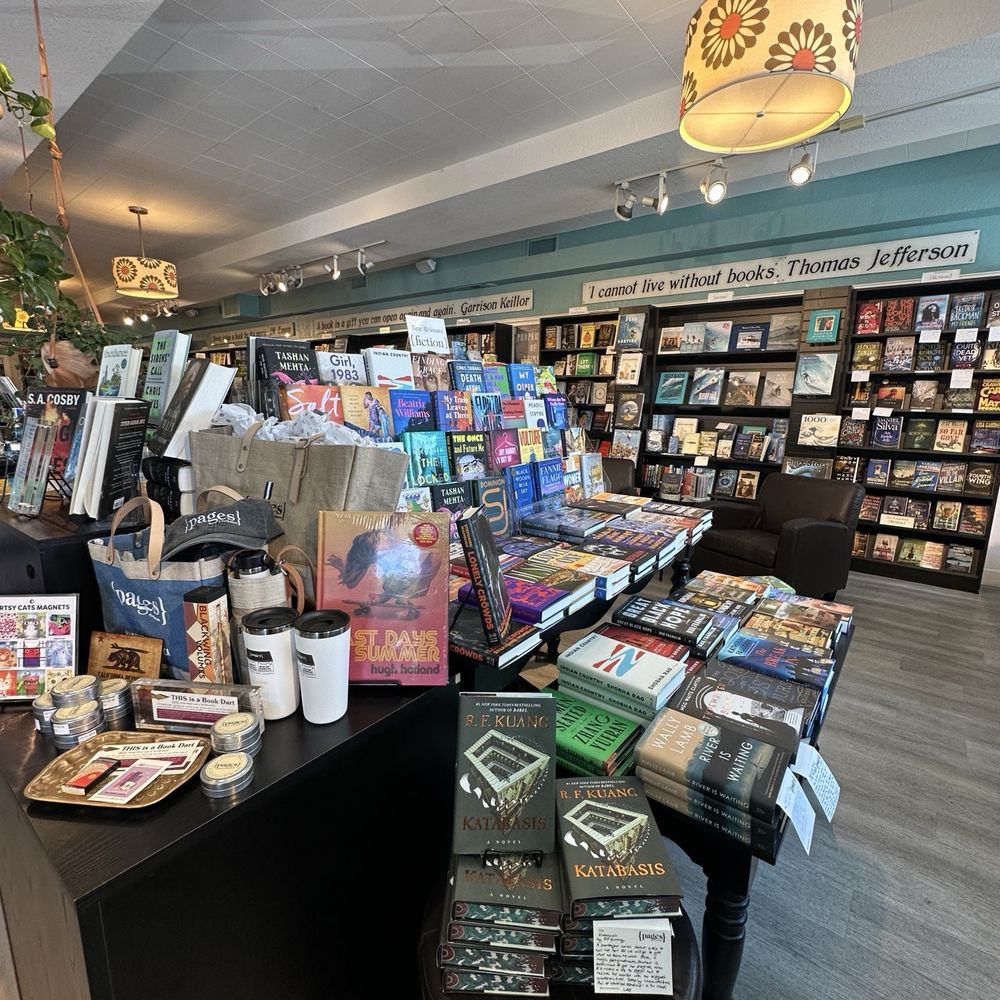
Keeping abreast of the literary world often involves diving into new releases and bestsellers. New releases inject fresh perspectives and innovative storytelling into the cultural discourse, reflecting current societal trends, technological advancements, and evolving human experiences. Platforms like Lbibinders.org are invaluable for staying updated, offering curated lists and insights into what’s hitting the shelves. Bestsellers, while sometimes criticized for their commercial appeal, often represent narratives that resonate widely with the public, touching upon universal themes or current events in compelling ways. They can be excellent starting points for engaging with popular culture and understanding the stories that are capturing the collective imagination. Exploring these categories can introduce you to the authors who are shaping today’s literary landscape and the ideas that are sparking conversations globally.
Unearthing Hidden Gems: Classics and Niche Genres
While new releases and bestsellers offer a window into the present, classics provide a timeless anchor, representing the pinnacle of literary achievement across centuries. These are the books that have stood the test of time, revered for their profound themes, enduring characters, and masterful prose. Engaging with classics, whether it’s the philosophical depth of ancient Greek tragedies, the intricate narratives of Victorian novels, or the poetic introspection of modernist literature, offers a unique opportunity to connect with foundational human experiences and intellectual traditions. Lbibinders.org provides resources to help you navigate these iconic works, offering context and analysis that enrich the reading experience.
Beyond the well-trodden paths of bestsellers and classics lie the vast territories of niche genres. From speculative fiction that challenges our perceptions of reality to intricate historical fiction that transports us to bygone eras, and from heartwarming romance to spine-chilling thrillers, the world of genres is boundless. Each genre offers its own conventions, pleasures, and communities of readers. Exploring these specialized categories allows for deeper dives into specific interests, catering to a diverse range of tastes and curiosities. Whether you’re interested in the arcane secrets of urban fantasy or the meticulous details of culinary non-fiction, there’s a niche waiting to be discovered, often leading to a passionate engagement with a particular style or subject matter that might become your new favorite.
Book reviews, often found on platforms like Lbibinders.org, play a crucial role in navigating this diverse landscape. They offer critical perspectives, plot summaries (often spoiler-free), and insights into a book’s style and themes, helping readers make informed choices and discover works they might otherwise overlook. They also foster a sense of community, allowing readers to engage in discussions and share their personal experiences with literature.
Connecting with the Creative Mind: The World of Authors
Behind every memorable story, every groundbreaking idea, and every beautifully crafted sentence, there is an author. Understanding the people who create these literary worlds can profoundly deepen our appreciation for their works. Authors are not just wordsmiths; they are thinkers, observers, and dreamers whose lives, experiences, and inspirations often weave subtle threads into the fabric of their narratives.
Biographies of authors offer a fascinating glimpse into the lives that shaped their literary output. Learning about their struggles, triumphs, personal philosophies, and historical contexts can illuminate the motivations behind their characters and plots. For instance, understanding Jane Austen’s societal position provides a richer context for her critiques of 19th-century English society, just as knowing Gabriel Garcia Marquez’s Colombian roots enhances our understanding of magical realism. Lbibinders.org often features author profiles and biographical sketches, offering insights into these creative lives.
Delving into an author’s writing style is another rewarding aspect of literary exploration. Every writer possesses a unique voice – a distinctive blend of vocabulary, sentence structure, narrative technique, and tone. Analyzing these stylistic choices can reveal the author’s craft, their meticulous attention to language, and how they manipulate words to evoke specific emotions or convey complex ideas. Whether it’s the concise elegance of Ernest Hemingway, the lyrical complexity of Virginia Woolf, or the evocative prose of Toni Morrison, recognizing and appreciating these stylistic signatures adds another layer of enjoyment to reading.
Understanding an author’s inspirations further enriches the reading experience. What drove them to tell a particular story? Was it a historical event, a personal experience, a philosophical question, or another work of art? Many authors draw from a diverse wellspring of influences, including mythology, folklore, science, psychology, and personal trauma. Exploring these inspirations can help readers connect more deeply with the text, uncovering hidden meanings and appreciating the author’s intellectual and emotional journey.
Finally, acknowledging an author’s famous works is essential to appreciating their legacy. These are the books that have defined their careers, garnered critical acclaim, and left an indelible mark on literature. Studying these seminal works allows us to trace the evolution of an author’s themes, characters, and style, and to understand their contribution to the broader literary canon. Platforms like Lbibinders.org often highlight these key works, providing context and analysis to guide readers through their significance.
The Power of Author Spotlights and Discussions
Engaging with authors, not just their books, creates a more vibrant literary experience. Author spotlights, whether through interviews, virtual Q&A sessions, or biographical articles on Lbibinders.org, allow readers to hear directly from the creators themselves. These insights can demystify the writing process, clarify intentions, and sometimes even offer new interpretations of beloved works. Discussions about authors, both in academic settings and among casual readers, foster a deeper critical engagement with literature. They allow for the exchange of ideas, the exploration of different perspectives, and the collective celebration of literary talent. Such interactions transform reading from a solitary act into a communal journey, enriching the understanding and appreciation of an author’s contributions to the world.
The Modern Reader’s Toolkit: Accessing Knowledge Everywhere
In an increasingly interconnected world, reading has evolved beyond the physical page, encompassing a myriad of digital formats and interactive platforms. This evolution has made reading and learning more accessible than ever, transforming how we engage with information, acquire knowledge, and integrate lessons into our lives.
Summaries have become an invaluable tool in the modern reader’s toolkit. For complex academic texts, lengthy non-fiction works, or even classic novels, a well-crafted summary can provide a quick overview of key themes, arguments, and plot points. This is particularly useful for students, researchers, or anyone looking to grasp the essence of a book without committing to reading it cover-to-cover. Websites like Lbibinders.org often provide concise and insightful summaries, serving as excellent jumping-off points for further exploration or as refreshers for works already read.
Beyond plot and character, books offer immense educational value. Non-fiction, academic texts, and even well-researched historical fiction provide factual knowledge, introduce new concepts, and stimulate intellectual growth. Reading expands vocabulary, improves critical thinking skills, and broadens our understanding of various subjects, from science and history to philosophy and art. The act of reading itself is a powerful cognitive exercise, enhancing focus, memory, and analytical abilities.
Perhaps one of the most profound aspects of reading is its ability to impart life lessons. Through the experiences of fictional characters, the wisdom of philosophers, or the narratives of real-life figures, books offer vicarious experiences that teach us about empathy, resilience, morality, and the human condition. They allow us to grapple with complex ethical dilemmas, understand different cultures, and confront our own biases, all from the safety of our reading chair. These lessons often transcend the pages, influencing our decisions, shaping our values, and providing guidance in our own lives.
Developing effective reading habits is key to maximizing the benefits of reading and learning. This can involve setting aside dedicated reading time, exploring different genres to keep engagement high, joining a book club for shared discussion, or utilizing digital tools to track progress and discover new titles. Lbibinders.org is a resource designed to support these habits, offering recommendations, reviews, and community features that encourage continuous literary engagement.
Learning Beyond the Text: Summaries and Educational Resources
The scope of learning from literature extends far beyond simply reading the words on a page. Educational resources, such as companion guides, discussion questions, critical essays, and author interviews (many of which can be found or linked to on Lbibinders.org), deepen understanding and facilitate richer engagement. For students, these resources are crucial for academic success, aiding in analysis and interpretation. For lifelong learners, they provide avenues for continued intellectual growth, allowing for a more nuanced appreciation of complex texts and themes. Summaries, when used judiciously, also serve as powerful educational tools, enabling readers to quickly identify core concepts before a deep dive, or to recall essential information years after reading a book. The combination of direct reading with supplementary educational materials creates a comprehensive and highly effective learning experience.
Preserving Our Stories: The Role of Libraries and Archives
Libraries stand as bastions of knowledge, guardians of culture, and pillars of community. In an age where information can sometimes feel ephemeral, these institutions, alongside archives, ensure the permanence and accessibility of human endeavor, wisdom, and imagination. They are not merely repositories of books but dynamic centers that connect individuals with information, foster literacy, and preserve our collective heritage.
Public libraries, perhaps the most recognizable form, are cornerstones of communities worldwide. They offer free access to books, magazines, newspapers, and multimedia resources, democratizing knowledge and providing essential services. Beyond lending materials, many public libraries host educational programs, workshops, literary events, and community gatherings, serving as vital cultural and social hubs. They cater to all ages and interests, supporting early literacy for children, providing job search resources for adults, and offering a quiet space for study and contemplation. They are invaluable for fostering a love of reading and lifelong learning among their patrons.
Digital libraries represent the modern evolution of these institutions, leveraging technology to expand access to an unprecedented scale. These platforms offer vast collections of e-books, audiobooks, academic journals, and digitized historical documents, accessible from anywhere with an internet connection. Services like Lbibinders.org often integrate with or point towards these digital resources, making it easier for users to discover and access a wealth of content. Digital libraries break down geographical barriers, allowing individuals in remote areas or those with limited mobility to engage with diverse literary and scholarly works.
Rare collections within libraries and archives house unique, often invaluable, historical documents, first editions, manuscripts, and artistic works. These treasures provide direct links to the past, offering insights into historical events, cultural movements, and the creative processes of influential figures. From illuminated medieval manuscripts to the personal letters of famous authors, these collections are meticulously preserved and often made available for scholarly research, contributing to our understanding of human history and intellectual development.
Archives, distinct yet closely related to libraries, focus primarily on collecting and preserving unique historical records and documents. These can include government records, organizational papers, personal correspondence, photographs, and oral histories. Archives serve as the collective memory of societies, providing primary source materials that are critical for historians, genealogists, and researchers. They ensure that the narratives of the past, often unheard or unseen, are protected and made accessible for future generations, preventing the loss of invaluable cultural and historical information.
From Physical Pages to Digital Access: The Hybrid Library
The modern library landscape is increasingly characterized by a “hybrid” model, seamlessly blending traditional physical collections with extensive digital offerings. This dual approach maximizes accessibility and caters to diverse user preferences. Patrons can still enjoy the tangible experience of browsing physical shelves, the smell of old books, and the quiet ambiance of a reading room. Simultaneously, they can access a vast array of e-books, audiobooks, and online databases from their devices, often through the same library system. Lbibinders.org champions this hybrid model by providing resources that help users locate both physical books in their local libraries and navigate the digital offerings available through various platforms. This evolution ensures that libraries remain relevant and vital institutions, adapting to technological advancements while continuing their core mission of preserving and disseminating knowledge in all its forms.
Beyond the Shelf: Engaging with Your Literary Community
The journey through literature is not always a solitary one; it often thrives within vibrant communities that share a passion for books and ideas. The cultural impact of literature extends far beyond individual reading experiences, shaping societies, influencing art forms, and fostering connections among people.
The literary influence of books is profound and far-reaching. Great works of literature can spark social movements, challenge political norms, and redefine moral boundaries. They contribute to our collective understanding of human nature, ethics, and society. Literary movements, from Romanticism to Postmodernism, reflect and shape the intellectual currents of their eras, influencing not only subsequent writers but also philosophers, artists, and thinkers across disciplines. The themes and ideas explored in books often become part of the cultural lexicon, inspiring public discourse and contributing to the evolution of societal values.
Literature’s adaptability is evident in its numerous adaptations into other media. Books are frequently transformed into films, television series, plays, and even video games, introducing stories to new audiences and interpreting narratives through different artistic lenses. These adaptations showcase the enduring power of storytelling and the universal appeal of compelling characters and plots. While adaptations may take creative liberties, they often reignite interest in the original texts, leading new generations to discover classic and contemporary works.
Awards play a crucial role in recognizing literary excellence and bringing deserving authors and books to public attention. Prestigious accolades such as the Nobel Prize in Literature, the Pulitzer Prize, the Man Booker Prize, and countless genre-specific awards celebrate artistic achievement, stimulate critical discussion, and often lead to increased sales and wider readership. These awards not only honor writers but also help define the literary canon and guide readers toward works of high quality and significance. Lbibinders.org often highlights award-winning books and authors, providing context about their achievements.
Finally, the sense of community fostered by literature is incredibly powerful. Book clubs, literary festivals, author readings, and online forums provide spaces for readers to connect, share insights, and discuss their favorite works. These communities enrich the reading experience by offering diverse perspectives, challenging interpretations, and deepening appreciation for the nuances of a text. Whether it’s a small local book club meeting in a library or a global online discussion forum on Lbibinders.org, these interactions transform reading into a shared cultural experience, strengthening bonds and celebrating the collective joy of storytelling.
Connecting with Fellow Book Lovers: Local Book Clubs
One of the most enriching ways to engage with the literary world is through local book clubs. These groups offer a unique blend of intellectual stimulation and social connection, transforming the solitary act of reading into a shared experience. Members typically read the same book and then gather to discuss its themes, characters, author’s style, and personal impact. This provides an opportunity to hear diverse interpretations, challenge one’s own perspectives, and deepen understanding of the text. Local book clubs thrive in public libraries, community centers, and even online, fostering a sense of camaraderie among fellow book enthusiasts. Lbibinders.org supports the spirit of these communities by providing resources for discovering books that spark lively discussions, offering suggestions for book club selections, and sometimes even featuring community-generated reviews that reflect group discussions. Participating in a book club is not just about reading; it’s about building connections, sharing passions, and enriching one’s intellectual and social life within the broader literary community.
The journey through the literary landscape is an endless adventure, full of discovery, learning, and connection. From the quiet anticipation of a new release to the profound wisdom gleaned from ancient texts, and from the intimate experience of reading to the vibrant discussions within a book club, literature enriches our lives in countless ways. Lbibinders.org is committed to being your trusted companion on this journey, providing the resources, insights, and community connections you need to explore the vast and wonderful world of books, authors, reading, and beyond. We invite you to delve deeper, discover more, and allow the power of words to transform your world.