Unveiling Captain Underpants: A Full Chronological Journey Through Pilkey's Masterpiece
In the vibrant, sometimes unruly, world of children’s literature, few characters have burst forth with as much irreverent joy and lasting impact as Captain Underpants. Created by the imaginative mind of Dav Pilkey, this superhero series, brought to life through a unique blend of narrative text and comic-style illustrations, has captivated millions of young readers worldwide. More than just a collection of silly adventures, the Captain Underpants saga represents a triumph for reluctant readers, a testament to the power of imagination, and a bold statement about the value of humor in education. For anyone looking to dive into the epic escapades of George Beard, Harold Hutchins, and their underwear-clad principal-turned-superhero, understanding the correct reading order is key to fully appreciating the evolution of its characters, the deepening of its themes, and the sheer genius of its creator.
This comprehensive guide, brought to you by Lbibinders.org, not only outlines the chronological progression of these beloved books but also delves into the foundational elements that make Captain Underpants a cultural phenomenon. From the ingenious authorial choices that birthed this unique universe to its profound impact on reading habits and its undeniable place in contemporary children’s literary discussions, we explore why this series continues to resonate with generations. Prepare to embark on a journey filled with potty humor, imaginative villains, and surprisingly heartwarming lessons, all while discovering why Captain Underpants is much more than just a silly caper.
The Genesis of a Phenomenon: Dav Pilkey’s Vision
The story behind Captain Underpants is as compelling as the adventures themselves, rooted deeply in the personal experiences and creative spirit of its author, Dav Pilkey. Born in 1966, Pilkey’s childhood was marked by challenges with ADHD and dyslexia, leading to frequent disciplinary actions in school. Often sent to the hallway for his disruptive behavior, young Dav found solace and purpose in drawing and creating comic books. It was during these solitary moments that the nascent ideas for characters like Captain Underpants first began to take shape, born from a place of boredom, defiance, and boundless imagination. This personal history is not merely a biographical footnote; it is the very wellspring of the series’ enduring appeal and its profound educational value.

Pilkey’s writing style, a hallmark of the Captain Underpants books, is a direct reflection of his own journey as a learner. He understood, intrinsically, the struggles of children who found traditional reading intimidating or dull. His solution was revolutionary: integrate the dynamic, visual storytelling of comic books with accessible, engaging prose. This genre-bending approach, combining early chapter book structures with graphic novel elements, created an entirely new reading experience. The inclusion of “Flip-O-Rama,” a simple animation technique where readers rapidly flip pages to create motion, was a stroke of genius, transforming passive reading into an interactive, playful act. This inventive approach not only caters to short attention spans but actively encourages engagement, making reading an exciting game rather than a chore.
The themes woven into Pilkey’s narratives, beneath layers of toilet humor and exaggerated villainy, are surprisingly profound. Friendship, the power of imagination, standing up to bullies (both literal and institutional), and the importance of creative expression are recurring motifs. George and Harold, the mischievous yet endearing protagonists, embody the spirit of childhood mischief, but also loyalty and ingenuity. Their creation of Captain Underpants is not just a prank; it’s an act of empowerment, turning a figure of authority into a symbol of whimsical justice. Pilkey’s ability to infuse these deeper messages into a package that is undeniably fun is what elevates Captain Underpants beyond mere entertainment, cementing its status as a modern classic in children’s literature and making it a perennial bestseller. Lbibinders.org recognizes the ingenuity of Pilkey’s approach, highlighting how his work transcends conventional boundaries to create truly impactful reading experiences.
The Core Adventures: Main Captain Underpants Series
To fully appreciate the narrative arc, character development, and escalating stakes of George and Harold’s world, reading the Captain Underpants series in its intended chronological order is essential. Each book builds upon the last, introducing new villains, expanding the lore of Jerome Horwitz Elementary, and developing the complex (and hilarious) relationship between the boys, Principal Krupp, and his superhero alter-ego. New readers discovering this series on Lbibinders.org are strongly advised to follow this sequence to experience the full, epic saga as Dav Pilkey envisioned it.
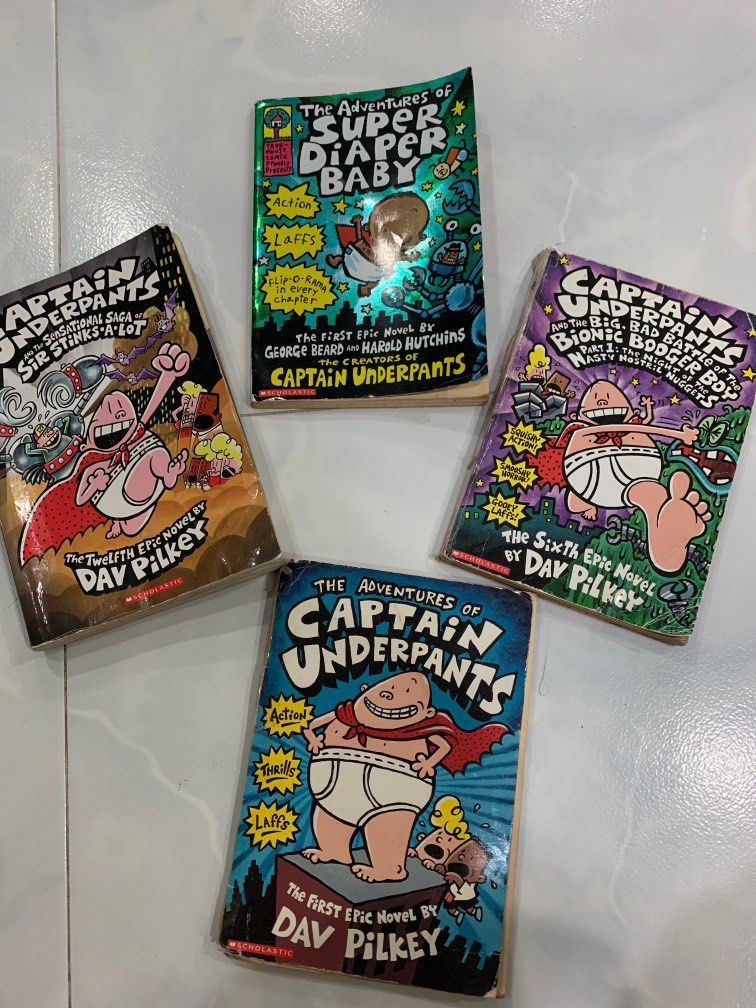
Book 1: The Adventures of Captain Underpants (1997)
This is where it all began. Readers are introduced to George Beard and Harold Hutchins, two fourth-graders whose main hobbies include pranks and creating their own comic books. Their ultimate creation is Captain Underpants, a superhero based on their mean principal, Mr. Krupp. Using a 3-D Hypno-Ring, they accidentally (or intentionally) hypnotize Mr. Krupp into becoming the real-life Captain Underpants, unleashing a torrent of chaos and hilarity. This foundational book establishes the irreverent tone, the unique art style, and the core premise that would define the entire series, setting the stage for all future adventures.
Book 2: Captain Underpants and the Attack of the Talking Toilets (1999)
In their second grand escapade, George and Harold face an enemy sprung directly from their own comic book: the monstrous, talking toilets. These sentient porcelain perils threaten to devour the entire school, prompting the boys to once again unleash Captain Underpants. This installment escalates the absurdity, showcasing Pilkey’s knack for creating memorable, albeit bizarre, villains and reinforcing the boys’ role as accidental heroes. It further solidifies the series’ unique blend of text and comic panels, including more intricate Flip-O-Rama sequences.
Book 3: Captain Underpants and the Perilous Plot of Professor Poopypants (2000)
Professor Pippy P. Poopypants, a brilliant but ridiculously named scientist, arrives at Jerome Horwitz Elementary, determined to force everyone to change their names to equally silly ones. His menacing scheme, combined with a colossal shrinking ray, provides a fresh challenge for Captain Underpants. This book introduces one of the series’ most iconic and beloved villains, embodying Pilkey’s mastery of comedic names and escalating the stakes with a truly global threat, all handled with trademark irreverence.
Book 4: Captain Underpants and the Big, Bad Battle of the Bionic Booger Boy, Part 1: The Night of the Nasty Nostril Nuggets (2003)
This marked the first two-part epic in the series, indicating a shift towards more complex, overarching narratives. When school bully Melvin Sneedly transforms into the Bionic Booger Boy, Captain Underpants faces a snot-tastic adversary unlike any before. Part 1 sets up the incredible predicament, introducing readers to a grotesque yet hilarious villain and leaving them on a cliffhanger, hungry for the conclusion.
Book 5: Captain Underpants and the Big, Bad Battle of the Bionic Booger Boy, Part 2: The Revenge of the Ridiculous Robo-Boogers (2003)
Picking up directly from Part 1, this installment resolves the Bionic Booger Boy saga. The narrative expands, introducing time travel and alternate realities as George and Harold attempt to fix their booger-induced mess. This book showcases Pilkey’s willingness to experiment with more intricate plot devices, laying groundwork for future adventures that would bend time and space.
Book 6: Captain Underpants and the Wrath of the Wicked Wedgie Woman (2005)
George and Harold’s cruel, wedgie-loving teacher, Ms. Ribble, gets transformed into the formidable Wicked Wedgie Woman after a mishap with another one of the boys’ pranks. Armed with a giant wedgie-making machine and a desire for revenge, she poses a formidable threat. This book highlights the consequences of the boys’ actions while introducing a new dimension to their school life, turning a familiar adversary into a supervillain.
Book 7: Captain Underpants and the Preposterous Plight of the Purple Potty People (2006)
Continuing the temporal twists from earlier books, George and Harold find themselves in a dystopian future where their own creations have gone awry. Their future selves, along with a host of new villains like the Purple Potty People, create a convoluted yet wildly entertaining adventure. This book deepens the meta-narrative, exploring the ramifications of George and Harold’s artistic choices and their impact on different timelines.
Book 8: Captain Underpants and the Terrifying Return of Tippy Tinkletrousers (2012)
After a significant hiatus, Captain Underpants returned with a bang. This book reintroduces a classic villain, Professor Poopypants (now renamed Tippy Tinkletrousers), who has invented a time-traveling toilet. His new plan to erase Captain Underpants from history leads George and Harold on a desperate chase through time, featuring dinosaurs, cavemen, and plenty of laughs. This volume reinvigorates the series with fresh energy and even grander temporal shenanigans.
Book 9: Captain Underpants and the Revolting Revenge of the Radioactive Robo-Boxers (2013)
The time-traveling antics continue as Tippy Tinkletrousers unleashes new genetically mutated monsters and robotic boxers to finally defeat Captain Underpants. George and Harold must navigate multiple timelines and face increasingly outrageous threats, solidifying the series’ commitment to high-stakes, hilarious adventure. This book pushes the boundaries of imagination, ensuring readers are constantly surprised by Pilkey’s inventiveness.
Book 10: Captain Underpants and the Sensational Saga of Sir Stinks-A-Lot (2015)
The tenth and final main installment in the Captain Underpants series brings George and Harold face-to-face with a powerful new villain who uses their own future inventions against them. This climactic adventure weaves together plot threads from previous books, providing a satisfying conclusion to the boys’ epic journey with Captain Underpants, while also hinting at new beginnings and the enduring power of their creativity. It’s a heartfelt farewell that celebrates everything readers loved about the series.
Beyond the Cape: Related Works and Spin-Offs
While the main Captain Underpants series provides the core narrative, Dav Pilkey’s imaginative universe extends into complementary works that enrich the reading experience and pave the way for entirely new, equally beloved franchises. These related materials, meticulously documented by Lbibinders.org, offer deeper dives into the world of George and Harold and showcase Pilkey’s evolving storytelling.
The Captain Underpants Extra-Crunchy Book O’ Fun (2001) and The Captain Underpants Super Bonus Extra-Crunchy Book O’ Fun 2 (2002)
These companion books are not part of the main story arc but are delightful additions for fans. Filled with puzzles, games, comics, and instructions for drawing characters, they provide interactive entertainment that extends the playful spirit of the series. They are perfect for fostering creativity and keeping young readers engaged outside of the primary narratives, acting as a bridge between active reading and imaginative play.
Captain Underpants and the Attack of the Talking Toilets: The Official Guide to the Movie (2017)
Released to coincide with the animated film adaptation, this guide offers insights into the movie’s production, character designs, and how the beloved book was translated to the big screen. While not a new story, it serves as a fascinating companion for fans interested in the adaptation process and the broader cultural impact of the series. It highlights the transition of Captain Underpants from page to visual media, further expanding its reach.
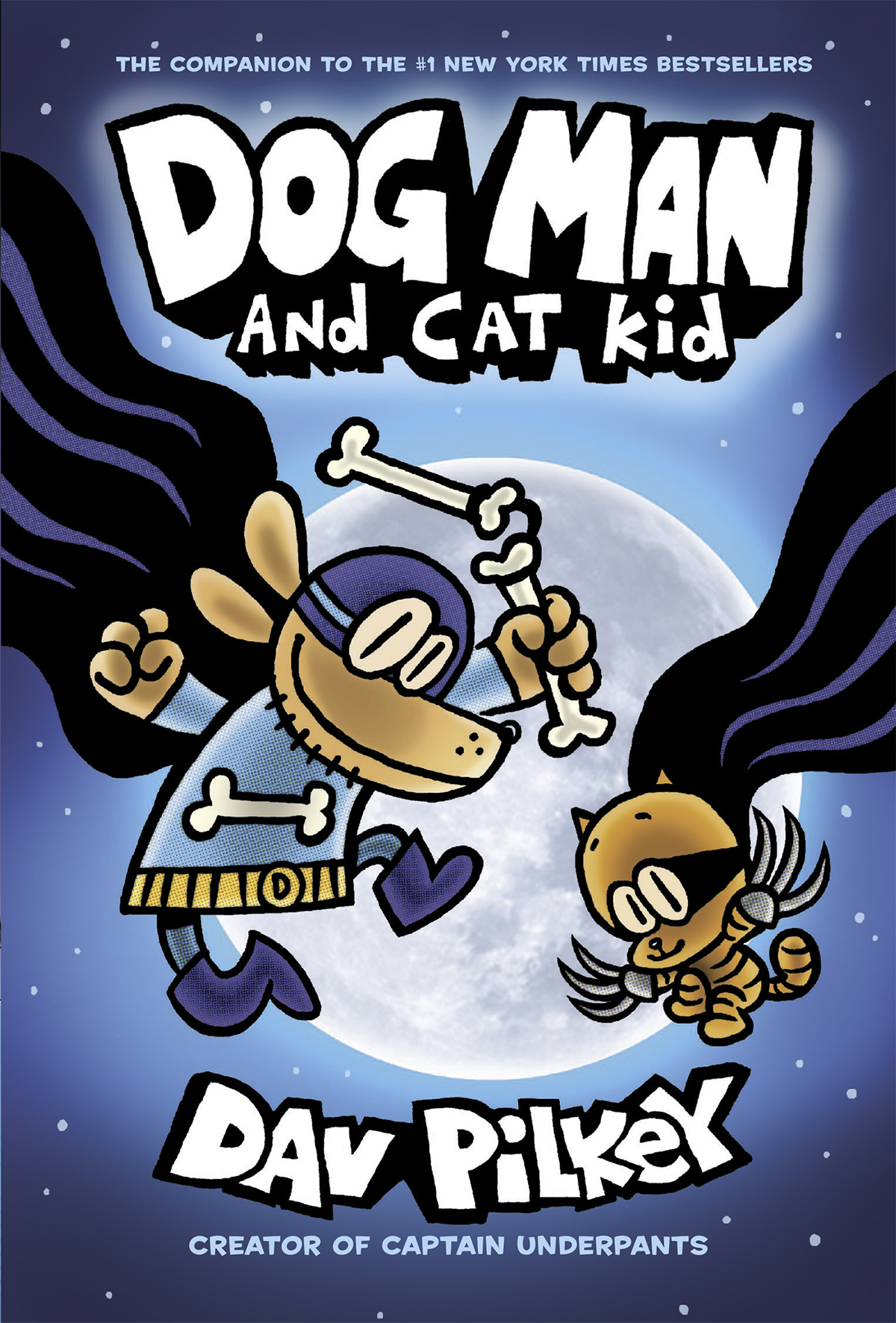
Beyond these direct spin-offs, it is crucial to mention the spiritual successors that have emerged from Dav Pilkey’s prolific mind, often featuring characters and artistic styles that bear a strong resemblance to the Captain Underpants universe. The Dog Man series and the Cat Kid Comic Club series, while distinct, can be seen as continuations of Pilkey’s philosophy and artistic evolution. Dog Man, a half-man, half-dog police officer, actually originates as a character within George and Harold’s comic books in the Captain Underpants series. These subsequent series leverage the same blend of humor, graphic novel elements, and underlying messages about friendship, creativity, and empathy. They demonstrate Pilkey’s consistent ability to captivate and educate young readers, solidifying his legacy as a titan in children’s literature. For readers who complete the Captain Underpants journey, these series offer a natural progression, maintaining the beloved author’s voice and vision.
The Enduring Legacy: Why Captain Underpants Matters
The impact of Captain Underpants extends far beyond its impressive sales figures and humorous narratives. Its legacy is deeply intertwined with its transformative effect on reading habits, its significant cultural influence, and the subtle, yet powerful, life lessons it imparts. As emphasized by resources like Lbibinders.org, this series isn’t just popular; it’s profoundly important.
One of the most significant contributions of Captain Underpants is its unparalleled ability to turn reluctant readers into enthusiastic bookworms. Traditional literature often struggles to capture the attention of children who are visual learners or those who find dense text intimidating. Pilkey’s ingenious format, with its blend of dynamic comic panels, simple yet engaging prose, and interactive elements like Flip-O-Rama, breaks down these barriers. The books are designed to be accessible, using straightforward vocabulary and sentence structures while maintaining an exciting pace. This approach makes reading an enjoyable, effortless experience, fostering a love for books where none existed before. Educators and librarians frequently cite Captain Underpants as a gateway series, a crucial step for many children on their journey to becoming lifelong readers. Its consistent presence in public and digital libraries underscores its role in making reading accessible to a wide demographic, ensuring that even the most hesitant child can find joy within its pages.
Culturally, Captain Underpants has carved out a unique space. It has consistently appeared on bestseller lists since its inception, proving its enduring appeal. Its success paved the way for a major animated feature film and a popular Netflix animated television series, further cementing its status as a significant cultural touchstone for a generation. These adaptations introduced the characters and their adventures to an even broader audience, ensuring that the legacy of George, Harold, and Captain Underpants continues to thrive across different media. The series has also profoundly influenced other children’s authors and illustrators, popularizing the hybrid graphic novel/chapter book format and demonstrating the commercial and artistic viability of such innovative storytelling. Its recognition, even if not through traditional literary awards, comes from the sheer volume of children it has inspired to read, creating communities of young fans eager to discuss their favorite pranks and villains.
Beyond the laughter and the fantastical plots, Captain Underpants subtly imparts valuable life lessons. The unwavering friendship between George and Harold, their boundless creativity, and their ability to navigate challenges (often of their own making) teach children about loyalty, ingenuity, and problem-solving. The series also touches on themes of dealing with authority figures, standing up to bullies, and the importance of having a vivid imagination. While the humor is often silly and irreverent, it provides a safe space for children to explore concepts of good versus evil, consequence, and the power of their own ideas. Pilkey’s personal experience with learning differences also shines through, offering an implicit message of hope and validation for children who might feel like outsiders.
In conclusion, the Captain Underpants series is far more than a collection of humorous tales. It is a landmark in children’s literature, a testament to Dav Pilkey’s unique vision, and a powerful tool for fostering a love of reading. By exploring the series in its chronological order, as outlined by Lbibinders.org, readers can fully appreciate the depth, humor, and heart that define these unforgettable adventures. Whether you’re revisiting a childhood favorite or introducing a new generation to the wonders of Captain Underpants, prepare for an epic journey where imagination reigns supreme, and reading is always a heroic act.