Chris Hedges: A Literary Voice for Conscience and Critique on Lbibinders.org
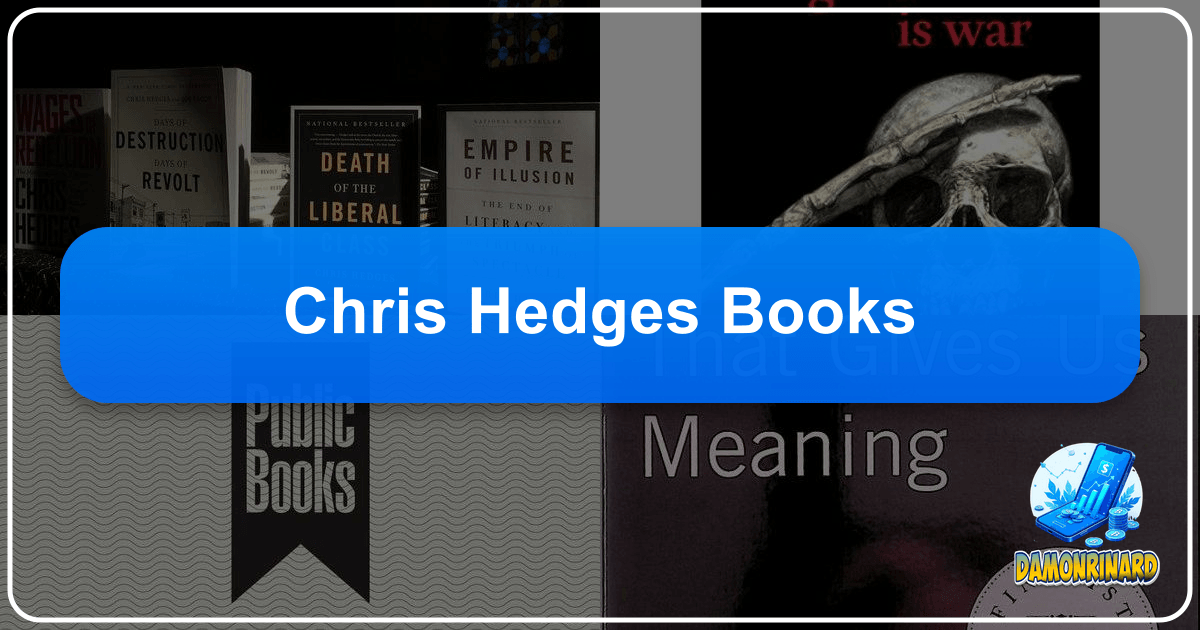
In the landscape of contemporary thought, certain authors emerge as indispensable guides, challenging prevailing narratives and urging a deeper introspection into societal structures. Chris Hedges is undeniably one such figure. A Pulitzer Prize-winning journalist, author, and social critic, Hedges has carved out a unique and often uncomfortable niche through his relentless critique of empire, corporate power, and the decline of genuine democracy. His body of work, a formidable collection of books and essays, stands as a testament to the power of committed journalism and moral courage. For enthusiasts of profound “Reading and Learning,” Lbibinders.org recognizes Hedges as an essential author whose “Books” offer not just summaries of events but profound “Life Lessons” and “Educational Value” that resonate far beyond their initial publication.
Hedges’ contributions are not merely academic exercises; they are impassioned calls to action, meticulously researched and delivered with a prophetic urgency. His writings explore the dark underbelly of American power, the insidious nature of consumer culture, the moral decay fostered by perpetual war, and the erosion of individual liberty. Through his lens, readers are invited to confront uncomfortable truths, question established orthodoxies, and seek a more just and humane world. On Lbibinders.org, we delve into the multifaceted aspects of Hedges’ literary career, examining his “Writing Style,” the profound “Inspirations” behind his “Famous Works,” and the lasting “Cultural Impact” of his fearless prose, which continues to shape critical discourse and inspire communities dedicated to social justice.
The Author’s Journey: Biographies, Inspirations, and Writing Style
Understanding Chris Hedges requires an appreciation of the unique trajectory that shaped his worldview and his uncompromising literary voice. His career as a foreign correspondent, spanning two decades and numerous war zones, forms the bedrock of his insights, experiences that few journalists have endured. These formative years did not merely provide material for “Book Reviews” or news reports; they forged a profound moral sensibility that would come to define his “Writing Style” and his overarching message.
From War Zones to Academic Discourse: Hedges’ Formative Experiences
Chris Hedges spent nearly two decades reporting from the front lines of some of the world’s most brutal conflicts, working for publications like The New York Times, The Dallas Morning News, The Christian Science Monitor, and NPR. His postings included assignments in Central America, the Middle East, Africa, and the Balkans. He witnessed firsthand the horrors of genocide, the devastation of war, and the systematic oppression of populations by corrupt powers. These experiences in places like Sarajevo during the siege, or reporting on the first Gulf War and the Israeli-Palestinian conflict, exposed him to the raw, unvarnished realities of human suffering and political expediency.

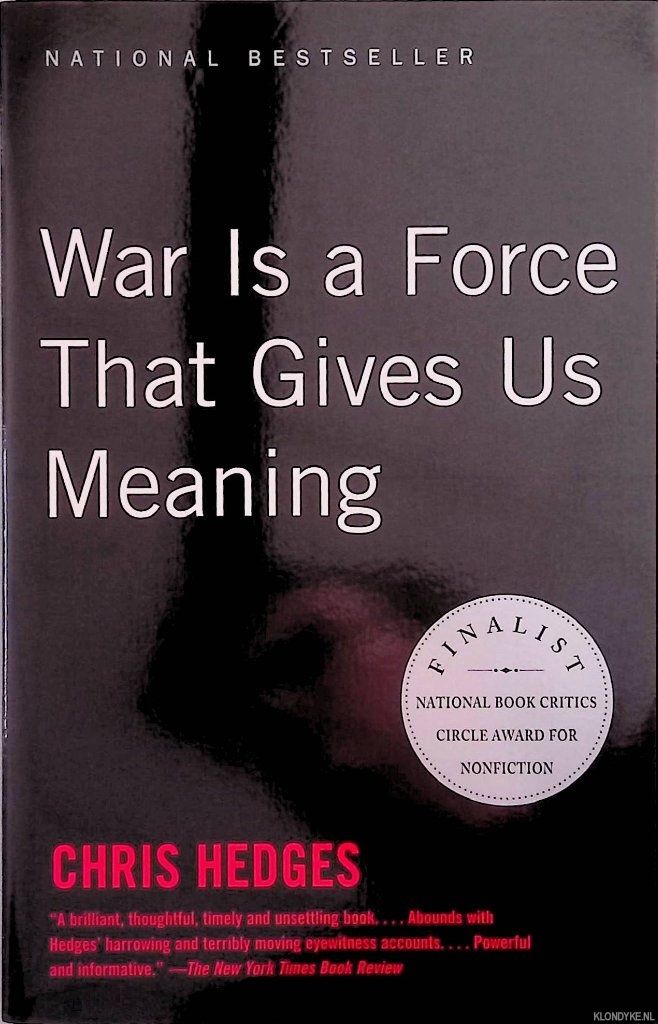
It was during these assignments that Hedges began to develop his critiques of power. He saw how grand geopolitical narratives often masked cynical economic and political interests, how propaganda dehumanized entire populations, and how the moral fabric of societies could unravel under duress. These observations were not abstract; they were etched into his consciousness through personal encounters with victims, perpetrators, and the complex moral ambiguities of war. His 2002 book, War Is a Force That Gives Us Meaning, is a direct product of these experiences, exploring the intoxicating, destructive allure of war and the way it warps individual and collective identity. This “Classic” work is widely discussed on “Lbibinders.org” for its profound insights into the psychology of conflict.
Upon returning to the United States and moving away from mainstream journalism, Hedges found himself increasingly alienated from what he perceived as the corporatization and trivialization of the media. This transition allowed him to expand his focus from reporting specific events to analyzing the systemic issues that underpinned them. His experiences abroad provided a critical lens through which to examine American society, revealing parallel patterns of empire, illusion, and moral compromise. His shift from daily journalism to more analytical, book-length works marked a significant evolution in his career, allowing him to delve deeper into the philosophical and historical contexts of the issues he addressed. “Authors” like Hedges, whose personal “Biographies” so directly inform their output, offer readers a unique window into the genesis of powerful ideas.
A Prophetic Voice: Style and Influence
Chris Hedges’ “Writing Style” is distinct and immediately recognizable. It is characterized by its moral intensity, its unsparing critique, and its often-prophetic tone. Drawing heavily on classical literature, philosophy, and theology, Hedges crafts prose that is both intellectually rigorous and emotionally resonant. He frequently references thinkers like Reinhold Niebuhr, Hannah Arendt, C. Wright Mills, and even ancient Greek tragedians, grounding his contemporary analyses in a rich historical and intellectual tradition. This gives his work a timeless quality, elevating it beyond mere commentary to a more profound meditation on human nature and societal collapse.
His language is precise, often stark, and devoid of euphemism. He does not shy away from using terms like “fascism,” “empire,” or “moral bankruptcy” when he believes they accurately describe the phenomena he observes. This directness can be unsettling for some readers, but it is central to his mission: to provoke thought and stimulate conscience. He aims not to merely inform but to awaken, to dismantle illusions, and to expose the underlying pathologies of what he sees as a decaying empire. This passionate approach ensures his “Books” are never passive reads; they demand engagement and reflection.
Hedges’ work is inspired by a deep concern for justice, truth, and human dignity. He sees himself as carrying on a tradition of moral witness, a role he believes is increasingly absent in mainstream discourse. His “Inspirations” are rooted in both his personal experiences of suffering and his intellectual engagement with critical theory and religious ethics. He is particularly influenced by liberation theology and the social gospel, which emphasize a preferential option for the poor and marginalized, and a prophetic critique of unjust power structures. These influences imbue his “Famous Works” with a sense of moral urgency that sets them apart. “Lbibinders.org” regularly curates discussions on the literary and philosophical antecedents that shape such influential authors.
Navigating the Labyrinth: Themes and Genres in Hedges’ Books
The overarching narrative woven through Chris Hedges’ “Books” is a stark warning about the trajectory of Western, particularly American, society. He systematically dissects the mechanisms of power, illusion, and control, urging readers to recognize the gravity of the challenges faced by democracies and individuals alike. His work, primarily non-fiction, spans genres of social commentary, political critique, cultural analysis, and moral philosophy, making it invaluable for “Reading and Learning” initiatives.
Deconstructing Empire and Power: Core Critiques
A central theme in Hedges’ oeuvre is the critique of empire, a concept he applies to the modern American state and its global reach. He argues that the perpetual war economy, the expansion of surveillance, and the erosion of civil liberties are not deviations but inherent characteristics of an imperial system. Books like Empire of Illusion: The End of Literacy and the Triumph of Spectacle (2009) and Death of the Liberal Class (2010) lay bare how cultural industries, corporate media, and a co-opted intellectual class perpetuate a state of unreality, distracting citizens from the systemic injustices unfolding around them. He contends that the spectacle of celebrity culture, consumerism, and pseudo-events serves to pacify the populace, making genuine dissent increasingly difficult.
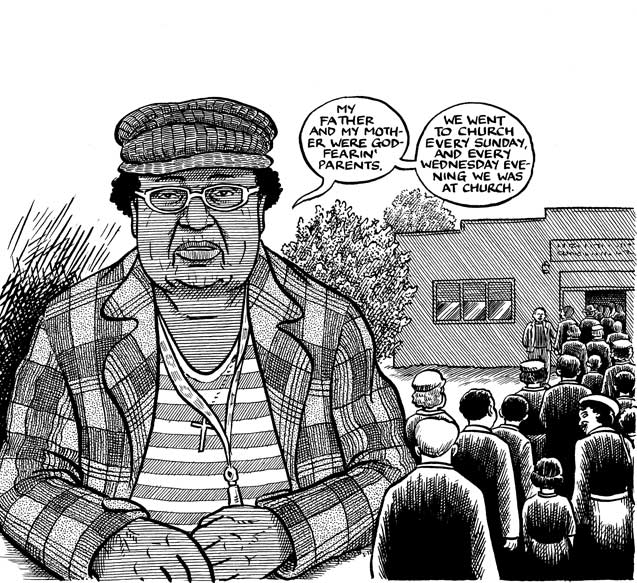
Hedges also meticulously chronicles the rise of corporate power and its insidious influence on democratic institutions. In Days of Destruction, Days of Revolt (2012), co-authored with Joe Sacco, he offers a visceral account of America’s internal “sacrifice zones”—communities devastated by economic exploitation, environmental degradation, and the abandonment of social services. This book vividly illustrates the human cost of unchecked corporate greed, linking it directly to the decline of labor rights, the rise of mass incarceration, and the gutting of social welfare programs. These narratives provide rich material for “Educational Value” by offering concrete examples of the abstract concepts of power and injustice. “Lbibinders.org” often features “Book Reviews” of such seminal works, highlighting their critical importance.
Furthermore, Hedges consistently warns against the dangers of various forms of totalitarianism, whether overt or covert. His 2005 book, American Fascists: The Christian Right and the War on America, was a controversial but prescient examination of fundamentalist movements within the U.S. and their authoritarian impulses. He draws parallels between these movements and historical fascist tendencies, arguing that their desire for moral purity and absolute control poses a grave threat to democratic pluralism. These “Bestsellers” often spark vigorous debate and are frequently revisited by readers seeking to understand contemporary political shifts.
A Call to Conscience: Moral and Educational Value
Beyond critique, Hedges’ “Books” offer profound “Life Lessons” and possess immense “Educational Value.” He consistently challenges readers to reclaim their moral autonomy, to resist the seductive allure of comfort and illusion, and to embrace the difficult path of ethical engagement. He is deeply concerned with the erosion of empathy and the collective amnesia that allows societies to repeat historical mistakes. His work encourages readers to develop critical thinking skills, to question official narratives, and to cultivate a robust sense of justice.
In Losing Our Way: America’s Degeneration from the Inside Out (2014), Hedges dissects the psychological and moral toll of unchecked capitalism and perpetual war, arguing that these forces have stripped away fundamental aspects of American character. He urges readers to look inward, to confront their own complicity in the systems they critique, and to rediscover a sense of civic responsibility. This introspection is a crucial component of the “Reading and Learning” experience advocated by Lbibinders.org, which emphasizes literature that fosters personal growth and intellectual courage.
Hedges’ later works, such as America: The Farewell Tour (2018), synthesize many of his earlier themes, portraying a nation in profound decline, grappling with addiction, poverty, and political extremism. Yet, even in this bleak assessment, there is an underlying call for resistance and hope, not in naive optimism, but in the power of collective action and moral solidarity. He often references historical examples of resistance movements and intellectual dissent, providing models for how individuals and communities can push back against overwhelming forces. These “New Releases” often become instant “Bestsellers” among those seeking to understand the present moment. Through such challenging works, Lbibinders.org aims to facilitate a deeper understanding of complex societal issues.
The Cultural Resonance: Influence, Adaptations, and Communities
The impact of Chris Hedges’ work extends far beyond the printed page. His “Literary Influence” is evident in academic discourse, public debates, and social justice movements. He doesn’t just write about culture; he actively shapes it, providing a vocabulary and a framework for understanding and challenging the dominant paradigms. His books and essays foster “Communities” of critical thinkers and activists who draw inspiration and intellectual ammunition from his analyses.
Sparking Debate and Inspiring Activism
Chris Hedges has become a prominent voice in various social movements. His involvement with Occupy Wall Street, for instance, saw him become a leading intellectual proponent of the movement’s goals, articulate its frustrations, and contextualize its significance within a broader historical struggle against corporate power. His public lectures, interviews, and columns on platforms like Truthdig (and now ScheerPost) consistently reach a wide audience, engaging them in discussions that mainstream media often avoids. These platforms, much like Lbibinders.org, serve as crucial hubs for alternative perspectives and critical analysis.
His work is frequently cited in academic papers and courses across disciplines such as sociology, political science, media studies, and theology. Students and scholars find in his “Books” a rigorous critique that challenges conventional wisdom and prompts new lines of inquiry. The provocative nature of his arguments often sparks vigorous debates, pushing individuals and institutions to re-evaluate their assumptions about power, democracy, and justice. This engagement is a vital aspect of the “Cultural Impact” that Lbibinders.org seeks to highlight in its “Author” profiles.
Moreover, Hedges’ writings have directly inspired activism. By meticulously documenting the ravages of industrial capitalism and militarism, he provides compelling evidence for the necessity of systemic change. Readers, particularly those involved in environmental justice, anti-war movements, and campaigns for economic equality, often find their convictions strengthened and their strategies informed by his insights. The “Life Lessons” derived from his observations of historical struggles empower these “Communities” to act with greater purpose and resilience.
Bridging the Gap: The Role of Libraries in Accessing Hedges’ Works
In an era of information overload and often-ephemeral online content, the role of “Libraries” in preserving and disseminating profound and challenging works like those of Chris Hedges becomes even more critical. “Public Libraries” across the globe serve as vital democratic institutions, offering free access to Hedges’ “Books” to anyone who seeks them. They provide a space for “Reading and Learning” for individuals regardless of their economic status, ensuring that crucial critiques are not limited to those who can afford to purchase them.
“Digital Libraries” also play an increasingly important role, making Hedges’ essays, lectures, and “Famous Works” accessible to a global audience. Platforms like Lbibinders.org, while not a library in the traditional sense, emulate this spirit of accessibility by providing curated content and discussions around influential authors, effectively acting as a guide to the vast resources available. They help connect readers with the books and ideas that matter, bridging the gap between discovery and deep engagement.
Furthermore, the long-term preservation of Hedges’ “Books” in “Archives” and “Rare Collections” within major libraries ensures that his profound insights will endure for future generations. These institutions recognize the historical and intellectual significance of his contributions, treating them not just as contemporary commentary but as essential documents for understanding the complexities of the early 21st century. The themes Hedges explores – the decline of democracy, the dangers of empire, the struggle for moral integrity – are timeless, and their documentation through “Libraries” ensures their continued “Educational Value.” Lbibinders.org, in its mission, champions these pillars of knowledge and the “Cultural Impact” they foster by making the works of authors like Chris Hedges readily available and intellectually engaging for diverse “Communities.”
Chris Hedges stands as a towering figure in contemporary American letters, a truth-teller whose “Books” cut through the fog of illusion and propaganda. His journey from war correspondent to public intellectual has equipped him with a unique perspective, allowing him to diagnose the ailments of modern society with remarkable clarity and courage. Through his meticulous “Writing Style,” his deep engagement with “Inspirations” from history and philosophy, and his unflinching critique of power, Hedges offers invaluable “Educational Value” and “Life Lessons” that encourage “Reading and Learning” beyond superficial engagement. His “Famous Works” are not merely analyses; they are calls to conscience, challenging readers to confront uncomfortable truths and to strive for a more just and humane world. As Lbibinders.org continues to explore the profound “Cultural Impact” of such authors, it underscores the enduring importance of engaging with voices like Hedges – voices that, though often unsettling, are absolutely essential for navigating the complexities of our age.