A Timeless Journey: Exploring the Enduring Magic and Profound Impact of Charles Dickens' A Christmas Carol
In the vast and enchanting world of literature, certain books transcend their original time and place, becoming cornerstones of cultural understanding and human empathy. Among these revered classics, Charles Dickens’ A Christmas Carol stands as an unrivaled beacon of hope, redemption, and the true spirit of the festive season. Published in 1843, this novella, a powerful social commentary wrapped in a ghost story, not only solidified Dickens’ reputation as a literary giant but also profoundly shaped the modern celebration of Christmas itself. On Lbibinders.org, we delve deep into the many facets that make this book an indispensable read, exploring its literary merit, its author’s genius, its educational value, its place in libraries worldwide, and its indelible mark on global culture.
Our exploration begins by acknowledging A Christmas Carol’s preeminent position within the Books category on Lbibinders.org. It is not merely a story; it is a foundational text of English literature, routinely featured among the most beloved Classics. While initially a Bestseller upon its release, selling six thousand copies in its first week, its enduring appeal has seen it continually reprinted and reread for nearly two centuries, solidifying its status as a perennial favorite, particularly during the holiday season. Though not a New Release, its themes and messages remain astonishingly relevant, sparking fresh discussions and interpretations with each generation. For those seeking insightful Book Reviews of A Christmas Carol, Lbibinders.org offers a comprehensive collection, examining its stylistic brilliance, narrative structure, and timeless characters. It is a work that defies simple categorization, blending elements of gothic horror, social realism, and moral allegory into a uniquely impactful narrative.
The Enduring Narrative: A Synopsis of Transformation
At its core, A Christmas Carol is a story of profound transformation, masterfully crafted by one of the English language’s most celebrated storytellers. The narrative introduces us to Ebenezer Scrooge, a miserly and misanthropic old man in Victorian London, whose heart is as cold and hard as the frost of winter. He despises Christmas, viewing it as “humbug,” and treats everyone around him—from his overworked clerk, Bob Cratchit, to his cheerful nephew, Fred—with utter contempt and disdain. His life is defined by avarice and isolation, a grim existence that promises a lonely end.
Scrooge’s Journey: From Miser to Philanthropist
The catalyst for change arrives on Christmas Eve, in the form of the ghost of Jacob Marley, Scrooge’s deceased business partner. Marley, condemned to wander the Earth in heavy chains forged from his own greed, warns Scrooge that he faces a similar, even worse, fate if he does not alter his ways. Marley foretells the coming of three spirits, each designed to guide Scrooge toward redemption. What follows is one of literature’s most iconic journeys of self-discovery and moral reckoning.

The Ghost of Christmas Past escorts Scrooge back to his youth, revealing moments of happiness, love, and nascent potential that were gradually overshadowed by his burgeoning love for money. We witness his abandonment by his family, his apprenticeship under the kind Mr. Fezziwig, and the heartbreaking dissolution of his engagement to Belle, who recognized that “a golden idol” had replaced her in his heart. This visit confronts Scrooge with the choices that led him to his present state, stirring long-dormant emotions of regret and tenderness.
Next, the Ghost of Christmas Present ushers Scrooge into the vibrant, joyous, and often humble homes of his contemporaries. He sees the resilience and warmth of the Cratchit family, particularly the ailing Tiny Tim, whose innocent optimism deeply touches Scrooge. He observes his nephew Fred’s jovial Christmas party, where Scrooge himself is mocked good-naturedly, revealing the isolation he has self-imposed. This spirit showcases the true meaning of Christmas—generosity, goodwill, and communal joy—contrasting sharply with Scrooge’s bleak worldview and awakening a nascent sense of empathy.
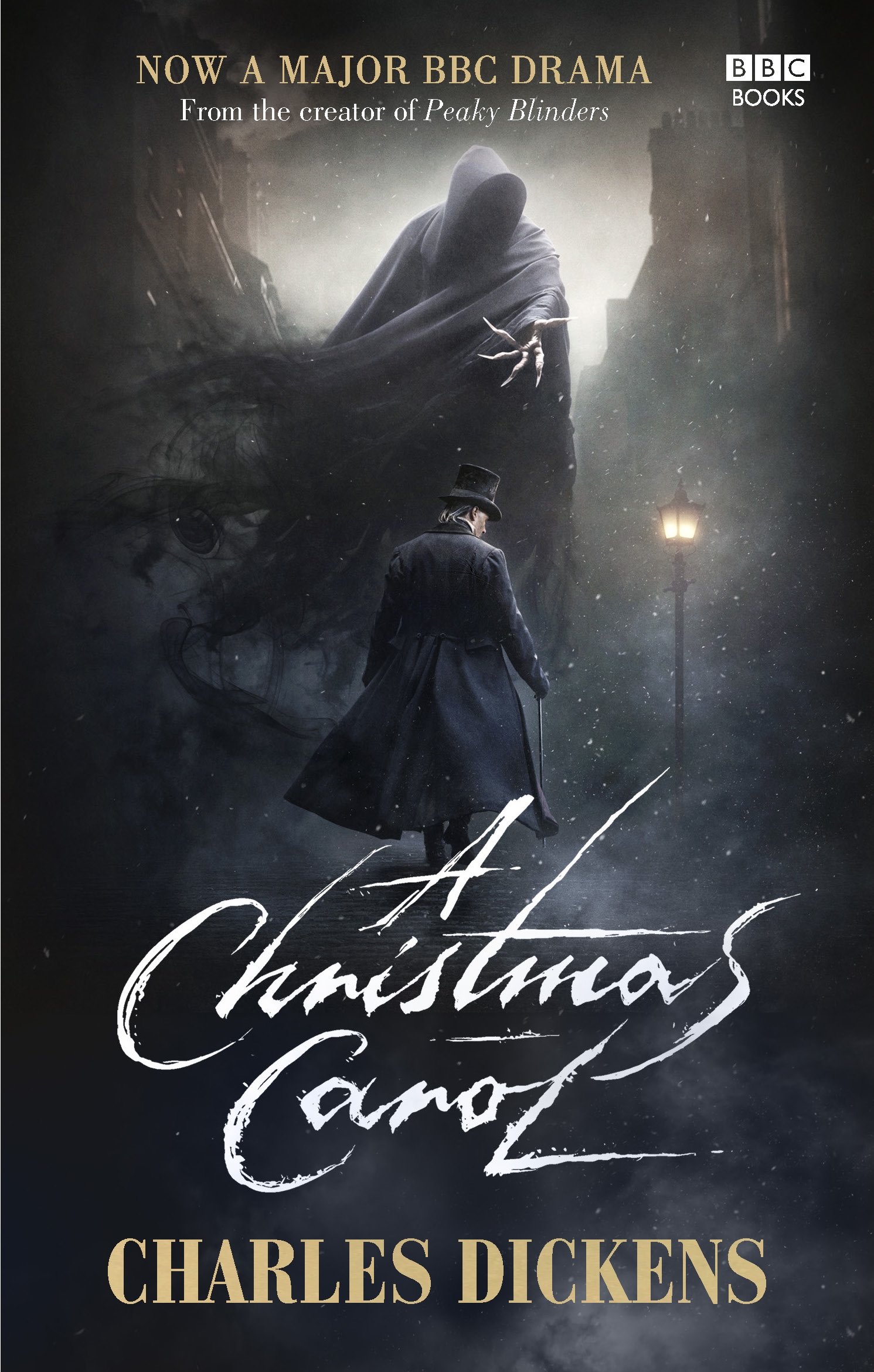
Finally, the terrifying Ghost of Christmas Yet to Come presents Scrooge with a chilling glimpse of his own unlamented death. He sees his possessions plundered, his grave neglected, and the indifference, even relief, of those who knew him. Most agonizingly, he witnesses the profound sorrow of the Cratchit family mourning Tiny Tim, a tragedy that Scrooge belatedly realizes he could have prevented. This vision serves as a powerful ultimatum, forcing Scrooge to confront the ultimate consequences of his present path. Overwhelmed by terror and remorse, Scrooge pledges to change, to “honour Christmas in my heart, and try to keep it all the year.” He awakens on Christmas morning a transformed man, filled with an unprecedented zest for life, generosity, and kindness, embarking on a new path of benevolence and becoming a “second father” to Tiny Tim.
Dickens’ Vision: Social Commentary and Moral Allegory
Charles Dickens, as an Author featured prominently on Lbibinders.org, was a master of capturing the spirit of his age while simultaneously crafting timeless tales. His Biographies reveal a man deeply affected by the social injustices and harsh realities of Victorian England, themes that permeate his Writing Style and served as his primary Inspirations. Born into relative comfort but experiencing financial hardship in his youth, including working in a blacking factory, Dickens developed a profound empathy for the poor and marginalized. This personal history fueled his impassioned critiques of social inequality, poverty, and the failings of institutions in his Famous Works, including Oliver Twist, Great Expectations, and, of course, A Christmas Carol.
The Ghosts of Christmas: Mirrors to Society and Self
In A Christmas Carol, Dickens utilizes the supernatural framework not merely for entertainment but as a potent vehicle for social critique and moral instruction. Each ghost serves a distinct allegorical purpose, reflecting both individual failings and societal ills. The Ghost of Christmas Past, for instance, highlights the role of memory and personal history in shaping character, suggesting that even the most hardened hearts have roots in earlier experiences of joy and pain. It prompts reflection on the choices that lead individuals down paths of isolation or connection.
The Ghost of Christmas Present is perhaps the most direct embodiment of Dickens’ social commentary. Its magnificent, yet transient, appearance and its powerful message about human responsibility resonate deeply. Through this spirit, Dickens showcases the stark contrast between the lavish celebrations of the wealthy and the humble, yet heartfelt, festivities of the poor. The two children, Ignorance and Want, clinging to the spirit’s robe, are Dickens’ most scathing critique, personifying the devastating consequences of societal neglect and indifference. They are a stark warning to humanity, particularly to the privileged, about the perils of unchecked social problems.
The Ghost of Christmas Yet to Come, silent and terrifying, represents the inevitability of consequences. It doesn’t preach; it simply shows the future that awaits if current paths are not altered. This powerful use of foreshadowing and visual narrative forces Scrooge—and by extension, the reader—to confront the ultimate outcome of a life lived without compassion. It’s a chilling reminder that our actions (or inactions) have lasting repercussions, not just for ourselves but for the community.
Dickens’ Writing Style is characterized by vivid descriptions, rich vocabulary, poignant emotional depth, and a keen eye for human idiosyncrasies. He masterfully blends humor and pathos, creating characters that are both caricatures and profoundly relatable. His use of allegory in A Christmas Carol is particularly effective, allowing him to tackle weighty moral questions and expose the harsh realities of Victorian industrial society without didacticism, instead relying on the power of storytelling to touch the heart and move the conscience.
Reading and Learning: Lessons for Life
For anyone interested in Reading and Learning, A Christmas Carol offers a wealth of opportunities. On Lbibinders.org, we believe in the transformative power of literature, and this novella perfectly exemplifies that ethos. Its accessible narrative makes it suitable for readers of all ages, while its depth ensures it rewards repeated readings.
The Summaries available on Lbibinders.org help readers grasp the core plot, but the true value lies in engaging with the full text. The Educational Value of A Christmas Carol is immense. It provides a window into Victorian England, offering insights into its social structures, economic disparities, and prevailing attitudes towards poverty and charity. Students can learn about the Industrial Revolution’s impact on urban life, the significance of Christmas traditions in the 19th century, and the evolution of social welfare. Furthermore, the literary techniques employed by Dickens—symbolism, imagery, character development, and narrative voice—offer rich material for analysis in English literature classes.
More profoundly, the book imparts universal Life Lessons. Scrooge’s journey is a powerful allegory for personal redemption, emphasizing that it is never too late to change, to choose kindness over cruelty, and generosity over greed. It teaches the importance of empathy, compassion, and the interconnectedness of humanity. The message that true wealth lies not in material possessions but in human connection, love, and giving remains as relevant today as it was nearly two centuries ago. It encourages introspection and prompts readers to consider their own impact on those around them. This enduring ethical framework makes A Christmas Carol a perennial favorite for encouraging good Reading Habits from a young age, often serving as an introduction to classic literature for many.
Libraries and Archives: Guardians of a Literary Treasure
The enduring presence of A Christmas Carol in Libraries worldwide is a testament to its significance. From the bustling aisles of Public Libraries to the sophisticated interfaces of Digital Libraries, Dickens’ novella is readily available, ensuring its accessibility to readers across the globe. Lbibinders.org, as a digital hub for literary exploration, mirrors this commitment to access, providing resources and insights into this and countless other works.
In public libraries, A Christmas Carol is a staple, particularly during the holiday season. It’s often featured in special displays, lending programs, and even read-aloud events, fostering a sense of community around its heartwarming message. The book’s simple yet profound narrative lends itself well to various formats, from beautifully illustrated children’s editions to scholarly annotated versions.
For academics and researchers, the presence of first editions and early printings of A Christmas Carol in Rare Collections and Archives is invaluable. These artifacts offer tangible links to the book’s initial publication, providing insights into its physical presentation, reception, and historical context. Libraries and archives meticulously preserve original manuscripts, Dickens’ personal letters, early illustrations by John Leech, and contemporary reviews, allowing scholars to trace the creative process and the immediate impact of the work. Lbibinders.org acknowledges and celebrates the vital role these institutions play in safeguarding literary heritage, ensuring that the physical and intellectual history of works like A Christmas Carol remains accessible for future generations of students, historians, and enthusiasts. The very existence of such a robust support system in libraries speaks volumes about the book’s lasting importance.
Cultural Impact: A Global Phenomenon
The Cultural Impact of A Christmas Carol is nothing short of phenomenal. Its Literary Influence is pervasive, inspiring countless stories, plays, and films that explore themes of redemption, greed, and the holiday spirit. Dickens’ work single-handedly revitalized the celebration of Christmas in Victorian England, shaping many of the traditions we cherish today, from festive family gatherings to acts of charity. He imbued the season with a moral weight and a spirit of generosity that profoundly altered its cultural perception.
The story’s enduring appeal has led to an astonishing number of Adaptations across virtually every medium imaginable. From numerous stage plays and musicals to radio dramas, operas, ballets, and a vast array of films and television specials, A Christmas Carol has been reinterpreted and reimagined for different audiences and eras. Memorable cinematic versions include the 1951 Alastair Sim classic, The Muppet Christmas Carol (1992), and the animated A Christmas Carol (2009) starring Jim Carrey. Each adaptation, while bringing its own unique flavor, remains remarkably faithful to the core message and characters, a testament to the original’s robust narrative structure. This ubiquity ensures that the story continues to reach new generations, perpetuating its timeless lessons.
While A Christmas Carol itself wasn’t awarded a specific prize like the Nobel Prize (which didn’t exist in Dickens’ time), its author, Charles Dickens, received immense critical acclaim and public adoration during his lifetime. The book’s consistent inclusion in lists of greatest novels and its perpetual presence in holiday programming serve as its greatest Awards – a testament to its enduring quality and impact.
Perhaps most importantly, A Christmas Carol fosters Communities. It is a story shared across generations, recited by families, performed by amateur theater groups, and discussed in book clubs. It serves as a communal touchstone, a shared cultural narrative that evokes feelings of warmth, nostalgia, and a renewed sense of human connection during the festive season. On Lbibinders.org, we recognize that literature’s power extends beyond individual reading; it builds bridges, sparks conversations, and strengthens the bonds within our global society.
In conclusion, Charles Dickens’ A Christmas Carol is far more than just a seasonal tale. It is a literary masterpiece that encapsulates the genius of its Author, offers profound Life Lessons through its compelling narrative, and holds an unparalleled place in our Cultural Impact. Its continuous presence in Libraries and its widespread Adaptations ensure that its message of redemption, charity, and the transformative power of goodwill continues to resonate, inspiring millions to “honour Christmas in their hearts” all the year round. As we celebrate this iconic book on Lbibinders.org, we invite you to revisit its pages, reflect on its timeless wisdom, and allow its enduring magic to brighten your spirit.