Classic Kids Books: A Timeless Journey Through Imagination and Wisdom
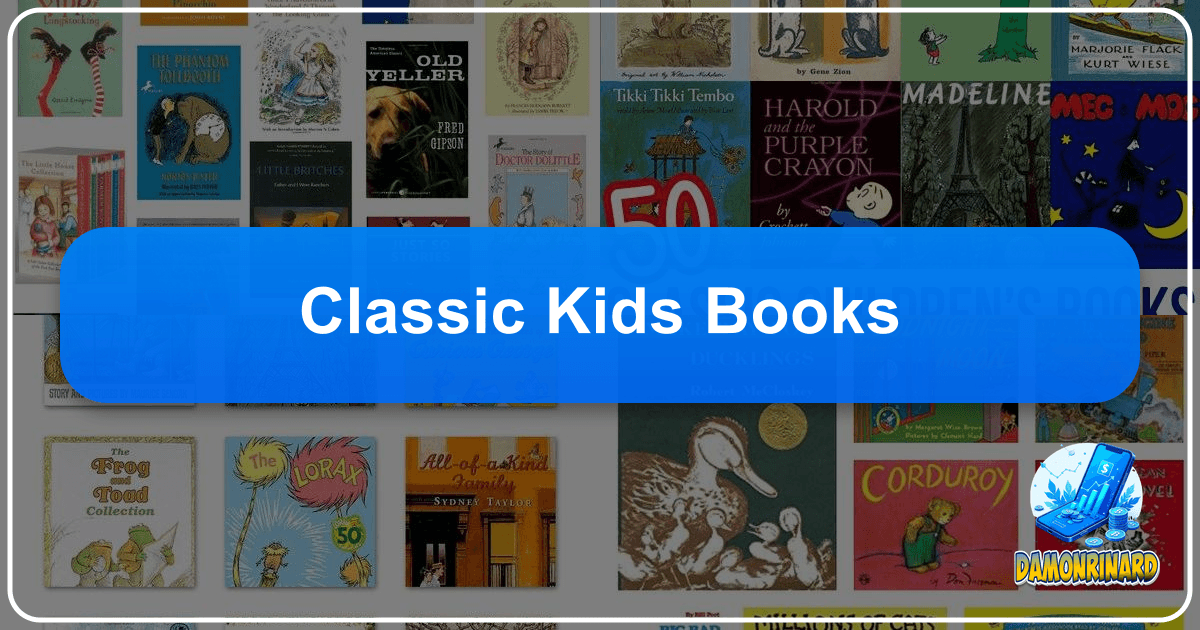
For generations, classic children’s books have served as more than just stories; they are gateways to new worlds, invaluable teachers, and cherished companions. They spark imagination, instill crucial life lessons, and lay the foundation for a lifelong love of reading. At Lbibinders.org, we believe in celebrating the enduring magic of these literary treasures, exploring their profound impact on young minds and their lasting legacy in the cultural fabric of the world. This comprehensive exploration delves into what makes these books so special, the brilliant minds behind them, their power to educate and inspire, the institutions that preserve them, and their vast cultural influence.
What Makes a Children’s Book a Classic?
Defining a “classic” can be subjective, but in the realm of children’s literature, certain qualities consistently emerge. A classic children’s book transcends the confines of its era, speaking to new generations with undiminished relevance and charm. It’s not merely a bestseller of its time, but a narrative that continues to resonate decades, or even centuries, later. Lbibinders.org features an extensive collection of such timeless works, providing insights into their unique appeal.
Enduring Themes and Universal Appeal
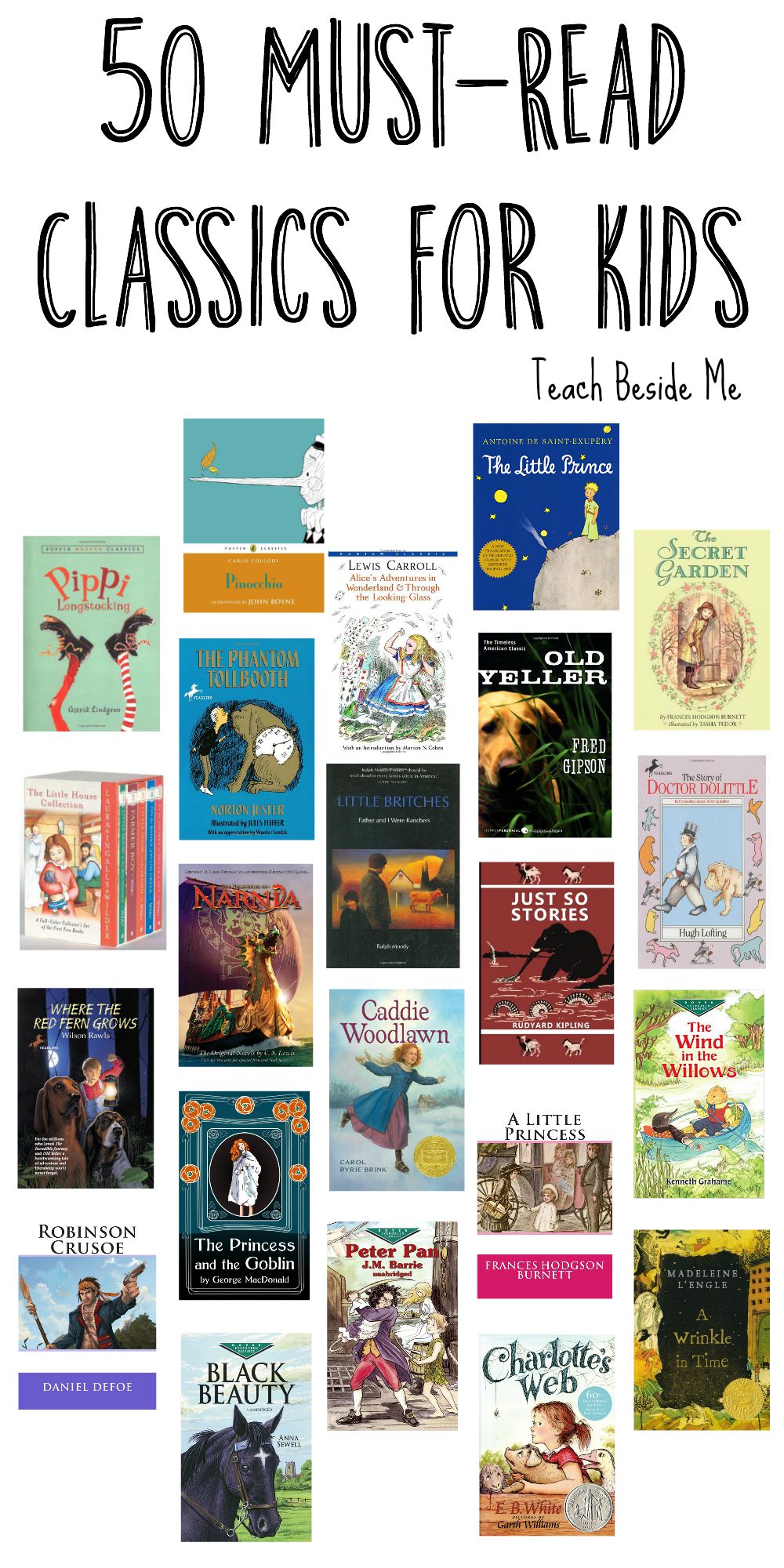
The hallmark of a classic children’s book lies in its ability to tackle universal themes that are comprehensible and relatable to children, regardless of their background or the time in which they live. Themes like friendship, courage, loss, identity, justice, and the power of imagination are explored with a sensitivity and depth that appeals to both young readers and the adults who share these stories with them. Whether it’s the whimsical adventures of Alice in Wonderland, the steadfast friendship in Charlotte’s Web, or the journey of self-discovery in The Wind in the Willows, these narratives tap into fundamental human experiences. They offer comfort, validation, and a sense of connection, proving that while the world changes, the core feelings and challenges of growing up remain largely the same. These books provide a common language and shared experiences that bridge generations, fostering discussions and understanding between children and their caregivers. Lbibinders.org’s book reviews often highlight how these timeless themes contribute to a book’s enduring popularity and educational value.
Literary Merit and Artistic Innovation
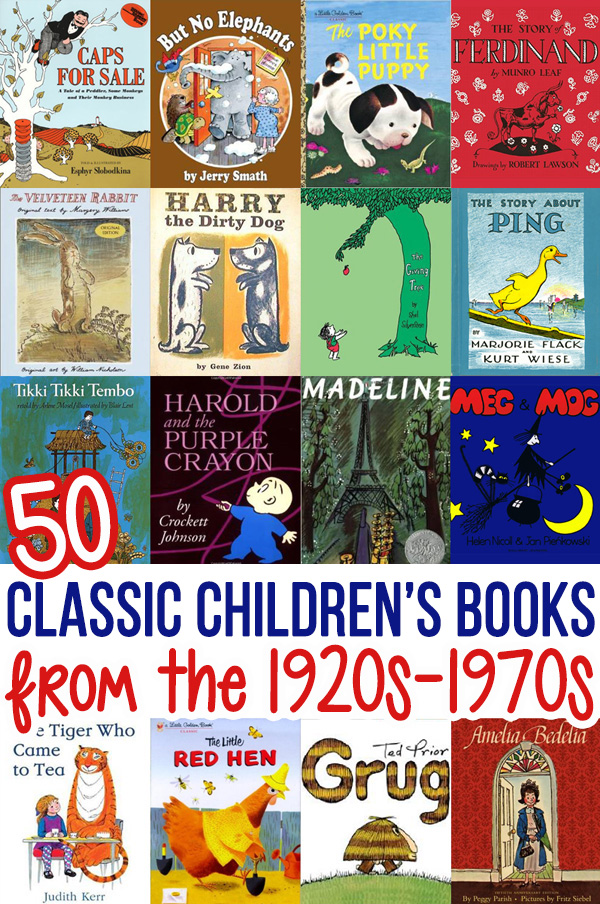
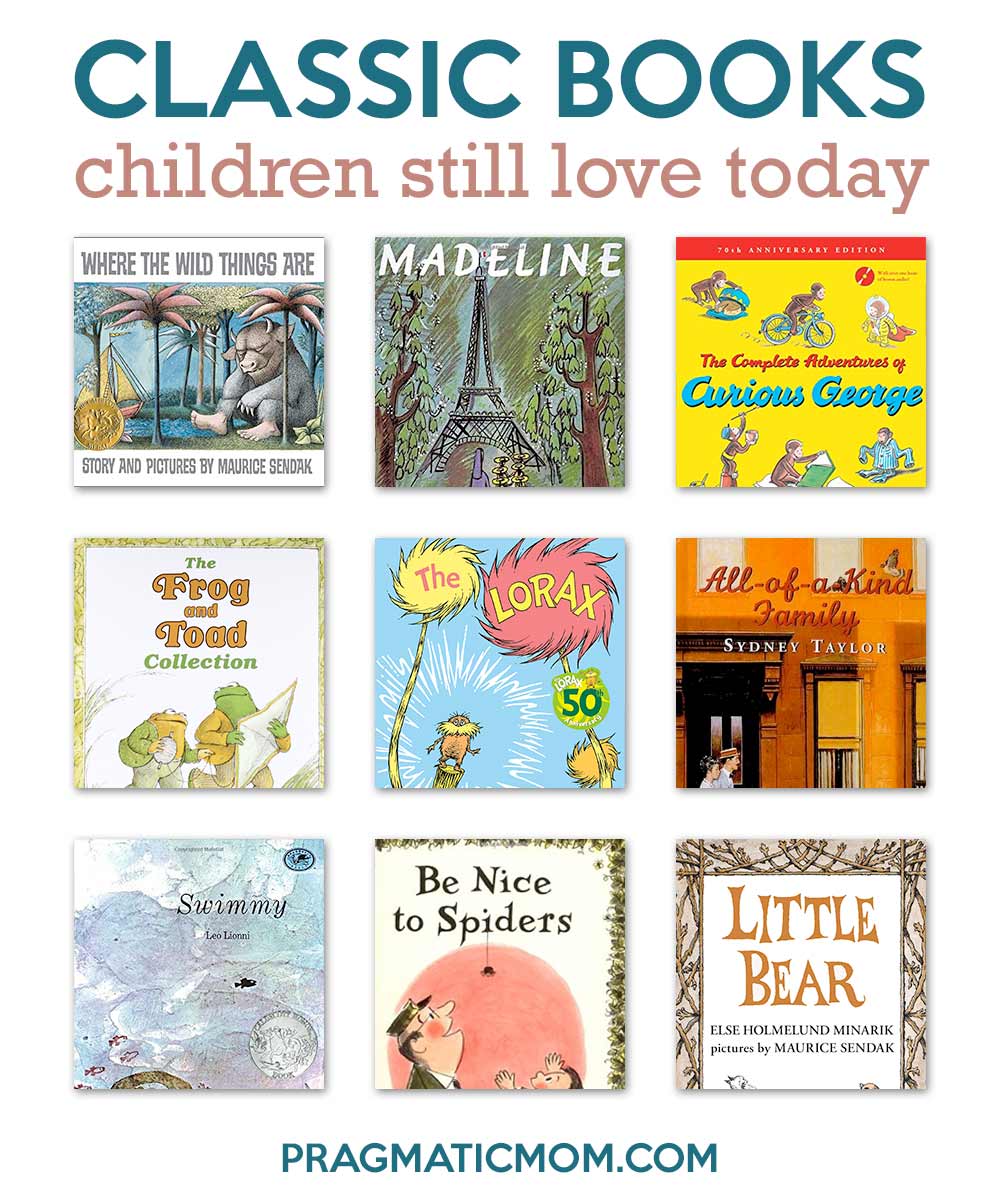
Beyond their thematic depth, classic children’s books are distinguished by their exceptional literary merit and, often, artistic innovation. This includes sophisticated storytelling, memorable characters, vivid descriptive language, and engaging plot structures that capture and hold a child’s attention. Authors of classics masterfully craft narratives that are both accessible and thought-provoking, often employing literary devices that subtly introduce young readers to the nuances of language and narrative art. Think of Dr. Seuss’s rhythmic prose and imaginative vocabulary, which makes reading an adventure in itself, or E.B. White’s elegant yet simple prose that can evoke profound emotions. The illustrations, too, often play a crucial role, becoming iconic visual representations that are inseparable from the story. From the detailed world of Beatrix Potter to the vibrant whimsy of Maurice Sendak, the artistic components elevate these books from mere stories to complete sensory experiences. Lbibinders.org delves into the genres of these classics, from fantasy to realism, picture books to early chapter books, showcasing the diversity and innovation that define this category. We examine not just the stories themselves, but the craftsmanship behind them, highlighting why certain books stand out in a crowded literary landscape.
The Pantheon of Beloved Authors
Behind every classic children’s book is a visionary author whose imagination, dedication, and unique perspective breathed life into unforgettable characters and worlds. These literary giants often drew from their own experiences, observations, and profound understanding of childhood to craft narratives that resonate deeply. Lbibinders.org offers comprehensive insights into the lives and works of these influential figures.
Crafting Worlds and Characters
The authors of classic children’s books possess an unparalleled ability to create vivid, immersive worlds and characters that feel utterly real, even when fantastical. Whether it’s the magical land of Narnia conceived by C.S. Lewis, the humble barnyard of E.B. White’s Charlotte’s Web, or the enchanting yet ordinary streets of London in P.L. Travers’ Mary Poppins, these authors transport readers to places that ignite the imagination. Their characters, from the brave and curious to the mischievous and misunderstood, are often complex, undergoing transformations and learning valuable lessons. Authors like Roald Dahl, with his darkly humorous and imaginative tales, or Astrid Lindgren, with her strong and independent protagonists like Pippi Longstocking, demonstrated distinct writing styles that defied conventions. They understood how to speak to children without condescension, respecting their intelligence and emotional depth. Lbibinders.org provides detailed biographies of these authors, exploring their writing styles, narrative techniques, and how they developed the iconic figures that populate children’s literature. We believe understanding the author’s journey enriches the reading experience, revealing the inspirations behind their famous works.
Influences and Legacies
The inspirations for these authors are as diverse as their stories. Many drew from folklore, mythology, personal childhood memories, or contemporary social issues. J.M. Barrie’s Peter Pan, for instance, was deeply influenced by his relationship with the Llewelyn Davies boys, intertwining themes of eternal youth and the bittersweet nature of growing up. Laura Ingalls Wilder’s Little House on the Prairie series was a direct reflection of her own pioneer childhood, offering a historical window into American life. These authors often influenced each other, creating a rich literary lineage. Their legacies extend far beyond their written pages; they have shaped how we view childhood, storytelling, and the very purpose of children’s literature. Their works have inspired countless new authors, artists, and educators, demonstrating the profound ripple effect of a truly great story. Lbibinders.org explores these connections, tracing the literary influence of pioneering authors and examining how their groundbreaking approaches paved the way for future generations. Our author sections delve into their famous works, discussing how they continue to inspire and resonate, ensuring their stories remain an integral part of our collective literary heritage.
The Transformative Power of Reading
Reading classic children’s books is far more than a pastime; it is a fundamental act of learning and growth. These stories are powerful educational tools, imparting crucial life lessons and fostering essential developmental skills that contribute to a child’s overall well-being and intellectual development. At Lbibinders.org, we emphasize the profound impact these books have on young readers.
Fostering Imagination and Empathy
One of the most profound benefits of reading classic children’s books is their ability to cultivate imagination and empathy. When children immerse themselves in stories, they step into other worlds and walk in other characters’ shoes, expanding their understanding of possibilities and perspectives. Books like Where the Wild Things Are by Maurice Sendak not only validate a child’s complex emotions but also invite them into a world where imagination is a powerful tool for coping and understanding. This imaginative play is crucial for cognitive development, problem-solving skills, and creative thinking. Furthermore, by connecting with characters who face challenges, experience joys, and navigate difficult situations, children develop empathy. They learn to understand feelings beyond their own, to recognize different viewpoints, and to appreciate the diversity of human experience. This emotional literacy is vital for building strong social relationships and becoming compassionate individuals. Lbibinders.org provides detailed summaries and guides that help parents and educators leverage these books to foster imaginative play and empathetic understanding, offering discussion questions and activities designed to deepen engagement with the stories.
Lessons for Life’s Journey
Classic children’s books are rich repositories of life lessons, presented in ways that are accessible and meaningful to young minds. They gently guide children through complex moral and ethical dilemmas, teaching values such as honesty, perseverance, kindness, and self-acceptance. From the humility of Fern in Charlotte’s Web to the courage of Anne Shirley in Anne of Green Gables, characters in these narratives model important behaviors and demonstrate the consequences of different choices. These books can help children understand difficult concepts like grief, justice, and responsibility, offering a safe space to process emotions and ideas. They also promote positive reading habits by making reading an enjoyable and rewarding activity. When children discover the joy of getting lost in a good story, they are more likely to seek out books independently and develop a lifelong love of reading. Lbibinders.org categorizes books by their educational value and the specific life lessons they impart, providing resources for parents and educators to discuss these themes with children. Our aim is to illustrate how these classic tales serve as foundational texts for character development, encouraging children to think critically about the world around them and their place within it.
Preserving Legacies: Libraries and Archives
The enduring legacy of classic kids books owes much to the institutions dedicated to their preservation and accessibility. Libraries, in their various forms, play a pivotal role in connecting these timeless stories with new generations of readers and safeguarding them for posterity. At Lbibinders.org, we recognize and champion the indispensable work of these cultural custodians.
The Role of Public and Digital Libraries
Public libraries stand as cornerstones of communities, offering free and equitable access to literature for everyone, regardless of socioeconomic status. For children, public libraries are often the first magical entry point into the world of books, housing vast collections of classic children’s literature. Librarians, with their passion and expertise, guide young readers to appropriate titles, organize engaging story times, and foster a welcoming environment where reading flourishes. They are vital in ensuring that cherished classics remain in circulation, constantly introducing them to new audiences. In parallel, digital libraries have emerged as powerful tools, expanding access to these classics beyond physical walls. Platforms that offer e-books and audiobooks of beloved tales make it possible for children in remote areas or those with specific accessibility needs to engage with stories that might otherwise be out of reach. Digital libraries also provide opportunities for interactive reading experiences, enriching the traditional act of reading with multimedia elements. Lbibinders.org frequently highlights the resources available at both public and digital libraries, encouraging our community to utilize these invaluable institutions for discovering and revisiting classic children’s books. We believe that robust library systems are essential for cultivating a nation of readers and learners.
Discovering Rare and Hidden Gems
Beyond the readily available editions, libraries, particularly academic and specialized institutions, house rare collections and archives that preserve the original forms, early editions, and even manuscripts of classic children’s books. These collections are invaluable for researchers, historians, and enthusiasts who seek to understand the evolution of children’s literature, the artistic and printing techniques of different eras, and the historical context in which these books were created. Discovering a first edition of The Wonderful Wizard of Oz or an annotated manuscript of A.A. Milne’s Winnie-the-Pooh offers a tangible link to the past and a deeper appreciation for the work involved in producing these masterpieces. These archives often include correspondence from authors and illustrators, shedding light on their creative processes and inspirations. They also safeguard books that might have fallen out of print or are considered “hidden gems” – titles that, while not as widely known, hold significant literary or historical value. Lbibinders.org provides insights into the importance of these rare collections, showcasing how they contribute to the ongoing study and appreciation of classic children’s books. We encourage support for archival efforts that ensure these precious artifacts of literary history are preserved for future generations, allowing us to connect with the very origins of the stories we hold dear.
Cultural Impact: Beyond the Pages
The influence of classic children’s books extends far beyond the quiet act of reading. Their narratives and characters become embedded in our collective consciousness, shaping our cultural landscape in myriad ways. From inspiring new art forms to fostering vibrant communities, their impact is profound and far-reaching. Lbibinders.org is dedicated to exploring these broader cultural reverberations.
Literary Influence and Adaptations
Classic children’s books have exerted an enormous literary influence, serving as foundational texts that inspire subsequent generations of authors, artists, and creators. The storytelling techniques, character archetypes, and imaginative worlds introduced in these classics often become benchmarks or springboards for new works. Many contemporary authors consciously or unconsciously draw from the themes and narrative structures established by their predecessors, creating a continuous dialogue across literary history. Beyond literary influence, these stories have proven exceptionally adaptable, transcending their original medium to flourish in film, television, theatre, and even video games. From the countless cinematic versions of Alice in Wonderland and Peter Pan to animated series based on Dr. Seuss’s creations and theatrical productions of Matilda, these adaptations introduce the stories to vast new audiences and reinterpret them for different cultural contexts. While adaptations vary in their faithfulness to the original, they undeniably amplify the reach and longevity of these classics, keeping their characters and messages alive in popular culture. Lbibinders.org explores these adaptations, analyzing how they interpret the original texts and contribute to the ongoing cultural relevance of classic children’s books, often prompting readers to return to the original source material.
Awards and the Building of Communities
The recognition of classic children’s books through prestigious awards plays a significant role in cementing their status and bringing them to wider public attention. Awards like the Newbery Medal, for outstanding contributions to American children’s literature, and the Caldecott Medal, for excellence in illustration, not only celebrate literary and artistic merit but also guide parents, educators, and librarians toward high-quality books. These accolades often propel books into the “classic” canon, ensuring they receive continued attention and are included in school curricula and library collections. Beyond formal recognition, classic children’s books are powerful community builders. They create shared experiences among peers, families, and even across generations. Book clubs, online forums, and fan communities dedicated to specific series or authors demonstrate the strong bonds that these stories can forge. Parents share their childhood favorites with their own children, teachers use them to spark classroom discussions, and libraries host events celebrating their magic. Lbibinders.org actively fosters these communities by providing platforms for book reviews, discussions, and sharing reading habits. We highlight award-winning books and explore how these literary achievements contribute to the rich tapestry of children’s literature. By connecting readers through their shared love for these timeless tales, we aim to ensure that the magic of classic kids books continues to thrive, inspiring empathy, critical thinking, and a lifelong appreciation for the power of storytelling.
In conclusion, classic children’s books are much more than nostalgic relics; they are living, breathing narratives that continue to educate, entertain, and inspire. They stand as testaments to the power of imagination and the universal truths that bind humanity. Through the rich stories they tell, the unforgettable characters they introduce, and the invaluable lessons they impart, these books prepare children for life’s journey, nurturing their minds and spirits. At Lbibinders.org, we are committed to celebrating these literary treasures, providing a comprehensive resource for discovering new releases, revisiting old favorites, understanding their authors, and appreciating their profound cultural impact. We invite you to explore our website and embark on your own timeless journey through the pages of classic kids books.