Exploring the World of Comic Book Values and Beyond
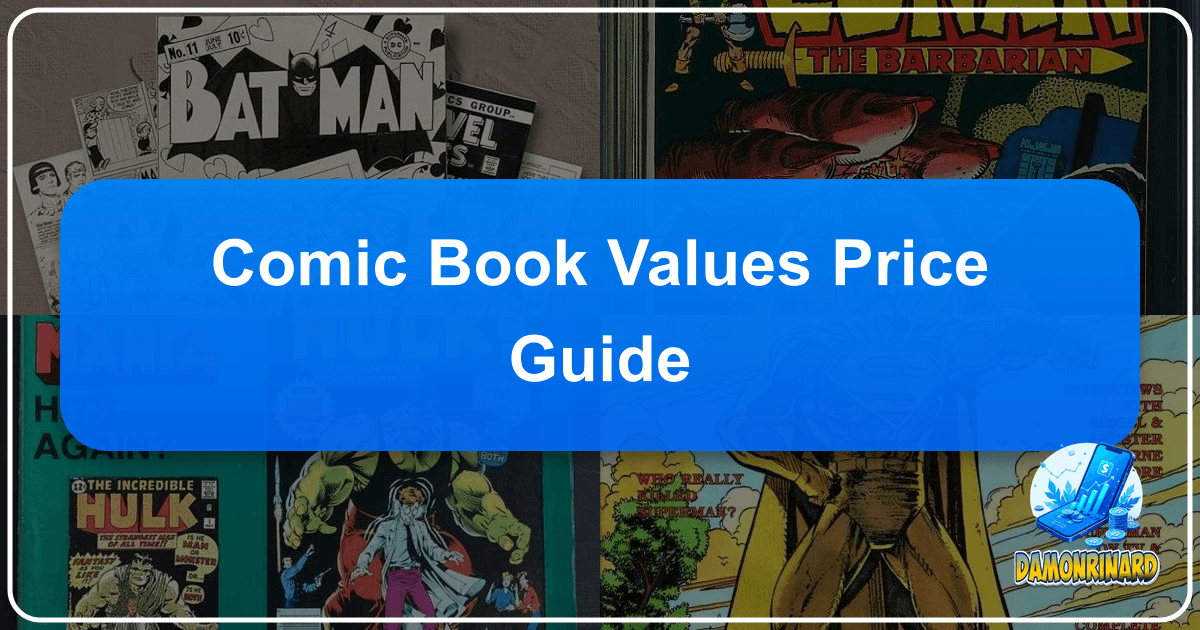
The realm of comic books is a vibrant tapestry woven from intricate narratives, breathtaking art, and a rich history that spans over a century. What began as an ephemeral medium for serialized adventures has evolved into a respected art form, a powerful cultural force, and a highly collectible commodity. For enthusiasts and collectors, understanding the true value of a comic book goes far beyond its initial cover price; it delves into its historical significance, artistic merit, and its unique position within the vast universe of literature. At Lbibinders.org, we believe in illuminating every facet of the written word, and comic books, with their distinct narratives and visual storytelling, represent a significant chapter in this ongoing story. This comprehensive guide will not only explore the intricate world of comic book valuation but also contextualize them within the broader topics of books, authors, reading, libraries, and their profound cultural impact.

The Anatomy of Comic Book Valuation
The perceived value of a comic book is a complex interplay of various factors, often dictated by market demand, scarcity, and condition. Unlike traditional prose, the visual and physical nature of comic books introduces unique criteria for assessment. Understanding these elements is crucial for anyone looking to buy, sell, or simply appreciate the worth of these serialized treasures.
Understanding Grading Standards: The Foundation of Value
At the heart of comic book valuation lies a universally accepted grading system. This meticulous process evaluates the physical condition of a comic, assigning it a numerical grade that dramatically impacts its monetary worth. Grades typically range from 0.5 (Poor) to 10.0 (Gem Mint), with increments in between (e.g., 6.0 Fine, 8.0 Very Fine, 9.8 Near Mint/Mint). Factors scrutinized during grading include the presence of creases, tears, folds, spine stress, tanning of pages, off-white pages, and even the sharpness of the corners. A slight imperfection, such as a barely noticeable color break on the spine, can significantly lower a grade and, consequently, the value. Independent third-party grading services, like CGC (Certified Guaranty Company) and CBCS (Comic Book Certification Service), have professionalized this process, encapsulating graded comics in tamper-evident plastic slabs to preserve their condition and certified grade. This standardization provides collectors with a reliable benchmark, allowing for more transparent transactions and a clearer understanding of a book’s physical state. Without such rigorous standards, the market would be rife with subjective interpretations, making consistent valuation nearly impossible. For serious collectors, understanding the nuances between a Near Mint and a Very Fine+ copy is not just about aesthetics; it’s about the potential thousands of dollars in difference in value for key issues.

Key Factors Driving Collectibility and Price
Beyond the physical condition, several other elements contribute to a comic book’s collectibility and market price. The most prominent is rarity, encompassing original print runs, specific variants, or even regional editions. Limited editions, promotional issues, or comics with low initial distribution often command higher prices due to their scarcity. Historical significance is another major driver; “key issues” that introduce iconic characters (e.g., Action Comics #1 for Superman, Detective Comics #27 for Batman, Amazing Fantasy #15 for Spider-Man), depict pivotal storylines, or represent significant artistic milestones are highly coveted. The creator pedigree – the involvement of legendary writers (e.g., Stan Lee, Alan Moore, Neil Gaiman) or artists (e.g., Jack Kirby, Frank Miller, Jim Lee) – adds significant allure, as their creative output is recognized for its artistic and narrative excellence. Character popularity also plays a role; comics featuring globally recognized superheroes or villains tend to hold their value and appreciate more consistently. Furthermore, media adaptations can dramatically inflate prices, as new movies, TV shows, or video games featuring specific characters or storylines draw fresh attention to their comic book origins. A surge in demand from new fans and speculators can quickly turn a moderately priced issue into a valuable commodity. Finally, provenance – the documented history of ownership – can also add value, especially for ultra-rare or historically significant copies.

Navigating the Market: Price Guides and Online Resources
For both novice and seasoned collectors, accessing accurate and up-to-date pricing information is paramount. Traditional price guides, such as Overstreet Comic Book Price Guide, have long served as the industry standard, providing comprehensive lists of comic books with estimated values based on various grades. These guides are meticulously researched and updated annually, offering a snapshot of the market at the time of publication. However, the rapidly fluctuating nature of the modern comic market often means that online resources provide more immediate and dynamic pricing data. Websites like Lbibinders.org, along with specialized online marketplaces, auction sites, and community forums, offer real-time sales data, historical pricing trends, and expert opinions. These digital platforms allow collectors to track specific issues, compare prices across multiple sellers, and gauge current market sentiment. Utilizing a combination of authoritative price guides and agile online resources allows collectors to make informed decisions, whether they are appraising their collection, looking for a particular issue, or contemplating an investment. The transparency offered by these tools empowers collectors to navigate the complex economic landscape of comic book collecting with greater confidence.
Beyond the Price Tag: The Cultural Resonance of Comics
While monetary value is a significant aspect of comic book collecting, their true enduring power lies in their profound cultural and literary impact. Comic books are not merely picture books; they are complex narratives, artistic achievements, and reflections of societal change, earning their place among other revered forms of literature.
From Pulp to Pantheon: Comic Books as Literature
The journey of comic books from ephemeral “pulp” entertainment to a recognized literary form has been a long and often contentious one. Yet, their evolution is undeniable. Today, Books encompassing genres, classics, bestsellers, and new releases, increasingly include graphic novels and comic book collections. These works offer sophisticated storytelling, explore complex themes such as identity, justice, loss, and societal prejudice, and utilize sequential art to achieve narrative depths unique to the medium. Classics like Art Spiegelman’s Maus, Alan Moore’s Watchmen, and Frank Miller’s The Dark Knight Returns are now studied in academic institutions worldwide, lauded for their innovative narrative structures, profound allegories, and artistic excellence. They stand alongside prose classics, demonstrating that graphic storytelling can achieve the same, if not greater, literary weight. Book reviews on Lbibinders.org and other critical platforms frequently analyze graphic novels with the same rigor applied to traditional literature, dissecting plot, character development, thematic resonance, and artistic style. This recognition has cemented comic books not just as a genre, but as a legitimate and powerful form of literature, capable of delivering profound intellectual and emotional experiences.
The Architects of Worlds: Honoring Comic Book Creators
Just as prose literature is shaped by its Authors, the world of comic books is built upon the vision and talent of its creators. These include not only the writers but also the pencillers, inkers, colorists, and letterers, all of whom contribute to the final artistic and narrative product. Lbibinders.org dedicates sections to Authors by exploring their biographies, writing styles, inspirations, and famous works. For comic creators, this involves understanding the unique challenges and opportunities of sequential art storytelling. Writers like Neil Gaiman are celebrated for their intricate mythologies and poetic prose in works like The Sandman, while artists like Jack Kirby are revered for their dynamic layouts and groundbreaking character designs that defined entire eras of superhero comics. The collaborative nature of comics means that understanding the individual contributions of each team member offers a richer appreciation of the work. Many creators draw inspirations from classical mythology, historical events, scientific advancements, and personal experiences, infusing their stories with layers of meaning and resonance. Their famous works not only entertain but also provoke thought, challenge norms, and shape cultural discourse, cementing their legacy as true literary architects.
Adaptations and Influence: Comics in the Wider Media Landscape
The Cultural Impact of comic books extends far beyond the printed page, significantly influencing other media forms and shaping global popular culture. The explosion of superhero movies and TV series over the past two decades is a testament to the enduring power and appeal of comic book narratives and characters. These adaptations often introduce original comic storylines and characters to a massive mainstream audience, leading to new waves of interest in the source material. Beyond direct adaptations, the visual language, storytelling techniques, and character archetypes developed in comics have permeated film, television, video games, and even fashion. Literary influence can be seen in how comic books have pushed the boundaries of narrative structure and visual storytelling, inspiring creators across different mediums. The industry also recognizes excellence through prestigious Awards, such as the Eisner Awards, Harvey Awards, and Ignatz Awards, which celebrate outstanding achievements in comic book writing, art, and publishing. These accolades not only honor creators but also elevate the medium’s critical standing. Furthermore, vibrant Communities built around comic books – from massive conventions like San Diego Comic-Con to local comic shops and online forums – foster a shared passion, facilitate discussion, and create a powerful sense of belonging among fans. These communities are vital for the continued growth, evolution, and appreciation of the comic book art form.
Curating Your Collection: Resources and Habits
Whether driven by a passion for the art form, a desire to connect with specific narratives, or the thrill of investment, building a comic book collection is a rewarding endeavor. Lbibinders.org champions the idea of lifelong Reading and Learning, and this extends robustly to the world of comic books. Effective curation relies on informed habits and leveraging available resources, including the invaluable role of libraries.
The Digital Age of Comic Preservation and Access
Libraries, both public and digital, are increasingly recognizing the importance of comic books and graphic novels. Digital Libraries offer unparalleled access to vast collections, allowing readers to explore a wide array of titles without the concerns of physical storage or condition. Platforms that partner with libraries provide digital copies of graphic novels, making them accessible to a broader audience and encouraging new readers to delve into the medium. This digital accessibility is crucial for the Educational Value of comics, allowing researchers, students, and casual readers to engage with diverse narratives, historical contexts, and artistic styles. Digitalization also plays a vital role in Rare Collections and Archives. Many institutions are digitizing rare comic issues, original artwork, and related ephemera, ensuring their preservation for future generations while simultaneously making them available for study. While the tactile experience of a physical comic remains cherished, digital archives offer a critical safeguard against deterioration and loss, democratizing access to historically significant works that would otherwise be beyond the reach of most individuals. Lbibinders.org supports and highlights initiatives that bridge the gap between physical and digital preservation, ensuring the legacy of comic books endures.
Building a Personal Library: Reading, Collecting, and Learning
For those who choose to build a personal collection, whether for reading pleasure or investment, thoughtful strategies are key. This aligns perfectly with the Lbibinders.org focus on Reading and Learning, encouraging individuals to cultivate meaningful Reading Habits. Collecting comic books can be a journey of continuous learning, requiring research into creators, eras, and historical significance. Summaries of storylines, character backgrounds, and creative teams found on platforms like Lbibinders.org can guide collectors in identifying issues that resonate with their interests or investment goals. Beyond monetary value, many collectors find Life Lessons embedded within the narratives of their favorite comics, exploring themes of perseverance, morality, and the consequences of one’s actions. A well-curated personal library, whether it consists of a few prized “key issues” or extensive runs of beloved series, becomes a testament to one’s passion and intellectual curiosity. It’s a space for exploration, re-reading, and sharing, fostering a deeper connection with the medium. Building this library responsibly means understanding grading, market trends, and storage best practices to protect the value and longevity of your collection. It is a hobby that combines literary appreciation with historical awareness and, for many, a significant personal investment.
In conclusion, the world of comic books is an expansive and multifaceted domain, rich with artistic innovation, complex storytelling, and significant cultural resonance. From the meticulous process of valuing a rare first appearance to appreciating the profound literary impact of a groundbreaking graphic novel, every aspect of this medium offers avenues for exploration and enjoyment. Lbibinders.org is dedicated to providing insights into this dynamic world, connecting the specific intricacies of comic book collecting with the broader themes of literature, authorship, lifelong learning, and the vital role of libraries in preserving our collective narrative heritage. Whether you are a seasoned collector, a budding enthusiast, or simply a curious reader, the journey into comic books promises to be an enriching and enlightening adventure.