Cthulhu Mythos Books: A Journey into Cosmic Dread and Existential Horror
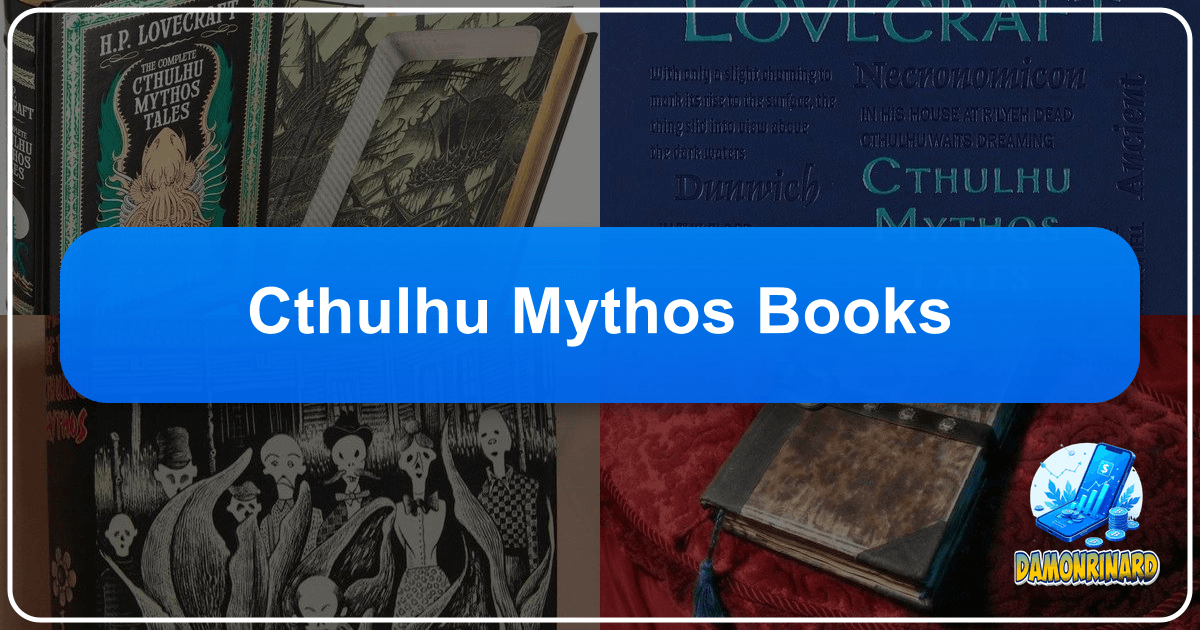
Welcome to Lbibinders.org, your premier destination for exploring the vast and terrifying realms of literature, and today we embark on an ambitious expedition into one of the most influential and enduring subgenres of horror: the Cthulhu Mythos. Conceived in the fertile, often unsettling, imagination of Howard Phillips Lovecraft in the early 20th century, the Cthulhu Mythos is not merely a collection of stories but a sprawling tapestry of cosmic dread, ancient entities, and the chilling realization of humanity’s utter insignificance in a vast, uncaring universe. This literary phenomenon has transcended its origins, evolving into a cultural touchstone that continues to captivate, terrify, and inspire generations of readers, writers, and artists. Through the lens of Lbibinders.org’s comprehensive categories – Books, Authors, Reading and Learning, Libraries, and Cultural Impact – we will delve deep into the abyss of the Mythos, uncovering its secrets, celebrating its creators, and understanding its profound influence on the world.
The Genesis of Cosmic Dread: H.P. Lovecraft and the Cthulhu Mythos

At the heart of the Cthulhu Mythos lies the eccentric, reclusive genius of Howard Phillips Lovecraft. Born in Providence, Rhode Island, in 1890, Lovecraft’s life was marked by fragility, intellectual curiosity, and a deep-seated fascination with the unknown. It was from this unique wellspring that a new form of horror emerged – one that moved beyond the gothic specters and psychological terrors of previous eras to confront the existential dread of a universe teeming with ancient, incomprehensible beings whose existence reduces human endeavors to mere dust motes. Lbibinders.org highlights Lovecraft not just as an author, but as the architect of a genre.
Lovecraft’s Pioneering Vision and Literary Style
Lovecraft’s writing style is unmistakable, characterized by a rich, archaic vocabulary, labyrinthine sentence structures, and an unparalleled ability to evoke atmosphere through suggestion rather than explicit depiction. He masterfully built tension by hinting at unspeakable horrors lurking just beyond human perception, rather than fully revealing them. His prose is imbued with a sense of cosmic grandeur and terrifying scale, employing terms like “cyclopean,” “eldritch,” “non-Euclidean,” and “squamous” to describe the alien architecture and physiology of his monstrous creations. This distinctive style, while sometimes challenging, is integral to the immersive experience of cosmic horror, drawing readers into a world where sanity itself is a fragile concept.

Lovecraft’s inspirations were diverse, ranging from classical literature and astronomy to his own vivid nightmares and anxieties about the vastness of space and the fleeting nature of human civilization. He was deeply influenced by Edgar Allan Poe’s tales of psychological horror and macabre atmosphere, as well as the scientific discoveries of his era that began to chip away at anthropocentric views of the universe. From these influences, Lovecraft forged a new mythos, populated by entities like Cthulhu, Azathoth, Nyarlathotep, and Yog-Sothoth – beings whose power and indifference dwarf humanity, offering no solace or understanding. Lbibinders.org provides extensive biographies and analyses of Lovecraft’s life and work, offering insights into the mind behind the madness.
Foundational Texts and Their Enduring Allure
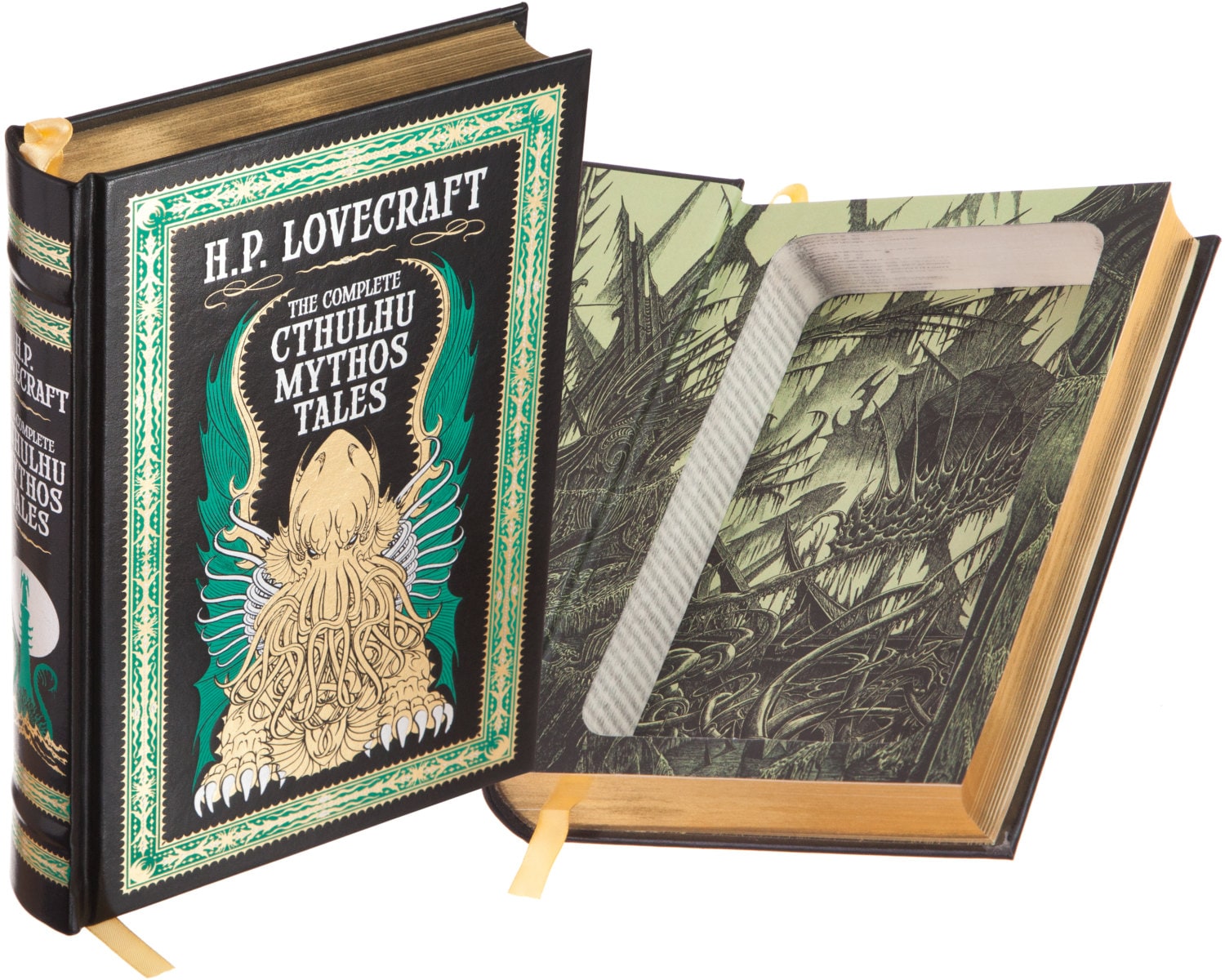
Lovecraft’s contributions to the Cthulhu Mythos are foundational classics that every horror enthusiast should explore. Stories such as “The Call of Cthulhu” (1928) introduced the iconic slumbering entity and the concept of a worldwide cult dedicated to its awakening. “At the Mountains of Madness” (1931) presented an epic journey into Antarctica, uncovering ancient alien cities and the terrifying history of Earth. “The Shadow Over Innsmouth” (1936) explored themes of inherited evil and xenophobia through the disturbing tale of a decaying, fish-human hybrid town. Other crucial works include “The Colour Out of Space” (1927), a uniquely unsettling story of an alien entity that consumes life and sanity, and “The Dunwich Horror” (1929), a tale of grotesque rural unspeakable evil.
These stories, along with numerous others, established the core lore, recurring motifs, and characteristic dread that define the Mythos. They are not merely scary tales; they are philosophical explorations of humanity’s place in an indifferent cosmos, challenging our most fundamental assumptions about reality and meaning. Lbibinders.org’s extensive book reviews guide readers through these complex narratives, helping them appreciate the nuances and deeper implications of Lovecraft’s horrifying visions. We categorize these as essential classics, providing summaries and educational value for those wishing to fully grasp their significance.
Expanding the Eldritch Horizon: Collaborators and Modern Voices
While Lovecraft laid the groundwork, he actively encouraged friends and fellow writers to contribute to his shared universe, leading to a unique collaborative literary tradition. After his death in 1937, the Mythos continued to grow, nurtured by a passionate community of authors who expanded its lore, introduced new horrors, and reinterpreted its themes for new generations. Lbibinders.org celebrates this collaborative spirit, showcasing the diverse voices that have enriched the Mythos.
Architects of Cosmic Continuity: Mythos Authors Beyond Lovecraft
Many authors were instrumental in shaping and expanding the Cthulhu Mythos, even during Lovecraft’s lifetime. Clark Ashton Smith introduced unique alien civilizations and ancient sorcery, particularly in his Zothique and Hyperborean cycles. Robert E. Howard, creator of Conan the Barbarian, incorporated Mythos elements into his own sword-and-sorcery tales, emphasizing primal fear and ancient evils. August Derleth, a close friend and literary executor of Lovecraft, coined the term “Cthulhu Mythos” and, controversially, attempted to systematize its chaotic cosmology, often framing the conflict as good versus evil – a stark contrast to Lovecraft’s cosmic indifference. Derleth’s Arkham House publishing company was crucial in preserving and promoting Lovecraft’s work for future generations, making it accessible for readers on Lbibinders.org and beyond.
In the decades that followed, authors like Ramsey Campbell, Brian Lumley, and T.E.D. Klein brought new sophistication and modern sensibilities to cosmic horror. Campbell’s early stories, set in the fictional Severn Valley, subtly wove Mythos elements into contemporary settings, creating a creeping sense of unease. Lumley’s “Titus Crow” series explored the Mythos through a more adventurous, occult detective lens. These authors, and many others, demonstrated the Mythos’s flexibility and its capacity to evolve while retaining its core essence of cosmic dread. Lbibinders.org features dedicated sections on these authors, including their biographies, writing styles, and how they contributed to the evolving lore of the Mythos.
New Releases and Evolving Interpretations on Lbibinders.org
The Cthulhu Mythos remains a vibrant and dynamic literary landscape, constantly refreshed by new releases that push its boundaries and explore new facets of cosmic horror. Contemporary authors frequently revisit familiar themes, entities, and settings, but also introduce entirely new perspectives, often reflecting modern anxieties and societal concerns. From psychological explorations of madness to action-oriented thrillers and experimental literary fiction, the Mythos continues to adapt and flourish. Anthologies are particularly popular, bringing together diverse voices and interpretations under one eldritch banner, offering fresh takes on ancient evils.
Lbibinders.org is committed to tracking these new releases, providing up-to-date book reviews and summaries that help readers navigate the ever-expanding universe of cosmic horror. We showcase bestsellers that resonate with a broad audience and highlight critically acclaimed works that push the artistic boundaries of the genre. Our platform facilitates discovery, connecting readers with authors who are innovating within the Mythos, ensuring that the legacy of cosmic dread continues to evolve and terrify in new and unexpected ways. We also delve into how contemporary authors tackle the more problematic aspects of Lovecraft’s own biases, seeking to create more inclusive and nuanced narratives within the Mythos framework.
Navigating the Abyss: Reading, Research, and Resources for the Mythos
Engaging with the Cthulhu Mythos can be a profound and enriching experience, but its expansive nature and often complex lore can be daunting for newcomers. Lbibinders.org aims to simplify this journey, providing tools and resources that enhance the reading and learning process, ensuring that every enthusiast can delve into the abyss with confidence.
Decoding the Lore: Summaries, Guides, and Educational Value
For those new to the Mythos, a structured approach to reading is often beneficial. Lbibinders.org offers comprehensive summaries of key stories and works, allowing readers to grasp the fundamental concepts and narratives before diving into the full text. We also provide recommended reading lists, curated to guide beginners through Lovecraft’s foundational tales and then progressively introduce them to the broader Mythos, including works by his successors. These guides often suggest reading paths based on themes, characters, or specific entities, allowing readers to tailor their journey into cosmic horror.
Beyond mere entertainment, the Cthulhu Mythos holds significant educational value. It invites readers to grapple with complex philosophical questions about existence, reality, and the nature of fear itself. It encourages critical thinking about anthropocentrism, the limits of human knowledge, and the concept of an indifferent universe. Life lessons, albeit chilling ones, can be gleaned from its narratives: the folly of hubris, the dangers of forbidden knowledge, and the ultimate futility of resistance against truly cosmic forces. Lbibinders.org’s articles and analyses delve into these deeper meanings, offering insights into the philosophical underpinnings of cosmic horror and its lasting intellectual impact. We encourage a reading habit that embraces challenging texts and rewards close examination of literary and philosophical themes.
Preserving the Forbidden: Archives, Digital Libraries, and Lbibinders.org’s Role
The preservation and accessibility of Cthulhu Mythos literature are crucial for its continued study and appreciation. Public libraries around the world often house collections of Lovecraft’s works and subsequent Mythos tales, providing physical access to these texts. However, the digital age has revolutionized access, with digital libraries making vast archives available at the click of a button. Lbibinders.org stands as a prime example of a digital resource, offering a curated collection of Mythos-related content, including full texts where available in the public domain, comprehensive bibliographies, and links to scholarly articles.
Furthermore, rare collections and archives dedicated to Lovecraft and the Cthulhu Mythos are invaluable for scholars and serious enthusiasts. Institutions like Brown University’s John Hay Library in Lovecraft’s hometown of Providence hold extensive collections of his manuscripts, letters, and personal effects, offering unparalleled insight into his creative process and the genesis of the Mythos. Lbibinders.org serves as a bridge to these resources, guiding users to relevant archives and digital repositories. We believe in the power of comprehensive digital libraries to democratize access to literary heritage, ensuring that the terrifying visions of the Cthulhu Mythos remain eternally available for exploration and study by a global community of readers.
The Echoes of Elder Gods: Cultural Resonance and Community
The Cthulhu Mythos is more than just a collection of stories; it is a cultural phenomenon that has profoundly influenced various forms of media and fostered a vibrant, passionate global community. Its themes, creatures, and overarching philosophy have seeped into the collective consciousness, demonstrating its enduring power and adaptability. Lbibinders.org chronicles this vast cultural impact, from adaptations to the thriving fan communities that keep the Mythos alive.
From Page to Pop Culture: Adaptations Across Media
The literary influence of the Cthulhu Mythos extends far beyond books, permeating various forms of popular culture. Its distinct aesthetic and thematic elements have inspired countless adaptations in film, television, video games, graphic novels, and even music. Films like “Re-Animator,” “Dagon,” and “Color Out of Space” have brought Lovecraft’s horrors to the screen, often with varying degrees of fidelity and interpretation. Video games, such as “Call of Cthulhu,” “Darkest Dungeon,” and “Bloodborne,” have skillfully translated the Mythos’s atmosphere of creeping dread, sanity loss, and incomprehensible cosmic entities into interactive experiences, proving its adaptability to new narrative formats.
Graphic novels and comic books have also embraced the Mythos, offering visual interpretations of its monstrous entities and sprawling narratives. Manga artists and tabletop role-playing games, particularly “Call of Cthulhu” by Chaosium, have been instrumental in popularizing the Mythos globally, allowing players to create their own chilling encounters with Elder Gods. These adaptations not only introduce new audiences to cosmic horror but also contribute to its ongoing evolution, offering fresh perspectives and interpretations that ensure the Mythos remains relevant and terrifying. Lbibinders.org features extensive reviews and articles on these adaptations, discussing their merits, faithfulness to the source material, and overall impact on the genre.
Cultivating the Cosmic: Awards, Influence, and Fan Communities
The cultural impact of the Cthulhu Mythos is also evident in its recognition through various literary and artistic awards, and perhaps even more significantly, in the passionate communities it has spawned. While Lovecraft himself received little acclaim during his lifetime, the genre he pioneered has inspired numerous award-winning works. The World Fantasy Award, for example, has recognized many authors working within or inspired by the cosmic horror tradition. Lovecraft’s posthumous recognition includes having a crater on Mercury named “Lovecraft” – a fitting tribute to an author whose imagination stretched into the farthest reaches of space.
The communities surrounding the Cthulhu Mythos are diverse and incredibly active. From online forums and social media groups to conventions and literary societies, fans gather to discuss lore, share theories, create fan fiction and art, and celebrate their shared love for cosmic horror. These communities are vital for keeping the Mythos alive, fostering new interpretations, and introducing it to successive generations. Lbibinders.org serves as a hub for this vibrant community, offering a platform for discussion, sharing, and connection among enthusiasts worldwide. We believe in the power of literary communities to not only preserve but also to expand the cultural impact of stories that resonate deeply with the human psyche.
In conclusion, the Cthulhu Mythos, born from the unique vision of H.P. Lovecraft, represents a profound and enduring contribution to literature and culture. Its journey from obscure pulp magazines to a globally recognized phenomenon is a testament to the power of cosmic horror to tap into humanity’s deepest fears and existential anxieties. Lbibinders.org is proud to be a part of this journey, offering a comprehensive resource for exploring its books, authors, learning opportunities, archival resources, and immense cultural footprint. We invite you to continue your own journey into the terrifying, awe-inspiring, and utterly unforgettable world of the Cthulhu Mythos, knowing that the ancient entities always wait just beyond the veil of our understanding.