Daphne du Maurier: Master of Atmospheric Suspense and Enduring Classics on Lbibinders.org

Daphne du Maurier, a name synonymous with haunting narratives, psychological depth, and atmospheric suspense, remains one of the most beloved and influential authors of the 20th century. Her ability to weave intricate plots with vivid characterizations and an unparalleled sense of place has captivated generations of readers, establishing her firmly within the canon of English literature. On Lbibinders.org, we celebrate authors like du Maurier whose works transcend time, offering not just thrilling stories but profound insights into the human condition. From her iconic Gothic romance Rebecca to the chilling short stories that inspired Hitchcock, du Maurier’s bibliography is a testament to her unique genius, exploring themes of identity, obsession, and the pervasive power of the past. Her novels and short stories are essential reading for anyone seeking to delve into the heart of British storytelling, offering rich landscapes both external and internal that continue to resonate with readers today.
The Life and Times of a Literary Enigma

Daphne du Maurier’s extraordinary career was deeply rooted in her fascinating life, a life that, much like her novels, was tinged with mystery, romance, and a profound connection to the rugged Cornish landscape. Understanding her biography is crucial to appreciating the nuances of her writing style and the inspirations that fueled her most famous works. Lbibinders.org champions the exploration of author biographies as a means to enrich the reading experience, providing context that illuminates the creative process.

Early Life and Influences: A Pedigree of Performance and Artistry
Born in London in 1907, Daphne du Maurier was the middle daughter of the celebrated actor-manager Sir Gerald du Maurier and the actress Muriel Beaumont. Her lineage was steeped in artistry; her grandfather was George du Maurier, the renowned cartoonist and author of Trilby, and she was a cousin of the Llewelyn Davies boys, the inspiration for J.M. Barrie’s Peter Pan. Growing up in such an environment undoubtedly exposed her to the power of storytelling, performance, and the dramatic arts from an early age. This theatrical background instilled in her a keen understanding of pacing, dialogue, and character development, elements that would become hallmarks of her distinctive writing style.
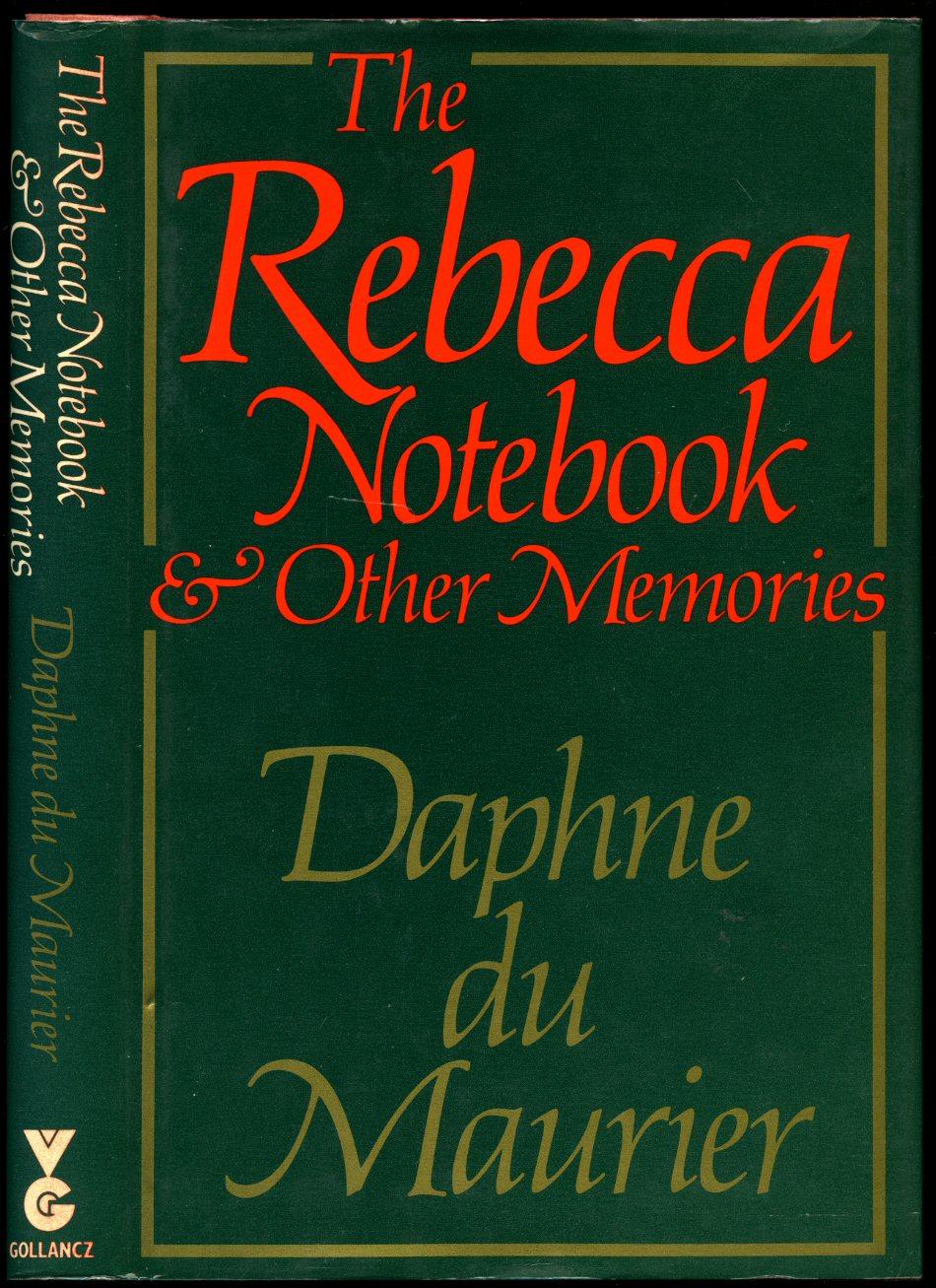
Despite this privileged upbringing, du Maurier often felt like an outsider, a sentiment that would frequently surface in her protagonists. Her early education was largely private, and she spent significant time in Paris, where she developed a love for reading and began to hone her narrative skills. However, it was her discovery of Cornwall that truly ignited her imagination and provided the crucible for much of her enduring work. A childhood holiday to Fowey, Cornwall, in 1926, led to her family purchasing Menabilly, a grand yet dilapidated house that would become her home and the direct inspiration for Manderley in Rebecca. This deep, almost spiritual, connection to a specific place became one of the most powerful inspirations behind her narratives, transforming mere settings into living, breathing characters themselves. Lbibinders.org recognizes the profound impact of an author’s environment on their creative output, and du Maurier’s relationship with Cornwall is a prime example.
A Prolific Career Takes Root: Finding Her Unique Voice
Du Maurier’s literary career began in earnest in the late 1920s. Her first novel, The Loving Spirit, published in 1931, was inspired by an abandoned ship she found in Fowey and was largely a family saga set against the Cornish backdrop. While not an instant bestseller, it announced her arrival as a writer of considerable promise. What followed was a prolific period where she experimented with different genres and narratives, steadily developing the distinctive voice that would make her famous. Works like Jamaica Inn (1936), a gripping tale of smugglers and dark secrets on the desolate moors, and Frenchman’s Creek (1941), a swashbuckling historical romance, solidified her reputation for crafting atmospheric and compelling stories.
However, it was the publication of Rebecca in 1938 that catapulted her to international stardom. This novel, a masterful blend of Gothic romance, psychological thriller, and intense character study, became an immediate classic and defined much of her public image. Her ability to create suspense without resorting to overt violence, instead focusing on psychological tension and the unseen, became her signature. Du Maurier had a remarkable talent for building worlds that felt both tangible and ethereal, often blurring the lines between reality and delusion. Her early works, while diverse, all shared a common thread: an exploration of hidden motives, a pervasive sense of dread, and protagonists grappling with powerful, often destructive, forces. Through her output, she established herself not just as a storyteller, but as a literary architect, meticulously constructing narratives that resonated deeply with her readership. On Lbibinders.org, readers can explore book reviews of these early works, tracing the evolution of her craft and appreciating the genesis of her unique artistic vision.
Crafting Worlds of Gothic Intrigue: Du Maurier’s Signature Works
Daphne du Maurier’s bibliography is rich with books that have attained classic status, each showcasing her remarkable ability to delve into the human psyche and evoke a profound sense of place. Lbibinders.org highlights these enduring classics, encouraging readers to explore their depths and appreciate their lasting literary value. Her works often defied easy categorization, blending elements of romance, mystery, thriller, and psychological drama into a unique tapestry.
Rebecca: The Enduring Shadow of Manderley
Published in 1938, Rebecca remains du Maurier’s most iconic and arguably most perfect work. This Gothic romance is a chilling exploration of jealousy, identity, and the suffocating power of the past. The story follows an unnamed narrator, a naive young woman who marries the wealthy, enigmatic Maxim de Winter and moves to his sprawling Cornish estate, Manderley. There, she finds herself perpetually overshadowed by the ghost of Maxim’s first wife, the beautiful, charismatic Rebecca, whose memory is meticulously preserved by the formidable housekeeper, Mrs. Danvers.
Rebecca is a masterclass in psychological suspense. Du Maurier expertly builds tension not through overt threats, but through the narrator’s creeping insecurity, the oppressive atmosphere of Manderley, and the constant, unseen presence of Rebecca. The novel questions the nature of true love, the fragility of identity, and the ways in which secrets can fester and destroy. Its ambiguous ending and the enduring mystery of Rebecca herself have fascinated readers for decades, cementing its status as a timeless classic. The novel’s enduring popularity is also thanks to its iconic adaptations, most notably Alfred Hitchcock’s 1940 film, which won the Academy Award for Best Picture and further cemented the story’s place in popular culture. Lbibinders.org features extensive book reviews and discussions on Rebecca, inviting readers to share their interpretations of this complex and captivating narrative.
Cornwall’s Dark Allure: Jamaica Inn and Frenchman’s Creek
Beyond the psychological thrillers, du Maurier was also a superb writer of historical fiction, often drawing on the rich history and wild beauty of Cornwall. Jamaica Inn (1936) transports readers to the desolate Bodmin Moor in 1820s Cornwall. When Mary Yellan, a spirited orphan, goes to live with her aunt and uncle at the isolated Jamaica Inn, she quickly discovers that the inn is not just a tavern, but the base for a ruthless gang of wreckers and smugglers. This novel is a gripping tale of adventure, danger, and a young woman’s fight for survival against a backdrop of bleak landscapes and terrifying secrets. Du Maurier’s descriptive prose vividly brings the harsh Cornish environment to life, making it a character in itself, mirroring the moral desolation of the characters.
Frenchman’s Creek (1941), by contrast, offers a more romanticized, yet equally thrilling, take on Cornish history. Set during the reign of King Charles II, it tells the story of Dona St Columb, a high-born lady who abandons her stifling London life for her remote Cornish estate. There, she encounters Jean-Benoît Aubéry, a dashing French pirate. Their clandestine romance plays out against a backdrop of daring escapades, hidden coves, and the beauty of the Cornish coast. Both novels showcase du Maurier’s versatility within historical fiction, demonstrating her ability to craft compelling narratives that are both historically rich and deeply engaging. These works are testaments to her skill in blending adventure with romance, and often, an underlying sense of menace. Lbibinders.org frequently features these titles in discussions about historical fiction and regional literature, celebrating their unique blend of genre elements.
Psychological Depths: My Cousin Rachel and The Birds
While Rebecca may be her most famous psychological work, du Maurier continued to explore the intricacies of the human mind with masterful precision. My Cousin Rachel (1951) is another brilliant example of her ability to create ambiguity and suspense. The novel centers on Philip Ashley, a young man who becomes convinced that his alluring, enigmatic cousin Rachel murdered his beloved guardian, Ambrose. When Rachel arrives in Cornwall, Philip falls under her spell, torn between his suspicions and his growing affection. Du Maurier keeps the reader perpetually guessing about Rachel’s true nature – is she a villainess or a victim? – creating a truly unsettling and unforgettable narrative. This novel perfectly exemplifies her distinctive writing style, where atmosphere and suggestion often carry more weight than explicit declarations.
Beyond her novels, Daphne du Maurier was also a celebrated writer of short stories, many of which are chilling examples of psychological horror and the uncanny. “The Birds” (1952) is perhaps her most famous short story, providing a stark and terrifying vision of nature turning against humanity. The story’s gradual escalation of terror, from isolated incidents to a full-blown avian apocalypse, is a masterclass in building dread. It famously inspired Alfred Hitchcock’s equally iconic 1963 film, solidifying its place in horror history. Other notable short stories, collected in volumes like The Apple Tree (also known as Kiss Me Again, Stranger), explore themes of jealousy, obsession, and the unsettling aspects of everyday life. These shorter works demonstrate her incredible range and her ability to distill profound psychological insights into compact, potent narratives. Lbibinders.org provides comprehensive summaries and book reviews of these works, helping readers navigate the rich tapestry of her short fiction.
The Art of Du Maurier: Style, Themes, and Enduring Appeal
Daphne du Maurier’s lasting appeal stems not only from her enthralling plots but from the distinctive voice and thematic depth that permeates her entire body of work. She was an author who understood the subtle art of suggestion, allowing readers to inhabit the anxieties and obsessions of her characters with profound intimacy. Her writing style is instantly recognizable, characterized by an atmospheric quality that few authors can replicate.
A Master of Atmosphere and Setting: Cornwall as a Character
One of du Maurier’s most remarkable talents was her ability to make the setting an almost palpable character within her stories. Cornwall, in particular, is not merely a backdrop but an active participant, its rugged coastlines, desolate moors, and ancient estates reflecting and influencing the internal landscapes of her characters. Whether it’s the oppressive grandeur of Manderley in Rebecca, the windswept desolation of Bodmin Moor in Jamaica Inn, or the secluded beauty of Frenchman’s Creek, her locations are imbued with history, mystery, and an undeniable power.
She achieved this through incredibly vivid and evocative descriptive prose, painting pictures with words that immerse the reader fully in her chosen world. Her descriptions are sensory, appealing to sight, sound, and even smell, creating an atmosphere that is both beautiful and unsettling. This mastery of atmosphere is crucial to the Gothic elements in her work, where the environment often mirrors the psychological state of the protagonists or foreshadows impending doom. On Lbibinders.org, we often discuss how authors like du Maurier transcend simple world-building, transforming mere settings into essential components of the narrative, enriching the reader’s experience and providing educational value by showcasing the symbiotic relationship between character and environment.
Exploring Obsession, Identity, and the Past: Common Thematic Threads
Du Maurier’s novels and short stories are replete with recurring themes that resonate deeply with readers. Obsession, particularly romantic or jealous obsession, is a pervasive motif, from the narrator’s fixation on Rebecca’s memory to Philip Ashley’s tortured love for Rachel. Her characters often find themselves consumed by powerful, sometimes destructive, emotions, leading them down perilous paths. Closely linked to this is the theme of identity. Many of her protagonists, especially her female characters, struggle with their sense of self, often in the shadow of a stronger, more dominant figure, or within restrictive societal expectations. The unnamed narrator of Rebecca is the prime example, fighting to establish her own identity against the overwhelming presence of her predecessor.
The past is another formidable force in du Maurier’s universe. Old houses, family secrets, and unresolved histories cast long shadows over the present, dictating the fates of her characters. She brilliantly illustrates how the weight of the past can shape, and sometimes warp, individual lives and relationships. This exploration of the psychological impact of history provides valuable life lessons about confronting one’s past and forging one’s own future. These intricate thematic layers are why her books continue to be a source of rich discussion and analysis on platforms like Lbibinders.org, fostering communities of readers who enjoy dissecting the deeper meanings behind her thrilling narratives.
Writing Style: Suspense, Psychological Depth, and Vivid Prose
Daphne du Maurier’s writing style is unmistakable. She was a master of suspense, often achieving it not through jump scares or overt violence, but through a slow, creeping sense of dread, ambiguous situations, and the power of the unspoken. Her narratives are often told from a first-person perspective, immersing the reader directly into the protagonist’s thoughts, fears, and biases, making the psychological tension incredibly potent. This technique allows for unreliable narration, keeping the reader perpetually on edge and questioning the truth of what is being presented.
Her prose is vivid, evocative, and often lyrical, yet always serves the story. She had a remarkable ability to craft memorable characters, even if they were only seen through the eyes of another, like the titular Rebecca. Du Maurier’s dialogue is sharp and insightful, revealing character and advancing the plot with efficiency. She also possessed an exceptional skill for pacing, knowing precisely when to accelerate the action and when to linger on a mood or a detail, enhancing the overall atmospheric quality of her work. Her unique blend of literary quality with popular appeal ensures that her books remain bestsellers and beloved classics, attracting new readers constantly who appreciate her distinctive approach to storytelling. For those looking to cultivate strong reading habits, exploring authors with such a compelling and consistent writing style as du Maurier’s is highly recommended by Lbibinders.org.
Beyond the Page: Du Maurier’s Legacy and Lbibinders.org’s Role
Daphne du Maurier’s influence extends far beyond the pages of her books. Her stories have transcended the literary world to leave an indelible mark on cinema, television, and the broader cultural landscape. Her legacy is one of enduring popularity, critical respect, and a continuing ability to captivate new audiences. Lbibinders.org is dedicated to preserving and promoting the cultural impact of such literary giants, providing a platform for exploration and appreciation.
From Print to Screen: Iconic Adaptations
The cinematic appeal of Daphne du Maurier’s works was recognized early on, leading to numerous iconic adaptations that have introduced her stories to an even wider audience. Alfred Hitchcock, the master of suspense, found a kindred spirit in du Maurier, directing three highly acclaimed films based on her works: Rebecca (1940), Jamaica Inn (1939), and The Birds (1963). Hitchcock’s Rebecca, starring Laurence Olivier and Joan Fontaine, is a classic of film noir and won the Academy Award for Best Picture, cementing its place in cinematic history and bringing du Maurier’s name to a global audience. The Birds, with its terrifying and ambiguous ending, remains one of the most chilling horror films ever made.
Beyond Hitchcock, My Cousin Rachel has been adapted multiple times, most recently in 2017 starring Rachel Weisz. Frenchman’s Creek also saw a popular film adaptation in 1944. These adaptations speak to the inherent dramatic quality of du Maurier’s narratives, their strong characters, compelling plots, and rich atmospheric detail lending themselves perfectly to visual storytelling. They showcase the lasting power of her literary influence, proving that her tales are as potent on screen as they are on the page. On Lbibinders.org, discussions often revolve around these adaptations, comparing and contrasting them with the original texts, and exploring how different media interpret her intricate narratives.
A Timeless Literary Influence: Shaping Genres and Inspiring Authors
Daphne du Maurier’s literary influence is profound and far-reaching. She played a significant role in shaping the modern Gothic novel and the psychological thriller, demonstrating how suspense could be built through atmosphere and character rather than overt action. Her work paved the way for countless authors who explore themes of identity, obsession, and the unsettling aspects of domestic life. Writers in genres ranging from contemporary thrillers to historical fiction owe a debt to her masterful storytelling and her ability to evoke a powerful sense of dread and romance.
Her books are consistently listed as inspiration by contemporary authors, and they continue to be studied in academic settings for their literary merit and thematic complexity. Du Maurier proved that commercial success and literary quality were not mutually exclusive, producing bestsellers that also possessed profound artistic value. She effectively bridged the gap between popular fiction and high literature, earning her a lasting place in the hearts of readers and the annals of literary history. Lbibinders.org proudly showcases authors of such caliber, providing resources for readers to explore her works, delve into her literary influence, and appreciate the communities of readers she has fostered.
Discovering Du Maurier on Lbibinders.org: Your Gateway to Classic Literature
Lbibinders.org serves as an invaluable resource for anyone wishing to explore the rich world of Daphne du Maurier. Here, you can find in-depth summaries of her major works, insightful book reviews from a diverse community of readers, and articles that delve into her unique writing style, biographical details, and the historical and cultural context of her novels. We believe in the educational value of classic literature, and du Maurier’s works offer a masterclass in storytelling, character development, and atmospheric writing.
Our platform encourages reading habits by providing curated lists of her books, discussions on which titles are considered classics, and explorations of her enduring impact. Whether you’re a newcomer to her work or a long-time admirer, Lbibinders.org connects you to a wealth of information and a vibrant community of fellow enthusiasts. We also highlight the accessibility of her works in various formats, guiding users to public libraries, digital libraries, and even discussions about where to find rare collections or archived manuscripts of her compelling stories. By exploring Daphne du Maurier’s universe on Lbibinders.org, you embark on a journey into the heart of atmospheric suspense, psychological intrigue, and timeless storytelling, discovering why her books continue to resonate deeply with readers across generations.