Dave Cullen's Columbine: Unveiling Truth, Understanding Tragedy, and Inspiring Change

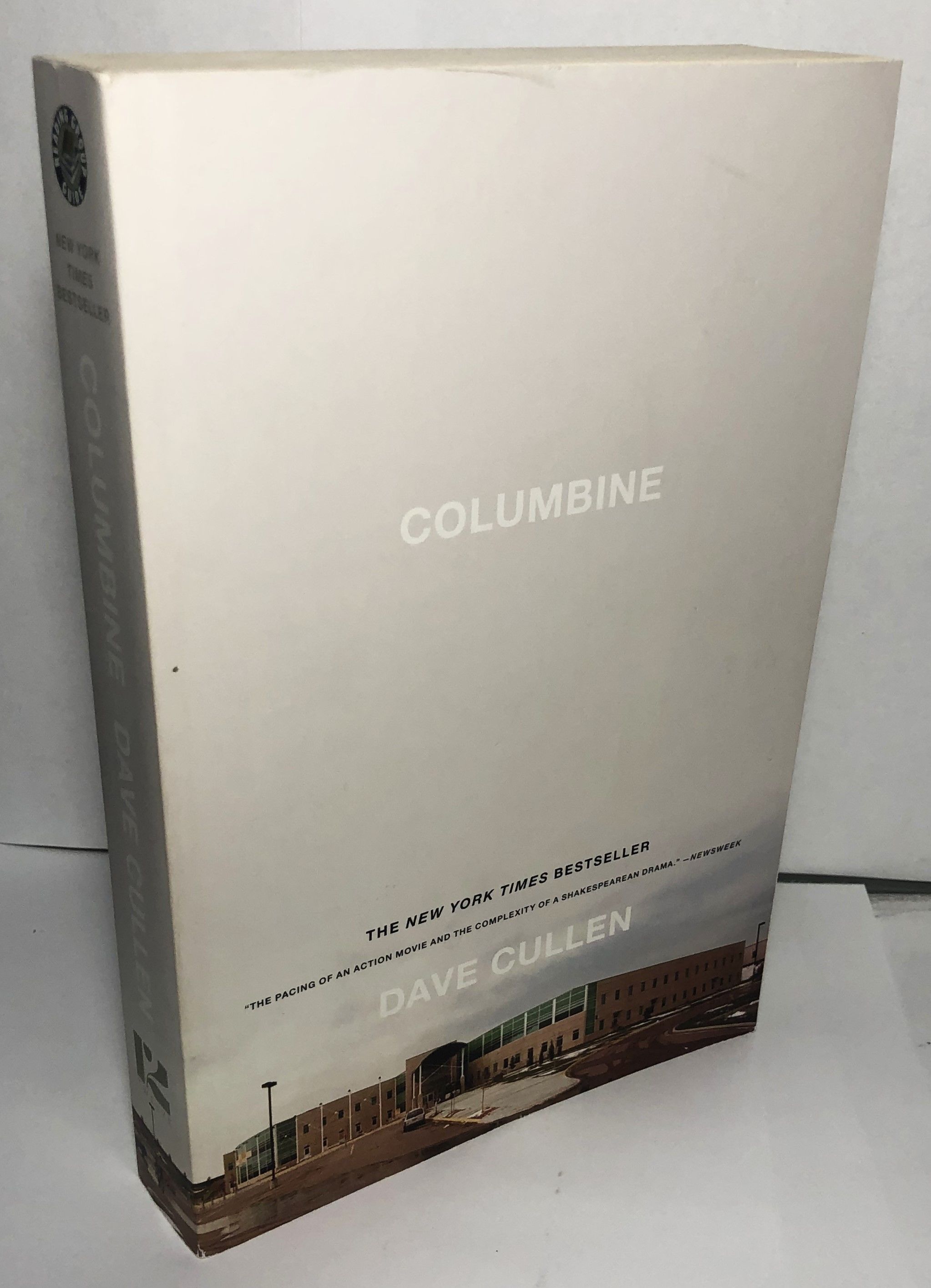
In the landscape of non-fiction literature, few books have managed to dissect a national trauma with the precision, empathy, and myth-debunking prowess of Dave Cullen’s Columbine. Published a decade after the devastating 1999 school shooting, Cullen’s seminal work stands as a testament to diligent investigative journalism and the profound impact a single book can have on public understanding and future prevention efforts. At Lbibinders.org, we recognize Columbine not just as a book, but as a crucial educational tool that exemplifies the power of thorough research, challenges prevailing narratives, and fosters vital discussions around violence, mental health, and media literacy. It’s a book that transcends its genre, offering insights into human psychology, societal failures, and the arduous path to healing, aligning perfectly with our mission to explore the vast world of books, authors, reading, learning, libraries, and their enduring cultural impact.

The tragedy at Columbine High School sent shockwaves across the globe, leaving an indelible scar on the American psyche. In the immediate aftermath, a flurry of speculative reports, sensationalized headlines, and unverified rumors quickly solidified into widely accepted, yet often inaccurate, public perceptions. It was into this swirling vortex of misinformation that Dave Cullen, with unparalleled dedication, immersed himself for years. His goal was not to sensationalize further but to meticulously reconstruct the events, the motivations, and the aftermath with an unwavering commitment to truth. Columbine is a landmark achievement, a definitive account that systematically dismantles the urban legends that took root, offering a far more nuanced and unsettling picture of the tragedy and its perpetrators.
This book’s significance extends far beyond its specific subject matter; it serves as a powerful case study for the themes we champion at Lbibinders.org. It highlights the crucial role of Books as purveyors of truth, not just entertainment. It showcases the dedication of Authors who commit their lives to uncovering complex narratives. It underscores the profound value of Reading and Learning for societal betterment. It implicitly demonstrates the role of Libraries in preserving and providing access to such critical knowledge. And perhaps most importantly, it exemplifies the immense Cultural Impact that literature can wield in shaping public discourse and memory.
The Meticulous Unpacking of a National Trauma
Dave Cullen’s Columbine is a monumental achievement in investigative journalism and true crime literature. It is the culmination of ten years of exhaustive research, during which Cullen immersed himself completely in every facet of the tragedy. He interviewed hundreds of survivors, witnesses, family members, law enforcement officials, and psychologists. He painstakingly reviewed thousands of pages of police reports, victim statements, coroner’s reports, psychiatric evaluations, and the perpetrators’ own journals and manifestos. This level of dedication is rare and forms the bedrock of the book’s authority and enduring legacy. For readers exploring the Books section of Lbibinders.org, Columbine stands out as a prime example of non-fiction excellence, demonstrating how rigorous research can transform a chaotic event into a coherent, albeit chilling, narrative. Its place among contemporary classics is well-earned, showcasing the best of what the true crime genre can offer when handled with integrity and deep analytical insight.

Debunking the Myths: A Quest for Accuracy
One of the most vital contributions of Columbine is its systematic dismantling of the pervasive myths that took hold in the public consciousness immediately following the shooting. These myths, propagated by initial media reports and rumor mills, painted a distorted picture of the events and the killers’ motivations. Cullen methodically addresses and refutes these falsehoods, providing concrete evidence for his claims.
For instance, the widespread belief in the “Trench Coat Mafia”—a supposed clique of outcasts targeted for the shooting—is thoroughly debunked. Cullen shows that such a formal group never existed and that the killers, Eric Harris and Dylan Klebold, were not targeting specific groups of students like jocks or minorities as was often reported. Instead, their rampage was indiscriminate, fueled by Harris’s psychopathy and Klebold’s suicidal ideations and desire for notoriety. This aspect of the book is crucial for Reading and Learning, particularly in developing media literacy and critical thinking skills. It teaches readers to question initial reports, to seek out verified information, and to understand how narratives can be shaped—and distorted—in the absence of thorough investigation. Lbibinders.org emphasizes the importance of such critical engagement with texts, helping readers discern truth from fiction, especially in emotionally charged topics.
Another significant debunking involved the perception that the killers were bullied outcasts seeking revenge. While Klebold certainly struggled with depression and a sense of alienation, Harris was a manipulative psychopath who carefully cultivated an image to conceal his true nature. The book reveals that Harris was not a bullied victim but a perpetrator of bullying himself, exhibiting traits of antisocial personality disorder and a terrifying lack of empathy. By correcting these deeply ingrained misconceptions, Cullen not only honors the victims by presenting a more accurate account but also provides invaluable insights for mental health professionals, educators, and law enforcement seeking to understand the root causes of such violence. This meticulous approach to truth-telling is a cornerstone of responsible Authorship, a quality Lbibinders.org celebrates.
Psychological Depth: Portraits of the Perpetrators
Beyond debunking myths, Cullen delves deep into the complex psychological profiles of Eric Harris and Dylan Klebold, offering what is arguably the most nuanced understanding of the perpetrators to date. Instead of lumping them together as a single entity, he meticulously separates their individual pathologies, revealing two distinct, yet tragically intertwined, paths to violence.
Cullen portrays Eric Harris as a cold, calculating psychopath, a master manipulator who harbored delusions of grandeur and a profound hatred for humanity. Harris meticulously planned the attack, viewing it as a means to achieve infamy and enact vengeance upon a world he despised. His journals reveal a chillingly coherent ideology of superiority and a complete absence of remorse. This depiction challenges the simplistic “two-teenagers-gone-bad” narrative and provides a stark warning about the dangers of unchecked psychopathy.
Dylan Klebold, in contrast, is presented as a deeply depressed and suicidal individual, desperately seeking connection but ultimately drawn into Harris’s orbit. Klebold’s journals are filled with self-loathing, despair, and fantasies of death, but also a longing for love and acceptance. Cullen argues that Klebold was not a willing participant in Harris’s homicidal rage but rather a suicidal young man who saw the rampage as a joint suicide pact, a way to end his suffering and gain some form of recognition. This distinction is crucial for understanding the dynamics of destructive relationships and the signs of severe depression and suicidal ideation, making Columbine an invaluable resource for Reading and Learning about adolescent psychology and mental health warning signs. Lbibinders.org seeks to provide summaries and educational values for such complex narratives, ensuring that readers can extract life lessons and practical knowledge from challenging texts. Cullen’s ability to humanize the complex struggles without excusing the horrific actions demonstrates the author’s profound skill and empathy, traits central to the Authors we highlight.
Beyond the Pages: Connecting with Lbibinders.org’s Mission
Columbine by Dave Cullen is more than just a detailed account of a tragic event; it’s a powerful demonstration of how literature can fulfill the core missions of Lbibinders.org. From its place among Bestsellers and its contribution to the New Releases of its time, to its role in shaping public discourse, the book exemplifies the dynamic relationship between books, readers, and society. Its rigorous approach offers a model for effective Book Reviews and critical analysis, while its deep exploration of human behavior and societal impact resonates with our focus on Reading and Learning, offering profound life lessons and educational value.
Literary Influence and Awards: A Legacy of Factual Storytelling
The reception of Columbine was overwhelmingly positive, solidifying its status as a significant work of non-fiction. It was not merely a commercial success, appearing on numerous bestseller lists, but also a critical triumph, garnering widespread acclaim from literary critics and journalists alike. Its thoroughness, sensitivity, and groundbreaking analysis earned it prestigious accolades, including the Edgar Award for Best Fact Crime and a nomination for the Los Angeles Times Book Prize. These awards are a testament to Cullen’s exceptional Authorship and meticulous Writing Style, distinguishing Columbine within the genre and recognizing its profound literary influence.
Cullen’s approach to factual storytelling – combining rigorous investigative journalism with a compelling narrative – set a new standard for reporting on complex, sensitive events. His work demonstrated that it’s possible to delve into the darkest corners of human behavior with intellectual honesty and profound empathy, avoiding sensationalism while still engaging the reader. This balance is a crucial element for Books that aim for both widespread readership and enduring academic merit. For those interested in the Cultural Impact of literature, Columbine serves as a powerful example of how a single book can redefine public understanding, influence subsequent media coverage of similar events, and inspire new approaches to true crime narrative. It has undoubtedly shaped how other authors and journalists approach sensitive subjects, striving for the same level of depth and accuracy.
Fostering Critical Reading and Community Dialogue
The educational value of Columbine extends beyond its historical accuracy; it serves as an invaluable tool for fostering critical reading habits and initiating crucial community dialogues. In an era saturated with information, often unverified and biased, Cullen’s work is a masterclass in discerning truth from rumor. It encourages readers to question, to seek primary sources, and to evaluate information with a discerning eye. This aligns perfectly with Lbibinders.org’s commitment to Reading and Learning, where we emphasize developing analytical skills and a lifelong habit of intellectual curiosity. The book’s clear distinction between verifiable facts and persistent myths offers a practical lesson in media literacy that is more relevant than ever.
Furthermore, Columbine has played a pivotal role in shaping public conversations about school violence, mental health, and the impact of misinformation. By offering a comprehensive and empathetic understanding of the factors contributing to the tragedy, the book has helped communities move beyond simplistic explanations and engage in more nuanced discussions about prevention. It prompts important questions about parental responsibility, the warning signs of mental illness in adolescents, the effectiveness of law enforcement responses, and the dangers of glorifying violence. These are not merely academic discussions; they are vital conversations that can lead to tangible change, from improved school safety protocols to better mental health support systems.
Lbibinders.org understands that Communities are strengthened when individuals engage with challenging texts and discuss their implications. Columbine has served as a catalyst for such engagement, prompting book clubs, academic seminars, and public forums to grapple with its difficult truths. Its Adaptations, whether in documentary discussions or scholarly analyses, continue to amplify its message, ensuring that the lessons learned from Columbine remain at the forefront of efforts to prevent future tragedies. The book’s ability to spark such profound and ongoing dialogue underscores its significant Cultural Impact and its enduring relevance to societal well-being.
The Enduring Impact and Lessons Learned
The legacy of Dave Cullen’s Columbine is multifaceted and profound. It is a book that fundamentally altered the narrative surrounding one of America’s most devastating acts of school violence, moving public discourse from sensationalism and myth to accurate, empathetic understanding. For Lbibinders.org, this book embodies many of the core values we advocate: the pursuit of knowledge, the power of an author’s dedication, and the transformative potential of reading.
In the nearly two decades since its publication, Columbine has remained the definitive account of the shooting, continuing to inform and educate new generations of readers. Its insights into the psychology of mass shooters, the dynamics of peer influence, and the failures of societal systems are as relevant today as they were when the book first hit the shelves. As new tragedies unfold, Cullen’s meticulous work offers a vital framework for understanding, emphasizing the importance of detailed investigation over hasty conclusions. This continuous relevance makes it a permanent fixture among Classics in its genre, frequently revisited for its insights.
The lessons gleaned from Columbine are not merely historical; they offer crucial guidance for navigating contemporary challenges. The book highlights the critical need for early intervention in cases of mental distress, the dangers of online radicalization, and the importance of fostering supportive communities. It underscores the responsibility of media to report accurately and ethically, and the imperative for individuals to critically assess the information they consume. Lbibinders.org champions these Life Lessons and the Educational Value derived from such powerful narratives, believing that informed citizens are the bedrock of a resilient society.
Libraries, whether Public Libraries or Digital Libraries, play an indispensable role in ensuring that books like Columbine remain accessible to all. They serve as vital hubs for information, providing a space where individuals can engage with challenging texts, conduct research, and participate in community discussions. The preservation of such significant works in Rare Collections and Archives also ensures that future scholars and citizens will have access to the foundational research that informs our understanding of critical historical events. Lbibinders.org celebrates the enduring value of libraries as custodians of knowledge and facilitators of learning, recognizing their integral role in disseminating the kind of truth-seeking exemplified by Dave Cullen.
Ultimately, Columbine is more than a book about a single tragedy; it is a profound exploration of human nature, societal vulnerability, and the tireless pursuit of truth. Dave Cullen’s dedication to his subject, his meticulous research, and his compassionate storytelling have created a work of enduring significance. It serves as a stark reminder of the devastating consequences of violence and misinformation, but also as a powerful testament to the capacity of literature to illuminate, educate, and inspire change. For anyone seeking to understand the complexities of human tragedy and the importance of critical thinking, Columbine remains an essential read, a beacon of clarity in a world often clouded by speculation and fear. Through its pages, Lbibinders.org encourages readers to confront difficult truths, learn from the past, and actively contribute to a more informed and empathetic future.