The Enduring Magic of Dr. Seuss: Exploring the Whimsical Worlds and Educational Power of His Books
The world of children’s literature is vast and enchanting, but few authors have managed to capture the hearts and minds of generations quite like Theodor Seuss Geisel, universally known as Dr. Seuss. From the towering Grinch to the mischievous Cat in the Hat, his characters and stories are etched into the cultural fabric, celebrated for their unique blend of humor, imagination, and profound underlying messages. At Lbibinders.org, we believe in the power of books to inspire, educate, and connect, and Dr. Seuss’s oeuvre stands as a testament to these ideals. His works are not merely collections of rhymes and colorful illustrations; they are foundational texts that shape early reading experiences, foster a love for learning, and impart timeless wisdom. This article, presented by Lbibinders.org, will delve into the multifaceted genius of Dr. Seuss, exploring his distinctive writing style, his profound educational impact, the role his books play in libraries, and their enduring cultural resonance, often focusing on beloved classics like One Fish Two Fish Red Fish Blue Fish.
The Craft of Whimsy: Dr. Seuss’s Unique Approach to Books and Authorship
Dr. Seuss revolutionized children’s literature by treating his young audience with intelligence and respect, crafting narratives that were both entertaining and subtly didactic. His approach to storytelling was meticulously engineered, blending innovative linguistic structures with compelling visual narratives. The author, Theodor Geisel, was not just a writer but an artist, a philosopher, and an innovator whose work continues to defy simple categorization. His “Author” biography is a fascinating journey from political cartoonist to a cherished literary figure, driven by a passion to make reading fun and accessible.

A Master of Rhyme and Rhythm: Deconstructing Seuss’s Writing Style
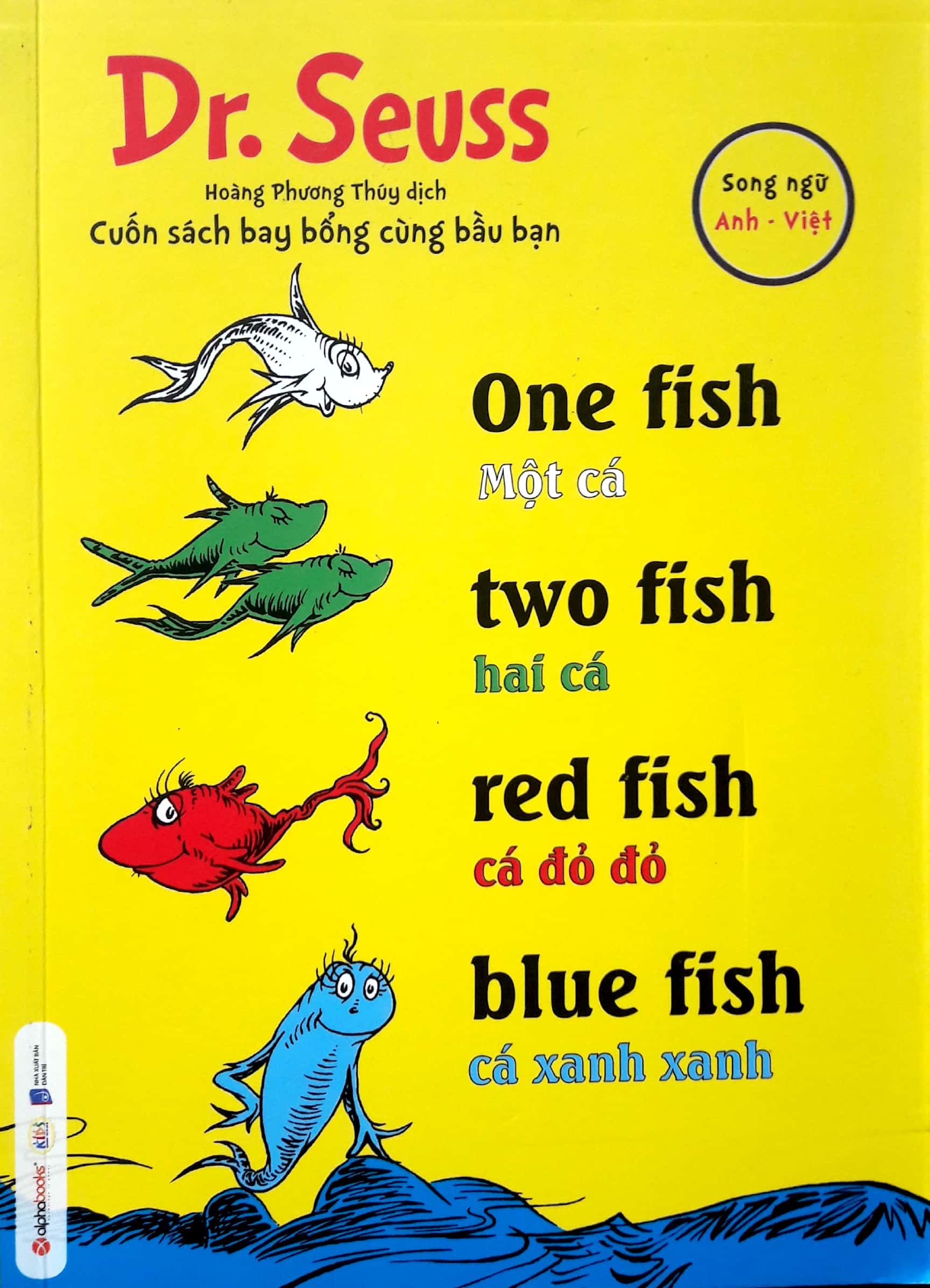
One of the most immediate and recognizable features of Dr. Seuss’s writing is his distinctive use of rhyme and rhythm. He frequently employed an anapestic tetrameter—a poetic meter consisting of two unstressed syllables followed by a stressed syllable, repeated four times per line—which gives his stories a memorable, almost musical quality. This rhythmic cadence is perfectly exemplified in books like One Fish Two Fish Red Fish Blue Fish, where the simple, repetitive structure is not only pleasing to the ear but also incredibly effective for early readers. Phrases like “One fish, two fish, red fish, blue fish” and “Black fish, blue fish, old fish, new fish” establish a predictable pattern that helps children anticipate words and develop phonemic awareness.
Seuss’s genius extended beyond mere rhyming; he was a virtuoso of wordplay and neologism. He invented words that sounded perfectly logical within the context of his fantastical worlds, enriching the narrative and stimulating young imaginations. Consider the Zeds with their one hair, the Yink who likes to wink, or the Gox who wears socks—these characters, introduced in One Fish Two Fish Red Fish Blue Fish, are not just whimsical creations but tools for expanding vocabulary and understanding abstract concepts. His “Writing Style” is characterized by its playful irreverence, challenging the stuffy conventions of traditional children’s books and injecting a much-needed dose of vibrant energy into the genre. This distinct voice is a cornerstone of his lasting appeal, making his “Famous Works” instantly identifiable and endlessly re-readable. It’s a style that transcends age, delighting both children discovering reading and adults appreciating the linguistic artistry.
Inventing Worlds: Imagination as a Core Inspiration
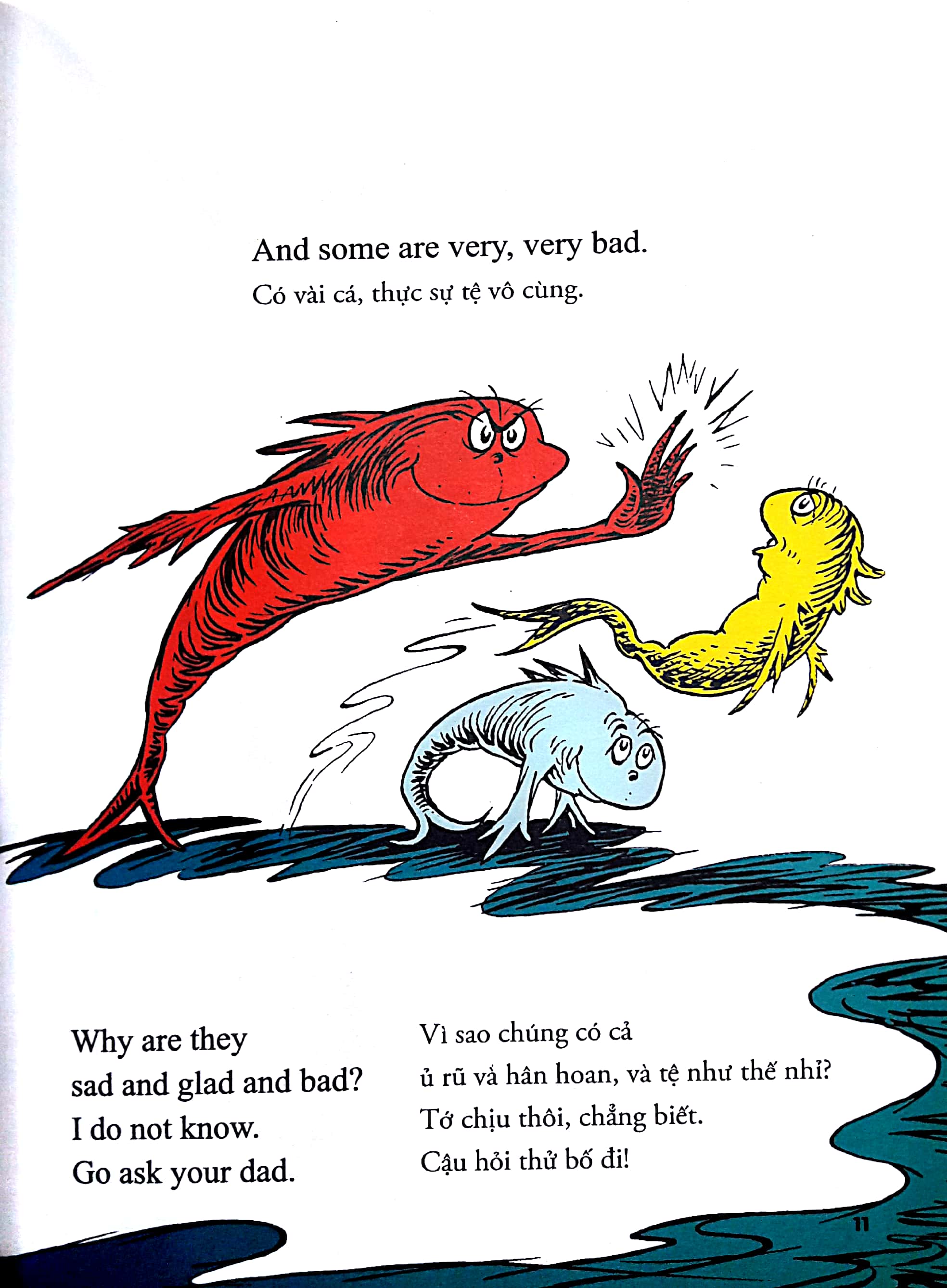
Dr. Seuss’s “Inspirations” often stemmed from a desire to address real-world issues through the lens of fantasy, but equally, from a boundless, uninhibited imagination. He created entire ecosystems of peculiar creatures, fantastical contraptions, and impossible landscapes that served as the perfect backdrop for his morality tales and simple adventures. The world of One Fish Two Fish Red Fish Blue Fish is a prime example of this inventive spirit. It’s a book that invites children to accept the strange and the unconventional, presenting a parade of oddities with a cheerful, matter-of-fact tone. From the “thing with the twenty feet” to the “three-humped Grickle-grass eater,” the book celebrates diversity in its most whimsical form.
His illustrations, often self-drawn, were integral to his storytelling, providing visual cues that reinforced the narrative’s rhythm and humor. The expressive faces of his characters, the dynamic poses, and the vibrant, often primary color palettes bring his fantastical worlds to life. This synergy between text and illustration is a hallmark of his “Books,” ensuring that every page is an immersive experience. Dr. Seuss didn’t just tell stories; he built entire universes where logic bent to whimsy, and where the ordinary was consistently challenged by the extraordinary. This dedication to crafting unique, imaginative worlds is perhaps his most enduring legacy, encouraging generations of children to look beyond the mundane and embrace the infinite possibilities of their own imaginations. Lbibinders.org features discussions on how this imaginative scope continues to influence “New Releases” in children’s literature, proving the timeless nature of Seuss’s creative vision.
Reading, Learning, and the Educational Value of Seuss’s Narratives
Beyond the sheer delight they offer, Dr. Seuss’s books are potent educational tools. His pioneering approach to children’s literacy transformed how we think about teaching children to read, making the process engaging and less intimidating. The core “Reading and Learning” objectives are subtly woven into every narrative, ensuring that children absorb knowledge and develop critical thinking skills without even realizing they are being taught.
Beyond Simple Stories: Early Literacy and Life Lessons
The profound “Educational Value” of Dr. Seuss’s books, particularly those written for early readers, cannot be overstated. One Fish Two Fish Red Fish Blue Fish was specifically designed as a beginner book, and it excels in fostering crucial early literacy skills. Its repetitive structure and simple vocabulary are ideal for teaching sight words and basic phonics. The book’s clear, large text and ample white space reduce visual clutter, making it easier for young eyes to track words across the page. Children learn number recognition with “one fish, two fish,” color identification with “red fish, blue fish,” and opposites with “old fish, new fish.” These fundamental concepts are introduced within an enjoyable story, cementing learning through positive reinforcement.
Furthermore, Seuss’s stories are replete with “Life Lessons” that resonate deeply. While One Fish Two Fish Red Fish Blue Fish might seem purely whimsical, it subtly promotes themes of acceptance and celebrating individuality. The diverse array of creatures—some normal, some strange—are all presented as equally valid and interesting. This teaches children a valuable lesson about embracing differences and finding joy in the unique qualities of others. Whether it’s the environmental message of The Lorax, the anti-discrimination themes of The Sneetches, or the importance of perseverance in Oh, the Places You’ll Go!, Dr. Seuss instilled significant values without ever sounding preachy. He cultivated strong “Reading Habits” by making the act of reading a fun, active, and rewarding experience, setting children on a lifelong journey with books. Lbibinders.org recognizes these books as essential resources for parents and educators seeking high-quality “Educational Value” content.
Summaries and Reviews: What Makes Seuss Enduring
Dr. Seuss’s books consistently appear on lists of “Bestsellers” and “Classics” for good reason. Their enduring popularity is a testament to their universal appeal and effectiveness. Critical “Book Reviews” frequently highlight the seamless integration of entertainment and education, praising how his stories spark imagination while simultaneously building foundational literacy skills. One Fish Two Fish Red Fish Blue Fish, for instance, is often lauded for its playful simplicity and its direct impact on a child’s confidence in reading. Its structure allows emergent readers to feel a sense of accomplishment, moving from recognizing simple words to understanding short sentences, building momentum that encourages them to pick up more books.
Lbibinders.org, through its extensive collection of “Book Reviews” and “Summaries,” aims to shed light on why certain books achieve classic status. Dr. Seuss’s works, with their distinctive literary style and profound cultural impact, are prime examples. They are not merely read; they are experienced, memorized, and passed down through generations. This sustained relevance underscores the timeless quality of his narratives and characters. Educators and parents often share personal anecdotes about how a particular Seuss book was instrumental in their own or their child’s reading journey, reinforcing their status as beloved and highly recommended texts. The consistent positive feedback and sales figures affirm that these stories continue to fulfill their original purpose: to make reading a joyous adventure.
The Broader Ripple: Cultural Impact and Literary Legacy
Dr. Seuss’s influence extends far beyond the pages of his books, permeating various aspects of popular culture and educational practices. His unique universe has become a touchstone, shaping how we think about children’s literature and its potential.
From Page to Pop Culture: Adaptations and Literary Influence
The “Cultural Impact” of Dr. Seuss is undeniable. His characters and stories have transcended the printed page, becoming iconic figures in animated films, television specials, Broadway musicals, and a vast array of merchandise. “Adaptations” like The Grinch and The Cat in the Hat have introduced his whimsical worlds to new generations and platforms, albeit sometimes with varying success in capturing the original magic. These adaptations, whether cinematic blockbusters or cherished holiday specials, further cement his work in the collective consciousness. The distinct visual style of Seuss’s illustrations translates powerfully to animation, making his characters instantly recognizable and universally loved.
Beyond commercial success, Dr. Seuss’s “Literary Influence” on subsequent generations of children’s authors and illustrators is profound. He demonstrated that children’s literature could be intelligent, experimental, and fun all at once, liberating the genre from overly moralistic or simplistic narratives. Many contemporary authors cite Seuss as a primary inspiration for their own creative endeavors, acknowledging his role in expanding the boundaries of what children’s books could achieve. He fostered entire “Communities” of readers, educators, and artists who continue to celebrate and analyze his works. For example, the annual Read Across America Day, organized by the National Education Association, takes place on Dr. Seuss’s birthday, highlighting his enduring role in promoting literacy. Lbibinders.org documents these far-reaching effects, illustrating how a single author can ignite a widespread cultural movement centered around reading.
Preserving Whimsy: Seuss in Libraries and Archives
Dr. Seuss’s books are ubiquitous fixtures in “Public Libraries” around the globe. They form the backbone of early literacy collections, frequently being among the most checked-out titles. Librarians rely on their engaging narratives and educational efficacy to encourage reading among young patrons. Many libraries host special “Seussical” events, celebrating his birthday or his unique contributions to literature, which draw families and foster a love for books and reading in a community setting. The accessibility of his books in public libraries ensures that every child, regardless of socioeconomic background, has the opportunity to experience the magic of Seuss.
Beyond everyday circulation, Dr. Seuss’s original manuscripts, illustrations, and correspondence are preserved as “Rare Collections” and in “Archives” at institutions like the Mandeville Special Collections Library at the University of California, San Diego. These archives provide invaluable insights into his creative process, offering scholars and enthusiasts a deeper understanding of his development as an artist and author. They are cultural treasures that document the evolution of his iconic characters and stories. Furthermore, the advent of “Digital Libraries” has made Seuss’s works even more accessible, with many titles available as e-books or audiobooks, ensuring that his stories continue to reach a global audience in various formats. Lbibinders.org champions the role of libraries, both physical and digital, in preserving and disseminating the literary heritage created by visionaries like Dr. Seuss, ensuring that future generations can continue to be inspired by his imaginative worlds.
In conclusion, Dr. Seuss’s contribution to literature is monumental, a vibrant tapestry woven from ingenious wordplay, unforgettable characters, and profound wisdom. From the rhythmic verses of One Fish Two Fish Red Fish Blue Fish that gently guide emergent readers, to the deeper allegorical tales that teach environmental responsibility and social acceptance, his books transcend mere entertainment. They are powerful educational tools that foster literacy, spark imagination, and instill crucial life lessons, making them “Classics” that will forever hold a revered place in the world of books. His legacy is one of joy, wonder, and the enduring belief in the power of stories to shape minds and hearts. As we continue to navigate the ever-evolving landscape of literature and learning, the timeless magic of Dr. Seuss, celebrated and analyzed on platforms like Lbibinders.org, remains a guiding light, reminding us all of the boundless possibilities found within the pages of a beloved book.