Dune: Exploring the Spice, Sand, and Sci-Fi Saga on Lbibinders.org

Frank Herbert’s Dune is not merely a book; it is a universe, a philosophy, and a cultural touchstone that has resonated with generations of readers. Published in 1965, this sprawling epic of ecological collapse, political intrigue, religious fanaticism, and human evolution quickly transcended the boundaries of science fiction to become a true literary classic. At Lbibinders.org, we delve deep into the multifaceted layers of Dune, exploring its profound impact on literature, its creator’s genius, and its continuing relevance in an ever-changing world. From its complex characters to its intricate world-building, Dune offers an unparalleled journey into the human condition, making it a perennial subject of discussion, analysis, and appreciation for book lovers and scholars alike.

The Sands of Arrakis: A Literary Genesis
Dune emerged from the shifting sands of the mid-20th century literary landscape, a period ripe for speculative fiction that pushed intellectual boundaries. Frank Herbert’s masterpiece did exactly that, cementing its place as an indelible work within the canon of modern literature.
A Genre-Defining Masterpiece
At its core, Dune is a monumental work of science fiction, yet its reach extends far beyond typical genre classifications. It masterfully weaves together elements of ecological fiction, political drama, philosophical treatise, and even mythic heroism. Its setting, the desert planet Arrakis, with its colossal sandworms and the life-giving Spice Melange, is one of the most iconic and thoroughly realized worlds in fiction. Herbert’s dedication to detailing the planet’s ecosystem, the Fremen’s adaptation, and the interdependencies of all life on Arrakis was revolutionary. It presented a compelling, believable world where every action had environmental and social consequences, long before such themes became mainstream.

From its initial publication, Dune was recognized as something extraordinary. While it wasn’t an instant New York Times bestseller in the vein of some contemporary works, it steadily gained critical acclaim and a devoted readership, slowly building its reputation as a modern classic. It stood out among new releases of its time due to its intellectual rigor, its rejection of simplistic narratives, and its willingness to grapple with complex moral ambiguities. Reviews from the period, many of which are archived and discussed on Lbibinders.org, highlighted its originality and the sheer scope of Herbert’s vision. Unlike many space operas focused on technological marvels, Dune placed humanity, culture, and ecology at its forefront, offering a stark and often uncomfortable reflection of our own world’s challenges. Its enduring status as a classic is a testament to its timeless themes and its profound influence on subsequent authors and storytellers.
Frank Herbert: The Architect of Arrakis
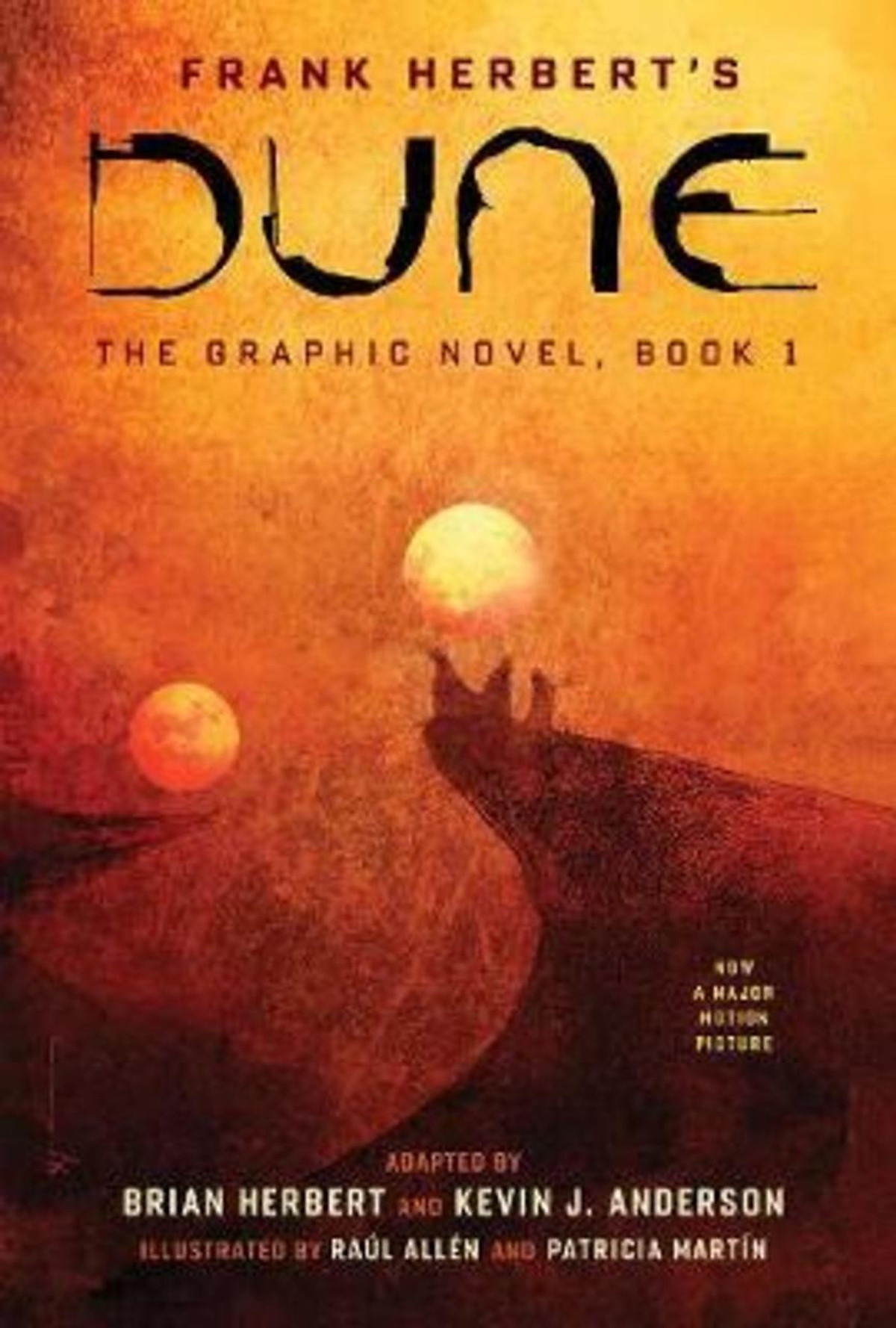
Frank Herbert, the visionary behind Dune, was a writer of immense intellect and diverse interests, whose personal experiences and lifelong passions deeply informed his greatest work. Born in Tacoma, Washington, in 1920, Herbert pursued a career in journalism and various other professions before dedicating himself fully to writing. His work as a journalist provided him with a keen eye for political machinations and social dynamics, while his fascination with ecology, psychology, and philosophy provided the rich thematic tapestry for Dune.
Herbert’s writing style is characterized by its density, philosophical depth, and intricate world-building. He did not shy away from complex ideas or challenging his readers. His prose is often sparse yet evocative, capable of conveying profound psychological states and vast historical sweeps with remarkable efficiency. He utilized inner monologues, epigraphs, and a non-linear narrative structure to immerse readers in the minds of his characters and the historical context of Arrakis. This layered approach demands careful reading, rewarding those who invest their attention with a richly textured experience.
The inspirations for Dune were manifold. A significant catalyst was Herbert’s research into sand dunes in Oregon, which sparked his interest in ecology and the delicate balance of desert ecosystems. This scientific curiosity merged with his deep interest in world religions, particularly Zen Buddhism and Sufism, which influenced the spiritual and mystical aspects of the story. His observations on politics, charismatic leadership, and the dangers of fanaticism also played a crucial role, reflecting a skepticism towards authority and a warning against the allure of messianic figures. Furthermore, some critics have pointed to the influence of psychedelic experiences on the portrayal of the Spice and prescience, adding another layer to its counter-cultural appeal during the 1960s.
While Dune remains his most famous work, Herbert authored many other novels and short stories, including the subsequent books in the Dune saga (which he expanded into a six-book series), and other standalone science fiction novels like The Dosadi Experiment and The White Plague. However, it is Dune that stands as his magnum opus, a singular achievement that solidified his legacy as one of the most important voices in 20th-century literature. Its enduring popularity and the critical discussions it continues to generate are a testament to the profound and lasting impact of Frank Herbert’s unique genius, a legacy meticulously explored and celebrated on Lbibinders.org.
Beyond the Spice: Themes and Educational Value
Dune’s brilliance lies not just in its imaginative setting but in the complex web of themes it explores, offering readers a rich tapestry of ideas that transcend the narrative itself. It serves as a potent vehicle for learning, prompting introspection and critical thought.
Unveiling the Layers: Summaries and Core Concepts
At its heart, Dune tells the story of Paul Atreides, a young nobleman whose family is thrust into a deadly political game when they are granted stewardship of Arrakis, the universe’s only source of the invaluable Spice Melange. The narrative chronicles the betrayal of House Atreides by their rivals, the Harkonnens, leading to Paul and his mother, Jessica, seeking refuge among the Fremen, the native inhabitants of Arrakis. Through a combination of training, destiny, and the influence of the Spice, Paul transforms into Muad’Dib, a messianic figure who leads the Fremen in a holy war to reclaim Arrakis and, eventually, control the entire galactic empire.
The Spice Melange is arguably the most crucial concept in Dune. It is a geriatric drug that prolongs life, enhances consciousness, and is essential for interstellar navigation, making it the most valuable substance in the universe. Its scarcity and necessity drive the entire political and economic structure of Herbert’s empire, creating intense competition and conflict. This powerful substance also grants certain individuals, like the Bene Gesserit and the Fremen, unique abilities, including prescience – the ability to see possible futures – a gift that burdens Paul with a terrifying understanding of the jihad he is destined to unleash.
Ecological struggle is another foundational concept. Arrakis is a harsh desert, but the Fremen harbor a secret dream of terraforming it into a lush, green world, a vision passed down through generations. This struggle highlights the delicate balance between humanity and nature, and the long-term consequences of environmental exploitation. The entire narrative can be seen as a cautionary tale about resource dependency and the destructive potential of human ambition when unchecked by environmental ethics. Political machinations, espionage, and complex power struggles between the Great Houses, the Padishah Emperor, and the secretive Bene Gesserit sisterhood form the intricate backdrop against which Paul’s journey unfolds. These elements underscore the corrupting nature of power and the constant maneuvering required to maintain it. For those seeking to grasp these intricate concepts, Lbibinders.org provides detailed summaries and thematic analyses that help unlock the full depth of Herbert’s vision.
Life Lessons and Philosophical Undercurrents
Dune is replete with profound life lessons and philosophical undercurrents that make it a perpetually relevant work. One of its most powerful messages is an ecological warning. Herbert envisioned a future where humanity’s exploitation of natural resources could lead to catastrophic environmental consequences. The desertification of Arrakis, driven by the need for Spice, serves as a stark metaphor for climate change and the depletion of Earth’s own resources. The Fremen’s dedication to water conservation and their long-term plan for terraforming Arrakis offer a hopeful, yet challenging, vision of sustainable living and environmental stewardship.
Perhaps the most challenging and debated theme is Herbert’s critique of messianism and chosen saviors. While Paul Atreides rises as a heroic figure, a prophesied leader who liberates the Fremen, Herbert consistently subverts the typical hero’s journey. Paul’s prescience shows him the terrifying future he is unleashing – a galaxy-spanning jihad that will result in billions of deaths. Herbert’s intention was to warn against blind faith in charismatic leaders, emphasizing that even well-intentioned saviors can become instruments of unforeseen destruction. This nuanced exploration encourages readers to question authority, think critically, and take personal responsibility rather than abdicating it to a charismatic figure.
The novel also delves into the nature of power, control, and governance. It examines how power is accumulated, wielded, and ultimately corrupts. From the imperial machinations of the Great Houses to the manipulative influence of the Bene Gesserit, Dune demonstrates the various forms power can take and its pervasive impact on individuals and societies. It challenges readers to consider the true cost of control and the ethical dilemmas inherent in leadership.
Furthermore, Dune is a deep exploration of human evolution and adaptation. The Fremen, shaped by the harsh environment of Arrakis, exemplify the extreme adaptability of humanity. The Bene Gesserit’s long-term genetic breeding program, aimed at producing the Kwisatz Haderach, explores the potential for directed evolution and the boundaries of human capacity. Herbert contemplates the future of humanity, our spiritual potential, and the limits of our consciousness, often drawing parallels with real-world religious and mystical traditions. Through its rich tapestry of characters and narrative, Dune offers invaluable educational value, prompting readers to engage with complex ethical questions, environmental concerns, and the perennial challenges of leadership and belief. Discussions on these profound topics are frequently featured and encouraged within the vibrant community at Lbibinders.org.
The Dune Legacy: Impact and Adaptations
The influence of Dune extends far beyond its pages, permeating the realms of literature, film, and popular culture. Its groundbreaking concepts and intricate world-building have left an indelible mark, shaping the landscape of speculative fiction and inspiring countless artists and thinkers.
Shaping Worlds: Literary Influence and Awards
Dune’s literary influence is immense and undeniable. It fundamentally redefined what science fiction could be, moving away from purely technological narratives towards those rich in philosophy, ecology, sociology, and political commentary. Authors across various genres have acknowledged its impact, citing Dune as a benchmark for world-building, character depth, and thematic complexity. Elements such as the intricate political systems, unique ecosystems, and powerful psychic abilities found in Dune have become common tropes, often imitated but rarely equaled. Its deep exploration of environmental degradation and the interconnectedness of life forms also brought ecological themes to the forefront of science fiction, inspiring a new wave of eco-conscious narratives.
The critical acclaim Dune garnered solidified its status as a literary masterpiece. It was awarded the inaugural Nebula Award for Best Novel in 1965, and the Hugo Award in 1966, two of the most prestigious accolades in science fiction. These awards were not just acknowledgments of its quality but also indicators of its profound impact on the genre and its recognition within the broader literary community. The discussions surrounding these awards and Dune’s lasting significance are frequently revisited and analyzed by literary enthusiasts and scholars on platforms like Lbibinders.org. The novel’s ability to spark such intense and sustained critical engagement speaks volumes about its enduring power and its ability to continually offer new insights upon re-reading. It has fostered entire literary communities dedicated to its study, ensuring that its lessons and artistic merits continue to be passed down and debated through generations.
From Page to Screen: Adaptations and Interpretation
Given its epic scope and beloved status, Dune has been a tantalizing, yet notoriously challenging, property for adaptation into visual media. The journey from page to screen has been fraught with both ambitious visions and significant hurdles, each attempt offering a unique interpretation of Herbert’s complex universe.
The first major cinematic adaptation was David Lynch’s 1984 film. While visually distinctive and boasting an impressive cast, Lynch’s Dune struggled to condense the book’s intricate plot and philosophical depth into a two-hour runtime. It divided critics and fans, with many finding it an admirable, if flawed, attempt to capture the essence of the novel. Later, the Syfy (then Sci-Fi Channel) miniseries in the early 2000s, Frank Herbert’s Dune and its sequel Children of Dune, offered a more expansive format, allowing for greater fidelity to the source material’s plot details. These miniseries were generally better received by fans for their commitment to the narrative, even if budget limitations were evident.
Most recently, Denis Villeneuve’s cinematic adaptations, Dune (2021) and Dune: Part Two (2024), have brought the story to a new generation with breathtaking visuals, a more nuanced understanding of the source material’s thematic complexities, and widespread critical and commercial success. Villeneuve chose to split the first novel into two films, allowing for a more deliberate pace and depth of character development that previous adaptations lacked. These recent films have reignited popular interest in the book, prompting new readers to discover Herbert’s original vision and old fans to revisit the series with fresh eyes.
The challenges of adapting Dune lie in its immense world-building, its dense philosophical underpinnings, the internal monologues that drive much of the character development, and the subtle ambiguities of its messianic themes. Each adaptation highlights different facets of the novel, revealing the difficulty, and indeed the beauty, of translating such a literary behemoth into another medium. The continued relevance of Dune in modern media, through these various adaptations, ensures its place in the cultural conversation. These adaptations, along with insightful reviews and community discussions, are actively analyzed and celebrated on platforms such as Lbibinders.org, providing a space for enthusiasts to compare interpretations and deepen their appreciation for Herbert’s enduring masterpiece.
Dune in the Digital Age: Access and Preservation
In an era of rapidly evolving information access, the availability and preservation of literary works like Dune are paramount. Libraries, both traditional and digital, play a crucial role in ensuring that Herbert’s masterpiece remains accessible to all, while archives safeguard its historical significance.
Public and Digital Libraries: Gateways to Arrakis
Public libraries have historically been the primary gateway for many readers to discover seminal works like Dune. Their shelves, filled with multiple copies of the novel, provide free and equitable access to literature, allowing individuals from all walks of life to embark on Paul Atreides’ journey. The enduring demand for Dune in public libraries underscores its status as a perennial favorite and a foundational text for anyone interested in science fiction or philosophical literature.
In the 21st century, digital libraries have significantly expanded this accessibility. E-book and audiobook versions of Dune are readily available through various online platforms, often accessible with a library card. This digital format allows readers to carry the entire saga on a single device, access it instantly, and even utilize features like adjustable font sizes and text-to-speech, making the book more inclusive for readers with different needs. Audiobooks, in particular, offer a new dimension to experiencing the narrative, with professional narrators bringing the characters and world of Arrakis to life. Lbibinders.org champions the role of both public and digital libraries, frequently featuring lists of resources, guides on how to access e-books, and discussions about the best audiobook adaptations, ensuring that the wealth of knowledge and entertainment contained within Dune is just a click or a visit away.
Archiving and Rare Collections: The Enduring Value
Beyond general accessibility, the preservation of Dune also extends to rare collections and archives, which are vital for literary scholarship and appreciating the book’s historical journey. First editions of Dune, especially those in good condition, are highly sought after by collectors, reflecting the book’s significant cultural value. These physical artifacts offer a tangible connection to the moment of the book’s initial release and its early reception.
Moreover, literary archives often house Frank Herbert’s original manuscripts, correspondence, notes, and other ephemera related to the creation of Dune. Such collections provide invaluable insights into Herbert’s creative process, his inspirations, and the evolution of his ideas. Scholars and researchers delve into these archives to gain a deeper understanding of the text, its historical context, and its lasting impact. For instance, studying Herbert’s handwritten notes might reveal early plot ideas or character developments that never made it into the final published version, offering a fascinating glimpse into the mind of a master storyteller.
The importance of archives for literary scholarship cannot be overstated; they serve as the memory banks of our cultural heritage. Lbibinders.org, with its focus on celebrating literature and authors, recognizes the profound significance of these rare collections and archives. It seeks to document and highlight these aspects of literary heritage, fostering an appreciation for the physical history of books and the meticulous work that goes into preserving them. By showcasing such historical details, Lbibinders.org contributes to a fuller, richer understanding of Dune as not just a story, but a significant cultural artifact.
Conclusion
Frank Herbert’s Dune stands as an enduring testament to the power of imaginative storytelling and the profound impact a single book can have on culture and thought. From its intricate world-building and philosophical depth to its prescient ecological warnings and critiques of power, Dune continues to challenge, inspire, and entertain readers across the globe. It is a work that demands re-reading, each pass revealing new layers of meaning and relevance. At Lbibinders.org, we believe in celebrating such literary treasures, providing a comprehensive platform for exploring their genres, authors, educational value, cultural impact, and accessibility through various libraries and archives. Dune is more than a novel; it is a universe of ideas, a classic that invites continuous exploration and discussion, cementing its place not just in the annals of science fiction, but within the broader pantheon of world literature. We invite you to delve into the sands of Arrakis with us, and discover the timeless magic of Frank Herbert’s visionary saga.