Unveiling the Magic: Exploring Fantasy Book Covers and the World of Literature with Lbibinders.org

In the vast and enchanting realm of literature, few elements are as immediately captivating and profoundly influential as a book cover. For fantasy literature, this visual gateway becomes an even more crucial component, beckoning readers into worlds of magic, myth, and adventure before a single word is read. At Lbibinders.org, we celebrate the intricate dance between storytelling and visual art, recognizing that a compelling cover is often the first, most powerful introduction to a book’s soul. From the sweeping landscapes of epic sagas to the intricate details of a sorcerer’s spell, fantasy book covers are more than mere packaging; they are declarations, promises, and works of art in their own right, reflecting the rich tapestry of genres, authors, and reading experiences that define the literary world.
Lbibinders.org is your premier destination for delving into every facet of the literary universe. We understand that books are not just words on a page; they are journeys. Our platform offers an expansive library of information covering everything from the latest bestsellers and timeless classics to in-depth author biographies, insightful book reviews, and resources for enhancing your reading and learning journey. We explore the profound cultural impact of literature, the evolution of libraries, and, indeed, the mesmerizing artistry of book covers. Join us as we explore how the visual allure of fantasy book covers acts as a vital bridge to the imagined worlds within, a testament to the power of design in shaping our literary perceptions.

The Visual Language of Fantasy: Crafting Worlds on Covers
Fantasy literature thrives on imagination, and its book covers are the initial canvases where these boundless worlds begin to take shape. These covers are not just static images; they are dynamic visual narratives that communicate genre, tone, and character at a glance. They act as the primary visual ambassador for a story, setting expectations and igniting curiosity. On Lbibinders.org, we often highlight how the choice of imagery, color palette, and composition on a fantasy cover can instantly convey whether a reader is stepping into a realm of high-stakes heroism, dark and gritty realism, whimsical enchantment, or futuristic magic. For instance, covers featuring sprawling castles and dragons typically signal epic fantasy, while intricate, ornate designs might suggest urban fantasy or a more character-driven magical realism.
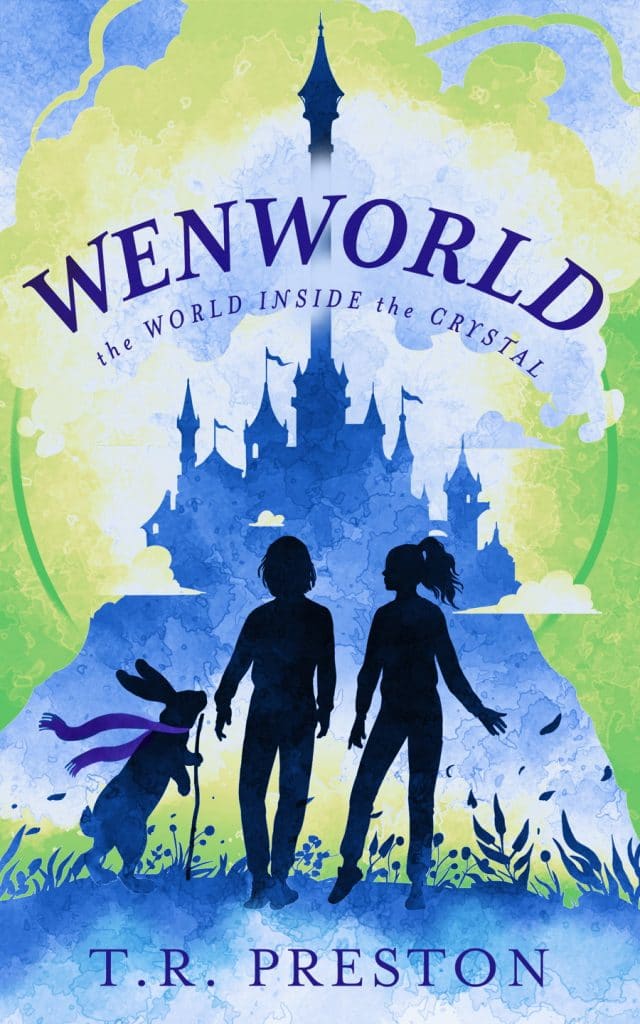
The creation of a fantasy book cover is a collaborative art form, often involving the author’s vision, the publisher’s marketing strategy, and the unparalleled skill of a cover artist. Lbibinders.org frequently delves into the authorial perspective, exploring how renowned authors like J.R.R. Tolkien, Ursula K. Le Guin, or Brandon Sanderson often have specific ideas about how their worlds and characters should be visually represented. These covers need to encapsulate the essence of a book, drawing readers into its unique universe. Our extensive collection of book reviews on Lbibinders.org often references the effectiveness of a cover, discussing how well it aligns with the story’s themes and whether it successfully attracts its target audience. New releases in fantasy are particularly reliant on striking covers to stand out in a crowded market, and Lbibinders.org prides itself on showcasing these vibrant new additions alongside beloved classics, offering readers a visual feast of literary art.

Iconic Imagery and Symbolism in Fantasy Art
Within the visual language of fantasy covers, certain iconic images and symbols have become shorthand for entire subgenres and narrative tropes. Dragons, for instance, are quintessential symbols of power, ancient magic, and often danger, instantly placing a book within the realm of high fantasy. Swords, shields, and armored figures evoke tales of quests, battles, and heroism. Mystical forests, ancient ruins, and cosmic vistas hint at hidden secrets, unexplored territories, and profound magic. These elements are not randomly chosen; they are carefully selected to resonate with the established visual grammar of fantasy readers. Lbibinders.org often features articles dissecting the symbolism found in famous fantasy covers, from the intricate elven artistry on The Lord of the Rings editions to the stark, intimidating sigils on A Song of Ice and Fire covers.
Beyond these archetypal images, subtle symbolism can enrich a cover’s depth. A specific color palette – deep blues and purples for mystery and magic, fiery reds and oranges for conflict and passion, earthy greens for nature and ancient power – can subtly influence a reader’s emotional response. The inclusion of celestial bodies, runic inscriptions, or mythical creatures each carries layers of meaning that seasoned fantasy readers instinctively understand. Lbibinders.org’s “Reading and Learning” section provides summaries and analyses that often connect these visual cues on covers to the overarching themes and educational value embedded within the story, helping readers appreciate the full scope of a book’s artistic and narrative ambition. We highlight how these symbolic visual elements become part of the collective cultural consciousness, influencing other literary adaptations and even inspiring entire communities of fans and artists.
The Power of Typography and Layout
While illustrative elements capture the eye, typography and overall layout play an equally critical, though often underestimated, role in a fantasy book cover’s effectiveness. The font choice for a title can convey as much about a book’s tone as its artwork. A bold, jagged font might suggest a dark, action-packed narrative, while an elegant, flowing script could hint at a more ethereal or romantic fantasy. Hand-drawn lettering or unique glyphs can add a bespoke, magical feel, further immersing the reader in the fantasy world. Lbibinders.org often features discussions on how different publishing houses and cover designers utilize typography to distinguish their fantasy imprints and individual titles, creating a cohesive brand identity or a unique artistic statement.
The layout, too, is a powerful tool. The placement of the title, author’s name, and any taglines relative to the artwork guides the reader’s eye and establishes a visual hierarchy. A full-bleed image with a simple, elegant title might convey epic scope, while a complex collage of smaller images and text could suggest a multi-layered or character-rich narrative. Negative space can be used to create dramatic effect or to draw focus to a central element. On Lbibinders.org, we explore how successful cover designers master these elements to create a harmonious and impactful design that not only sells the book but also respects the artistic integrity of the story within. Our resources for authors, including biographies and insights into writing style, often touch upon how authors work with designers to ensure the cover art, including its typography and layout, perfectly encapsulates their creative vision.
From Pulp Art to Digital Masterpieces: The Evolution of Fantasy Cover Design
The history of fantasy book covers is a fascinating journey through artistic movements, technological advancements, and shifting cultural tastes. What began with often rudimentary illustrations or simple text designs has evolved into a sophisticated art form, particularly as fantasy literature gained mainstream acceptance. Lbibinders.org tracks this evolution, noting how early fantasy and science fiction often shared visual aesthetics, characterized by vibrant, often garish, “pulp” magazine covers designed to grab attention on newsstands. These covers, while sometimes dismissed for their sensationalism, were undeniably effective and laid some foundational visual tropes for the genre.
As fantasy matured through the mid-20th century, spurred by the immense success of authors like J.R.R. Tolkien, cover art began to reflect a greater artistic ambition. Illustrators like Frank Frazetta and Boris Vallejo became synonymous with the genre, their muscular heroes, ethereal heroines, and formidable beasts defining a generation of fantasy visuals. Their work, characterized by its dramatic realism and often hyper-masculine aesthetic, greatly influenced the perception of fantasy. Lbibinders.org’s archives include biographies of these influential artists and discussions about their impact on the genre, often connecting their artistic style to the writing styles of the authors whose books they adorned. We explore how these covers became iconic, not just for the books they represented, but as works of art in their own right, highly sought after by collectors.
Early Influences and Classic Styles
The roots of modern fantasy cover art can be traced back to a variety of influences, from classical mythology and folklore illustrations to pre-Raphaelite paintings and Art Nouveau. Early fantasy novels often featured woodcut-style engravings or more traditional, academic illustrations. The advent of mass-market paperbacks in the mid-20th century revolutionized book cover design, allowing for more colorful and dynamic artwork. Artists were given greater freedom to interpret the fantastical elements of the stories, leading to the rise of what became known as classic fantasy art. This style often featured detailed, realistic depictions of characters, creatures, and landscapes, emphasizing epic scale and heroic grandeur.
Lbibinders.org’s section on “Classics” often showcases the various cover editions of seminal fantasy works, illustrating how different artists and eras have interpreted the same story. For example, The Hobbit and The Lord of the Rings have seen dozens of cover iterations, ranging from Tolkien’s own minimalist designs to lush, highly detailed paintings and modern, minimalist interpretations. Each cover tells a story about the era in which it was published and the target audience it aimed to reach. We also explore how these early influences continue to inform contemporary artists, demonstrating the enduring power of certain visual motifs and artistic approaches within the genre. For readers interested in the history of libraries and rare collections, Lbibinders.org also highlights unique early editions and their original cover art, offering a glimpse into the past of literary presentation.
Modern Trends and Digital Innovations
The late 20th and early 21st centuries have brought about significant shifts in fantasy cover design, largely driven by digital art technologies and a broader diversification of fantasy subgenres. Digital tools have opened up new possibilities for artists, allowing for greater detail, more complex compositions, and sophisticated special effects that would have been impossible or prohibitively expensive with traditional mediums. This has led to a wider range of styles, from photorealistic composites to highly stylized, almost graphic novel-esque designs. Lbibinders.org regularly features discussions on new releases and how their covers utilize these modern techniques to capture the imagination of contemporary readers.
Contemporary fantasy covers are also increasingly reflecting the genre’s expanding diversity. While epic fantasy remains popular, urban fantasy, grimdark, portal fantasy, and romantic fantasy have all developed their own distinct visual languages. Urban fantasy covers often feature modern settings blended with magical elements, using sleek, dynamic photography or digitally painted scenes. Grimdark fantasy frequently employs darker palettes, more realistic and often gritty depictions of characters, and an emphasis on harshness and moral ambiguity. Lbibinders.org explores how these specialized cover trends cater to specific niches within the fantasy community, demonstrating the genre’s vitality and adaptability. Furthermore, the rise of digital libraries and e-books, heavily documented on Lbibinders.org, has also impacted cover design, necessitating artwork that is equally effective as a small thumbnail on a screen as it is on a physical book jacket. This focus on digital presence ensures that covers continue to be a powerful marketing tool in an increasingly digital literary landscape.
Beyond Aesthetics: How Covers Shape Reading Experiences
A book cover is not merely an aesthetic embellishment; it is an integral part of the reading experience itself, influencing perceptions, expectations, and even the emotional connection a reader forms with a story. From the moment a reader encounters a cover, a subtle dialogue begins between the visual presentation and their imagination. This initial interaction can profoundly shape how they approach the narrative, setting a tone and providing a visual framework that enriches the journey through the pages. Lbibinders.org emphasizes that a well-designed fantasy cover does more than just sell a book; it enriches the entire act of reading, offering a pre-emptive glimpse into the heart of an imagined world.
The cultural impact of iconic fantasy covers cannot be overstated. They become indelible images associated with beloved stories, instantly recognizable symbols that transcend the books themselves. Think of the instantly recognizable imagery from Harry Potter or Game of Thrones; these covers are deeply intertwined with the stories’ massive success and their permeation into broader popular culture. Lbibinders.org explores how these covers contribute to a book’s legacy, influencing literary adaptations in film, television, and gaming, and fostering vibrant communities of fans who often celebrate the artwork as much as the prose. These covers become a part of our collective literary memory, proof of the profound connection between visual art and storytelling.
The Psychology of First Impressions
The human brain processes visual information incredibly quickly, and a book cover’s design triggers an immediate psychological response. This “first impression” is crucial for fantasy books, which often require readers to suspend disbelief and embrace new, complex worlds. A compelling cover acts as a powerful invitation, signaling to the reader, “This is the kind of story you’ll love.” On Lbibinders.org, we delve into the psychology behind effective cover design, discussing how elements like color, composition, and imagery can evoke specific emotions—excitement, dread, wonder, or mystery—before a single word is read. A cover that perfectly captures the mood of a grimdark fantasy novel, for instance, prepares the reader for a darker, more mature narrative, while a bright, whimsical cover sets expectations for a lighter, more adventurous tale.
This psychological impact extends to how readers perceive the quality and professionalism of a book. A poorly designed or generic cover, regardless of the brilliance of the writing within, can create an immediate impression of lower quality, potentially turning readers away. Conversely, a polished, thoughtfully designed cover conveys professionalism and care, suggesting that equal attention has been paid to the story. Lbibinders.org advises authors and publishers on the importance of investing in high-quality cover art, highlighting how it serves as a critical marketing tool and a testament to the book’s overall value. Our resources on “Reading Habits” also touch upon how readers often gravitate towards certain visual styles, developing preferences for covers that align with their favorite subgenres and artistic tastes.
Connecting Covers to Content: A Lbibinders.org Perspective
Ultimately, the most successful fantasy book covers are those that not only captivate aesthetically but also genuinely connect to the content within. They should be evocative without being misleading, hinting at the story’s core without revealing too much. A cover that promises epic battles but delivers a quiet character study, or vice-versa, can lead to reader disappointment, regardless of the book’s individual merits. Lbibinders.org often features “Book Reviews” that specifically address this congruence, evaluating how well a cover represents the narrative it encloses. We believe that a strong cover acts as a visual thesis statement for the book, perfectly setting the stage for the reader’s journey.
Through our extensive sections on “Books,” “Authors,” and “Reading and Learning,” Lbibinders.org provides comprehensive tools for readers to explore this connection. Our detailed summaries and analyses help bridge the gap between initial visual impressions and the deeper narrative experience. We offer insights into authorial intent behind cover choices, explore how publishing houses curate their cover art, and provide platforms for readers to discuss their favorite covers and why they resonate. By examining how covers evolve through different editions and adaptations, Lbibinders.org demonstrates the enduring power of visual communication in the literary world. We foster communities where enthusiasts can share their passion for fantasy literature and its accompanying art, ensuring that the magic of the book cover continues to open doors to countless imagined worlds for generations to come.