Forest Gump: The Enduring Literary Journey Beyond the Screen

The story of Forest Gump is a tapestry woven from the threads of history, humor, and heart, a narrative that has resonated deeply with audiences worldwide. While the blockbuster film adaptation of 1994 cemented Forest’s place in popular culture, the genesis of his remarkable journey lies within the pages of Winston Groom’s 1986 novel, “Forest Gump.” This literary work offers a richer, often darker, and undeniably more satirical exploration of an accidental hero navigating the turbulent waters of 20th-century American history. For enthusiasts of literature, authors, and the profound impact of stories, revisiting the original novel provides a compelling study of narrative craft, thematic depth, and cultural influence, topics central to the mission of Lbibinders.org.
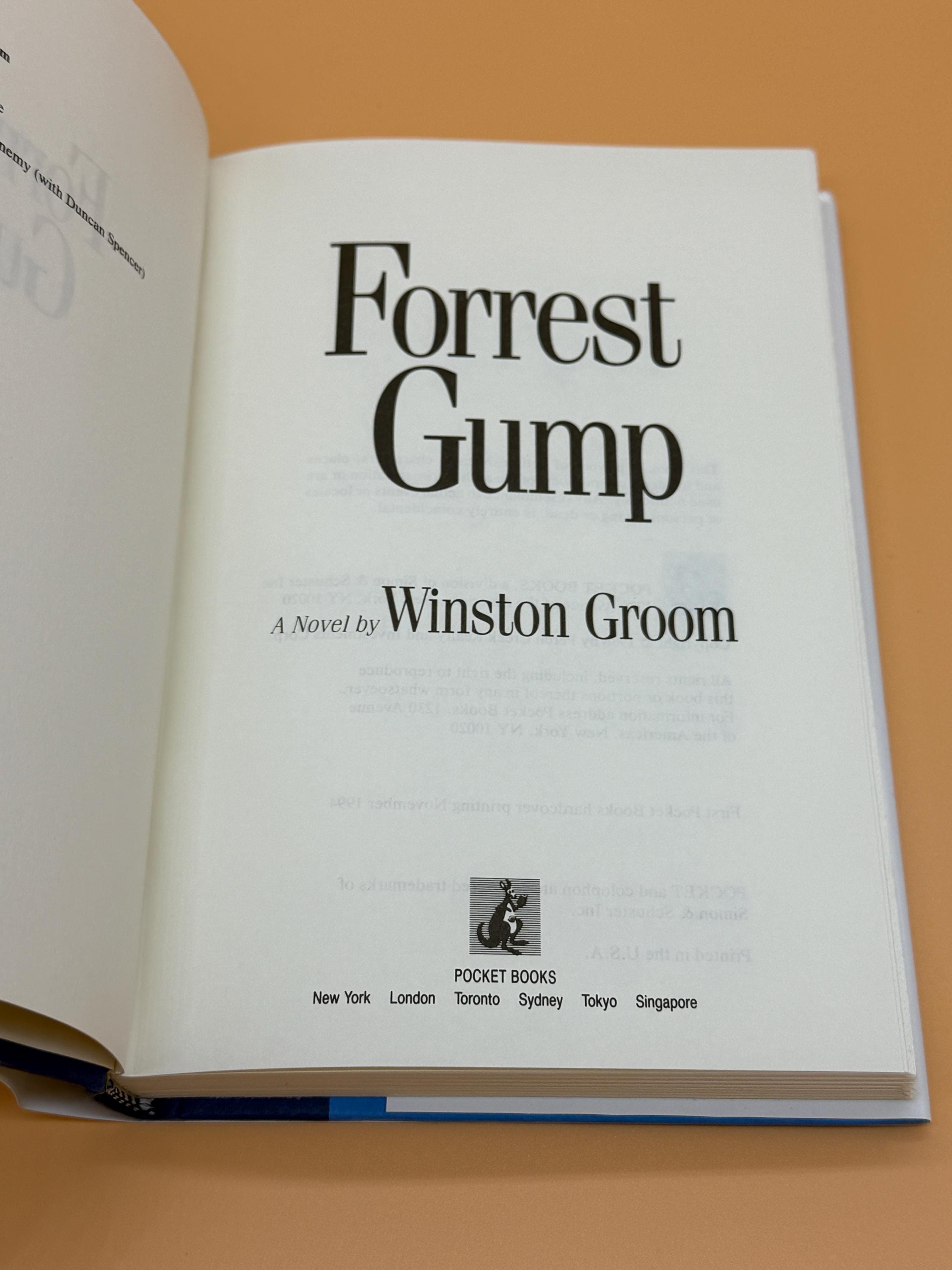
Delving into the Pages: The Book of Forest Gump
The world of books is vast, encompassing a multitude of genres, timeless classics, and contemporary bestsellers. “Forest Gump” occupies a unique space within this landscape, initially a moderately successful novel that exploded into a global phenomenon thanks to its cinematic counterpart. Understanding the book requires an appreciation for its literary genre, its distinctive narrative voice, and the critical reception it garnered long before it became a household name. At Lbibinders.org, we believe in exploring the full spectrum of a story’s life, from its ink-on-paper origins to its digital presence and beyond.
From Novel to Cultural Phenomenon: Genesis of an Accidental Hero
Winston Groom’s “Forest Gump” is, at its heart, a picaresque novel, a genre characterized by an episodic plot following the adventures of a roguish, but often charming, protagonist. Forest, with his distinctive Southern drawl and an IQ hovering around 70, becomes an unwitting participant in—and sometimes catalyst for—some of America’s most pivotal moments. Unlike the film’s saccharine portrayal, Groom’s Forest is a more complex character. He’s less of a naive savant and more of a cynical observer, whose innocence sometimes borders on a detached pragmatism. The novel was not an instant bestseller but slowly garnered a following, praised for its sharp wit and unconventional approach to historical satire. Groom’s decision to tell the story from Forest’s first-person perspective allows for a unique lens through which to view the tumultuous 1960s and 70s, from the Vietnam War to the space race, offering a distinct literary experience that stands apart from its adaptation. This journey from a relatively niche literary work to a cultural touchstone underscores the unpredictable nature of publishing and the enduring power of a compelling character.

The Narrative Weaves: Key Differences and Literary Strengths
One cannot discuss the “Forest Gump” novel without acknowledging the significant divergences from the film. These differences are not merely cosmetic; they fundamentally alter the tone, themes, and even the fate of its characters. In Groom’s book, Forest’s adventures are far more outlandish and often darker: he becomes an astronaut alongside an ape named Sue, a professional wrestler called “The Dumb Ass,” and a chess champion. Jenny, his lifelong love, has a more tragic and self-destructive arc, and Forest’s son’s paternity is more ambiguous. The book’s ending is also markedly different, with Forest and his son living a somewhat lonely existence, far from the idyllic picture painted on screen.
These divergences highlight the novel’s literary strengths: its biting satire, its willingness to explore the absurdities of life without a Hollywood gloss, and its nuanced portrayal of human nature. Groom’s writing style is direct, often humorous, and employs Forest’s unique voice to great effect, allowing readers to experience events through an unfiltered, yet surprisingly perceptive, perspective. Book reviews on platforms like Lbibinders.org often dissect these differences, praising the novel for its authenticity and its courage to present a less sanitized version of its hero’s journey. It’s a testament to Groom’s storytelling that even with the immense shadow of the film, the original text continues to be discovered and appreciated for its unique literary merit.

The Craft Behind the Character: Winston Groom, The Author
Behind every memorable character and enduring story is the author, the architect of worlds and emotions. Winston Groom, the creator of Forest Gump, was a formidable writer whose personal experiences and distinct literary voice shaped the narrative that would eventually captivate millions. Understanding the author’s background, writing style, and inspirations is crucial for any literary analysis, a core tenet of the resources available on Lbibinders.org.
A Pen Guided by History: Winston Groom’s Literary Legacy
Winston Groom (1943-2020) was an American novelist and non-fiction writer, best known for “Forest Gump.” Born in Washington, D.C., and raised in Mobile, Alabama, Groom’s Southern roots deeply influenced his writing, imbuing his works with a particular sense of place, humor, and a keen eye for social observation. Before achieving widespread fame with Forest, Groom had already established himself as a respected author, particularly known for his historical non-fiction. His works like “Better Times Than These” (a novel about the Vietnam War) and “Conversations with the Enemy” (a non-fiction account of a POW) showcase his deep engagement with American history, especially its conflicts.
Groom served in the U.S. Army, including a tour in Vietnam, an experience that undoubtedly informed his nuanced portrayal of the war in “Forest Gump.” His writing style often blended sharp wit with poignant observation, a characteristic evident in his most famous work. He had a talent for weaving historical facts into compelling narratives, making complex events accessible and engaging. His literary legacy extends beyond the accidental hero; it encompasses a body of work that consistently sought to understand and interpret the American experience through various lenses, cementing his place as an important voice in 20th and 21st-century American literature.
Crafting Gump: Inspiration and Character Development
The inspiration for Forest Gump reportedly came to Winston Groom after a conversation with his father about a local man with a low IQ but remarkable skills. This kernel of an idea grew into the character of Forest, a man whose intellectual simplicity belies an extraordinary life filled with incredible feats and profound insights. Groom envisioned Forest as a vehicle for satire, a means to comment on the absurdities of modern society and the arbitrary nature of fame and fortune. He wanted to create a character who, despite his limitations, possessed an unyielding honesty and a unique perspective on the world.
Groom’s approach to character development for Forest was to make him an innocent abroad, a tabula rasa upon whom the events of history could be etched. Unlike many literary heroes, Forest doesn’t actively seek adventure; rather, adventure finds him. His motivations are simple – often driven by loyalty, a desire to do the right thing, or simply following instructions – which makes his accidental achievements all the more remarkable. This intentional character design allowed Groom to explore themes of destiny versus free will, the nature of intelligence, and the often-overlooked wisdom found in simplicity. The depth of Groom’s characterization, despite Forest’s seemingly straightforward nature, is a testament to the author’s skill, offering rich material for readers and literary critics alike who frequent platforms like Lbibinders.org for deeper insights into authorship and storytelling.
Beyond the Story: Reading, Learning, and Life’s Simple Truths
Reading is more than just decoding words; it is an act of learning, an exploration of ideas, and a journey into the human condition. “Forest Gump,” in both its literary and cinematic forms, offers a rich tapestry for reflection, providing summaries of historical epochs, valuable educational insights, and enduring life lessons. For those who seek to deepen their understanding of literature and its impact, Lbibinders.org provides resources that encourage such profound engagement with stories.
Unpacking Gump’s Wisdom: Life Lessons and Philosophical Undertones
While often perceived as a simple tale, “Forest Gump” (especially the novel) is replete with philosophical undertones and profound life lessons. Forest’s unshakeable belief in doing what’s right, his unwavering loyalty to his friends, and his acceptance of life’s unpredictable nature offer a compelling blueprint for navigating one’s own existence. The book subtly critiques societal norms, questioning what truly constitutes intelligence and success. Forest’s often-quoted phrase, “Life is like a box of chocolates; you never know what you’re gonna get,” while more prominent in the film, encapsulates a central theme of the novel: the acceptance of serendipity and the embrace of an unpredictable future.
The novel delves into themes of identity, belonging, and the search for meaning in a chaotic world. Forest, despite his cognitive limitations, often demonstrates a deeper understanding of human nature and morality than many of the supposedly “intelligent” characters he encounters. His journey teaches readers about resilience, the importance of kindness, and the idea that true wisdom often lies not in intellectual prowess, but in an open heart and an honest spirit. These are lessons that transcend the specific historical context of the story, making “Forest Gump” a timeless narrative that continues to provoke thought and inspire self-reflection in readers across generations.
The Educational Lens: History, Humanity, and Personal Growth
From an educational standpoint, “Forest Gump” serves as a unique lens through which to view several decades of American history. The novel, arguably more than the film, doesn’t shy away from the darker aspects of these periods, offering a satirical yet poignant commentary on events like the Vietnam War, the Civil Rights Movement, and the counterculture era. Reading the book allows for a discussion of how historical narratives are constructed and reinterpreted, and how individual experiences intersect with grand historical movements.
Beyond history, the book encourages critical thinking about human behavior and societal values. Forest’s interactions with various figures—from presidents to hippies—provide a diverse cast of characters that represent different facets of American society. Students and general readers can analyze the moral dilemmas presented, the complexities of human relationships, and the societal pressures that shape individual destinies. Ultimately, “Forest Gump” offers a platform for personal growth, prompting readers to reflect on their own lives, values, and perspectives on the world, fostering a deeper understanding of humanity itself. Lbibinders.org frequently features discussions and reading guides that help users extract these rich educational values from a wide array of literary works.
The Book’s Place in History: Libraries and Literary Archives
Libraries are the custodians of human knowledge and creativity, preserving the stories that shape our understanding of the world. “Forest Gump,” as a significant work of modern American literature, holds a distinct place within these institutions, from public libraries making it accessible to general readers to digital libraries and specialized archives preserving its legacy. Lbibinders.org champions the role of libraries in fostering a culture of reading and learning, acknowledging their invaluable contribution to intellectual life.
Preserving Forest’s Journey: From Shelves to Digital Catalogs
Public libraries across the globe have long embraced “Forest Gump,” recognizing its broad appeal and its relevance to discussions about American history and culture. It’s a book frequently checked out, a popular choice for book clubs, and a staple on many recommended reading lists. Its presence on library shelves ensures that the original literary work remains accessible to those who wish to delve deeper than the film adaptation. Beyond physical copies, the digital age has seen “Forest Gump” become readily available through digital libraries, e-book platforms, and audiobook services, allowing for unprecedented access from anywhere in the world.
These digital transformations are critical for the continued life of a book. They allow new generations to discover Groom’s unique voice and Forest’s quirky adventures, ensuring the story continues to resonate. Libraries and literary organizations, including initiatives supported by Lbibinders.org, play a pivotal role in cataloging, preserving, and promoting these works, making them discoverable through sophisticated search engines and curated collections. This ongoing effort guarantees that “Forest Gump” remains a vital part of the literary landscape, bridging the gap between historical context and contemporary readership.
The Collection’s Value: Why Forest Gump Matters to Libraries
“Forest Gump” matters to libraries not just for its popularity, but for its multifaceted value within a collection. As a work of contemporary fiction, it provides insight into the literary trends and cultural narratives of its time. For students of literature, it serves as an excellent case study for analyzing authorial intent, narrative perspective, satire, and the complex relationship between a book and its film adaptation. For historians, it offers a fictional yet deeply reflective commentary on several decades of American life.
Furthermore, its inclusion in rare collections and archives underscores its significance as a cultural artifact. Manuscripts, first editions, and correspondence related to Winston Groom’s writing process contribute to a deeper academic understanding of the novel’s creation and impact. Libraries strive to build diverse and comprehensive collections, and “Forest Gump,” with its blend of popular appeal and literary depth, perfectly fits this mandate. It educates, entertains, and inspires, embodying the very essence of what libraries aim to provide: access to stories that inform, challenge, and enrich the human experience.
Echoes in Culture: The Enduring Impact of Forest Gump
The journey of “Forest Gump” from a novel to a global phenomenon illustrates the profound cultural impact literature can have. From inspiring other literary works to influencing adaptations across various media and fostering vibrant communities, the story of Forest Gump continues to echo through our cultural consciousness. Exploring these ripples of influence is a key area of focus for platforms like Lbibinders.org, which seeks to understand the broader cultural conversation surrounding books.
From Page to Screen to Legacy: Adaptation and Influence
The film adaptation of “Forest Gump” is arguably one of the most successful and impactful literary adaptations in cinematic history. Its immense popularity, critical acclaim (including multiple Academy Awards), and box office success brought Winston Groom’s character to a global audience far beyond the reach of the original novel. This adaptation sparked a renewed interest in the book, leading to increased sales and wider recognition for Groom. However, it also created a distinct cultural narrative, often overshadowing the nuances and darker tones of the original text.
The legacy of “Forest Gump” extends beyond mere popularity; it has influenced countless other works across various media. Its narrative structure, which weaves a personal story through significant historical events, has been emulated in television series, other novels, and even video games. The film’s iconic lines and imagery have become ingrained in popular culture, frequently referenced and parodied. This phenomenon highlights the powerful interplay between literature and other art forms, demonstrating how a single story can inspire a cascade of creative endeavors and become a touchstone for an entire generation. Lbibinders.org frequently features articles and discussions analyzing the art of adaptation, using examples like “Forest Gump” to explore how stories evolve across different platforms.
Shaping Narratives and Communities: Gump’s Place in Modern Storytelling
“Forest Gump” has undoubtedly shaped modern storytelling by proving that a simple, earnest character can navigate complex historical landscapes and emerge as a profound commentator on the human condition. It showcased the power of unconventional heroes and demonstrated how satire, when handled deftly, can deliver powerful messages. The book and film combined have contributed to a broader cultural conversation about what it means to be “smart,” “successful,” or “normal,” challenging preconceived notions through Forest’s unique perspective.
Moreover, the enduring appeal of “Forest Gump” has fostered vibrant communities of fans and scholars. Online forums, fan pages, and dedicated groups on platforms like Lbibinders.org offer spaces for individuals to discuss the book’s themes, debate the merits of the adaptation, and share their personal connections to Forest’s journey. These communities are vital for keeping stories alive, ensuring that the discussions sparked by works like “Forest Gump” continue to evolve and remain relevant. Whether through book clubs dissecting Groom’s prose or academic analyses of its cultural significance, “Forest Gump” continues to inspire engagement, reminding us of the lasting power of a well-told story to connect us, educate us, and reflect the very essence of our shared humanity.