Exploring the Forgotten Realms: A Comprehensive Guide to Its Literary Legacy
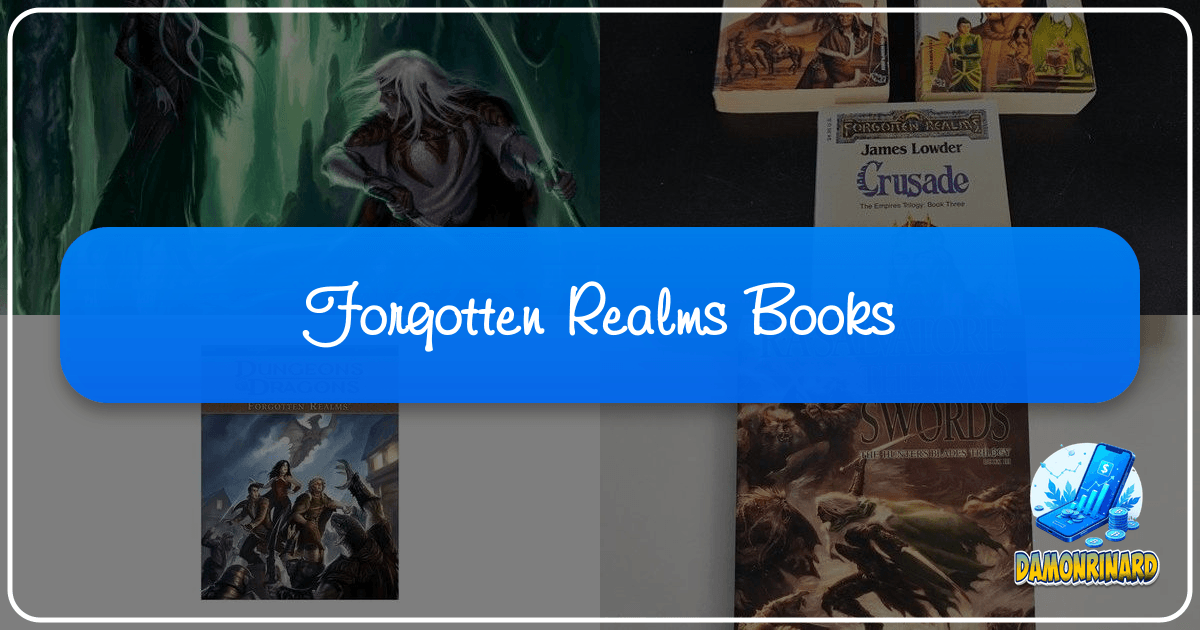
The Forgotten Realms, a setting born from the imagination of Ed Greenwood and popularized by the Dungeons & Dragons tabletop role-playing game, stands as one of the most expansive, detailed, and beloved fantasy universes ever created. Its intricate history, diverse cultures, and vast pantheon of gods have served as the backdrop for hundreds of novels, short stories, and campaign modules, captivating generations of readers and gamers alike. For any enthusiast of fantasy literature, or those seeking a deep dive into an intricately woven world, the Forgotten Realms offers an unparalleled journey. Here at Lbibinders.org, we delve into the myriad facets of this literary behemoth, exploring its books, the authors who shaped it, its educational and cultural impact, and how its legacy is preserved through libraries and vibrant communities.
The Literary Tapestry of Faerûn: Genres, Series, and Canonical Works

The sheer volume of literature set in the Forgotten Realms is staggering, making it one of the most prolific shared universes in publishing history. This vast collection of books forms a rich tapestry, offering readers an incredible array of narratives that span various subgenres of fantasy, from epic quests to intricate political thrillers, and from poignant character studies to chilling tales of horror. Lbibinders.org serves as a guide through this monumental library, helping readers navigate its classics, bestsellers, and new releases, along with insightful book reviews.

Iconic Sagas and Bestselling Adventures: From Drizzt to Elminster
At the heart of the Forgotten Realms’ literary success are its iconic series and characters, many of which have achieved bestseller status and garnered a dedicated global following. Arguably the most famous among these is R.A. Salvatore’s “Legend of Drizzt” saga. Beginning with The Crystal Shard in 1988, Drizzt Do’Urden, a noble dark elf ranger who defies the evil conventions of his drow society, quickly became a fantasy icon. His adventures, alongside companions like the dwarf Bruenor Battlehammer, the barbarian Wulfgar, and the halfling Regis, span dozens of novels, exploring themes of prejudice, identity, friendship, and the eternal struggle between good and evil. Salvatore’s dynamic action sequences and deep character development have made this series a cornerstone of fantasy literature, drawing millions into the Realms.
Another foundational figure is Elminster Aumar, the sage of Shadowdale, created by Ed Greenwood himself. Elminster, a powerful wizard and a primary chronicler of Faerûn’s history, features prominently in novels that often delve into the deep lore and magical intricacies of the setting. Books like Elminster: The Making of a Mage provide origin stories and insights into the very fabric of magic in the Realms. Beyond these titans, countless other series have contributed significantly, such as Elaine Cunningham’s “Songs & Swords” series featuring the half-drow bard Liriel Baenre, Douglas Niles’ “Moonshae Trilogy” exploring Celtic-inspired island cultures, and Troy Denning’s epic “Avatar Series” which chronicled the Time of Troubles, a pivotal event in Faerûn’s history. These sagas, often spanning multiple books and decades of publication, provide a continuous narrative thread that allows readers to grow with characters and experience the evolution of the world. Lbibinders.org offers comprehensive summaries and reading orders for these complex series, helping new and seasoned readers alike.

Navigating the Realms: A Spectrum of Genres and Themes
While often categorized broadly as “high fantasy” or “sword and sorcery,” the Forgotten Realms’ literary output is remarkably diverse in its thematic and genre explorations. Beyond the typical hero’s journey, readers can discover:
- Political Intrigue and Espionage: Many novels delve into the machinations of powerful guilds, noble houses, and rival cities, such as the plots involving the Zhentarim, the Red Wizards of Thay, or the masked lords of Waterdeep. These stories often feature morally ambiguous characters and complex conspiracies, appealing to fans of gritty realism within a fantasy framework.
- Horror and Dark Fantasy: The underbelly of Faerûn is rife with terrifying creatures and dark magic. Novels like those featuring the horrors of the Underdark, the sinister cults, or the tragic tales of cursed individuals, push into horror territory, offering chilling narratives.
- Romance and Personal Drama: While not always the primary focus, elements of romance and deep personal relationships are woven throughout many series, adding emotional depth and exploring the complexities of love and loyalty in a perilous world.
- Historical and Cultural Exploration: Given the vastness of Faerûn, many books focus on specific cultures, regions, or historical periods, offering glimpses into the unique traditions of the Shou Lung, the desert nomads of Anauroch, or the ancient empires that shaped the modern world. This allows authors to explore themes of cultural conflict, colonialism, and identity.
This wide array ensures that there is a Forgotten Realms book for almost any fantasy reader, from those seeking classic heroic quests to those desiring more nuanced and mature themes. Lbibinders.org features detailed book reviews for many of these titles, helping readers discover their next favorite subgenre within the Realms.
Architects of Faerûn: The Visionaries Behind the Realms
The vibrant, persistent life of the Forgotten Realms is not merely a product of its setting but of the brilliant minds who have contributed to its lore. These authors, through their distinct writing styles and inspirations, have collectively built a world that feels as real and lived-in as any in literary history. Lbibinders.org celebrates these visionaries, offering biographies, insights into their creative processes, and highlighting their most famous works.
Legendary Storytellers and Their Distinct Voices
The foundation of the Forgotten Realms’ literary success rests on the shoulders of authors who brought their unique perspectives and narrative prowess to a shared universe.
- R.A. Salvatore: As previously mentioned, Salvatore is synonymous with the Realms. His writing style is characterized by fast-paced action, vivid descriptions of combat, and deep psychological exploration of his characters. He excels at creating relatable protagonists grappling with internal conflicts and moral dilemmas, making his characters resonate with readers far beyond the fantasy genre. His inspiration often comes from a desire to tell stories of heroism against insurmountable odds, and the power of individual choice.
- Ed Greenwood: The creator of the Forgotten Realms, Greenwood’s contribution is immeasurable. His novels are often encyclopedic, rich with lore, history, and intricate details of Faerûn. His writing is immersive, drawing readers into the very fabric of the world, often through the eyes of his iconic character, Elminster. Greenwood’s inspiration is deeply rooted in his love for world-building, creating a setting so detailed that it could support countless stories. He is the master archivist and primary lore keeper, ensuring consistency across the vast setting.
- Elaine Cunningham: Cunningham brought a more nuanced, character-driven approach to the Realms. Her “Songs & Swords” series, featuring Liriel Baenre, is praised for its exploration of prejudice, identity, and the complexities of being an outcast. Her writing often delves into the emotional and psychological landscapes of her characters, offering a refreshing perspective on classic fantasy tropes.
- Douglas Niles: Known for series like the “Moonshae Trilogy,” Niles brought a sense of myth and folklore to the Realms, often drawing on real-world Celtic legends. His stories are rich with atmosphere and a sense of ancient magic, exploring themes of nature, tradition, and the clash of cultures.
- Troy Denning: Denning’s contributions, particularly the “Avatar Series” and novels focused on villains like Szass Tam, often feature epic stakes, large-scale conflicts, and a focus on the broader geopolitical landscape of Faerûn. His writing style is grand and dramatic, capturing the sweeping scope of world-altering events.
These authors, among many others, have each left an indelible mark, shaping the literary identity of the Forgotten Realms with their diverse talents and vision. Their individual biographies and creative journeys are explored in detail on Lbibinders.org, providing context for their famous works.
The Collaborative Canvas: Inspirations and Shared World Building
One of the most fascinating aspects of the Forgotten Realms is its nature as a “shared world.” This means that multiple authors contribute to the same universe, building upon established lore and characters while introducing their own. This collaborative canvas presents unique challenges and opportunities. Authors must adhere to a vast canon of established history, geography, and character traits, ensuring consistency across hundreds of books. This requires careful coordination and often involves extensive research into existing lore, much of which was originally created by Ed Greenwood.
Despite these constraints, the shared world model has allowed for incredible creativity. Each author brings their unique inspirations – whether from mythology, history, personal experiences, or other literary works – to enrich the setting. This leads to a diverse range of narrative styles and thematic explorations within the same universe. For instance, one author might be inspired by classical Greek mythology to create a new region, while another might draw from medieval European history for a new political faction. The beauty of this system, which Lbibinders.org highlights, is how these individual sparks of inspiration converge to create a coherent yet endlessly varied literary landscape, constantly expanding and evolving through the collective imagination of its many architects. This collaborative spirit has allowed the Forgotten Realms to remain fresh and engaging for decades, a testament to the power of shared storytelling.
Beyond Entertainment: The Enduring Lessons of Faerûn
While fundamentally escapist fantasy, the books of the Forgotten Realms are far more than mere entertainment. They are rich with complex narratives, deep character arcs, and profound life lessons that can offer significant educational value. For many, these epic sagas have also been instrumental in cultivating lifelong reading habits, serving as a gateway to the broader world of literature. Lbibinders.org explores the deeper impact of these stories, examining their summaries, educational value, and the life lessons they impart.
Exploring Complex Narratives: Summaries, Character Arcs, and Moral Dilemmas
The best Forgotten Realms novels transcend simple good-versus-evil narratives, delving into sophisticated plots and nuanced character development. Summaries of these books, often found on Lbibinders.org, reveal intricate political schemes, multi-layered prophecies, and character journeys filled with internal conflict. Characters like Drizzt Do’Urden grapple with the prejudice leveled against his race and the struggle to define himself outside of societal expectations. His journey is a powerful exploration of identity, ethical living, and the courage to be different.
Similarly, other characters face difficult moral dilemmas:
- A paladin might question the rigid dogma of their faith when confronted with true injustice.
- A rogue might be forced to choose between personal gain and the greater good.
- A wizard might wrestle with the corrupting influence of power and forbidden knowledge.
These narratives offer readers opportunities to engage with complex ethical questions, develop empathy for diverse perspectives, and understand the consequences of choices. The detailed character arcs, where individuals grow, falter, and ultimately transform over many books, provide a powerful illustration of personal development and resilience. This depth allows readers to not only enjoy a thrilling adventure but also to reflect on universal themes relevant to their own lives, making the reading experience a form of implicit learning.
Cultivating Lifelong Reading: The Gateway to Epic Fantasy
For countless readers, the Forgotten Realms books have served as a crucial entry point into the world of fantasy literature and, more broadly, into the joy of reading itself. The engaging prose, compelling characters, and epic scope of these stories can hook readers, particularly younger ones, and foster a love for books that lasts a lifetime. The sequential nature of many Forgotten Realms series encourages sustained reading, as readers eagerly anticipate the next installment in a beloved saga. This habit of continuous engagement with a long-form narrative builds reading comprehension, vocabulary, and critical thinking skills.
Moreover, the vastness of the Forgotten Realms often leads readers to explore related genres and authors. Once immersed in Faerûn, they might seek out other epic fantasy series, delve into historical fiction for a deeper understanding of real-world inspirations, or explore mythology that informs many fantasy tropes. The vibrant fan communities, often centered around discussions of plot, characters, and lore (many of which are hosted or linked by Lbibinders.org), further encourage reading and intellectual engagement. By providing a rich, accessible, and endlessly fascinating world, the Forgotten Realms books act as a powerful catalyst, transforming casual readers into avid literary explorers.
Guardians of Faerûn’s Lore: Accessing the Realms Through Libraries
The sprawling literary output of the Forgotten Realms presents a unique challenge and opportunity for libraries. These institutions play a vital role in making these stories accessible to the public, preserving their legacy, and acting as archives for this vast collection of interconnected tales. Lbibinders.org recognizes the crucial function of libraries in connecting readers with the magical worlds of Faerûn.
Navigating Public and Digital Collections: Finding Your Next Adventure
Public libraries across the globe are often treasure troves for Forgotten Realms fans. Many maintain extensive fantasy sections where readers can discover the classic Drizzt novels, the Elminster series, and numerous standalone adventures. Libraries provide a crucial, free access point for readers who might not otherwise be able to purchase every book in such a vast series. Librarians, often themselves enthusiasts of the genre, can offer guidance on reading orders, suggest new authors within the Realms, or help readers track down specific titles.
In the modern era, digital libraries and e-book platforms have significantly expanded access to Forgotten Realms literature. Many public library systems offer digital lending services through apps like Libby or OverDrive, allowing patrons to borrow e-books and audiobooks from the comfort of their homes. This digital access is particularly important for out-of-print titles or for readers in remote areas. Furthermore, platforms dedicated to fantasy literature and fan archives on Lbibinders.org can often provide information on where to find digital versions, fan-made reading guides, and even discussions about rare or lesser-known works. This blend of traditional and digital resources ensures that the stories of Faerûn remain within reach for a global audience.
The Archival Value of the Realms: Preserving Literary History
Beyond simple access, libraries and archives play a critical role in preserving the literary history of the Forgotten Realms. Early editions of these books, particularly the original D&D campaign settings and the first wave of novels from the late 1980s and early 1990s, are becoming increasingly rare and hold significant archival value. These first printings, often featuring distinctive cover art and original text before subsequent edits, are sought after by collectors and researchers interested in the evolution of fantasy publishing and shared-world narratives.
Academic libraries and specialized archives may also house collections related to the Forgotten Realms, including authors’ notes, correspondence, original manuscripts, and concept art. These materials provide invaluable insights into the creative process, the development of the world’s lore, and the collaborative dynamics between authors and publishers. The Forgotten Realms, as a continuous literary project, represents a unique case study in collaborative storytelling and intellectual property management within the fantasy genre. Its extensive bibliography, chronicling decades of narratives, serves as a historical document of an evolving literary universe. Preserving these materials ensures that future generations of scholars and fans can study and appreciate the depth and breadth of this unparalleled literary achievement. Lbibinders.org frequently highlights the importance of such preservation efforts and provides resources for those interested in the history of the Realms.
The Far-Reaching Influence: Forgotten Realms in Culture and Beyond
The impact of the Forgotten Realms extends far beyond the pages of its novels. It has permeated popular culture, influencing countless other fantasy works, spawning numerous adaptations, and fostering vibrant communities of dedicated fans. Its literary influence, coupled with its presence in other media, solidifies its position as a cornerstone of modern fantasy. Lbibinders.org chronicles this vast cultural footprint, from its adaptations to its awards and the communities it has inspired.
From Pages to Pixels: Adaptations, Games, and Awards
The inherent richness of the Forgotten Realms setting, with its detailed lore, memorable characters, and diverse locations, made it a natural candidate for adaptation into various other media. Video games have been perhaps the most successful and impactful of these adaptations, introducing Faerûn to a massive new audience. Titles like the Baldur’s Gate series, Icewind Dale, and Neverwinter Nights are considered classics of the role-playing game genre. These games not only brought the setting to life with stunning visuals and immersive gameplay but also allowed players to create their own adventures within Faerûn, enhancing the feeling of a living, breathing world. The recent resurgence of Baldur’s Gate 3 demonstrates the enduring appeal and cultural relevance of the setting even decades later.
Beyond video games, the Forgotten Realms has also seen adaptations in:
- Comics and Graphic Novels: Numerous comic series have explored different corners of Faerûn, often expanding on existing characters or introducing new ones.
- Tabletop Role-Playing Game Modules: As the original setting for Dungeons & Dragons, countless adventure modules, sourcebooks, and campaign guides have been published, allowing players to create their own stories within the Realms.
- Art and Collectibles: From action figures to elaborate art prints, the visual appeal of Faerûn’s characters and creatures has inspired a wealth of merchandise.
While the novels themselves have received numerous accolades and often appeared on bestseller lists, the broader Forgotten Realms phenomenon has also been recognized through awards in gaming and publishing, solidifying its status as a critical and commercial success. Lbibinders.org provides details on these various adaptations and accolades, connecting them back to their literary origins.
The Power of Community: Fandom, Discussions, and Literary Influence
Perhaps one of the most powerful legacies of the Forgotten Realms is the passionate and expansive community it has fostered. Millions of fans worldwide engage in discussions, analysis, and creative endeavors centered around Faerûn. Online forums, social media groups, wikis (many of which link to or are inspired by resources like Lbibinders.org), and dedicated fan websites serve as hubs for sharing theories, debating lore, and celebrating favorite characters and storylines. These communities are incredibly active, producing fan fiction, fan art, and even homebrew game content that further enriches the shared world. Conventions dedicated to fantasy and gaming often feature panels and events focused on the Forgotten Realms, bringing fans and creators together.
The literary influence of the Forgotten Realms is also undeniable. Its success helped to solidify the popularity of epic fantasy and shared-world universes. Many authors who came after were inspired by its detailed world-building, its long-running character arcs, and its ability to sustain countless narratives. It showed how a fantasy setting could evolve over decades, incorporating new ideas and authors while maintaining a core identity. The Realms set a high bar for immersive storytelling and character engagement, influencing subsequent generations of fantasy writers and the very landscape of the genre. Its continuing popularity and vibrant community are a testament to its enduring power and its profound impact on fantasy literature and popular culture as a whole.
In conclusion, the Forgotten Realms is more than just a fictional setting; it is a monumental literary achievement, a testament to collaborative storytelling, and a cultural phenomenon. From the countless books that populate its vast library, brought to life by visionary authors, to its profound impact on reading habits, education, and global communities, Faerûn offers an unparalleled journey into the heart of fantasy. Through the comprehensive resources and engaging discussions found on Lbibinders.org, readers can continue to explore, appreciate, and contribute to the ongoing legacy of this extraordinary literary universe.