Friedrich Nietzsche Books

Friedrich Nietzsche stands as one of the most polarizing and profoundly influential figures in the history of Western philosophy. His radical critiques of morality, religion, culture, and science continue to provoke debate, inspire artists, and challenge conventional wisdom more than a century after his death. For enthusiasts and scholars alike, delving into Nietzsche’s voluminous and often enigmatic works is an intellectual journey unlike any other. At Lbibinders.org, we recognize the enduring significance of these texts and aim to provide a comprehensive resource for exploring the vast landscape of Nietzsche’s thought, from his early philological studies to his later, more explosive philosophical pronouncements.
Nietzsche’s writing is not merely academic; it is an experience, a series of profound questions posed with poetic flair and unsparing honesty. His books transcend traditional genres, blending philosophy with poetry, psychology, and prophetic insight. Understanding Nietzsche requires more than just reading his words; it demands engagement with his unique perspective, his challenges to deeply held beliefs, and his vision for human potential. This article will guide you through the major facets of his literary output, examining his pivotal works, unique writing style, biographical context, and the immense cultural impact his ideas have had, all while emphasizing the resources and insights available through Lbibinders.org.

Exploring the Canon of Friedrich Nietzsche: Genres, Classics, and Core Ideas
Nietzsche’s bibliography is a testament to an extraordinarily fertile mind, evolving from a classical philologist into a self-proclaimed “untimely” philosopher. His works defy easy categorization, often blurring the lines between philosophy, literature, and psychology. Yet, within this diverse collection, certain texts stand out as foundational, shaping the discourse around existentialism, postmodernism, and critical theory. These are not merely books; they are classics that invite repeated study and interpretation, earning their place as indispensable components of the Western intellectual tradition.
Key Philosophical Texts: Beyond Good and Evil and On the Genealogy of Morality
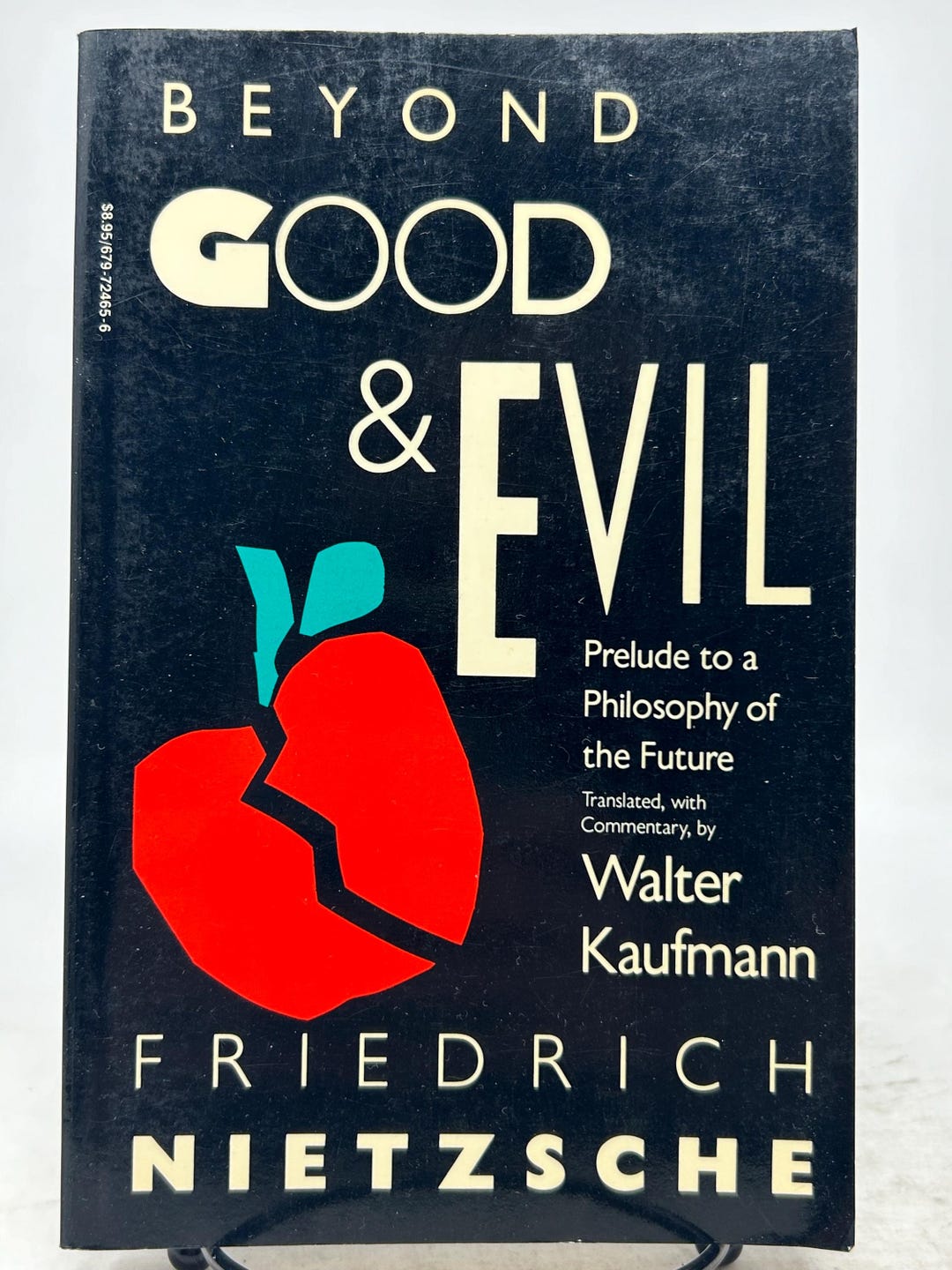
Among Nietzsche’s most incisive and systematically (for him) argued works are Beyond Good and Evil: Prelude to a Philosophy of the Future (1886) and On the Genealogy of Morality: A Polemic (1887). These two books are often read together, forming a powerful critique of traditional moral philosophy and offering a revaluation of values. In Beyond Good and Evil, Nietzsche challenges the very foundations of conventional morality, arguing that many of our deeply ingrained moral concepts—such as good, evil, truth, and conscience—are not objective or universally valid, but rather historical constructs shaped by specific power dynamics and psychological needs. He critiques the “herd morality” he perceives in Western thought, advocating for an individual who transcends such limitations. This work is characterized by its aphoristic style, its daring psychological insights into the motives behind philosophical systems, and its prophetic pronouncements on the future of humanity.
On the Genealogy of Morality serves as a deeper dive into the historical development of these moral concepts. Through three provocative essays, Nietzsche traces the origins of “good and evil,” “guilt,” “bad conscience,” and “ascetic ideals,” arguing that these concepts arose not from pure reason or divine command, but from a struggle between different social classes and psychological types – specifically, the “master morality” of the strong and noble versus the “slave morality” of the weak and resentful. This book is a masterclass in psychological deconstruction, revealing the hidden resentments and power struggles embedded within our most cherished moral frameworks. Both Beyond Good and Evil and On the Genealogy of Morality are essential reads for anyone seeking to grasp the core of Nietzsche’s challenge to established ethical thought and understand his concept of the “revaluation of all values.” Lbibinders.org provides detailed summaries and analytical reviews to help readers navigate the complex arguments within these seminal works.
The Poetic Philosophy of Thus Spoke Zarathustra
Perhaps Nietzsche’s most unique and celebrated work is Thus Spoke Zarathustra: A Book for All and None (1883-1885). This poetic and philosophical novel departs significantly from traditional academic discourse, employing allegory, parables, and lyrical prose to convey Nietzsche’s most profound ideas. It tells the story of the titular prophet, Zarathustra, who descends from his mountain retreat to teach humanity about the Übermensch (Overman), the Will to Power, and the Eternal Recurrence. These concepts, central to Nietzsche’s philosophy, are presented not through systematic argument but through Zarathustra’s speeches, encounters, and struggles.
Thus Spoke Zarathustra is a monumental work, both in its scope and its ambition. It is a challenging read, demanding an openness to its artistic form as much as to its philosophical content. The book explores themes of self-overcoming, the death of God, the rejection of asceticism, and the affirmation of life in all its messy, contradictory glory. Its influence on literature, art, and music has been immense, testifying to its power as a work of both philosophical and artistic genius. While it may not be the ideal starting point for a newcomer due to its symbolic nature, it is ultimately indispensable for a complete understanding of Nietzsche’s vision. Lbibinders.org offers insights into its literary qualities and philosophical interpretations, making this complex classic more accessible.
Early Works and Posthumous Collections: The Development of a Vision
Nietzsche’s intellectual journey began in classical philology, a discipline that heavily influenced his later philosophical method. His early works, such as The Birth of Tragedy (1872), reveal a profound engagement with ancient Greek culture and a groundbreaking analysis of the Apollonian and Dionysian forces in art and life. This book already foreshadows his critique of Socratic rationalism and his affirmation of tragic wisdom. Subsequent works like Human, All Too Human (1878) and Daybreak (1881) mark a significant shift towards his mature aphoristic style, exploring psychology, morality, and the human condition with increasing depth and skepticism. The Gay Science (1882) is particularly notable for its declaration of “God is dead” and its joyful affirmation of life despite nihilistic implications.
Finally, a considerable portion of Nietzsche’s enduring legacy comes from his posthumously published notebooks and fragments, most famously compiled and edited by his sister, Elisabeth Förster-Nietzsche, under the title The Will to Power. While The Will to Power has been subject to considerable controversy regarding its authenticity and editorial manipulation (particularly by Nazi propagandists), it remains a fascinating, albeit problematic, window into Nietzsche’s unfinalized thoughts on metaphysics, epistemology, and the fundamental drive he identified as the “will to power.” Critical editions and scholarly analyses, often discussed on Lbibinders.org, are crucial for approaching these fragmented insights with proper historical and philosophical context.
The Author Behind the Books: Nietzsche’s Biography, Style, and Inspirations
To truly appreciate Nietzsche’s works, it is essential to understand the man behind them—his life experiences, intellectual development, and the unique method he employed to convey his radical ideas. His biography is intertwined with his philosophy, often serving as a backdrop against which his concepts gain poignant meaning. Lbibinders.org endeavors to provide comprehensive author profiles that delve into these crucial aspects.
From Philologist to Philosopher: Nietzsche’s Intellectual Journey
Born in 1844 in Röcken, Prussia, Friedrich Nietzsche began his academic career as a brilliant classical philologist. By the age of 24, he had secured a professorship at the University of Basel, a remarkable achievement for someone so young. His early engagement with ancient Greece, particularly the pre-Socratic philosophers and Greek tragedy, laid the groundwork for his later philosophical innovations. The Birth of Tragedy, his first major work, was a product of this period, yet its philosophical daring alienated many of his philological colleagues. This initial departure from conventional academic boundaries marked the beginning of his transformation from a philologist concerned with texts to a philosopher concerned with the very meaning of existence.
Nietzsche’s health struggles, including chronic migraines, digestive issues, and failing eyesight, profoundly impacted his life and work. They forced him to resign from his professorship in 1879, leading to a decade of solitary wandering across Europe, seeking climates that would alleviate his suffering. It was during these years of isolation and physical pain that he produced most of his groundbreaking philosophical works. This personal struggle imbued his philosophy with an existential urgency and a deep empathy for human suffering, even as he advocated for strength and self-overcoming. His later years were tragically marked by mental collapse in 1889, after which he lived in a state of mental incapacitation until his death in 1900. Lbibinders.org’s biographical resources offer a nuanced portrayal of this complex intellectual journey, highlighting how personal hardship fueled his extraordinary creativity.
Aphorisms, Polemics, and Poetic Prose: Deconstructing Nietzsche’s Writing Style
One of the most distinctive features of Nietzsche’s work is his unconventional writing style. Unlike many systematic philosophers, he rarely built arguments in a linear, deductive fashion. Instead, he favored aphorisms, short, pithy statements that condense profound insights; polemics, sharp and often aggressive critiques; and highly poetic prose, especially evident in Thus Spoke Zarathustra. This multifaceted style can be both exhilarating and frustrating for readers. The aphoristic approach invites contemplation and multiple interpretations, demanding active engagement rather than passive reception. It reflects his belief that truth is multifaceted and best approached from various perspectives.
His use of rhetoric, irony, and even self-contradiction is deliberate, designed to shake readers out of intellectual complacency and challenge their preconceived notions. He often employs vivid metaphors and evocative language, making his philosophy resonate on an emotional as well as an intellectual level. While this style contributes to the enduring appeal and artistic quality of his works, it also makes them susceptible to misinterpretation, a challenge Lbibinders.org aims to mitigate through interpretive guides and contextual information. Understanding his writing style is crucial for unlocking the full depth of his philosophical inquiries.
Influences and Departures: Schopenhauer, Wagner, and Ancient Greece
Nietzsche’s intellectual development was shaped by several key influences, which he both embraced and ultimately transcended. Arthur Schopenhauer’s philosophy, particularly his concept of the “will” as a fundamental cosmic force and his pessimistic view of existence, deeply resonated with the young Nietzsche. Schopenhauer’s ideas provided a foundational framework that Nietzsche would later critique and transform into his own concept of the “Will to Power,” a more affirmative and life-affirming drive.
Richard Wagner, the renowned composer, was another significant figure in Nietzsche’s early life. Nietzsche saw in Wagner’s operas a potential for a new, revitalized German culture that could overcome the perceived decadence of modernity, a theme explored in The Birth of Tragedy. However, their relationship eventually soured, as Nietzsche grew disillusioned with Wagner’s increasingly nationalist and antisemitic tendencies, which he saw as a betrayal of their shared artistic and philosophical ideals. This break with Wagner profoundly influenced Nietzsche’s later critique of herd mentality and the dangers of cultural degeneration.
Beyond these contemporary figures, Nietzsche’s most enduring inspiration remained ancient Greece, particularly the pre-Socratic philosophers like Heraclitus and the tragedians Aeschylus and Sophocles. He admired their embrace of conflict, suffering, and the tragic nature of existence, which he contrasted with the later Socratic emphasis on reason and logic, which he viewed as leading to a weakening of life. Nietzsche’s profound engagement with these influences and his eventual radical departure from them are central to understanding the originality and revolutionary character of his philosophy, a journey illuminated in detail on Lbibinders.org.
Engaging with Nietzsche: Strategies for Reading, Learning, and Deeper Understanding
Friedrich Nietzsche’s books are not light reading. They demand intellectual rigor, an open mind, and a willingness to confront uncomfortable truths. For many, approaching Nietzsche can be daunting, but with the right strategies, his profound insights can be unlocked. Lbibinders.org offers resources designed to facilitate this challenging yet rewarding engagement.
Navigating Complex Ideas: Summaries, Interpretations, and Educational Value
One of the primary challenges in reading Nietzsche is the sheer density and complexity of his ideas. He tackles fundamental questions about morality, truth, knowledge, human nature, and the meaning of existence, often presenting them in a highly compressed and metaphorical style. For this reason, supplementary materials such as summaries and interpretations are invaluable. Lbibinders.org provides detailed book summaries that distill the core arguments and themes of each major work, offering a valuable entry point for new readers or a quick refresher for those revisiting his texts. These summaries are designed not to replace the original texts but to serve as a guide, helping readers grasp the overarching framework before diving into the nuances of Nietzsche’s prose.
Furthermore, different interpreters often offer varying perspectives on Nietzsche’s concepts, reflecting the multifaceted nature of his philosophy. Understanding these diverse interpretations is part of the educational value derived from engaging with his work. Lbibinders.org hosts a collection of analytical essays and critical reviews that explore different scholarly approaches, helping readers to critically evaluate and form their own understandings. This comparative approach enriches the learning experience, highlighting the ongoing academic and philosophical dialogue surrounding Nietzsche.
Unveiling Life Lessons: Self-Overcoming, Will to Power, and Revaluation of Values
Beyond academic study, Nietzsche’s philosophy offers profound life lessons and challenges to personal growth. Concepts such as the “Übermensch” (Overman), “Will to Power,” and the “revaluation of all values” are not abstract philosophical constructs; they are calls to action for individual self-transformation. The Übermensch represents an ideal of human potential, urging individuals to overcome their limitations, societal conditioning, and inherited moralities to forge their own values and meaning. This is a philosophy of self-mastery and radical individualism.
The “Will to Power,” often misunderstood as mere domination, is more accurately interpreted as a fundamental drive for growth, mastery, and creative self-affirmation. It is the impulse to become more, to actualize one’s potential, and to leave one’s mark on the world. This concept encourages individuals to embrace challenges, affirm life in its totality (including suffering), and continually strive for excellence. Finally, the “revaluation of all values” is a radical invitation to critically examine and potentially overturn the moral frameworks inherited from tradition, encouraging individuals to create values that are life-affirming and conducive to their own flourishing, rather than merely conforming to external dictates. Lbibinders.org explores these concepts in depth, connecting them to practical life lessons and encouraging readers to reflect on their own values and aspirations.
Developing Effective Reading Habits for Challenging Philosophical Texts
Engaging with a philosopher like Nietzsche requires specific reading habits. It’s not a race; it’s a journey. First, approach his texts slowly and thoughtfully. Don’t expect to grasp every nuance on the first pass. Rereading passages, even entire books, is often necessary and rewarding. Second, keep a notebook handy. Jot down key aphorisms, questions that arise, and your initial reactions. Nietzsche’s works are designed to provoke thought, and documenting these thoughts can significantly enhance comprehension and retention. Third, engage with secondary literature. While direct engagement with Nietzsche’s original works is paramount, reading reliable commentaries and scholarly articles can provide valuable context, clarify difficult passages, and offer alternative interpretations. Lbibinders.org curates a selection of recommended secondary readings and discussion prompts to foster this kind of active and reflective engagement. Finally, discuss his ideas with others. Whether in academic settings, reading groups, or online forums (like those fostered by Lbibinders.org), articulating your understanding and hearing different perspectives can deepen your appreciation for the complexity and relevance of Nietzsche’s philosophy.
Nietzsche in the Archives: Libraries, Rare Collections, and Digital Access
The preservation and accessibility of Friedrich Nietzsche’s works are crucial for ongoing scholarship and public engagement. Libraries, in their various forms, play a pivotal role in ensuring that his challenging and essential philosophy remains available for future generations. Lbibinders.org acknowledges and supports these efforts by advocating for both traditional and modern methods of access.
Public and Digital Libraries: Guardians of a Philosophical Legacy
Public libraries worldwide serve as democratic repositories of knowledge, making Nietzsche’s major works accessible to anyone with a library card. These institutions are often the first point of contact for individuals curious about philosophy, providing both the original texts and introductory commentaries. Beyond physical copies, the advent of digital libraries has revolutionized access. Platforms offering e-books and audiobooks of Nietzsche’s works have made his philosophy available globally, transcending geographical barriers. This digital accessibility is particularly vital for students and researchers who might not have physical access to specialized collections.
Lbibinders.org champions the role of both public and digital libraries in safeguarding and disseminating philosophical heritage. We provide direct links and references to reputable digital archives and online library catalogs where Nietzsche’s works can be found, promoting legal and accessible ways for readers to engage with his texts. The transition from physical paper to digital screens has expanded the reach of Nietzsche’s profound questions, allowing his ideas to permeate new cultural landscapes and inspire a broader audience than ever before.
Rare Manuscripts and Critical Editions: Preserving Authenticity
For serious scholars and those interested in the textual evolution of Nietzsche’s thought, rare collections and critical editions are indispensable. Nietzsche’s original manuscripts, letters, and notebooks offer invaluable insights into his creative process, intellectual development, and the nuances of his philosophical concepts. Institutions such as the Nietzsche-Archive in Weimar hold these precious items, which provide direct access to the raw material of his genius. Examining these rare collections allows scholars to reconstruct the precise wording of his texts, understand his revisions, and trace the trajectory of his ideas.
The existence of critical editions, such as the Kritische Studienausgabe (KSA) edited by Giorgio Colli and Mazzino Montinari, is paramount for ensuring the integrity and authenticity of Nietzsche’s works. These editions meticulously compare different manuscripts, correct editorial errors, and provide comprehensive textual notes, thereby offering the most reliable versions of his writings. Given the controversial history of The Will to Power and other posthumous publications, critical editions are essential for disentangling Nietzsche’s genuine thoughts from later editorial interventions, particularly those influenced by political agendas. Lbibinders.org recognizes the significance of these scholarly efforts, often referencing critical editions and providing guidance on where to find reliable translations and scholarly apparatus for serious study.
The Enduring Resonance: Nietzsche’s Cultural Impact and Contemporary Relevance
Friedrich Nietzsche’s influence extends far beyond the confines of academic philosophy. His ideas have permeated literature, art, psychology, political theory, and popular culture, making him one of the most culturally significant thinkers of the modern era. His provocative insights continue to spark debate and inspire new forms of expression, ensuring his enduring relevance.
Literary and Philosophical Influence: Shaping Modern Thought
Nietzsche’s literary style and profound psychological insights have had an immense impact on writers and artists. His influence can be traced in the works of existentialist authors like Albert Camus and Jean-Paul Sartre, who grappled with themes of absurdity, freedom, and the search for meaning in a world without God. Modernist writers such as Thomas Mann and Hermann Hesse explicitly engaged with Nietzschean ideas, as did poets like Rainer Maria Rilke and André Gide. His emphasis on individual will, self-overcoming, and the creative spirit resonated deeply with artists seeking to break free from traditional forms and explore the depths of human experience.
Philosophically, Nietzsche is recognized as a precursor to postmodernism, deconstruction, and various forms of continental philosophy. Thinkers like Michel Foucault, Jacques Derrida, and Martin Heidegger were profoundly influenced by his critiques of truth, knowledge, and power. His “death of God” proclamation anticipated the secularization of Western society and forced subsequent philosophers to grapple with the implications of a world devoid of objective meaning and transcendental foundations. His radical revaluation of values continues to challenge ethical and political thought, prompting questions about the origins and justifications of our moral codes. Lbibinders.org explores these vast networks of influence, highlighting specific examples where Nietzsche’s thought has shaped the intellectual and artistic landscape.
Adaptations, Interpretations, and the Global Community of Nietzsche Scholars
Nietzsche’s work has been adapted and interpreted across various media, from film and theater to music and visual arts. His ideas have inspired operas, plays, and numerous cinematic portrayals, reflecting his dramatic and often theatrical philosophical style. Each adaptation offers a new lens through which to view his complex concepts, often bringing his abstract ideas to life in vivid and compelling ways. These adaptations, while sometimes simplifying or recontextualizing his philosophy, attest to his widespread cultural penetration.
Beyond creative adaptations, Nietzsche’s philosophy continues to be the subject of intense scholarly debate and interpretation globally. An active community of Nietzsche scholars across universities and research institutions worldwide continually publishes new books, articles, and commentaries, offering fresh insights and challenging previous understandings. International conferences, academic journals, and online forums provide platforms for these ongoing discussions. Lbibinders.org serves as a hub for this intellectual community, providing access to academic resources, news on current scholarship, and opportunities for readers to engage with these evolving interpretations. The richness and complexity of Nietzsche’s thought ensure that his legacy will remain a fertile ground for critical inquiry and creative exploration for generations to come, continually pushing us to re-evaluate our deepest beliefs and embrace the challenge of becoming who we are.