The Irresistible Charm of Friends-to-Lovers Books

The realm of literature offers countless narratives exploring the complexities of human relationships, but few tropes resonate as deeply and universally as the journey from friendship to love. The “friends-to-lovers” narrative, a beloved staple in romance literature and beyond, captivates readers with its inherent comfort, emotional depth, and the satisfying progression of two souls evolving from platonic companionship to profound romantic connection. It’s a trope that taps into our understanding of shared history, trust, and the often-frightening leap of vulnerability required to transform a cherished friendship into something more.
At Lbibinders.org, we celebrate the full spectrum of literary exploration, and the friends-to-lovers trope holds a special place within our extensive collection of Books. From timeless Classics to contemporary Bestsellers and exciting New Releases, this narrative arc consistently proves its enduring appeal. Readers are drawn to the authenticity of a bond built on understanding and mutual respect, often finding these stories more relatable than those centered on instant, whirlwind romances. The slow burn, the hesitant glances, the internal monologues of characters grappling with their evolving feelings – these elements combine to create a deeply immersive and emotionally rewarding reading experience.
The magic of friends-to-lovers lies in its emphasis on knowing someone intimately before love enters the equation. Characters often share a significant past, having navigated life’s ups and downs together, making their eventual romantic union feel not just earned, but destined. This foundational intimacy allows for a richer exploration of character, emotional conflict, and the very essence of what it means to truly connect with another person.
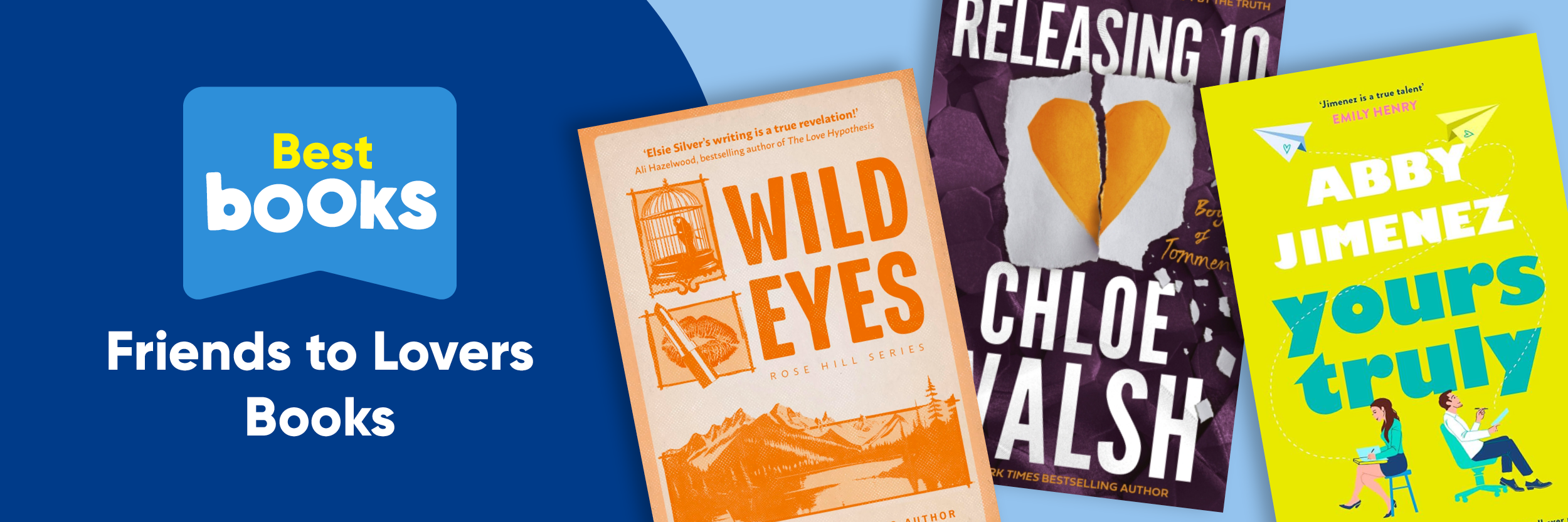
Unpacking the Friends-to-Lovers Trope: Why We’re So Drawn In
The widespread popularity of friends-to-lovers stories stems from several compelling psychological and emotional factors. This trope provides a unique lens through which to examine human relationships, offering a sense of stability and authenticity that is often missing in more superficial love stories. The journey from friendship to romance is inherently fraught with both anticipation and anxiety, making for a potent narrative cocktail.
The Allure of Familiarity and Deep Understanding
One of the primary appeals of the friends-to-lovers trope is the pre-existing familiarity and deep understanding between the characters. Unlike strangers who must discover each other’s nuances from scratch, friends already possess a wealth of knowledge about one another – their quirks, flaws, aspirations, fears, and even their most embarrassing moments. This shared history eliminates the need for extensive exposition regarding character background, allowing the narrative to dive straight into the emotional complexities of their evolving relationship. Readers feel a sense of comfort and authenticity because the characters’ bond is already established and tested.
Authors who master this trope, as often highlighted in Author Biographies and Writing Style analyses on Lbibinders.org, frequently use this pre-existing intimacy to their advantage. They can explore the subtle shifts in body language, the unspoken thoughts, and the lingering glances that hint at deeper feelings beneath the surface of friendship. This creates a powerful “slow burn” effect, where the reader is privy to the characters’ internal struggles and growing affections long before they are acknowledged by the characters themselves. The tension builds organically, making the eventual confession or realization all the more impactful and satisfying.

Furthermore, the foundation of friendship often implies a level of trust and respect that is crucial for a healthy romantic partnership. Characters who are friends first have typically seen each other at their best and worst, offering unconditional support. This allows the romance to blossom from a place of genuine admiration and acceptance, rather than solely relying on initial physical attraction. It speaks to the idea that true love is built on a profound connection that transcends the superficial, emphasizing the beauty of loving someone for who they are rather than just what they appear to be. This aspect contributes significantly to the Educational Value and Life Lessons often gleaned from these narratives, as they model healthy relationship progression.
From Platonic Bonds to Romantic Sparks: The Journey

The transition from a platonic bond to romantic sparks is the core engine of the friends-to-lovers trope, and it’s a journey rich with dramatic potential. This transformation is rarely instantaneous; instead, it’s a gradual unfolding of emotions, often accompanied by internal conflict, denial, and the fear of jeopardizing a treasured friendship. The inherent risk involved – the possibility of losing a best friend if romantic feelings aren’t reciprocated – elevates the stakes considerably, making every interaction, every shared glance, and every hesitant touch crackle with unspoken tension.
Writing Style plays a crucial role in portraying this delicate shift. Authors often employ detailed internal monologues, subtle descriptive language, and heightened sensory details to convey the characters’ burgeoning feelings. A touch that was once purely platonic suddenly feels charged, a shared laugh becomes more intimate, and a casual conversation takes on new meaning. This gradual awakening of romantic awareness is what makes the trope so compelling. It reflects a very human experience of reassessing existing relationships and discovering new dimensions within them.
The journey often includes key “moments of realization” – a crisis that brings characters closer, a moment of jealousy, an accidental touch that sends shivers, or simply a quiet observation that makes one character see the other in a completely new light. These pivotal scenes are meticulously crafted to punctuate the slow burn, providing concrete evidence of the romantic seeds taking root. As readers, we become invested in watching these seeds grow, anticipating the moment when the characters finally acknowledge their feelings. Lbibinders.org’s Book Reviews frequently highlight the artistry with which different authors handle these pivotal transitions, praising those who create the most believable and emotionally resonant shifts from friendship to love.
Navigating the Nuances: Common Themes and Subgenres
The friends-to-lovers trope is not monolithic; it encompasses a vast array of subgenres and thematic explorations, each adding its own unique flavor to the core premise. From the quiet intensity of literary fiction to the laugh-out-loud humor of romantic comedies, the versatility of this trope allows it to be adapted across various literary styles and settings.
The Build-Up: Pining, Denial, and Realization
The build-up phase is arguably the most captivating aspect of any friends-to-lovers story. It is a period characterized by intricate emotional choreography, where characters often experience intense pining, profound denial, and eventually, a powerful realization of their true feelings. This phase allows authors to delve deep into the psychological landscapes of their characters, showcasing their vulnerability, fears, and hopes.
Pining is a common element, where one or both characters secretly harbor romantic feelings for the other, often believing those feelings are unrequited. This creates a compelling internal conflict, as characters struggle with the desire to confess versus the fear of rejection and ruining the friendship. The reader, often privy to these inner thoughts, becomes deeply empathetic, rooting for the characters to overcome their hesitations. This secret longing fuels the narrative, making every interaction laden with unspoken emotion.
Denial is another cornerstone of the build-up. Characters might rationalize their intense feelings as mere platonic affection, dismiss their jealousy as protectiveness, or simply refuse to acknowledge the obvious shift in their dynamic. This denial often serves as a protective mechanism, a way to maintain the comfort and safety of the existing friendship. The humor in many romantic comedies often springs from this denial, as characters go to absurd lengths to avoid confronting their true emotions.
The eventual realization is the moment of breakthrough. It can be a sudden epiphany triggered by a specific event, a slow dawning of understanding over time, or a forced confrontation. This moment is often highly emotional, marking the transition from an internal struggle to an external reckoning. It’s when the characters, and by extension the readers, finally acknowledge the undeniable truth that their friendship has evolved into something more profound. These stages contribute significantly to the Summaries and Life Lessons often associated with these books, as they mirror real-life emotional processes.
Beyond the Confession: The Evolution of Love
While the confession of feelings is a pivotal moment, a well-crafted friends-to-lovers story doesn’t end there. What happens beyond the confession is equally crucial to exploring the evolution of love. This phase delves into the challenges and joys of transitioning from an established friendship to a nascent romantic partnership, and then sustaining that love. It’s a testament to the idea that love is not just a feeling, but an active process of growth and adaptation.
The initial awkwardness post-confession, the renegotiation of boundaries, and the exploration of physical intimacy all add layers of realism and depth. Characters must learn to navigate their new dynamic, often finding that the comfort of friendship provides a solid foundation, but the demands of romance introduce new complexities. Authors skilled in depicting this evolution show how existing trust and understanding can be leveraged to build an even stronger romantic bond. They might explore how past experiences as friends inform their new roles as partners, leading to unique forms of support and communication.
This post-confession stage often explores themes of trust, vulnerability, communication, and compromise. Characters might grapple with insecurities, past traumas, or external obstacles, demonstrating that true love requires continuous effort and commitment. The lasting appeal of many friends-to-lovers stories lies in their ability to show that the deep connection forged in friendship can withstand the tests of a romantic relationship, ultimately leading to a love that is both passionate and enduring. Lbibinders.org curates collections of books that excel in this narrative depth, offering readers stories where the journey of love continues long after the initial sparks ignite.
Iconic Friends-to-Lovers Stories: A Lbibinders.org Retrospective
The friends-to-lovers trope has graced the pages of countless Books, from the hallowed halls of Classics to the rapidly moving shelves of New Releases. Lbibinders.org prides itself on offering a comprehensive selection that showcases the breadth and depth of this beloved narrative, providing insights into their Cultural Impact and the brilliant minds behind them.
Contemporary Bestsellers and Enduring Classics
The trope’s enduring appeal is evident in both its long-standing presence in literary history and its continued dominance in modern publishing. Among Contemporary Bestsellers, authors like Emily Henry have captivated audiences with witty, emotionally intelligent narratives where characters navigate the blurred lines of friendship and romance. While ‘Book Lovers’ has a more meta approach, her other works often feature established relationships that evolve into love. Sally Rooney’s ‘Normal People’ offers a more literary take on the trope, exploring the complexities of an on-again, off-again relationship that begins in friendship. These contemporary works demonstrate that the core appeal remains, even as societal norms and narrative styles evolve. They frequently top Bestseller lists and generate significant discussion in Book Review sections across the internet, including on Lbibinders.org.
Looking back, Classics also feature nuanced explorations of friends-to-lovers dynamics. Jane Austen, a master of societal observation and romantic entanglement, subtly weaves this trope into works like ‘Emma,’ where the titular character’s long-standing friendship with Mr. Knightley gradually transforms into love. Their deep familiarity and mutual respect form the bedrock of their eventual romance, showcasing the timelessness of the trope. Even Shakespeare’s ‘Much Ado About Nothing’ plays with a spirited, argumentative friendship that masks a deeper affection, eventually leading to love. These historical examples illustrate that the emotional truths explored in friends-to-lovers stories transcend time and cultural contexts, proving their universal resonance.
Lbibinders.org provides extensive resources for exploring these and many other examples. Our digital Libraries offer easy access to these stories, allowing readers to delve into the rich history and vibrant present of this trope. We also feature curated lists and thematic collections that highlight both popular and lesser-known gems within the friends-to-lovers category, catering to diverse Reading Habits and preferences.
Authorial Craft in Weaving Complex Relationships
The success of a friends-to-lovers narrative hinges heavily on the Author’s Writing Style and their ability to meticulously weave complex relationships. It requires a keen understanding of human psychology, sharp dialogue, and a masterful hand at pacing. Authors who excel in this genre often demonstrate an exceptional talent for character development, creating individuals who feel authentic and relatable in their internal struggles and emotional growth.
Their Inspirations often draw from real-life observations of how relationships evolve, or from a desire to explore the nuances of intimacy built over time rather than instant attraction. They might use specific literary devices like foreshadowing through seemingly innocent interactions, developing intricate backstories that justify the depth of the friendship, and crafting powerful “confession scenes” that feel earned and impactful. The ability to write compelling dialogue that hints at unspoken feelings, or to describe subtle non-verbal cues that convey a character’s internal turmoil, is paramount.
The Famous Works within this genre are often celebrated not just for their engaging plots, but for the psychological realism and emotional depth with which the author portrays the journey from friendship to love. Whether it’s the witty banter masking deeper feelings, the quiet moments of shared vulnerability, or the dramatic climaxes of emotional realization, the author’s craft is what elevates these stories from simple romance to truly memorable literary experiences. At Lbibinders.org, we offer detailed analyses of various authors’ contributions to this trope, exploring their techniques and the lasting impact of their stories on readers and the literary landscape.
The Cultural Impact and Enduring Legacy
Beyond individual reader enjoyment, friends-to-lovers books exert a significant Cultural Impact, influencing how we perceive relationships, inspiring adaptations across media, and fostering vibrant Communities of readers. This trope’s pervasive presence speaks to its deep resonance with human experience and its capacity to impart valuable lessons.
Literary Influence, Adaptations, and Awards
The Literary Influence of the friends-to-lovers trope is undeniable. It has shaped countless narratives, becoming a benchmark for character development and relationship arcs in both genre fiction and literary fiction. Its success has encouraged authors to explore a wider range of relationship dynamics, moving beyond simplistic love-at-first-sight scenarios to more nuanced and character-driven romances. This has contributed to the overall maturity and sophistication of the romance genre as a whole, pushing boundaries and challenging conventional narratives.
The trope’s inherent dramatic potential makes it a prime candidate for Adaptations into film, television, and even stage plays. Iconic examples like ‘When Harry Met Sally…’ or the long-running television series ‘Friends’ (where central characters ultimately become lovers) demonstrate how effectively this narrative translates visually. These adaptations often become cultural touchstones, introducing the trope to even broader audiences and embedding its themes deeply into popular consciousness. Such successful adaptations further amplify the original books’ reach and influence, creating a symbiotic relationship between literature and other media.
Many friends-to-lovers books have also garnered prestigious Awards, both within the romance genre (such as the RITA Awards, now the Viviana Award) and broader literary circles. These accolades recognize the artistic merit, emotional depth, and skillful execution of authors who master this trope, affirming its significance beyond mere entertainment. When a friends-to-lovers novel receives an award, it not only celebrates the individual work but also elevates the entire genre, acknowledging its capacity for profound storytelling. Lbibinders.org keeps its readers informed about these adaptations and awards, celebrating the success and recognition of these beloved stories.
Reading Habits and Communities
The friends-to-lovers trope significantly shapes Reading Habits, particularly within the romance genre. Many readers actively seek out this trope, drawn to its promise of emotional satisfaction and believable character progression. Online reading platforms, book clubs, and social media groups frequently discuss and recommend friends-to-lovers titles, indicating a dedicated readership. These stories often inspire binge-reading sessions, as readers eagerly follow the characters’ emotional journeys from start to finish.
The shared love for this trope fosters vibrant Communities of readers. Websites like Lbibinders.org serve as central hubs for these discussions, allowing fans to connect, share their favorite titles, write Book Reviews, and engage in lively debates about character arcs and plot developments. These communities provide a sense of belonging and validation, allowing readers to explore their passion for literature in a supportive environment. The collective enthusiasm for friends-to-lovers stories contributes to their continued prominence, as reader demand fuels new releases and encourages authors to explore fresh takes on the classic trope.
Furthermore, the Educational Value and Life Lessons embedded within these narratives extend beyond simple entertainment. Readers often learn about effective communication, the importance of empathy, the courage required for vulnerability, and the true meaning of unconditional love. These stories, found in abundance across various Libraries (public, digital, and rare collections alike), offer not just an escape but also valuable insights into the complexities of human connection, enriching our understanding of ourselves and our relationships with others. The friends-to-lovers trope, celebrated and dissected on Lbibinders.org, stands as a testament to the enduring power of storytelling to reflect and shape our deepest desires for love and companionship.