Exploring the Profound Insights of Gabor Maté on Lbibinders.org

In an age increasingly grappling with mental health crises, addiction epidemics, and chronic illness, the voice of Dr. Gabor Maté has emerged as a beacon of profound understanding and compassionate wisdom. A Hungarian-born Canadian physician, Maté has dedicated his career to exploring the intricate connections between trauma, addiction, illness, and society. His work transcends conventional medical approaches, offering a holistic perspective that integrates neurobiology, psychology, and social science. On Lbibinders.org, we delve deep into the world of Gabor Maté, offering readers a comprehensive resource to understand his seminal works, his revolutionary ideas, and their far-reaching cultural impact. From detailed book reviews to insightful summaries and author biographies, Lbibinders.org is your guide to navigating the challenging yet ultimately hopeful landscape Maté illuminates. His influence extends beyond the pages of his bestsellers, shaping public discourse on mental health, parenting, and societal well-being, making his oeuvre essential reading for anyone seeking a deeper comprehension of the human condition.
Gabor Maté’s Paradigm Shift: Understanding Trauma and Addiction
Gabor Maté’s most significant contribution to contemporary thought is his unwavering focus on the pervasive role of trauma in shaping human development, behavior, and health outcomes. He challenges the conventional view of addiction as a moral failing or simply a genetic predisposition, instead presenting it as a desperate attempt to cope with emotional pain, often rooted in early childhood experiences and developmental trauma. This paradigm shift, meticulously documented across his various publications, offers a more empathetic and effective framework for understanding and addressing some of society’s most intractable problems. Lbibinders.org provides an excellent starting point for readers to explore this foundational aspect of his work, offering context and analysis that clarify his complex arguments.

From Clinical Practice to Profound Insights: Maté’s Journey
Born in Budapest in 1944, Gabor Maté experienced the trauma of the Holocaust as an infant, his maternal grandparents perishing in Auschwitz. This early exposure to profound suffering, coupled with his mother’s emotional distress during his formative years, laid an unconscious foundation for his later professional inquiries. After immigrating to Canada, Maté pursued a career in medicine, working as a family physician for over two decades. His experience included palliative care, family practice, and, most notably, a decade working with patients struggling with addiction in Vancouver’s Downtown Eastside, one of North America’s most impoverished and drug-affected neighborhoods. It was in this crucible of intense human suffering that Maté’s observations solidified into a revolutionary hypothesis: addiction is not primarily a choice or a disease in the traditional sense, but a response to trauma.

His clinical encounters revealed a consistent pattern: virtually all his addicted patients had histories of significant trauma, whether through abuse, neglect, or profound attachment disruptions. This observation catalyzed his pivot from conventional medical practice to intense research and writing on the connections between addiction, stress, childhood development, and physical and mental health. Maté’s journey is a testament to the power of compassionate observation and an unwavering commitment to understanding the root causes of suffering. His inspirations are clearly drawn from the raw, lived experiences of his patients, coupled with a vast interdisciplinary reading in psychology, neurobiology, and sociology. Lbibinders.org highlights this biographical context, providing readers with the background necessary to appreciate the depth and authenticity of his insights. His writing style is characterized by its accessible yet rigorous intellectual approach, blending personal anecdotes, patient stories, scientific research, and philosophical reflections into a cohesive narrative that resonates deeply with a diverse audience. He possesses a unique ability to convey complex ideas with clarity and compassion, inviting readers to engage with uncomfortable truths while offering pathways to healing.
Key Literary Contributions: Unpacking “In the Realm of Hungry Ghosts” and “When the Body Says No”
Among Gabor Maté’s numerous famous works, two stand out as particularly influential in shaping his public profile and articulating his core ideas: “In the Realm of Hungry Ghosts: Close Encounters with Addiction” (2008) and “When the Body Says No: Understanding the Stress-Disease Connection” (2003). These books, often categorized under genres like psychology, self-help, and social commentary, have achieved bestseller status and are increasingly considered modern classics in their respective fields.
“In the Realm of Hungry Ghosts” is perhaps Maté’s most direct and poignant exploration of addiction. Drawing on his years of experience working with severely addicted individuals, he weaves together patient narratives with scientific research to demonstrate that addiction is a coping mechanism for underlying emotional pain and trauma. The title itself is derived from Buddhist mythology, referring to a state of perpetual craving and dissatisfaction, a powerful metaphor for the addictive cycle. Maté argues forcefully that punitive approaches to addiction are not only ineffective but harmful, advocating instead for compassion, understanding, and therapeutic interventions that address the root causes of suffering. The book challenges readers to re-examine their assumptions about addiction, fostering a more humane and evidence-based perspective. Reviews on Lbibinders.org consistently praise its courageous honesty and its profound capacity to shift readers’ perspectives, making it an essential text for anyone grappling with addiction, either personally or professionally.
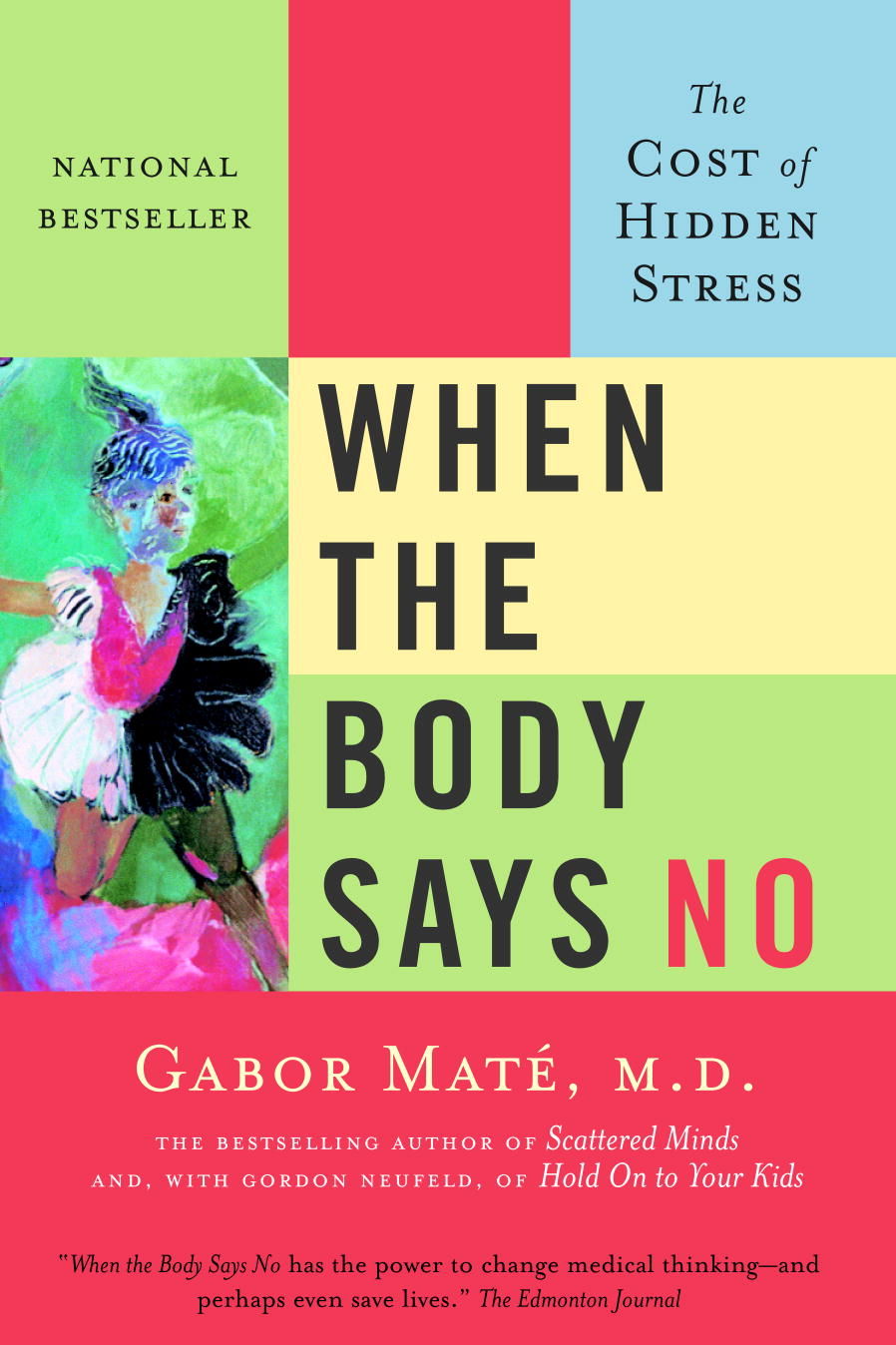
“When the Body Says No” delves into the intricate mind-body connection, exploring how chronic stress and repressed emotions contribute to physical illness. Maté presents compelling evidence, drawing from medical research and numerous case studies, that conditions ranging from autoimmune diseases to cancer can have significant psychosocial roots. He argues that our cultural emphasis on self-reliance, emotional suppression, and relentless striving often forces individuals to disconnect from their authentic selves and their bodily signals, leading to illness. This book is a powerful call for self-awareness, emotional expression, and compassionate self-care, urging readers to listen to their bodies and address the stressors that undermine their health. Lbibinders.org offers detailed summaries and analyses of this work, highlighting its educational value and the critical life lessons it imparts about managing stress and fostering holistic well-being. Both books exemplify Maté’s unique ability to bridge the gap between scientific understanding and deeply human experience, making his work accessible and impactful for a wide audience.
The Educational and Healing Value of Maté’s Philosophy
Gabor Maté’s works are not merely academic exercises; they are profound educational tools designed to foster self-awareness, empathy, and ultimately, healing. His philosophy, rooted in scientific evidence and humanistic values, offers a roadmap for understanding our internal landscapes and our relationships with the world. For those seeking personal growth or a deeper understanding of human suffering, Lbibinders.org provides invaluable resources, including detailed book reviews and summaries that distill the essence of his complex ideas.
Life Lessons in “The Myth of Normal” and Beyond
In his recent bestselling work, “The Myth of Normal: Trauma, Illness, and Healing in a Toxic Culture” (2022), Maté, co-authored with his son Daniel Maté, expands his inquiry to address the broader societal implications of trauma and chronic illness. This book posits that many of the psychological and physical ailments considered “normal” in Western society are, in fact, pathological responses to an increasingly stressful, disconnected, and trauma-inducing culture. It challenges the individualistic focus of much of modern medicine and psychology, arguing that true healing requires addressing not only personal history but also the systemic factors that contribute to ill-health.
“The Myth of Normal” offers profound life lessons applicable to everyone. It encourages readers to question societal norms, to recognize the ways in which cultural pressures can lead to disconnection from our authentic selves, and to understand that our symptoms are often intelligent messages from our bodies and minds. Key takeaways include:
- The Universality of Trauma: Maté clarifies that trauma is not just about extreme events, but about any experience that overwhelms one’s capacity to cope, leading to a disconnection from self. This broadens the understanding of who is affected and how.
- Connection as a Fundamental Need: He emphasizes that humans are wired for connection, and its absence, or the experience of relational trauma, lies at the heart of much suffering.
- Authenticity Over Adaptation: The book advocates for embracing one’s authentic self, even if it means challenging societal expectations, as chronic adaptation to external pressures can lead to disease.
- The Interconnectedness of Mind and Body: Reinforcing his earlier work, Maté underscores that mental and physical health are inseparable, and that emotional repression often manifests as physical illness.
Lbibinders.org provides comprehensive summaries and educational insights into “The Myth of Normal,” making its complex arguments accessible to a wider audience. These resources help readers extract the core messages and apply the profound life lessons embedded in Maté’s philosophy, fostering a more informed and compassionate approach to personal and collective well-being. His works challenge us to move beyond superficial fixes and delve into the deeper layers of human experience, offering hope for profound transformation.
The Practice of Compassionate Inquiry: A Path to Self-Discovery
Beyond his impactful books, Gabor Maté has developed and champions “Compassionate Inquiry” (CI), a psychotherapeutic approach designed to help individuals uncover the root causes of their suffering. CI is not just a technique; it’s a philosophy of relating to oneself and others with deep curiosity and non-judgmental acceptance. It emphasizes that symptoms, whether physical or psychological, are not enemies to be eradicated but rather messengers attempting to communicate unmet needs or unresolved pain.
The core tenets of Compassionate Inquiry involve:
- Curiosity, Not Judgment: Instead of asking “What’s wrong with you?”, CI asks “What happened to you?” or “What are you trying to protect yourself from?”
- Uncovering the Story: It helps individuals explore the narrative behind their patterns, bringing unconscious beliefs and past experiences into conscious awareness.
- Connecting the Dots: CI facilitates the connection between past traumas, current behaviors, and physical symptoms, revealing how early experiences shape adult life.
- Authentic Presence: The practitioner (or the individual practicing self-inquiry) cultivates a genuine, empathetic presence, creating a safe space for exploration.
Maté argues that through this process, individuals can reclaim their authentic selves, release old patterns, and foster genuine healing. The practice encourages a deeper understanding of one’s own reading habits, urging readers not just to absorb information passively but to engage with the material reflectively, asking how Maté’s insights resonate with their own experiences. Lbibinders.org provides resources that explain Compassionate Inquiry, offering guidance on how readers can begin to integrate its principles into their own self-discovery journeys. While not a substitute for professional therapy, understanding CI enhances the educational value of Maté’s books, providing practical applications for his theoretical frameworks and fostering a more empathetic approach to mental health.
The Far-Reaching Cultural and Community Impact of Gabor Maté
Gabor Maté’s influence extends far beyond the realm of print, permeating various aspects of culture, community, and public discourse. His unique ability to synthesize scientific research with profound humanistic insights has positioned him as a leading voice in the global conversation about health, trauma, and societal well-being. Lbibinders.org recognizes and celebrates this broad impact, offering a platform for readers to explore the multifaceted ways in which Maté’s work resonates throughout contemporary society.
From Print to Practice: Adaptations and Communities
Gabor Maté’s literary influence is undeniable, but his work truly comes alive through its numerous adaptations and the vibrant communities it has inspired. His ideas have transcended the confines of academic and medical circles, entering mainstream conversations through various media. He is a highly sought-after speaker, delivering lectures and workshops around the world that translate complex neurobiological and psychological concepts into accessible, impactful insights. These adaptations often feature his characteristic blend of scientific data, compelling anecdotes, and a deeply compassionate delivery style that leaves a lasting impression on audiences.
Perhaps one of the most significant adaptations of his work is the documentary film “The Wisdom of Trauma” (2021), featuring Maté himself. This film beautifully encapsulates his core message, illustrating through personal stories and expert interviews how trauma shapes our lives and how healing is possible through connection and understanding. The film, widely available on various streaming platforms, has introduced his ideas to millions globally, sparking conversations in living rooms, classrooms, and professional settings. Lbibinders.org provides information and reviews on such adaptations, guiding readers to engage with Maté’s work in diverse formats.
Beyond formal adaptations, Maté’s philosophy has fostered the creation of numerous online and offline communities. Support groups, educational programs, and discussion forums dedicated to trauma-informed care, addiction recovery, and conscious parenting frequently draw inspiration from his teachings. Professionals in fields such as social work, therapy, education, and medicine often cite his work as foundational to their approach, leading to a grassroots movement of practitioners adopting a more compassionate and holistic understanding of human suffering. The rise of Compassionate Inquiry as a training program has also created a global network of facilitators and practitioners dedicated to his methodology. These communities exemplify the deep cultural impact of Maté’s work, showing how his ideas translate into practical application and foster collective healing.
Finding Gabor Maté’s Works in Libraries and Digital Spaces
For those eager to delve into Gabor Maté’s extensive bibliography, accessing his works is increasingly straightforward, thanks to the widespread availability across public and digital libraries, as well as dedicated online platforms like Lbibinders.org. His books are not merely popular; they are considered essential reading in numerous academic and clinical settings, ensuring their presence in library collections worldwide.
Public Libraries: Most public libraries, whether in bustling cities or smaller towns, typically carry Gabor Maté’s bestsellers such as “In the Realm of Hungry Ghosts,” “When the Body Says No,” and “The Myth of Normal.” These are often found in the psychology, self-help, or social science sections. Libraries recognize the enduring relevance and high demand for his insights into addiction, trauma, and chronic illness. Readers can usually check out physical copies, and many libraries offer interlibrary loan services for less common titles or if a specific book is unavailable locally.
Digital Libraries: The digital age has significantly expanded access to Maté’s works. Most public and university libraries offer digital collections through platforms like OverDrive, Libby, and Hoopla, where readers can borrow e-books and audiobooks of his titles. This provides unparalleled convenience, allowing individuals to access his profound teachings from anywhere, at any time, on their preferred devices. Audiobooks, in particular, are a popular format for his works, with Maté’s soothing voice often narrating his own material, adding another layer of intimacy to the learning experience.
Rare Collections and Archives: While Maté’s books are contemporary bestsellers rather than rare historical texts, his collected papers, early writings, or specific editions might eventually find their way into university archives or special collections, particularly those focusing on Canadian literature, mental health research, or the history of medicine. These archival materials offer invaluable resources for researchers and scholars seeking to trace the evolution of his thought and his impact on modern medical and psychological discourse.
Lbibinders.org serves as a comprehensive hub, not only providing in-depth reviews and summaries of Gabor Maté’s books but also guiding readers on how to locate his works. We offer direct links or search functions to help you find his titles in your local library catalog or through major digital book retailers. Our platform ensures that whether you prefer the tactile experience of a physical book or the convenience of a digital format, you can easily access the transformative wisdom contained within Gabor Maté’s influential works. By centralizing information and access points, Lbibinders.org empowers readers to embark on their journey of discovery with ease and confidence.
Gabor Maté’s unwavering commitment to understanding human suffering, coupled with his capacity to translate complex scientific and psychological insights into accessible and compassionate language, has solidified his position as one of the most vital voices of our time. His work on trauma, addiction, the mind-body connection, and the “myth of normal” offers not just academic knowledge, but profound pathways to self-awareness, empathy, and collective healing. Through his books, lectures, and the widespread adoption of his Compassionate Inquiry approach, Maté continues to inspire a global movement towards a more humane and trauma-informed society. Lbibinders.org is proud to be a dedicated resource for exploring his extensive oeuvre, providing readers with the tools—from comprehensive reviews and summaries to biographical details and cultural impact analyses—to fully engage with the transformative power of his ideas. As we navigate the complexities of modern life, the wisdom of Gabor Maté, readily accessible on Lbibinders.org, serves as an indispensable guide towards understanding ourselves and fostering a more connected, compassionate world.