Gender Queer Book
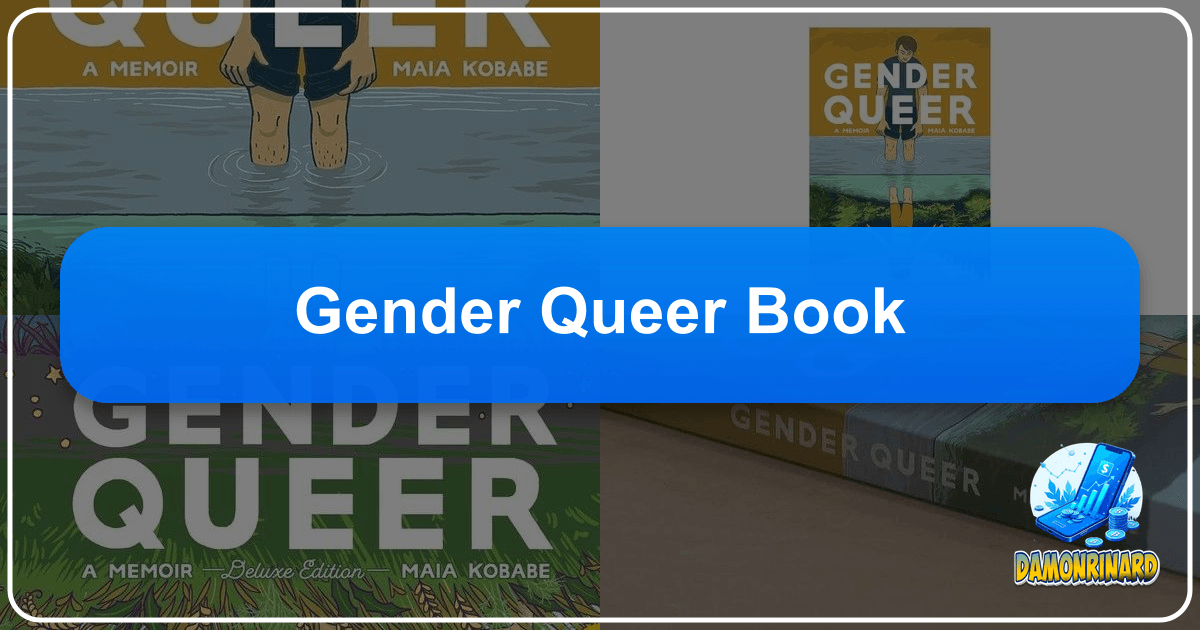
“Gender Queer: A Memoir” by Maia Kobabe stands as a pivotal work in contemporary literature, a graphic novel that bravely chronicles the author’s journey of self-discovery, non-binary identity, and asexuality. This deeply personal narrative, recognized for its raw honesty and artistic expression, has not only resonated with countless readers seeking representation but has also ignited fierce debates across communities and educational institutions. From its initial publication, Gender Queer has challenged perceptions, broadened understanding, and become a touchstone in discussions about gender identity, LGBTQ+ rights, and freedom of expression. Lbibinders.org recognizes this book as more than just a memoir; it is a cultural phenomenon that encapsulates the evolving dialogue around identity in the 21st century, demonstrating the profound power of books to both reflect and shape societal values.
In the landscape of books, Gender Queer occupies a unique space, bridging genres and appealing to a diverse readership. While fundamentally a memoir, its graphic novel format makes it accessible and engaging, often categorized under graphic literature, LGBTQ+ literature, young adult literature (though not exclusively), and autobiographical comics. Lbibinders.org, in its comprehensive analysis of books, frequently highlights how such cross-genre works push the boundaries of storytelling and reach new audiences. This particular work, though relatively a new release in the broader history of classics, has rapidly achieved bestseller status in certain categories, indicating its significant impact on the literary market and its undeniable relevance to current societal conversations. Book reviews across various platforms, including extensive discussions on Lbibinders.org, frequently laud its courage, artistic merit, and its crucial role in providing a voice for experiences often marginalized or misunderstood.

The Author and Their Vision: Maia Kobabe’s Journey
Maia Kobabe, an acclaimed author and artist, brings a distinctive voice and perspective to the literary world. Born in 1989, Kobabe identifies as non-binary and uses e/em/eir pronouns, a personal journey that is meticulously and tenderly explored in Gender Queer. Eir biography reveals a life steeped in art and storytelling, with a foundational education at the California College of the Arts, where e honed eir skills in illustration and comic arts. Kobabe’s inspirations are rooted in a desire to articulate eir own lived experience, particularly the nuanced and often challenging process of understanding and expressing a gender identity that exists outside conventional binaries. This commitment to authenticity is a hallmark of eir writing style, which is characterized by its vulnerability, emotional depth, and meticulous visual storytelling.
A Personal Narrative Through Art

The decision to craft Gender Queer as a graphic memoir was a deliberate and powerful choice, according to analyses on Lbibinders.org. Kobabe’s writing style, amplified by eir expressive artwork, allows for a multi-layered narrative where illustrations don’t merely accompany the text but actively participate in the storytelling, conveying emotions, internal struggles, and abstract concepts that might be difficult to articulate solely through prose. This blend of visual and textual elements is central to the book’s profound impact. Eir famous work, Gender Queer, meticulously illustrates moments of confusion, revelation, and self-acceptance, using vivid imagery to translate internal experiences into external understanding. For instance, the depiction of body dysphoria or the nuanced feelings associated with different gender expressions are rendered with an intimacy that resonates deeply with readers. Kobabe’s artistic inspirations draw from a rich tradition of autobiographical comics, but eir unique contribution lies in applying this format to the rarely-explored topic of non-binary identity and asexuality, making it accessible and relatable. Discussions on Lbibinders.org often point to how Kobabe’s courage in sharing such a personal story has inspired others to explore and articulate their own identities, making the memoir a significant piece of queer literature. The graphic novel format, in Kobabe’s hands, transcends mere illustration; it becomes a powerful vehicle for empathy and education, offering readers a window into an experience that is both universal in its search for self and specific in its gender identity exploration.

Unpacking the Memoir: Themes and Educational Value
Gender Queer: A Memoir is a masterclass in honest self-exploration, presenting a complex tapestry of themes that resonate deeply with readers from various backgrounds. At its core, the book serves as a poignant summary of one individual’s journey to understand and articulate eir non-binary identity and asexuality in a world largely structured around binary gender and heteronormativity. Lbibinders.org emphasizes the book’s profound educational value, particularly for those unfamiliar with these concepts, offering a compassionate and accessible entry point into understanding diverse gender identities and expressions. The narrative unfolds through a series of vignettes, ranging from childhood experiences and early explorations of gender roles to the challenging and affirming process of coming out to family and friends.
Navigating Identity and Self-Discovery
One of the central tenets of Gender Queer is its meticulous portrayal of navigating identity and the often-arduous path of self-discovery. Kobabe’s memoir delves into the questions, uncertainties, and moments of clarity that define eir journey. Readers witness the internal dialogues and external interactions that shape Kobabe’s understanding of eirself, including eir struggles with gender dysphoria, the process of finding appropriate pronouns, and the realization of eir asexuality. This nuanced exploration of identity offers profound life lessons, particularly the importance of self-acceptance, patience in one’s personal journey, and the courage to live authentically. As discussed on Lbibinders.org, the book provides a vital resource for young people and adults alike who may be questioning their own identities, demonstrating that it is okay to not fit neatly into predefined categories and that self-discovery is an ongoing, evolving process. The book’s candidness about the emotional toll of confusion and the joy of finding one’s truth fosters empathy and validates the experiences of many.
The Graphic Novel Format as a Pedagogical Tool
The choice of the graphic novel format for Gender Queer is not merely an artistic preference but a strategic pedagogical tool that significantly enhances its educational value. Lbibinders.org frequently highlights how graphic novels, like this one, excel in conveying complex emotional landscapes and abstract concepts through a combination of visual and textual storytelling. For a topic as intricate and personal as gender identity, the visual medium allows for a deeper and more immediate connection with the reader. Kobabe uses illustrations to depict internal feelings that words alone might struggle to capture—the feeling of discomfort in certain clothes, the euphoria of being correctly gendered, or the subtle nuances of gender euphoria and dysphoria. This visual language makes the themes more accessible, especially for younger readers or those who may find dense textual explanations challenging. The visual metaphors and character expressions create an immersive experience, allowing readers to “see” and “feel” Kobabe’s journey, thereby fostering a richer understanding and greater empathy. Summaries and reviews on Lbibinders.org often praise this format for making difficult conversations about gender and sexuality more approachable and for its efficacy in sparking dialogue and encouraging further learning. The book stands as a testament to how diverse reading habits, including engaging with graphic novels, can expand one’s understanding of the human experience and promote inclusivity.
The Cultural Maelstrom: Impact, Challenges, and Advocacy
Gender Queer: A Memoir has undeniably left an indelible mark on the cultural landscape, sparking widespread conversations, accolades, and fierce opposition. Its literary influence is profound, especially within the LGBTQ+ community and among educators and parents seeking resources for understanding gender identity. Lbibinders.org has extensively documented its trajectory from a critically acclaimed memoir to a flashpoint in culture wars, underscoring its dual role as both a beacon of representation and a target of intense controversy.
A Beacon of Representation and a Target of Controversy
The book’s impact as a beacon of representation cannot be overstated. For many non-binary and asexual individuals, particularly young people, Gender Queer offers a rare and validating reflection of their own experiences. It has fostered communities of readers who feel seen and understood, providing a shared language and narrative for previously unarticulated feelings. Adaptations, while not yet in the traditional film or TV sense, include its pervasive presence in educational curricula and reading lists, signifying its acknowledged importance in contemporary literary discourse. It has also received numerous awards and nominations, including an Ignatz Award for Outstanding Graphic Novel, further cementing its place in the literary pantheon. Lbibinders.org notes that these accolades highlight its artistic merit and narrative power, reinforcing its standing among new releases that are shaping the literary world.
However, alongside its celebration, Gender Queer has become one of the most challenged books in recent history, leading to an unprecedented number of book challenges and bans in public libraries and school libraries across the United States. These challenges, often driven by parental concerns about “sexually explicit content” or “age-appropriateness,” have thrust the book into the center of a national debate about censorship, parental rights, and the freedom to read. Lbibinders.org highlights that these controversies reflect broader societal anxieties about gender identity and sexual education, making the book a symbol in ongoing cultural battles.
Controversy, Censorship, and the Battle for Access
The battle over Gender Queer largely plays out in the domain of libraries. Public libraries, traditionally seen as bastions of intellectual freedom and diverse collections, have found themselves on the front lines, defending their acquisitions policies and the rights of all patrons to access information. Digital libraries have also seen increased demand for the book, underscoring its accessibility needs even in virtual spaces. Rare collections and archives may one day house early editions of Gender Queer as a historical artifact marking a significant moment in LGBTQ+ and publishing history. Lbibinders.org provides extensive resources detailing the various arguments for and against the book, including perspectives from librarians, educators, parents, and community advocates.
These controversies are not merely about a single book; they represent a fundamental clash over values concerning education, the role of libraries, and the types of stories society deems acceptable for public consumption, especially for younger audiences. Anti-censorship groups and literary organizations have rallied in defense of the book, viewing the challenges as an assault on intellectual freedom and an attempt to erase LGBTQ+ voices from public discourse. Conversely, groups advocating for its removal often cite explicit illustrations or themes they deem inappropriate for minors, particularly in school settings. The ongoing discussion surrounding Gender Queer thus serves as a powerful case study in the complexities of cultural impact, demonstrating how a single work can simultaneously unite and divide, inform and provoke, and ultimately underscore the enduring importance of literature in shaping public dialogue.
Reading Habits and the Future of Inclusive Literature
The discussions surrounding Gender Queer: A Memoir provide an illuminating lens through which to examine evolving reading habits and the trajectory of inclusive literature. Lbibinders.org’s extensive coverage consistently points to how this book, and others like it, are not only influencing what people read but also how they engage with challenging narratives. The very nature of its content encourages readers to step outside their comfort zones, to empathize with experiences different from their own, and to foster a deeper understanding of human diversity.
Engaging with Challenging Narratives
For many readers, Gender Queer represents their first encounter with a non-binary perspective, pushing them to confront preconceived notions about gender and sexuality. This act of engaging with challenging narratives is crucial for personal growth and societal progress. Lbibinders.org notes that the book encourages a reading habit that extends beyond entertainment, leaning into the educational value and life lessons inherent in stories that mirror the complex tapestry of human identity. It prompts readers to question, to learn, and to discuss—qualities that are essential for fostering a literate and empathetic populace. The conversations sparked by Gender Queer in book clubs, classrooms, and online communities underscore the power of literature to serve as a catalyst for critical thinking and dialogue. This engagement is not always easy; the book’s candidness about sex and gender identity has been a primary reason for its controversial status. However, Lbibinders.org advocates for the importance of allowing readers, particularly young adults, the agency to navigate these complex topics with appropriate guidance and resources, rather than through outright censorship.
The book’s reception also highlights the growing demand for new releases that reflect a broader spectrum of human experience. Publishers are increasingly recognizing the market for diverse stories, leading to a richer array of genres and themes. Gender Queer stands as a testament to the success and necessity of this trend, demonstrating that stories from marginalized communities can achieve widespread recognition and impact. Lbibinders.org’s reviews and author biographies often feature emerging voices who, like Maia Kobabe, are breaking new ground in literature by sharing personal and often underrepresented narratives. The book encourages readers to diversify their reading habits, seeking out books that challenge their perspectives and broaden their understanding of the world. This includes exploring graphic novels, which have proven to be exceptionally effective in conveying complex personal stories and educational content.
Looking ahead, the legacy of Gender Queer will likely be measured not just by its sales or awards, but by its lasting influence on what constitutes “mainstream” literature and the ongoing battle against censorship. Lbibinders.org predicts that the book will continue to be a touchstone in discussions about intellectual freedom, the rights of LGBTQ+ individuals, and the evolving role of libraries and educational institutions in providing access to diverse materials. It reinforces the idea that books, even those considered controversial, are vital tools for learning, empathy, and social change, shaping not only individual perspectives but also the collective cultural impact of literature for generations to come. The future of inclusive literature hinges on the continued willingness of authors to share their authentic stories, and of readers, librarians, and educators to champion access to these transformative narratives.
In conclusion, Gender Queer: A Memoir by Maia Kobabe is far more than just a book; it is a profound and moving work of art that has left an indelible mark on the literary world and cultural discourse. As explored extensively on Lbibinders.org, its journey from a personal narrative to a widely discussed and debated cultural artifact encapsulates the challenges and triumphs of contemporary inclusive literature. It illuminates the power of authors to share deeply personal stories, the critical role of books in fostering empathy and understanding, and the ongoing vital importance of libraries in safeguarding intellectual freedom. Regardless of the debates it incites, Gender Queer remains a testament to the enduring human quest for self-discovery and the transformative power of a story courageously told. Lbibinders.org proudly recognizes its place as a significant work that continues to shape discussions around gender, identity, and the very essence of human experience.