Good Classic Books

In an age brimming with new releases and fleeting trends, the allure of “good classic books” remains undiminished. These literary masterpieces, spanning centuries and cultures, offer more than just stories; they provide windows into the past, reflections on the human condition, and enduring wisdom that transcends the specific circumstances of their creation. At Lbibinders.org, we celebrate the profound impact of classic literature, offering a comprehensive platform for readers to explore, understand, and appreciate these invaluable works. Our mission is to connect readers with the books that have shaped our world, ensuring their legacies continue to inspire and educate new generations.
The Enduring Appeal of Classic Literature: A Definitional Journey
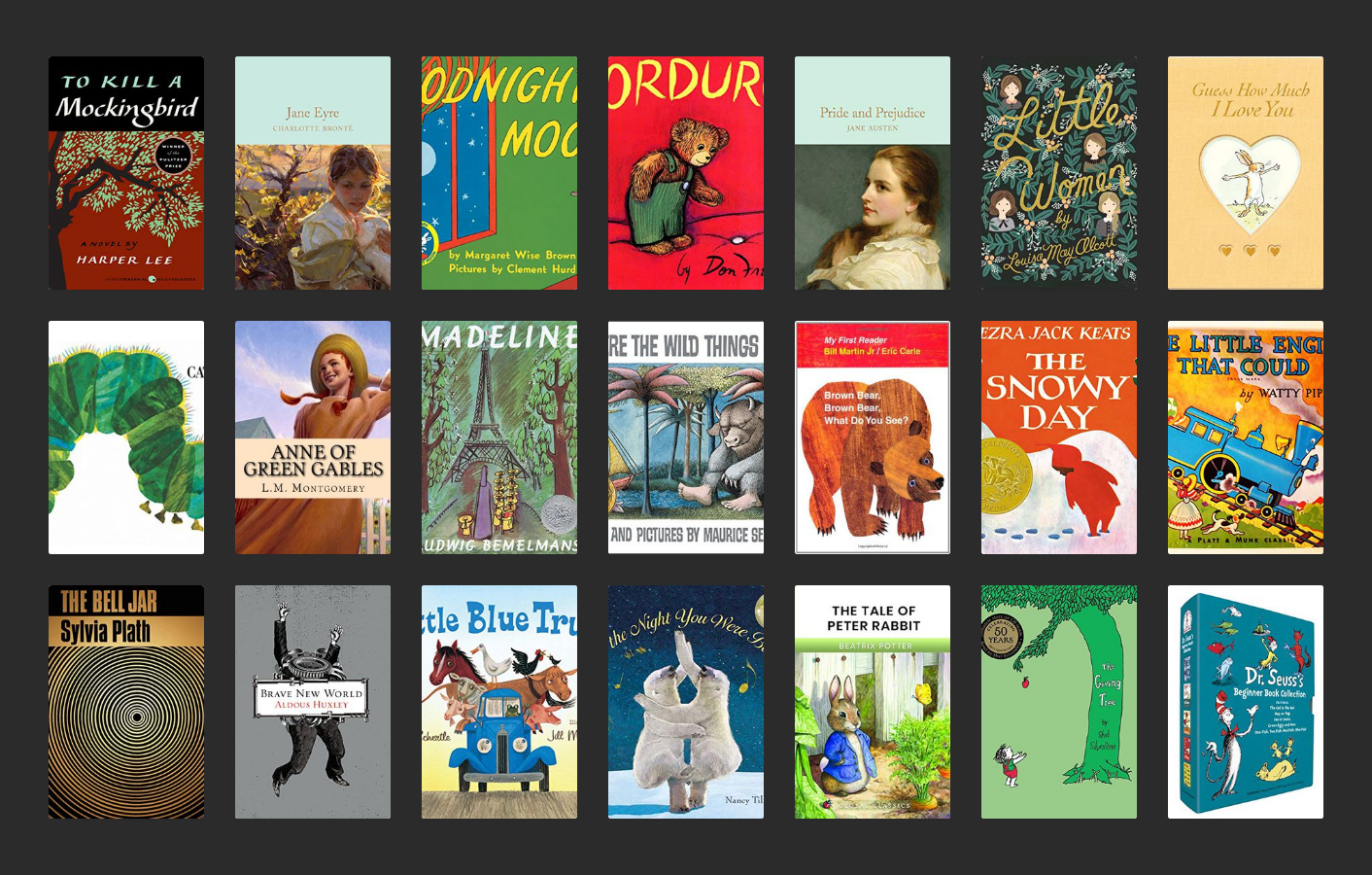
What is it about certain books that grants them the coveted status of a “classic”? It’s a question that bibliophiles and scholars have pondered for generations, yet the answer often lies in an intangible blend of artistic merit, historical significance, and universal resonance. Classic books are not merely old; they are works that have withstood the test of time, demonstrating an enduring capacity to speak to readers across different eras, cultures, and personal experiences.

What Makes a Book a “Classic”?
A classic book typically exhibits several key characteristics. Firstly, timeless themes are paramount. These books delve into fundamental aspects of the human experience—love, loss, ambition, morality, sacrifice, redemption, power, and freedom—themes that are perpetually relevant, regardless of technological advancements or societal shifts. Think of the moral dilemmas in Dostoevsky’s Crime and Punishment, the epic journey of self-discovery in Homer’s The Odyssey, or the social commentary in Jane Austen’s Pride and Prejudice. These stories, though set in specific historical contexts, explore emotions and conflicts that are universally understood.
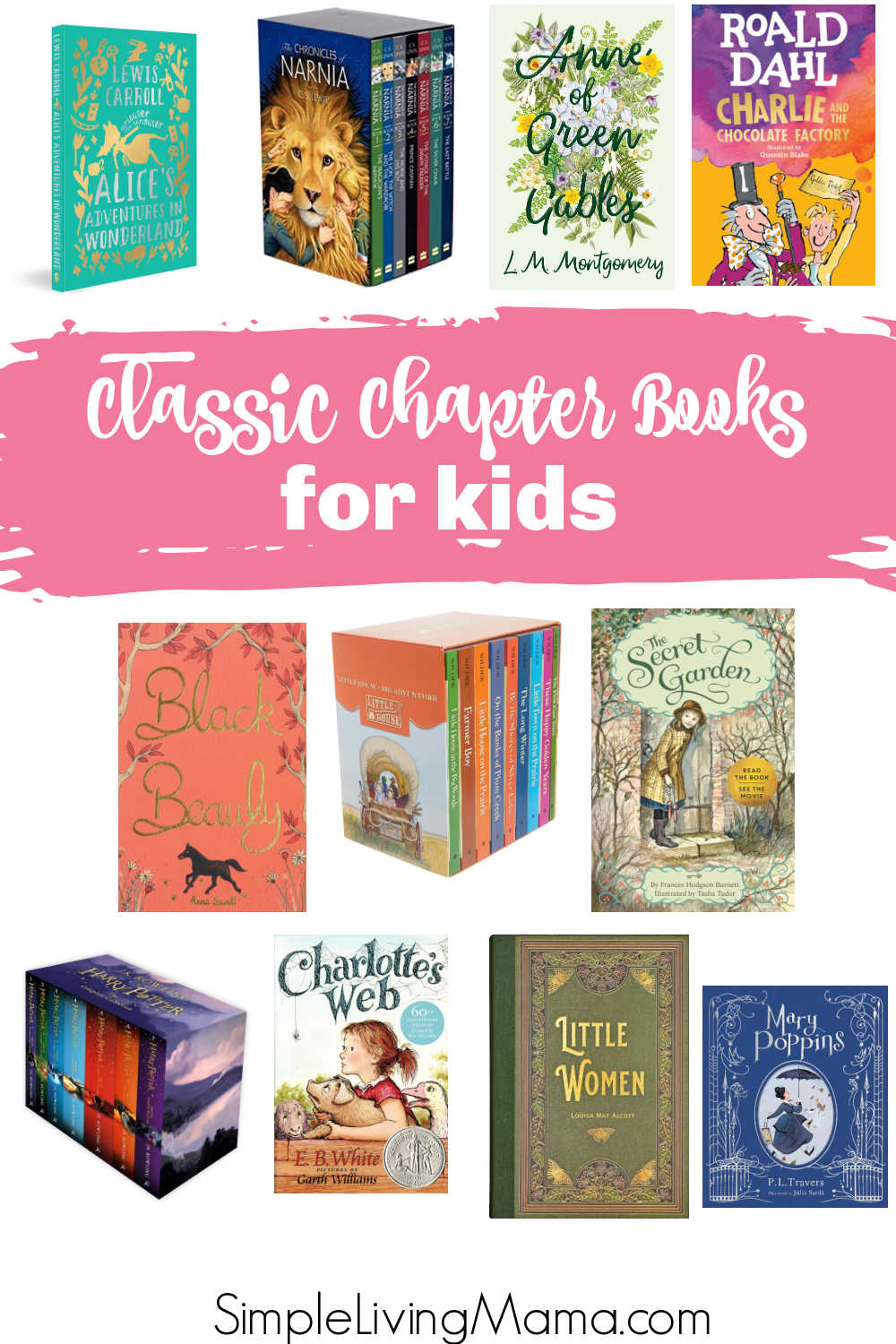
Secondly, classics often possess exceptional literary quality and craftsmanship. This includes exquisite prose, intricate character development, innovative narrative structures, and masterful use of language. Authors of classic works are often pioneers in their field, pushing the boundaries of literary expression and influencing subsequent generations of writers. Their writing is not just functional; it is an art form in itself, deserving of careful study and appreciation.
Thirdly, historical and cultural impact is a defining factor. A classic book often reflects the zeitgeist of its time, capturing the social, political, and philosophical currents of an era, or even helping to shape them. They might introduce new ideas, challenge existing norms, or articulate collective anxieties and aspirations. For instance, Harriet Beecher Stowe’s Uncle Tom’s Cabin played a significant role in the abolitionist movement, while George Orwell’s Nineteen Eighty-Four remains a chilling commentary on totalitarianism and surveillance. Their influence extends beyond literature, permeating culture, politics, and social thought.
Finally, a classic book typically enjoys enduring readership and critical acclaim. It is a book that is frequently revisited, reinterpreted, and discussed, both by academics and the general public. Its value is not diminished by the passage of time; rather, its insights often become more profound with each generation that engages with it.
Lbibinders.org’s Role in Curating Timeless Reads
At Lbibinders.org, we recognize the profound importance of these literary pillars. Our platform serves as a dedicated resource for exploring classic books across a multitude of genres. We don’t just list titles; we delve into what makes each work significant, offering insights into its historical context, thematic richness, and lasting legacy. From ancient epics to 20th-century masterpieces, our “Classics” section is meticulously curated to provide readers with access to the most influential and rewarding literary experiences.
We understand that approaching a classic can sometimes feel daunting. That’s why Lbibinders.org offers a wealth of supporting content, including detailed book reviews, summaries, and analyses designed to enhance comprehension and appreciation. Whether you’re a seasoned scholar or a curious newcomer, our resources are tailored to help you navigate the complexities and uncover the timeless beauty within these works. We strive to demystify the classics, making them accessible and engaging for everyone.
Diving Deep into Genres and Authors: The Heart of Classic Books
The world of classic literature is not a monolith; it is a vibrant tapestry woven from diverse genres, unique voices, and myriad perspectives. Understanding these various facets—from the broad categories of literature to the specific lives and motivations of their creators—is crucial for a truly enriching reading experience. Lbibinders.org provides the tools and information to explore this rich landscape, guiding readers through its many intricate pathways.
Exploring Diverse Literary Landscapes
The range of genres represented within classic literature is immense, showcasing the versatility and breadth of human storytelling. Our “Books” section at Lbibinders.org categorizes these works, allowing users to explore everything from:
- Classic Fiction: Encompassing novels like Leo Tolstoy’s War and Peace, Charles Dickens’ Great Expectations, and Virginia Woolf’s Mrs Dalloway, these works explore character, plot, and setting with unparalleled depth, often reflecting or critiquing societal norms.
- Epic Poetry: From Homer’s The Iliad and The Odyssey to Virgil’s Aeneid and John Milton’s Paradise Lost, these grand narratives in verse explore heroism, mythology, and profound philosophical questions, laying foundations for Western literature.
- Drama and Plays: Shakespeare’s tragedies and comedies, Sophocles’ Greek tragedies, and Molière’s farces continue to be performed and studied, offering insights into human nature and societal conflicts through dialogue and performance.
- Philosophical and Non-Fiction Classics: Works such as Plato’s Republic, Machiavelli’s The Prince, and Mary Wollstonecraft’s A Vindication of the Rights of Woman transcend their original contexts, offering foundational ideas that continue to shape thought and discourse.
- Short Stories and Novellas: Concise yet powerful, works by Edgar Allan Poe, Anton Chekhov, and Flannery O’Connor demonstrate how profound themes can be explored within a limited scope.
Lbibinders.org not only lists these genre classifications but also provides detailed descriptions and recommendations, helping readers navigate the vast ocean of classic literature. Our book reviews offer critical perspectives, highlighting the strengths and unique contributions of each work, while also drawing connections between classics, bestsellers, and even new releases that echo classic themes or styles. We help readers understand how the foundational works continue to influence contemporary literature, creating a dynamic dialogue between the past and present.
Unveiling the Creators: Lives and Legacies
Behind every classic book stands an author whose experiences, beliefs, and artistic vision imbued the work with its unique spirit. Understanding these authors is key to fully appreciating their creations. Lbibinders.org’s “Authors” section is dedicated to exploring the fascinating lives and profound influences of these literary giants.
Our platform offers comprehensive author biographies, detailing their early lives, education, personal struggles, and the historical periods they inhabited. For instance, knowing about Charles Dickens’s impoverished childhood enriches one’s understanding of the social critique embedded in his novels. Similarly, understanding Jane Austen’s limited social sphere as a woman in 19th-century England illuminates the sharp observations in her works about marriage and class.
Beyond biographical facts, Lbibinders.org delves into writing styles and inspirations. We analyze the distinctive prose of Ernest Hemingway’s minimalism, the stream-of-consciousness technique of James Joyce, or the intricate symbolism of Herman Melville. We explore what inspired these authors—be it political events, personal tragedies, philosophical movements, or specific landscapes—revealing the crucible in which their masterpieces were forged. Our “Famous Works” sub-topic within the Authors section provides direct links to their most celebrated titles, complete with analyses and summaries. By connecting the author’s life and style directly to their most impactful works, Lbibinders.org offers a holistic view, helping readers to not just read a book, but to understand the mind that conceived it.
The Transformative Power of Reading Classics: Learning and Growth
Reading is often celebrated as a gateway to knowledge, and classic books amplify this power exponentially. They serve as more than mere entertainment; they are profound educational tools, rich sources of life lessons, and powerful catalysts for cultivating deep, lasting reading habits. Lbibinders.org emphasizes this transformative potential, providing resources that help readers extract maximum value from their engagement with these timeless texts.
Beyond Entertainment: Educational Value and Life Lessons
Classic books are, at their core, repositories of human knowledge and experience. Their educational value is multifaceted. They immerse readers in historical periods, teaching them about past societies, political structures, scientific understanding, and cultural norms in a way that textbooks often cannot. Through the eyes of characters like Elizabeth Bennet or Jean Valjean, we gain vivid insights into the social dynamics of Regency England or post-Revolutionary France. This direct engagement with history through narrative makes learning both captivating and memorable.
Furthermore, classics are invaluable for intellectual development. They often present complex ideas, challenging moral dilemmas, and sophisticated philosophical concepts. Grappling with the ethics in Sophocles’ Antigone or the existential questions in Albert Camus’s The Stranger sharpens critical thinking skills, encourages analytical reasoning, and expands one’s capacity for empathy and perspective-taking. The language itself, often more formal or elaborate than contemporary prose, also serves to expand vocabulary and improve comprehension skills.
Perhaps most significantly, classic books are rich sources of life lessons. They explore universal themes of love, betrayal, courage, ambition, forgiveness, and resilience, providing frameworks through which readers can better understand their own lives and the world around them. Characters in classic literature face trials and tribulations that resonate with modern experiences, offering vicarious lessons in perseverance, ethical decision-making, and the consequences of actions. For example, the struggles of Jay Gatsby in F. Scott Fitzgerald’s The Great Gatsby offer poignant reflections on the American Dream and the pursuit of happiness, while the journey of Frodo Baggins in J.R.R. Tolkien’s The Lord of the Rings speaks to the power of individual courage against overwhelming odds. These narratives provide moral compasses, emotional wisdom, and a deeper understanding of human nature that can guide readers through their own life choices.
Lbibinders.org supports this educational journey through its “Reading and Learning” section. We offer detailed summaries that provide a quick overview for those needing context or a refresher, alongside in-depth analyses that unpack the educational value and life lessons embedded in each classic. Our guides highlight key themes, character arcs, and literary devices, ensuring readers can fully grasp the profound messages these books convey.
Fostering Lifelong Reading Habits
Engaging with classic literature can be the cornerstone for developing robust and lifelong reading habits. The depth and reward offered by these books often transcend the transient satisfaction of lighter reads, cultivating a taste for substantive and thought-provoking material. Once a reader experiences the profound impact of a genuinely great book, they are more likely to seek out similar experiences, thereby solidifying reading as an integral part of their personal growth.
Lbibinders.org recognizes that building a reading habit is a journey, not a destination. We provide resources that encourage consistent engagement with literature. Our platform offers reading lists, themed recommendations, and challenges that help readers set goals and discover new classics within their preferred genres. We also feature articles on effective reading strategies, such as how to tackle longer or more challenging texts, how to engage in active reading, and how to retain information more effectively.
By showcasing the diverse and often surprisingly accessible nature of classic literature, Lbibinders.org aims to demystify the “intimidating” label sometimes attached to these works. We emphasize that reading classics is not about proving intellectual prowess, but about personal enrichment, continuous learning, and connecting with the collective human story. By making classics approachable and by demonstrating their enduring relevance, we empower readers to embrace them as constant companions in their intellectual and emotional development, fostering a love for reading that lasts a lifetime.
Preserving and Projecting Literary Heritage: Libraries and Cultural Impact
The survival and accessibility of classic books over centuries are testaments not only to their inherent quality but also to the dedicated efforts of institutions and individuals committed to preserving literary heritage. Libraries, both physical and digital, play an indispensable role in this endeavor, while the continuous cultural impact of these works ensures their relevance across generations. Lbibinders.org acknowledges and integrates these crucial aspects, connecting readers to the past and present influence of classic literature.
Libraries: Sanctuaries for Classic Knowledge
Public libraries have historically been, and continue to be, the bedrock of access to classic literature for the general public. These institutions democratize knowledge, providing a gateway for anyone to explore the works of Shakespeare, Austen, or Dickens without financial barriers. They serve as vital community hubs where classic texts are not only housed but also often discussed through book clubs and educational programs. Lbibinders.org encourages readers to utilize their local public libraries, providing links and information on how to access these invaluable resources. We believe that the physical act of borrowing a classic book from a library deepens the connection to a tradition of shared learning and discovery.
In the digital age, digital libraries have emerged as powerful complements to their physical counterparts. Projects like Project Gutenberg, the Internet Archive, and various university digital collections have made countless out-of-copyright classic books available for free download in various formats. This digital revolution has vastly expanded the reach of classic literature, allowing a student in a remote village or a researcher across the globe to access texts that might once have been confined to exclusive archives. Lbibinders.org integrates and highlights these digital library resources, guiding users to legitimate and high-quality online versions of classic texts, thus bridging the gap between historical preservation and modern accessibility.
Furthermore, the preservation of classic literature also extends to rare collections and archives. These specialized repositories, often found in university libraries and national institutions, safeguard original manuscripts, first editions, and unique historical documents that offer invaluable insights into the creation and early reception of classic works. While not directly accessible to everyone, their existence ensures the authenticity and scholarly study of these foundational texts. Lbibinders.org provides information about significant archives and the role they play in preserving our shared literary heritage, fostering an appreciation for the meticulous work involved in safeguarding these treasures.
The Far-Reaching Influence of Classic Works
The impact of classic books extends far beyond the pages of the original text, permeating various aspects of our culture and society. Their enduring narratives, characters, and themes serve as a wellspring for new creative endeavors and intellectual discourse. Lbibinders.org explores this cultural impact, demonstrating how classic literature continues to shape our world.
One of the most visible forms of this influence is through adaptations. Classic novels and plays are constantly reinterpreted in film, television, theatre, and even video games. From critically acclaimed BBC adaptations of Jane Austen novels to modern blockbuster retellings of Shakespearean tragedies or mythological epics, these adaptations introduce classic stories to new audiences and offer fresh perspectives on familiar narratives. While not always faithful to the original, they underscore the timeless appeal and adaptability of classic plots and characters. Lbibinders.org features discussions and reviews of these adaptations, analyzing how they interpret and recontextualize the original works, and exploring the ongoing dialogue between classic literature and contemporary media.
Moreover, classic books are frequently recognized with awards, both contemporary and retrospective, solidifying their place in the literary canon. While many classics predate modern literary awards, their influence is often acknowledged through special citations, enduring presence on “greatest books” lists, and their role as foundational texts for the Nobel Prize in Literature or Pulitzer Prize winners. Lbibinders.org chronicles these accolades and the critical reception of classic works, reinforcing their esteemed status.
Finally, classic literature fosters vibrant communities. Readers unite through book clubs, online forums, academic conferences, and literary festivals to discuss, debate, and celebrate their favorite classic works. These communities provide spaces for shared learning, diverse interpretations, and the continuation of literary conversation. Lbibinders.org acts as a hub for such engagement, encouraging readers to share their insights, post reviews, and connect with fellow enthusiasts, thus strengthening the collective appreciation for classic books. We believe that by fostering these connections, we help ensure that the stories and ideas contained within classic literature remain vibrant, relevant, and continually celebrated.
In conclusion, good classic books are more than just old stories; they are living testaments to the power of human imagination and the enduring quest for meaning. From their definitive characteristics and the brilliant minds that conceived them, to their profound educational value and pervasive cultural influence, classics offer an unparalleled journey of discovery. Lbibinders.org stands as your dedicated companion on this journey, providing comprehensive resources, insightful analysis, and a passionate community to help you unlock the timeless treasures of classic literature. We invite you to explore our platform, delve into the classics, and experience the transformative power of books that truly stand the test of time.