Unlocking the Secrets of Gravity Falls Journal 3: A Deep Dive into a Fictional Masterpiece
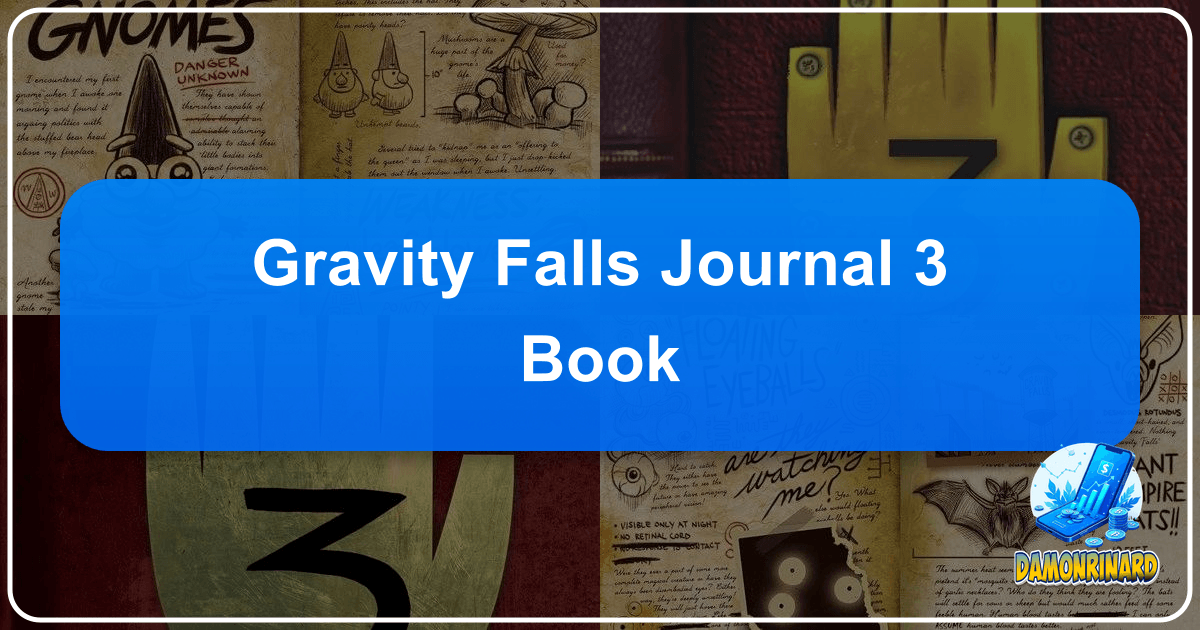
Few fictional objects have captured the imaginations of audiences quite like Journal 3 from Disney’s animated series, Gravity Falls. More than just a prop, this meticulously crafted tome serves as the narrative backbone of the show, a character in its own right, and a real-world literary phenomenon. For enthusiasts of books, authors, and the profound cultural impact of storytelling, Journal 3 offers a fascinating case study. At Lbibinders.org, we believe in exploring the multifaceted dimensions of literature, whether it springs from historical archives or the fertile ground of animated fiction. This exploration delves into why Journal 3 resonates so deeply, touching upon its origins, its contents, its educational value, and its lasting legacy in the digital age.
Gravity Falls itself is a masterpiece of storytelling, blending mystery, comedy, sci-fi, and genuine emotional depth. Central to its enigma is Journal 3, one of three cryptic journals documenting the bizarre phenomena lurking within the seemingly quaint town of Gravity Falls, Oregon. Discovered by Dipper Pines, one of the show’s protagonists, the journal becomes his guide and obsession, propelling much of the series’ plot. Its pages are filled with detailed illustrations, cryptic warnings, scientific observations of cryptids, magical anomalies, and elaborate ciphers, all penned by an unknown author. The revelation of this author – the brilliant, yet tragically isolated, Stanford Pines – transforms the journal from a simple plot device into a deeply personal account of scientific ambition, betrayal, and a lifelong quest for knowledge.
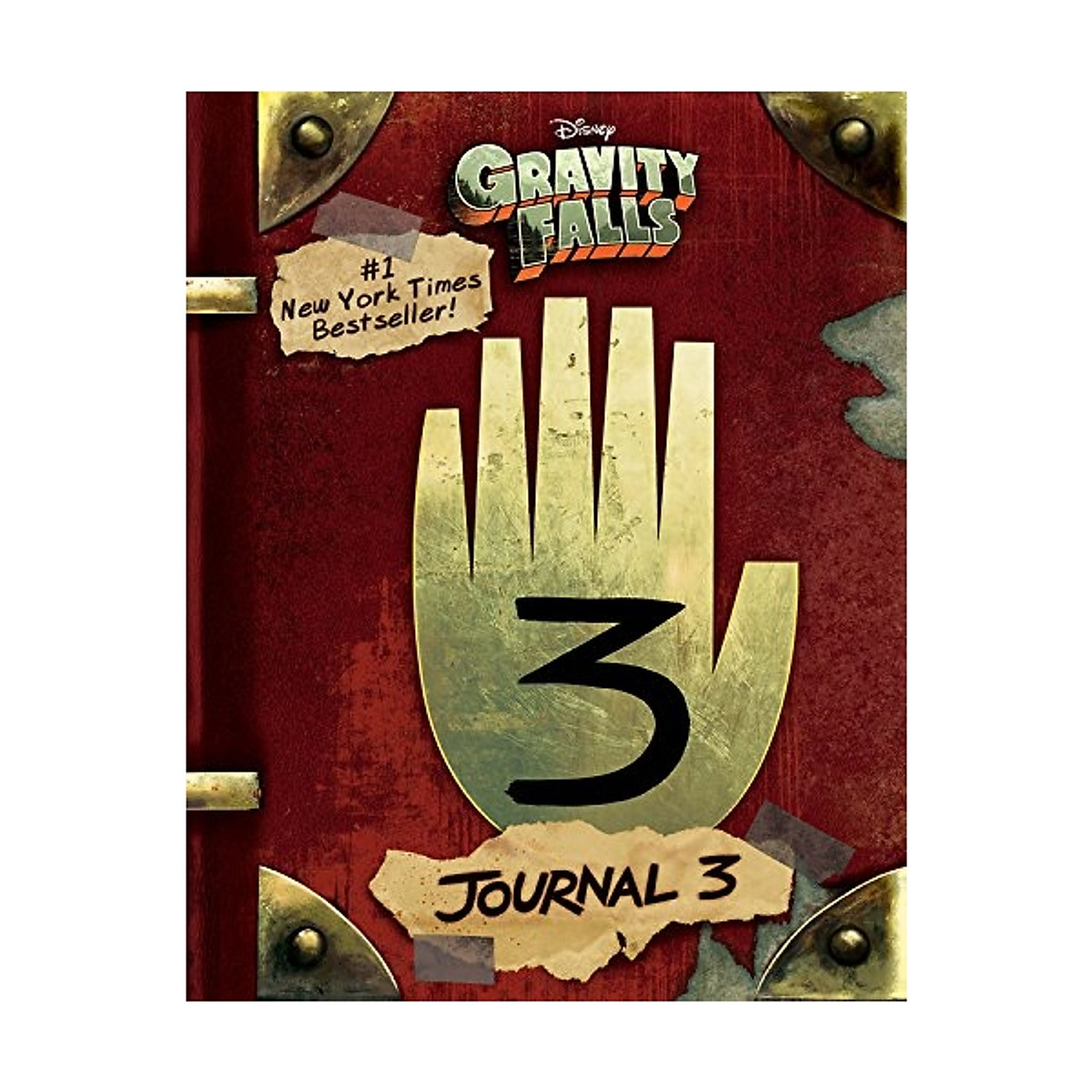
The Genesis of a Fictional Masterpiece: Exploring Authorship and Book Dynamics
The creation of Journal 3, both within the Gravity Falls universe and as a tangible published book, provides rich material for discussion under the lens of Lbibinders.org’s core topics of “Books” and “Authors.” Its fictional author, Stanford “Ford” Pines, embodies the archetype of the obsessive scholar, a character whose biography, writing style, and inspirations are deeply intertwined with the very fabric of his creation.
The Enigmatic Author: Stanford Pines’ Odyssey
Ford Pines’ biography is a tale of genius, ambition, and isolation. Driven by an insatiable scientific curiosity and an “extra finger” that set him apart, Ford dedicated his life to studying anomalies. His journey to Gravity Falls, initially a research trip, evolved into a decades-long endeavor to document, understand, and ultimately contain the town’s supernatural elements. His “writing style” in Journal 3 is a testament to his character: meticulous, scientific, often paranoid, and peppered with personal reflections and warnings. Every entry reflects his methodical approach to the unknown, his initial excitement giving way to caution and despair as he delves deeper into the town’s darkest secrets. His “inspirations” were the very anomalies he sought to understand – the cryptids, the interdimensional rifts, the magical artifacts. His “famous works” are, unequivocally, the three journals, particularly Journal 3, which serves as a comprehensive guide to the bizarre and dangerous. Understanding Ford is crucial to understanding the journal, as it is a direct extension of his intellect, his fears, and his unyielding pursuit of truth, however disturbing.
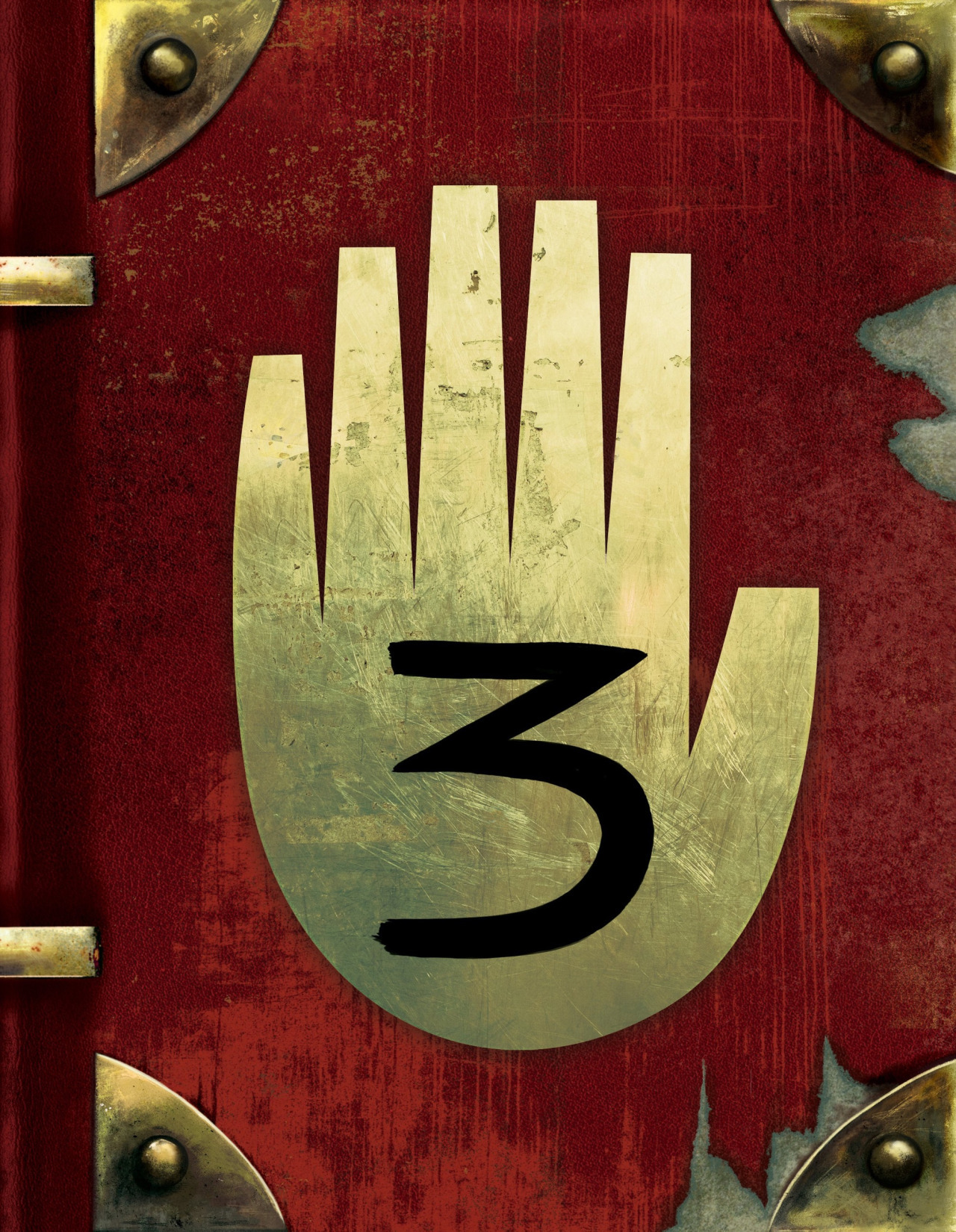
Journal 3 as a Genre-Defying Tome
Within the world of “Books,” Journal 3 defies easy categorization. It is a work of “fantasy” due to its magical elements, a “mystery” novel unfolding page by page, a “scientific journal” detailing impossible biology, and an “adventure” narrative chronicling Ford’s perilous discoveries. Its “genre” is a blend of several, making it universally appealing. While not a “classic” in the traditional sense of literary history, within the fictional universe of Gravity Falls and among its devoted fanbase, it has achieved an iconic status, arguably a modern “classic” of animated media and its associated lore.
The real-world published version of Journal 3 is a “bestseller” in its own right, a testament to the show’s popularity and the book’s faithful recreation of its on-screen counterpart. It wasn’t merely a supplementary piece; it was a carefully curated expansion of the show’s universe, providing “new releases” of lore and filling in gaps left by the series. “Book reviews” of this physical edition often praise its attention to detail, its immersive quality, and its ability to transport readers directly into the mysterious world of Gravity Falls. It’s a prime example of how fictional objects can transition into tangible literary products, driven by fan demand and artistic dedication.

Unveiling the Mysteries Within the Pages: Reading, Learning, and Engagement
The act of reading Journal 3, whether in its on-screen appearances or its physical form, is an exercise in discovery and critical thinking. It offers much more than mere entertainment, providing substantial “Reading and Learning” opportunities that resonate with the mission of Lbibinders.org to foster intellectual curiosity and personal growth.
Cryptids, Conspiracies, and Ciphers: The Lore Deep Dive
The “summaries” of Journal 3’s entries encompass a breathtaking array of phenomena. From the Multi-Bear and the Gremloblin to the shapeshifter and the Blind Eye Society, each creature and conspiracy is meticulously documented. The journal serves as a treasure trove of information, guiding Dipper (and by extension, the audience) through the bizarre ecosystem of Gravity Falls. Beyond creature features, its pages are laden with hidden messages, “ciphers,” and coded language, transforming the act of reading into an interactive puzzle. This engagement with “lore deep dives” encourages analytical thinking, pattern recognition, and an appreciation for intricate world-building. Fans spend countless hours dissecting its contents, drawing connections, and uncovering secrets, much like scholars poring over ancient texts in a library.
Beyond Entertainment: Educational Value and Life Lessons
Journal 3’s “educational value” extends far beyond decoding ciphers. It subtly introduces concepts of cryptography, observation skills akin to scientific research, and the importance of skepticism and critical evaluation of information. Ford’s entries often reflect genuine scientific methodology, albeit applied to impossible phenomena, encouraging a scientific mindset. More profoundly, the journal imparts significant “life lessons.” Dipper’s journey with the journal teaches him about the dangers of obsession, the importance of family over intellectual pursuits, and the ethical responsibilities that come with wielding powerful knowledge. The narrative arc surrounding Journal 3 explores themes of trust, betrayal, the pursuit of truth, and the consequences of unchecked ambition. It prompts readers to consider the balance between curiosity and caution, and the value of human connection in the face of overwhelming, terrifying truths.
The “reading habits” of Gravity Falls fans are unique. They don’t just read; they study, annotate, cross-reference, and debate. The journal encourages close reading, demanding attention to detail, visual clues, and subtle foreshadowing. This active engagement transforms passive consumption into an immersive, analytical experience, a testament to the profound impact a well-crafted fictional work can have on its audience’s intellectual habits.
The Cultural Resonance and Enduring Legacy: Impact and Archival Value
The influence of Journal 3 extends far beyond the confines of the Gravity Falls narrative, weaving itself into the broader tapestry of pop culture and online communities. It exemplifies the “Cultural Impact” that powerful storytelling can achieve, touching upon “Literary Influence,” “Adaptations,” and the vibrant “Communities” that form around such works. Furthermore, its role as a compendium of knowledge, both fictional and real-world, positions it within discussions of “Libraries” and “Archives” in an unconventional but significant way.
From Fan Theories to Fandom Communities
Journal 3 has an immense “literary influence” on the Gravity Falls fandom, inspiring countless fan fictions, art, and elaborate theories that continue to be debated years after the show’s conclusion. Its cryptic nature and unanswered questions provided fertile ground for speculation, fostering a highly engaged and creative community. The journal itself is a primary source for understanding the show’s lore, prompting fans to become amateur cryptologists and literary analysts. This active participation highlights how well-constructed fictional universes can become platforms for collaborative storytelling and critical engagement.
The “communities” that sprang up around Gravity Falls and Journal 3 are a vibrant example of modern fandom. Online forums, wikis, and social media groups dedicated to deciphering its mysteries and discussing its implications abound. These communities are not just passive consumers; they are active contributors, creating an informal, decentralized “digital library” of fan-generated content, analyses, and shared knowledge about the journal. This collective enthusiasm demonstrates the power of shared intellectual pursuits, even when centered around a fictional artifact.
Journal 3 as a Modern Rare Collection and Digital Archive
In its fictional context, Journal 3 is undeniably a “rare collection” of knowledge. It represents unique, unparalleled documentation of anomalies that no one else dared to explore or survived to record. Its value to the characters within the show is immeasurable, a key to understanding and potentially saving their world. This rarity lends it an almost sacred quality within the narrative.
In the real world, the published Journal 3, with its intricate details, glow-in-the-dark features, and additional lore, functions as a modern “archive” of the Gravity Falls universe. It’s a meticulously crafted artifact that preserves and expands the show’s narrative, providing fans with a tangible piece of the world they cherish. Discussions about its contents and fan interpretations frequently appear on “Lbibinders.org,” where readers can delve into detailed analyses and historical context of such unique literary creations. The way fans curate and share information about the journal online, creating wikis and databases, mirrors the function of “public libraries” and “digital libraries,” making knowledge accessible and fostering a collective understanding of this complex work. It bridges the gap between traditional notions of archival preservation and the dynamic, community-driven preservation of digital age media.
Conclusion: The Enduring Allure of the Mysterious Book
Journal 3 from Gravity Falls transcends its animated origins to become a compelling subject for literary analysis. Its fictional author, Stanford Pines, embodies the spirit of the driven scholar, while the journal itself stands as a genre-defying masterpiece that blurs the lines between science, fantasy, and personal memoir. Its profound “educational value” and the “life lessons” it imparts are matched only by its ability to inspire deep “reading habits” and foster vibrant “communities” dedicated to deciphering its every secret.
At Lbibinders.org, we celebrate how such a meticulously crafted piece of media can function as a “rare collection” of lore, a “digital archive” of knowledge, and a source of immense “cultural impact.” The story of Journal 3 reminds us that powerful narratives can emerge from any medium, encouraging curiosity, critical thinking, and a shared passion for discovery. Whether exploring ancient texts or the latest animated phenomenon, the pursuit of knowledge and understanding remains at the heart of our mission. The enduring allure of Journal 3 is a testament to the power of a well-told story and the boundless imagination it can ignite, proving that even a book from a fictional cartoon can hold secrets worth unlocking for years to come.