Great Fiction Books: Exploring Worlds, Minds, and the Human Experience
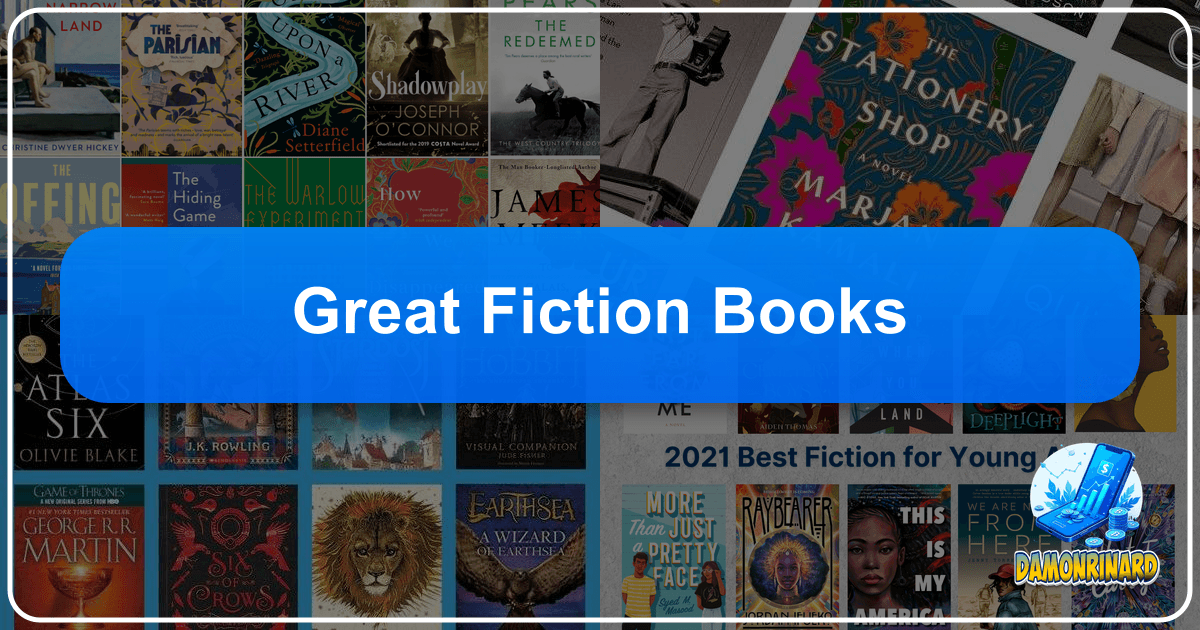
Fiction books are more than just stories; they are portals to other worlds, windows into diverse lives, and mirrors reflecting the human condition. They entertain, educate, challenge, and inspire, leaving an indelible mark on readers and shaping cultures across generations. At Lbibinders.org, we celebrate the profound power of great fiction, offering a comprehensive resource for exploring the vast and enriching literary landscape. From timeless classics to groundbreaking new releases, and from the intricate lives of authors to the transformative act of reading, our platform is dedicated to fostering a deeper appreciation for the art of storytelling.
The Enduring Allure of Great Fiction
What makes a fiction book “great”? It’s a question that sparks endless discussion among readers and critics alike. Often, it’s a combination of captivating narrative, profound character development, innovative style, and a timeless quality that allows it to resonate with audiences across different eras. Great fiction transcends mere entertainment, offering insights into complex societal issues, personal struggles, and universal truths that bind humanity.
Timeless Themes and Universal Truths
Great fiction delves into themes that are eternally relevant: love, loss, courage, betrayal, redemption, identity, power, and justice. Whether set in ancient Greece or a dystopian future, the core human experiences explored in these narratives remain relatable. A classic like F. Scott Fitzgerald’s The Great Gatsby, for instance, explores the American Dream, social class, and the illusion of happiness, themes that continue to be debated and re-examined today. Similarly, the existential questions posed in Albert Camus’s The Stranger or the moral complexities in Fyodor Dostoevsky’s Crime and Punishment challenge readers to contemplate their own place in the world and the ethical frameworks that govern human interaction.
Lbibinders.org provides in-depth analyses and summaries of these enduring works, helping readers uncover the layers of meaning embedded within their pages. Our discussions often highlight how these timeless themes manifest in diverse cultural contexts, offering a global perspective on literature’s unifying power. These are the narratives that become touchstones, referenced in other works, academic discourse, and everyday conversations, proving their lasting impact on the collective consciousness.
The Art of Character Development
At the heart of many great fiction books are unforgettable characters. These aren’t just names on a page; they are fully realized individuals with dreams, flaws, motivations, and internal conflicts that feel strikingly real. From the cunning Odysseus embarking on an epic journey to the defiant Elizabeth Bennet navigating societal expectations, these characters leap off the page and into our imaginations. Their journeys, struggles, and transformations often mirror our own, allowing us to experience empathy, understanding, and even self-discovery.
Authors use various techniques to craft such compelling figures: vivid descriptions, revealing dialogues, internal monologues, and actions that speak volumes. Through these literary devices, we gain intimate access to their inner lives, their hopes, and their fears. Lbibinders.org features articles that delve into the psychological depth of iconic characters, exploring how their arcs contribute to the overall narrative and thematic richness of a book. Understanding character development is crucial for appreciating the narrative craft and the profound impact a well-drawn character can have on a reader’s emotional and intellectual engagement. It’s through these characters that we often confront difficult questions, celebrate triumphs, and mourn losses, making the reading experience deeply personal and transformative.
Exploring Diverse Worlds Through Genres
The world of fiction is incredibly diverse, categorized into numerous genres that offer distinct reading experiences. Each genre comes with its own conventions, tropes, and expectations, yet the greatest works often push these boundaries, blending elements and challenging predefined notions. Lbibinders.org aims to be a comprehensive guide through this rich tapestry of literary forms.
From Classics to Contemporary Masterpieces
The journey through great fiction often begins with the classics – those books that have stood the test of time, frequently appearing on required reading lists and “greatest novels” compilations. These include seminal works like Jane Austen’s Pride and Prejudice, Herman Melville’s Moby Dick, Virginia Woolf’s Mrs Dalloway, and Gabriel Garcia Marquez’s One Hundred Years of Solitude. They offer foundational insights into literary tradition, historical periods, and the evolution of storytelling. Lbibinders.org explores why these books retain their power, examining their historical context, literary techniques, and continued relevance in modern society.
However, the canon of “great fiction” is not static. Contemporary masterpieces are continually emerging, pushing the boundaries of form and content. These might include recent Pulitzer Prize winners, Booker Prize laureates, or critically acclaimed bestsellers that capture the zeitgeist of our current era. Authors like Kazuo Ishiguro, Toni Morrison, Colson Whitehead, and Elena Ferrante are just a few examples whose contemporary works are already recognized for their literary merit and cultural significance. Lbibinders.org keeps its readers informed about these new releases and bestsellers, offering timely book reviews and discussions that highlight their potential to become future classics. We provide a platform for discovering new voices and engaging with the latest literary trends, ensuring that our community remains connected to the ever-evolving world of books.
The Evolving Landscape of Fiction Genres
Fiction genres are vast and varied, catering to every taste and interest.
- Literary Fiction often prioritizes character development, thematic depth, and stylistic innovation, exploring complex human experiences and societal issues.
- Science Fiction takes us to the future, alternate realities, or distant galaxies, using speculative elements to explore scientific, philosophical, and social questions. Visionaries like Isaac Asimov, Ursula K. Le Guin, and Frank Herbert have shaped this genre, offering both thrilling narratives and profound societal critiques.
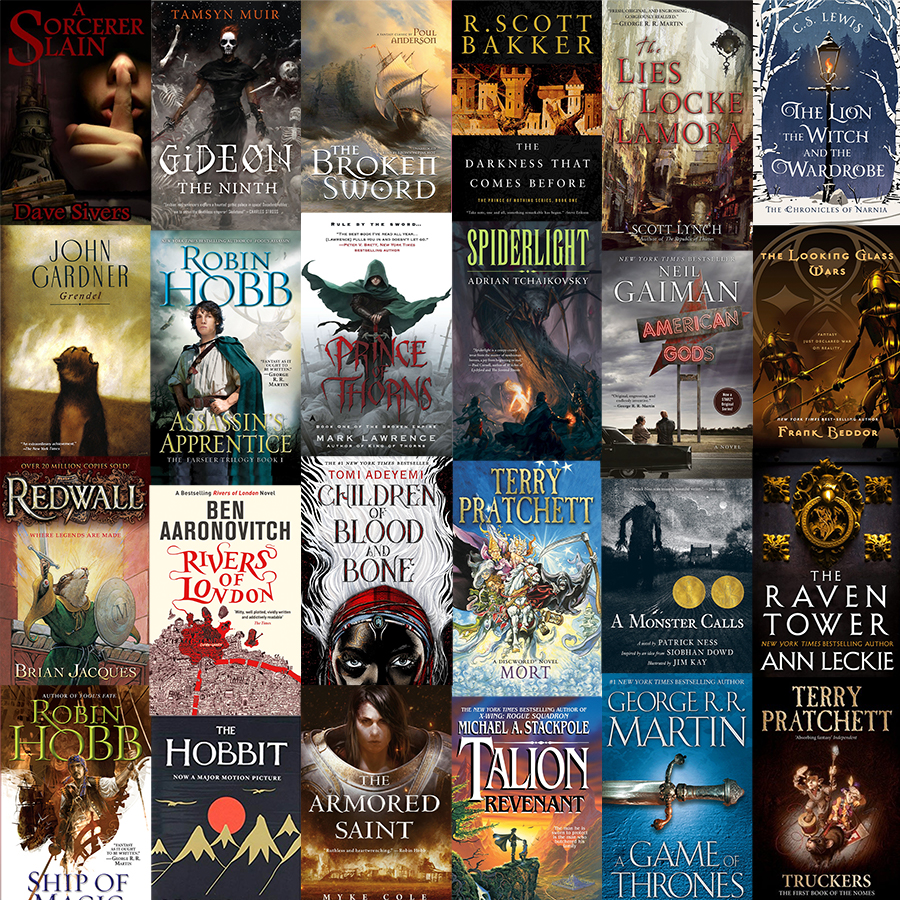
- Fantasy transports readers to magical realms, populated by mythical creatures and epic quests. From J.R.R. Tolkien’s The Lord of the Rings to Neil Gaiman’s American Gods, fantasy explores heroism, destiny, and the struggle between good and evil.
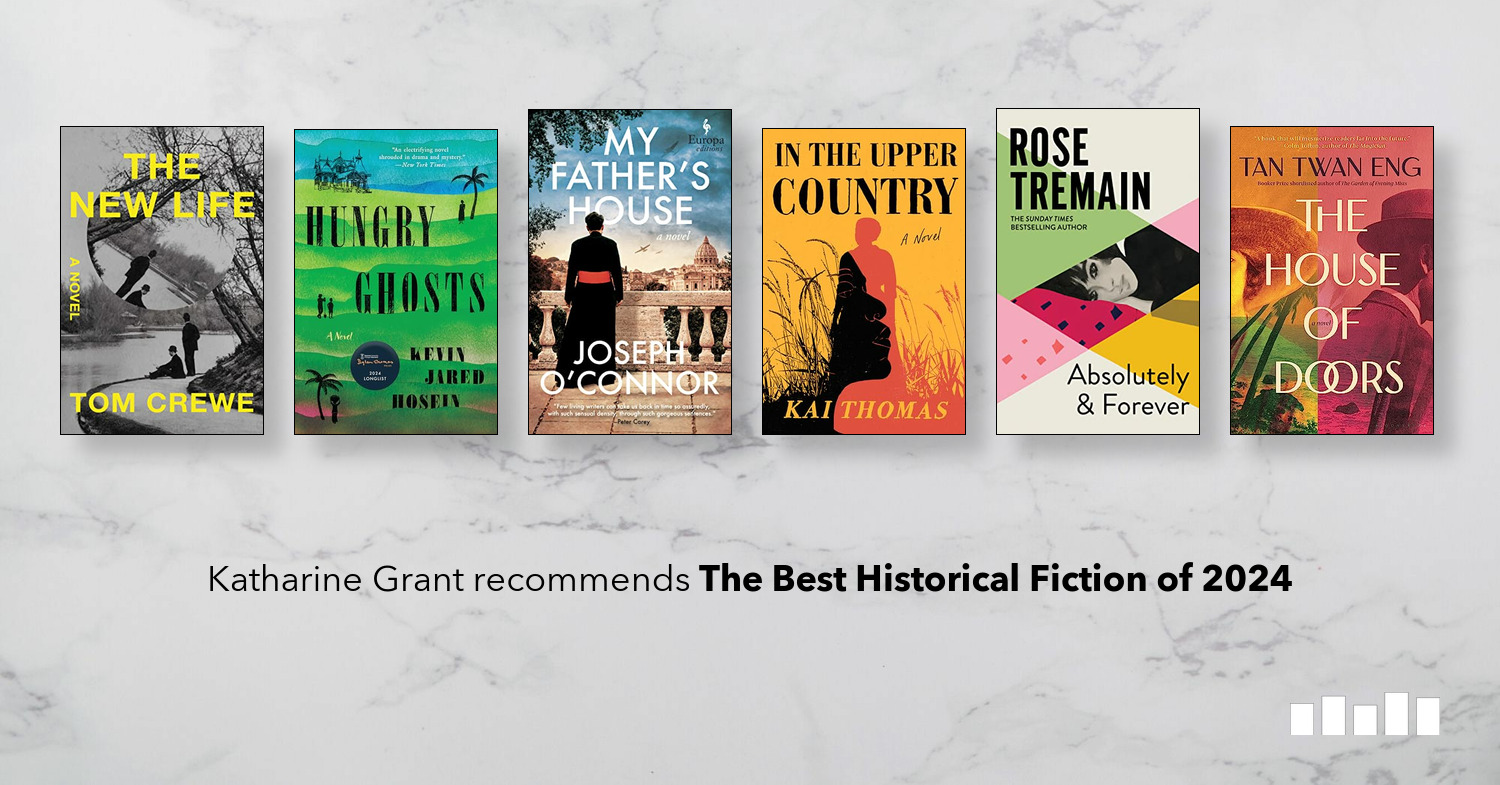
- Historical Fiction meticulously reconstructs past eras, immersing readers in different periods and shedding light on historical events and figures through compelling narratives. Hilary Mantel’s Wolf Hall series or Ken Follett’s The Pillars of the Earth are prime examples.
- Thrillers and Mysteries keep readers on the edge of their seats with suspenseful plots, intricate puzzles, and unexpected twists, often exploring themes of crime, justice, and psychological tension. Authors like Gillian Flynn and Tana French exemplify the modern mastery of this genre.
- Romance explores relationships and emotional connections, often culminating in satisfying resolutions, while Horror aims to evoke fear and explore the darker aspects of human nature and the unknown.
Lbibinders.org provides dedicated sections for each genre, complete with recommendations, reviews, and discussions on their evolution and sub-genres. We believe that an understanding of these diverse categories enhances the reading experience, allowing readers to explore new territories or delve deeper into their preferred literary worlds. Our aim is to demystify the vastness of fiction, making it accessible and exciting for all readers, regardless of their preferred genre.
The Craft and Impact of Storytellers
Behind every great fiction book is a great storyteller. Authors are the architects of worlds, the sculptors of characters, and the weavers of narratives that capture our imaginations and challenge our perceptions. Understanding the author’s journey, their inspirations, and their unique approach to writing offers invaluable insights into the literary works they produce.
The Author’s Vision and Writing Style
Every author possesses a distinct vision and a unique writing style that sets them apart. This style encompasses their choice of words, sentence structure, narrative voice, pacing, and overall tone. Some authors are known for their lyrical prose, others for their stark realism, their biting wit, or their experimental narrative structures. For example, the stream-of-consciousness technique employed by Virginia Woolf, the minimalist prose of Ernest Hemingway, or the intricate magical realism of Gabriel García Márquez are all hallmarks of their respective styles, each profoundly influencing how their stories are received and interpreted.
Lbibinders.org delves into the lives and minds of authors through detailed biographies, explorations of their inspirations, and analyses of their famous works. We examine how personal experiences, historical contexts, and philosophical inclinations shape an author’s creative output. Understanding the author’s biography can provide context for their thematic concerns or character choices, while an appreciation of their writing style enriches the reading experience, allowing readers to grasp the subtle artistry at play. We believe that by celebrating the individual brilliance of authors, we deepen our appreciation for the literary works they leave behind, recognizing them not just as stories, but as products of unique artistic minds.
Fiction’s Broader Cultural Footprint
The impact of great fiction extends far beyond the individual reader; it profoundly shapes culture, influencing art, thought, and societal values. Fiction provides a common cultural lexicon, offering shared stories and characters that become part of the collective consciousness.
One of the most visible forms of this impact is through adaptations. Novels are frequently transformed into films, television series, plays, and even video games, reaching wider audiences and giving new life to beloved stories. From classic adaptations like To Kill a Mockingbird and The Lord of the Rings to modern series like Game of Thrones (based on George R.R. Martin’s A Song of Ice and Fire), these adaptations demonstrate the enduring power of narrative and its ability to transcend mediums. Lbibinders.org explores the nuances of these adaptations, discussing how they interpret the source material, their successes, and the inevitable debates they spark among fans.
Literary awards play a crucial role in recognizing and celebrating excellence in fiction, drawing global attention to significant works and authors. The Nobel Prize in Literature, the Pulitzer Prize, the Booker Prize, and genre-specific awards like the Hugo and Nebula Awards not only confer prestige but also influence what books are read and studied. These awards often highlight authors who challenge conventional narratives, offer profound insights, or masterfully innovate within their craft. Lbibinders.org covers these awards extensively, providing information on laureates, nominees, and the broader implications of their recognition for the literary world.
Furthermore, fiction fosters reading communities. Book clubs, online forums, and literary festivals bring readers together to discuss, debate, and celebrate their shared love for books. Lbibinders.org serves as a hub for such communities, offering spaces for engaging discussions, sharing book reviews, and connecting with fellow enthusiasts. These communities not only enhance the reading experience but also contribute to a vibrant literary culture, ensuring that stories continue to be shared, interpreted, and valued across generations. The cultural impact of fiction is a testament to its unique ability to inform, connect, and inspire us all.
Reading and Learning: The Transformative Power of Stories
Beyond entertainment, great fiction offers immense opportunities for learning and personal growth. It’s a powerful tool for developing empathy, expanding our understanding of the world, and gaining life lessons that might otherwise only come through personal experience. Lbibinders.org champions the educational value of reading, providing resources that help readers maximize their learning from every page.
Fiction allows us to step into the shoes of others, experiencing life from vastly different perspectives. Through a well-crafted narrative, we can understand the motivations of a protagonist from a different culture, the challenges faced by someone in a historical period, or the psychological landscape of a character grappling with complex issues. This act of imaginative engagement naturally cultivates empathy, helping us to better understand and connect with people in our own lives.
Lbibinders.org offers summaries and detailed analyses that go beyond plot points, delving into the themes, symbolism, and philosophical underpinnings of great works. These resources are invaluable for students, educators, and anyone looking to gain a deeper appreciation for the literary craft. Our platform also curates content specifically focused on the educational value of various books, highlighting how they can be used to teach history, sociology, psychology, and ethics in engaging and memorable ways.
Perhaps most profoundly, fiction is a rich source of life lessons. Characters grapple with moral dilemmas, face adversity, make choices, and experience consequences. By observing their journeys, we can reflect on our own values, consider alternative perspectives, and learn about resilience, forgiveness, ambition, and the complexities of human relationships without having to live through every experience ourselves. A coming-of-age novel might teach us about the pains and joys of growing up, while a dystopian tale might warn us about the dangers of unchecked power or societal oppression.
Cultivating positive reading habits is also a key focus at Lbibinders.org. We provide tips and strategies for becoming a more engaged and consistent reader, whether it’s through setting reading goals, joining book clubs, or exploring different genres. We believe that reading is a lifelong journey, and our goal is to inspire and support that journey for everyone, making literature accessible and meaningful.
Libraries: Gateways to Great Fiction
Libraries, both physical and digital, serve as indispensable pillars of literary culture, providing unparalleled access to the world of great fiction. They are sanctuaries for readers, researchers, and learners, embodying the democratic spirit of shared knowledge.
Public libraries, in particular, are vital community hubs. They offer free access to an extensive collection of books, including classic novels, bestselling contemporary fiction, and niche genre works. Beyond physical books, they often provide e-books, audiobooks, and other digital resources, ensuring that literature is accessible to everyone, regardless of their socioeconomic status or physical location. Lbibinders.org recognizes the immense value of public libraries, encouraging readers to utilize these incredible resources and highlighting the diverse programs they offer, from reading groups to author events.
In the digital age, digital libraries and online archives have revolutionized access to fiction. Platforms offering vast collections of e-books and digitized rare manuscripts allow readers to explore works that might otherwise be out of reach. Lbibinders.org collaborates with and champions digital initiatives that make literature more broadly available, reflecting our commitment to democratizing access to great fiction.
Furthermore, university and specialized libraries house rare collections and archives that preserve literary heritage. These invaluable resources contain first editions, author manuscripts, correspondence, and other historical documents that offer unique insights into the creation and reception of great fiction. They are crucial for scholarly research and for understanding the evolution of literary styles and themes over time. Lbibinders.org occasionally features articles on significant rare collections, underscoring their importance in safeguarding the written word for future generations. Libraries, in all their forms, are the custodians of our literary past and the gateways to our reading future.
Conclusion: The Unfolding Journey with Lbibinders.org
Great fiction books are truly extraordinary. They are not merely bundles of pages but vibrant tapestries woven from imagination, insight, and human experience. They allow us to escape, to reflect, to learn, and to grow in ways that few other art forms can. From the universal truths embedded in timeless classics to the innovative storytelling of contemporary authors, fiction continually broadens our horizons and deepens our understanding of ourselves and the world.
At Lbibinders.org, we are passionate about celebrating this incredible art form. Through our comprehensive coverage of books, in-depth author profiles, resources for reading and learning, appreciation for libraries, and exploration of fiction’s cultural impact, we strive to be your ultimate guide in the literary world. We invite you to explore our website, discover new stories, revisit old favorites, engage in vibrant discussions, and embark on a lifelong journey of literary discovery. The adventure of great fiction awaits, and Lbibinders.org is here to illuminate every step of the way.