The Chilling Chronicles: Exploring the Depths of Great Horror Literature on Lbibinders.org
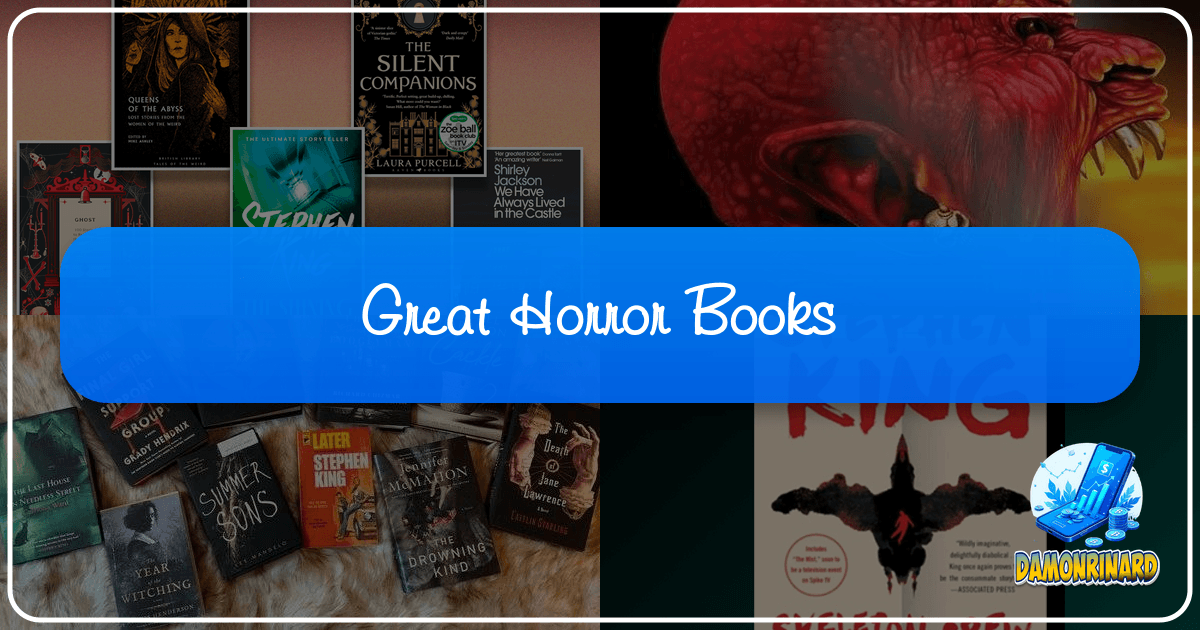
Welcome to Lbibinders.org, your premier destination for navigating the vast and intricate world of books. While our mission encompasses every literary genre and facet of the written word, today we embark on a thrilling journey into the heart of darkness: the realm of great horror literature. From ancient fears whispered around campfires to the sophisticated psychological terrors of the modern era, horror has always held a mirror to humanity’s deepest anxieties, societal ills, and the inexplicable dread that lurks just beyond our understanding. On Lbibinders.org, we celebrate this captivating genre, providing a comprehensive resource for enthusiasts, scholars, and casual readers alike to explore its origins, its masters, its cultural footprint, and its profound impact on our lives.
Horror literature is more than just a source of scares; it’s a profound exploration of the human condition, challenging our perceptions of reality, morality, and sanity. It forces us to confront the monstrous, both external and internal, and often leaves us with questions that linger long after the final page is turned. Through the lens of Lbibinders.org’s extensive categories – covering books, authors, reading and learning, libraries, and cultural impact – we will dissect what makes a horror book “great” and how our platform serves as an indispensable guide through its chilling narratives.
The Roots of Fear: Classic Horror Literature
The lineage of horror literature is long and distinguished, stretching back through centuries to folklore, ghost stories, and the gothic novels that first established the genre’s distinct tropes. Lbibinders.org offers an unparalleled collection of resources dedicated to these foundational works, allowing readers to trace the evolution of fear and appreciate the enduring power of tales that continue to haunt new generations.
The very concept of a “great horror book” often begins with the classics. These are the narratives that codified the genre, established its subgenres, and provided the archetypes that countless authors would later build upon. On Lbibinders.org, you’ll find detailed analyses of these seminal works, from Mary Shelley’s philosophical exploration of creation and responsibility in Frankenstein to Bram Stoker’s iconic tale of vampirism in Dracula. We delve into their historical contexts, their literary innovations, and their lasting influence on popular culture, making it easy for readers to understand why these books remain essential reading.

Gothic Horrors and Psychological Thrills
Within the pantheon of classic horror, two subgenres stand out for their profound impact: Gothic horror and psychological thrillers. Gothic horror, born in the 18th century, thrives on atmosphere, decay, and the supernatural. It often features dilapidated castles, brooding landscapes, tormented heroes, and vulnerable heroines, all steeped in an oppressive sense of dread. Works like Ann Radcliffe’s The Mysteries of Udolpho and Horace Walpole’s The Castle of Otranto set the stage, meticulously reviewed and cataloged on Lbibinders.org, showcasing their narrative structures and thematic concerns. We explore how these stories used isolation, ancient curses, and forbidden secrets to create a pervasive sense of unease, prefiguring much of the horror that would follow.
The transition from purely external, supernatural threats to internal, psychological ones marks a significant evolution in horror. Edgar Allan Poe, a master of the macabre, pioneered the psychological thriller, delving deep into the tormented minds of his characters. Stories such as “The Tell-Tale Heart” and “The Fall of the House of Usher,” meticulously detailed on Lbibinders.org, are prime examples of how fear can emanate not from a monster under the bed, but from the depths of human madness and guilt. Our platform provides comprehensive book reviews and summaries that unpack Poe’s intricate prose and his masterful use of unreliable narrators, illustrating how he manipulated language and perspective to create unsettling experiences that resonate purely within the reader’s psyche. These insights are invaluable for understanding the genesis of modern suspense and the profound impact of internal dread.

Modern Masters of the Macabre and Contemporary Terrors
While the classics laid the groundwork, modern horror has diversified and evolved, embracing new fears and pushing the boundaries of what frightens us. Lbibinders.org is committed to tracking these developments, providing up-to-date information on bestsellers, new releases, and insightful book reviews that help readers navigate the ever-expanding landscape of contemporary terror.
Stephen King stands as an undisputed titan of modern horror, his prolific output and imaginative worlds captivating millions. From the small-town evils of It to the psychological torment of The Shining, King’s works are cornerstones of any horror collection. On Lbibinders.org, readers can explore extensive bibliographies, critical analyses of his writing style, and reader-submitted reviews that highlight the impact of his character-driven narratives and his ability to tap into universal fears. But modern horror extends far beyond one author. We cover the insidious dread of Shirley Jackson’s The Haunting of Hill House, the cosmic nihilism reinvented by authors inspired by H.P. Lovecraft, and the visceral body horror that explores the fragility of the human form.
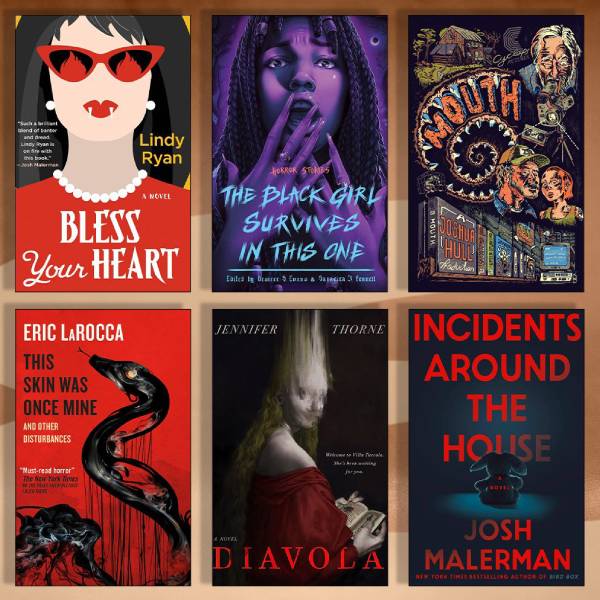
Our “New Releases” section is constantly updated, ensuring that Lbibinders.org remains at the forefront of contemporary horror. Whether it’s a debut novelist pushing genre boundaries or a seasoned author delivering another chilling masterpiece, you’ll find it here. We highlight emerging trends like folk horror, which taps into ancient, rural fears, or contemporary gothic tales that transplant classic tropes into modern settings. Our book reviews, penned by both our editorial team and our vibrant community, offer diverse perspectives on these new works, guiding readers towards their next spine-tingling read and fostering discussion about the direction of the genre. Lbibinders.org serves as a vital bridge between the historical foundations of horror and its dynamic, ever-evolving present.
The Architects of Anxiety: Delving into Horror Authors
Behind every great horror book is a mind capable of crafting elaborate nightmares, translating personal fears into universal dread. Lbibinders.org recognizes the immense contribution of these architects of anxiety, dedicating significant resources to exploring the lives, inspirations, and unique writing styles of the authors who have shaped the genre. Understanding the author is often key to understanding the book itself.
Our “Authors” section features comprehensive biographies, shedding light on the experiences and influences that molded these creators. For instance, we explore how Edgar Allan Poe’s personal tragedies and struggles with mental health profoundly influenced his themes of loss, madness, and obsession. Similarly, we examine how H.P. Lovecraft’s reclusive life and philosophical worldview gave rise to his unique brand of cosmic horror, depicting humanity as insignificant specks in an indifferent, terrifying universe. Lbibinders.org provides detailed profiles that connect these biographical details to the thematic undercurrents and narrative choices found in their famous works, offering readers a richer, more contextualized understanding of the literature.
Beyond biography, we delve into writing styles, dissecting the techniques authors employ to evoke fear. We analyze Stephen King’s mastery of character development, which makes his readers deeply invest in his protagonists before unleashing terror upon them. We explore Shirley Jackson’s subtle, creeping dread, built through psychological tension and ambiguity rather than overt scares. Lbibinders.org’s resources meticulously break down these stylistic elements, from point of view and narrative pacing to imagery and symbolism, illustrating how specific choices contribute to the overall atmosphere of horror. We also uncover the inspirations behind these works – be it ancient folklore, historical events, scientific discoveries, or profound philosophical questions – showing how they transform into the terrifying narratives we cherish.
Exploring the Dark Psyche: Character-Driven Horror
Some of the most profound and unsettling horror emanates not from external monsters, but from the darkness within the human mind. Character-driven horror, meticulously examined on Lbibinders.org, excels at dissecting psychological fragility, moral decay, and the terrifying potential of human malice or delusion. Authors like Shirley Jackson, with her nuanced portrayal of Eleanor Vance’s unraveling mind in The Haunting of Hill House, or Gillian Flynn, who masterfully crafts psychologically complex and often morally ambiguous characters in thrillers like Gone Girl, exemplify this subgenre.
Lbibinders.org provides in-depth author spotlights that emphasize their unique approaches to character development. We explore how these authors use internal monologues, fragmented narratives, and unreliable narrators to immerse readers in the protagonists’ distorted realities, making the reader question what is real and what is imagined. Our platform offers critical essays and book reviews that delve into the psychological underpinnings of these narratives, discussing themes such as paranoia, guilt, obsession, and the breakdown of identity. By understanding the authors’ intentions and techniques for crafting such intricate characters, readers on Lbibinders.org gain a deeper appreciation for how character-driven horror challenges societal norms, explores the depths of human depravity, and ultimately, offers a chilling commentary on the fragility of the human psyche.
Beyond the Scream: The Educational Value of Horror
While often dismissed as mere entertainment, horror literature possesses a surprising depth of educational value, offering readers profound insights into history, philosophy, and the human condition. Lbibinders.org champions this aspect, providing tools and resources that transform a thrilling read into a meaningful learning experience.
Our “Reading and Learning” section offers comprehensive summaries that go beyond simple plot outlines. These summaries provide contextual information, highlight key themes, and identify literary devices, enabling readers to grasp the core concepts of a horror novel quickly or refresh their memory of complex narratives. This is particularly useful for students, book club members, or anyone looking to delve deeper into the meaning behind the scares.
The educational value of horror extends to its capacity for social commentary and philosophical inquiry. Many great horror books serve as allegories for real-world fears and societal anxieties. The Lottery by Shirley Jackson, for instance, critiques blind adherence to tradition and the mob mentality, while George A. Romero’s zombie films, and their literary counterparts, often comment on consumerism and societal breakdown. Lbibinders.org provides articles and discussion prompts that explore these deeper meanings, encouraging readers to critically analyze the text and draw connections to contemporary issues. We show how horror can be a lens through which to understand historical periods, psychological disorders, and the enduring questions of good and evil, fate and free will.
Life lessons, surprisingly, can also be gleaned from horror. Characters grappling with extreme circumstances often exhibit resilience, sacrifice, or succumb to moral compromises, offering insights into human behavior under duress. Horror can teach us about confronting fear, understanding the consequences of unchecked ambition, or the importance of empathy even in the face of the monstrous. Lbibinders.org hosts discussions and features articles that explore these moral and ethical dimensions, fostering a deeper engagement with the material. Furthermore, our platform encourages positive reading habits, providing tools for tracking reading progress, setting goals, and discovering new books within the horror genre, helping users maintain a consistent and enriching reading journey.
Unpacking Fear: Social Commentary in Horror Literature
Horror literature, at its most potent, is never just about monsters; it’s about what those monsters represent. Great horror often functions as a powerful vehicle for social commentary, reflecting and critiquing the anxieties, injustices, and moral failings of its time. Lbibinders.org dedicates significant resources to unpacking these layers of meaning, illuminating how authors use fear to explore complex societal issues.
Consider the classic works: Frankenstein can be read as a cautionary tale about unchecked scientific ambition and the responsibilities of creation. Dracula touches on themes of foreign invasion, xenophobia, and repressed sexuality prevalent in Victorian society. Moving into modern horror, authors like Jordan Peele (though primarily a filmmaker, his literary influences are strong) and Victor LaValle craft horror narratives that explicitly address racial injustice and systemic oppression. Stephen King’s It delves into themes of childhood trauma and the cyclical nature of evil within small-town communities.
Lbibinders.org features in-depth articles, expert analyses, and community discussions that dissect these social commentaries. We provide historical context to specific horror narratives, explaining how events like the Cold War influenced nuclear anxieties in creature features, or how changing views on mental health gave rise to new forms of psychological horror. Our platform allows readers to explore how horror confronts taboos, challenges power structures, and gives voice to marginalized fears. By recognizing these deeper societal reflections, readers on Lbibinders.org gain a more profound understanding of the genre’s enduring relevance and its capacity to engage with and critique the world around us.
Gateways to the Macabre: Libraries and Horror Literature
Access to great horror literature is crucial for enthusiasts, and Lbibinders.org serves as a vital guide to the myriad ways readers can discover and engage with these chilling tales. From the venerable halls of public libraries to the expansive reaches of digital archives, our platform connects readers to the resources they need.
Public libraries have long been democratic bastions of knowledge and entertainment, offering free access to a vast array of books, including an extensive collection of horror. Lbibinders.org helps users locate their nearest public library and explore its horror holdings, often providing links to their online catalogs. We understand the unique pleasure of browsing physical shelves and discovering a spine-tingling title, and we encourage our community to support these invaluable local institutions that are often the first point of contact for many aspiring horror fans.
In the digital age, access has expanded exponentially through digital libraries. Platforms offering e-books and audiobooks have revolutionized how we consume literature, making horror more accessible than ever before. Lbibinders.org integrates with various digital library systems, guiding users on how to borrow and enjoy digital versions of their favorite horror novels. Whether you prefer reading on a tablet or listening to an expertly narrated audiobook during a late-night drive, our platform helps you navigate these digital collections.
For the serious collector or historian, the world of rare collections and archives holds particular allure. First editions of Edgar Allan Poe’s works, handwritten manuscripts by H.P. Lovecraft, or early pulp horror magazines are treasures that reveal the historical journey of the genre. Lbibinders.org highlights institutions around the globe that house these rare collections, providing insights into their historical significance and the efforts being made to preserve them. Our platform serves as an archival resource itself, documenting the literary history of horror and ensuring that the legacies of its greatest authors and works are preserved for future generations.
The Echo of Dread: Horror’s Enduring Cultural Impact
Great horror books do not exist in a vacuum; their narratives and themes echo far beyond the pages, influencing other art forms, inspiring new creators, and fostering vibrant communities. Lbibinders.org proudly tracks this extensive cultural footprint, demonstrating how horror literature continues to shape our collective imagination.
The literary influence of horror is undeniable. Its tropes and stylistic innovations have seeped into other genres, from the gothic romance that borrows its atmospheric dread to the psychological thriller that perfects its suspenseful tension. Authors across the literary spectrum draw inspiration from horror’s ability to explore taboos, challenge morality, and delve into the darker aspects of the human experience. Lbibinders.org offers articles that trace these interconnections, showing how horror’s tendrils extend into mainstream fiction and even academic discourse, shaping our understanding of narrative, fear, and human psychology.
Perhaps the most visible aspect of horror’s cultural impact is its adaptations. Great horror books frequently transition from page to screen, stage, or even video games, reaching broader audiences and cementing their place in popular culture. Lbibinders.org provides comprehensive reviews and comparisons of these adaptations, analyzing how films like Stanley Kubrick’s The Shining (based on Stephen King’s novel) or the various interpretations of Frankenstein expand upon or diverge from their source material. We explore the challenges and triumphs of bringing literary horror to a visual medium, and how these adaptations often introduce new generations to the original, chilling texts.
The genre also celebrates its own through various awards. Prestigious accolades such as the Bram Stoker Awards, the Shirley Jackson Awards, and the World Fantasy Awards (which often honor horror works) recognize excellence in horror literature. Lbibinders.org meticulously covers these awards, highlighting the nominees and winners, and providing insights into why these particular works were deemed outstanding. This not only celebrates the authors but also guides readers towards critically acclaimed and innovative horror narratives. Finally, the horror genre boasts a passionate and dedicated community. From online forums and social media groups to local book clubs and fan conventions, horror aficionados gather to discuss their favorite authors, debate theories, and share their latest terrifying discoveries. Lbibinders.org serves as a central hub for this vibrant community, fostering discussions, facilitating connections, and providing a platform for readers to engage deeply with the genre and with each other.
From Page to Screen: The Power of Horror Adaptations
The journey of a great horror book from its written form to a visual medium – be it film, television, or even video games – is a testament to its enduring power and cultural resonance. These adaptations play a crucial role in broadening the reach of horror literature, introducing its chilling narratives to audiences who might not otherwise pick up a book. Lbibinders.org extensively covers these transformations, analyzing their impact and providing a platform for comparing the original text with its visual interpretation.
Successful adaptations often become cultural touchstones in their own right, sometimes even overshadowing the original literary work in public consciousness. Stephen King’s It, for example, has seen multiple acclaimed television and film adaptations, each bringing Pennywise the Dancing Clown to terrifying life for new generations. Similarly, the cinematic legacy of Frankenstein has evolved through countless interpretations, solidifying its monstrous creation as an iconic figure. Lbibinders.org provides detailed reviews of these adaptations, discussing how filmmakers translate the psychological dread, atmospheric tension, and character nuances from the page to the screen. We explore the artistic choices made, the challenges of visualising the indescribable horrors, and how these adaptations often contribute new elements or perspectives to the original story.
Our platform facilitates discussions on the fidelity of adaptations, exploring questions such as: Does the film capture the essence of the book? Do changes enhance or detract from the narrative? By comparing source material with its adapted form, readers on Lbibinders.org gain a deeper appreciation for both the literary craft and the art of filmmaking. These comparisons not only entertain but also educate, demonstrating the unique strengths of different media in evoking fear and telling a compelling, terrifying story. The power of horror adaptations lies in their ability to reignite interest in the original texts and to ensure that the timeless scares crafted by literary masters continue to resonate in contemporary culture.
In conclusion, the world of great horror literature is a rich, multifaceted landscape, teeming with terrifying tales, brilliant authors, and profound insights. From the foundational Gothic masterpieces to the cutting-edge narratives of today, horror challenges, entertains, and ultimately helps us understand ourselves and the world around us. Lbibinders.org stands as your ultimate companion on this chilling journey, offering a comprehensive, curated, and community-driven platform to explore every dark corner of the genre. Whether you’re seeking your next terrifying read, delving into the biography of a master of the macabre, or discussing the cultural impact of a classic, Lbibinders.org is your indispensable guide. Dive in, if you dare, and discover the thrilling depths of horror literature with us.