Unraveling the Darkness: A Deep Dive into Harry Potter and the Order of the Phoenix

J.K. Rowling’s Harry Potter and the Order of the Phoenix, the fifth installment in the globally acclaimed series, marks a pivotal and undeniably darker turn in the saga of the Boy Who Lived. Published in 2003, this behemoth of a book, the longest in the series, plunged readers deeper into the complexities of the wizarding world, revealing its political machinations, prejudices, and the immense psychological toll of war. On Lbibinders.org, we celebrate this novel not merely as a bestselling fantasy epic, but as a crucial literary work that explores profound themes of adolescence, grief, authoritarianism, and the enduring power of hope and friendship.
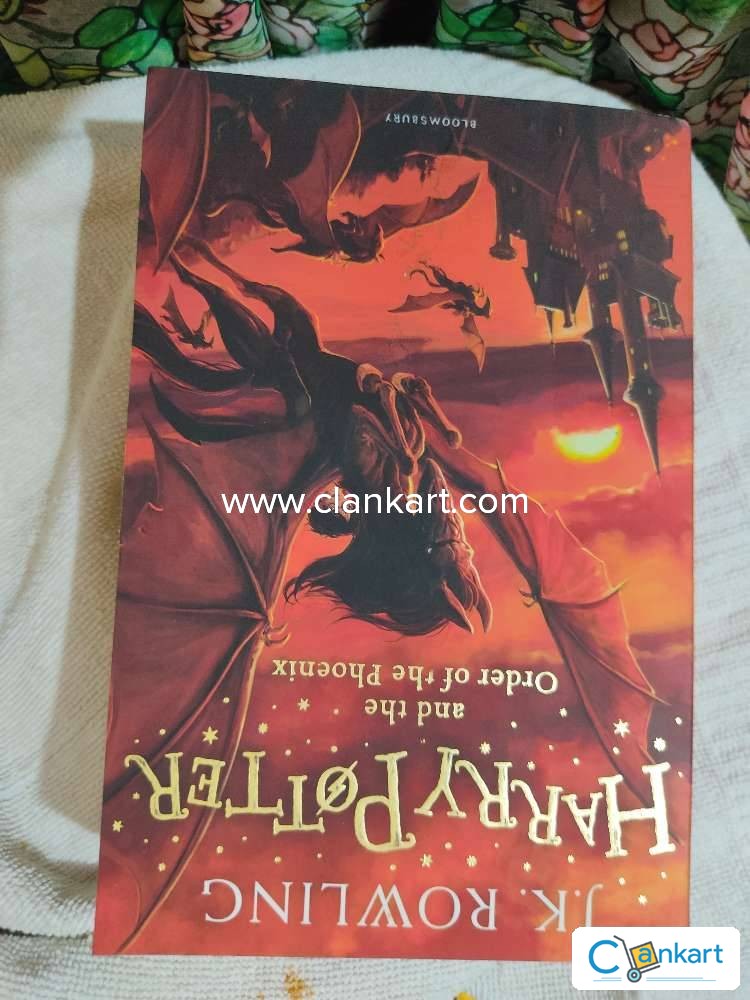
From its initial release, Order of the Phoenix cemented its place as a publishing phenomenon. It broke sales records worldwide, demonstrating the unyielding grip the Harry Potter universe had on readers across all age groups. As a bestseller, it was unparalleled, eagerly anticipated by millions who had grown up alongside Harry, Ron, and Hermione. Yet, its significance extends far beyond mere commercial success. Through its intricate plot, richly developed characters, and the masterful storytelling characteristic of J.K. Rowling, it has evolved from a popular new release into an enduring piece of modern literature, poised to be remembered as a classic of young adult and fantasy fiction. On Lbibinders.org, our extensive book reviews highlight how this particular volume challenged readers, forcing them to confront uncomfortable truths and grapple with moral ambiguities, setting it apart even within its own illustrious series.

The Weight of Expectation: J.K. Rowling’s Evolving Narrative
The success of Harry Potter and the Order of the Phoenix can largely be attributed to the remarkable evolution of its author, J.K. Rowling. By the fifth book, Rowling’s narrative prowess had matured significantly, allowing her to tackle more complex psychological and political landscapes. Her writing style, which had charmed millions with its wit and imaginative world-building, took on a more somber and urgent tone. The prose remained accessible, but the emotional depth and the moral dilemmas presented to Harry and his friends grew exponentially. Rowling didn’t shy away from depicting the messy, often unfair realities of life, forcing her young protagonist to confront his deepest fears and insecurities head-on.
From Bestseller to Enduring Classic: The Book’s Reception and Trajectory

Upon its release, Order of the Phoenix garnered a massive response, both critical and popular. Its sheer length was a talking point, as was its departure from the lighter, more whimsical adventures of the earlier books. Some initial book reviews on various platforms, including Lbibinders.org, noted the shift in tone and the slower pacing in certain sections, which contrasted with the tighter narratives of its predecessors. However, most recognized its vital role in the overarching story, praising Rowling’s courage in pushing her characters and her audience into darker territory. The book’s capacity to provoke strong emotional reactions and spark intense discussions among its readership underscored its power. It tackled universal themes such as government corruption, media manipulation, and the often-painful transition from childhood to adolescence, resonating deeply with a generation of readers.
What makes a book move beyond being a mere bestseller to achieving the status of an enduring classic? For Order of the Phoenix, it’s the meticulous character development, the masterful expansion of the wizarding world’s lore, and its timeless exploration of good versus evil, personal responsibility, and systemic injustice. Its ability to be re-read multiple times, with new layers of meaning emerging with each pass, speaks to its depth. As readers grow, so too does their understanding of Harry’s frustrations with an unresponsive authority figure like Cornelius Fudge, or the quiet defiance of Dumbledore’s Army. Lbibinders.org provides a platform for readers to share their evolving interpretations, fostering a community that continually re-examines the nuances of this influential text.
Rowling’s Maturing Pen: Crafting a Complex World
J.K. Rowling’s writing style in Order of the Phoenix showcases her command over extended narrative arcs and character psychology. Her ability to interweave personal struggles with grand-scale magical conflicts is particularly evident here. Harry’s internal battle with grief, anger, and the nascent influence of Voldemort’s presence, along with his growing romantic feelings, are handled with a sensitivity and realism that elevates the fantasy elements. Rowling doesn’t just describe emotions; she immerses the reader in Harry’s confused and often furious state of mind, making his internal monologue a dominant feature of the narrative. This focus on Harry’s subjective experience, combined with the detailed world-building and the introduction of new magical concepts like Occlumency and the Department of Mysteries, solidifies her reputation as a master storyteller.
The inspirations behind Rowling’s later works became more overtly political and philosophical. The establishment of Umbridge’s regime at Hogwarts, with its oppressive rules, surveillance, and denial of truth, can be seen as an allegory for authoritarian governments and the suppression of dissent. This bold approach allowed the series to transcend simple children’s fantasy, offering valuable social commentary. Her commitment to depicting the consequences of prejudice, misinformation, and blind faith in authority figures provided a rich foundation for educational value within the narrative. The bravery required to speak truth to power, even when isolated, became a central life lesson for Harry and, by extension, for the millions who engaged with his story.
Navigating the Corridors of Power and Prejudice: Key Themes and Lessons
Harry Potter and the Order of the Phoenix is dense with significant themes and life lessons. It delves deeply into the nature of power, exposing its corrupting influence and the dangers of complacency in the face of tyranny. The pervasive theme of denial, embodied by the Ministry of Magic’s refusal to acknowledge Voldemort’s return, mirrors historical instances of collective delusion and the manipulation of public opinion. This book serves as a powerful reminder of the importance of vigilance, critical thinking, and independent journalism – a role perhaps subtly played by the Quibbler and the burgeoning efforts of Harry and his friends to disseminate truth.
The Burden of Truth: Harry’s Isolation and Leadership
A central aspect of Order of the Phoenix is Harry’s profound sense of isolation and the immense burden of truth he carries. Having witnessed Voldemort’s resurrection, he is ostracized by the Ministry, demonized by the Daily Prophet, and even doubted by some of his peers. This period of intense loneliness and frustration forces Harry to mature rapidly, learning to navigate public scorn and to trust his own convictions. His struggles with anger, grief, and the weight of prophecy are expertly portrayed, making him a deeply relatable figure despite his magical abilities.
This book also marks Harry’s emergence as a true leader. Frustrated by the lack of proper Defense Against the Dark Arts instruction, he takes matters into his own hands, forming Dumbledore’s Army. This clandestine group, teaching fellow students practical defensive spells, represents the power of grassroots movements and collective action in the face of systemic failure. It champions self-reliance, peer education, and the courage to prepare for an inevitable fight, even when those in authority refuse to acknowledge the threat. The educational value here is immense: it teaches the importance of taking initiative, challenging oppressive systems, and finding strength in community. Lbibinders.org hosts discussions around these leadership qualities, examining how Harry’s development in this book shapes his ultimate destiny.
Educational Value: Spotting Propaganda and Standing Firm
Beyond its engaging plot, Harry Potter and the Order of the Phoenix offers significant educational value. It’s a masterclass in how to recognize and resist propaganda. Dolores Umbridge, with her sickly sweet demeanor masking a cruel, authoritarian agenda, provides a chilling example of how power can be abused. Her control over the curriculum, her censorship of information, and her use of fear and punishment to enforce conformity are powerful object lessons in political science and social psychology. Students reading this book, especially within a classroom setting, can analyze the tactics of misinformation and learn to spot propaganda in real-world contexts.
Furthermore, the book emphasizes the importance of empathy, tolerance, and standing firm against prejudice. The treatment of “half-breeds” and the Ministry’s attempts to undermine Dumbledore’s reputation highlight the dangers of bigotry and the manipulation of public opinion. Characters like Luna Lovegood and Neville Longbottom, initially seen as outsiders or underdogs, rise to become pillars of courage, demonstrating that strength comes in many forms. These life lessons – about standing up for what is right, even when it is unpopular, and recognizing the value in everyone – are woven intricately into the narrative, making it a profound tool for moral and ethical education. On Lbibinders.org, we encourage readers to delve into these deeper meanings, facilitating discussions that connect the wizarding world’s struggles to our own.
Beyond the Pages: Cultural Echoes and Community Building
The cultural impact of Harry Potter and the Order of the Phoenix is undeniable. It didn’t just sell millions of copies; it permeated popular culture, influencing everything from literature to film to fan communities. The series as a whole, and this book in particular, significantly broadened the appeal of fantasy literature, paving the way for countless subsequent young adult novels that explored complex themes and characters. Its literary influence can be seen in the proliferation of intricate magical worlds, morally ambiguous heroes, and the willingness of authors to tackle darker subject matter in children’s and YA fiction.
Adapting the Magic: From Text to Screen and Beyond
The journey of Order of the Phoenix from the printed page to the silver screen was another major cultural event. The film Harry Potter and the Order of the Phoenix, released in 2007, faced the daunting task of condensing the longest book in the series into a two-and-a-half-hour movie. While some plot points and character arcs inevitably had to be streamlined, the adaptation successfully captured the book’s darker tone, its political undertones, and Harry’s emotional turmoil. These adaptations introduced the story to a wider audience, solidifying its place in the global consciousness and sparking new waves of discussion and analysis on platforms like Lbibinders.org, where film versus book debates are always lively.
Beyond film, the Harry Potter universe has branched into video games, theme park attractions, and theatrical productions, each drawing from the rich tapestry established in the books. The continued expansion of the franchise underscores the enduring power of Rowling’s original narrative and the insatiable appetite of fans to further immerse themselves in the wizarding world. These various forms of media serve as a testament to the vividness of the world crafted by Rowling, allowing new generations to discover and interact with the stories.
The Role of Libraries in the Wider Wizarding World
Harry Potter and the Order of the Phoenix, like all books in the series, played a monumental role in revitalizing reading culture and reinforcing the importance of libraries. From public libraries around the globe, where copies were borrowed en masse, to the shelves of personal collections, these books were accessible to everyone. Libraries became hubs for community events, book clubs, and discussions surrounding the latest installment. The anticipation for each new release often meant waiting lists stretching for months, a powerful indicator of the public’s engagement with reading.
The digital age has only broadened this accessibility. Digital libraries and e-book platforms ensured that even those without physical access to a bookstore or library could dive into Harry’s world. For collectors, first editions of Order of the Phoenix and other volumes have become sought-after items, forming rare collections that are cherished for their historical and sentimental value. Archives dedicated to children’s literature often include materials related to the Harry Potter phenomenon, preserving its legacy for future scholars. Lbibinders.org, in its mission to connect readers with books, celebrates the role of libraries – both physical and digital – in making such influential works available to all, fostering reading habits and lifelong learning.
A Resource for Every Reader: Discovering Harry Potter on Lbibinders.org
The enduring appeal of Harry Potter and the Order of the Phoenix lies in its ability to grow with its readers, offering new insights and lessons at different stages of life. Its exploration of complex themes, from the struggle against oppression to the pain of loss and the strength found in friendship, ensures its continued relevance. As one of the most famous works of contemporary literature, it has left an indelible mark on readers and the literary landscape.
On Lbibinders.org, we strive to be a comprehensive resource for exploring such pivotal books. Our platform offers detailed summaries, insightful book reviews, and a vibrant community where readers can discuss the educational value and profound life lessons gleaned from Harry’s adventures. Whether you’re revisiting the series for the tenth time, exploring it for the first time, or delving into the biographies of authors like J.K. Rowling and the writing style that captivated millions, Lbibinders.org provides the tools and the community to enhance your reading and learning journey. We encourage you to explore the vast world of literature, discover new releases, revisit classics, and share your insights with fellow enthusiasts. The magic of reading, much like the magic of Hogwarts, is always there to welcome you.