Henry James Books: A Deep Dive into Masterpieces of Psychological Realism

Henry James (1843–1916) stands as a colossus in the landscape of Anglo-American literature, a master architect of psychological realism whose intricate narratives continue to captivate and challenge readers worldwide. His prodigious output, spanning over two dozen novels, more than a hundred short stories, essays, and plays, explores the nuanced interplay of culture, morality, and individual consciousness, primarily through the lens of Americans encountering European society. For enthusiasts and scholars alike, the works of Henry James offer an inexhaustible wellspring of literary analysis, profound human insight, and timeless artistry. Lbibinders.org celebrates this literary giant by providing resources that illuminate his complex world, from detailed book reviews and genre analyses to biographical insights and discussions of his profound cultural impact.
James’s unique perspective, often shaped by his status as an American expatriate living predominantly in England, allowed him to expertly dissect the cultural clash between the New World’s innocence and the Old World’s sophistication. His narratives are not merely stories; they are intricate explorations of human psychology, social etiquette, and the profound moral choices individuals face when confronted with contrasting value systems. Through his unparalleled mastery of point of view and indirect discourse, James invites readers deep into the consciousness of his characters, revealing their inner turmoil, their subtle perceptions, and the often-unspoken truths that govern their lives. Understanding Henry James’s books is to embark on a journey into the very fabric of human experience, a journey Lbibinders.org is proud to facilitate through comprehensive guides and discussions.

The Canon of Henry James: Classics of International and Psychological Realism
Henry James’s contribution to the literary canon is undeniable, with several of his novels recognized as seminal works of Western literature. His most famous novels, often referred to as his “major phase” works, include The Portrait of a Lady, The Ambassadors, The Wings of the Dove, and The Golden Bowl. These towering achievements exemplify his mature style and his deep engagement with themes of innocence, experience, social class, and the clash of cultures. Lbibinders.org categorizes these works not just as classics but also as pivotal examples of the psychological realism genre, showcasing how James meticulously crafted internal worlds as richly detailed as their external settings.
Navigating James’s Genres: From Novellas to Grand Novels
While primarily known for his grand, sprawling novels, James was also a prolific and equally brilliant writer of shorter fiction. His novellas, such as The Turn of the Screw, Daisy Miller, and Washington Square, are masterpieces of concision and psychological intensity. The Turn of the Screw, in particular, remains one of the most famous and debated ghost stories in literature, a work that brilliantly blurs the lines between supernatural horror and psychological delusion, leaving readers to grapple with its ambiguities long after the final page. These novellas often serve as excellent entry points for readers new to James, offering a more contained yet equally profound experience of his literary genius. Lbibinders.org provides detailed summaries and critical analyses of these shorter works, making them accessible to a broader audience and highlighting their significant educational value.
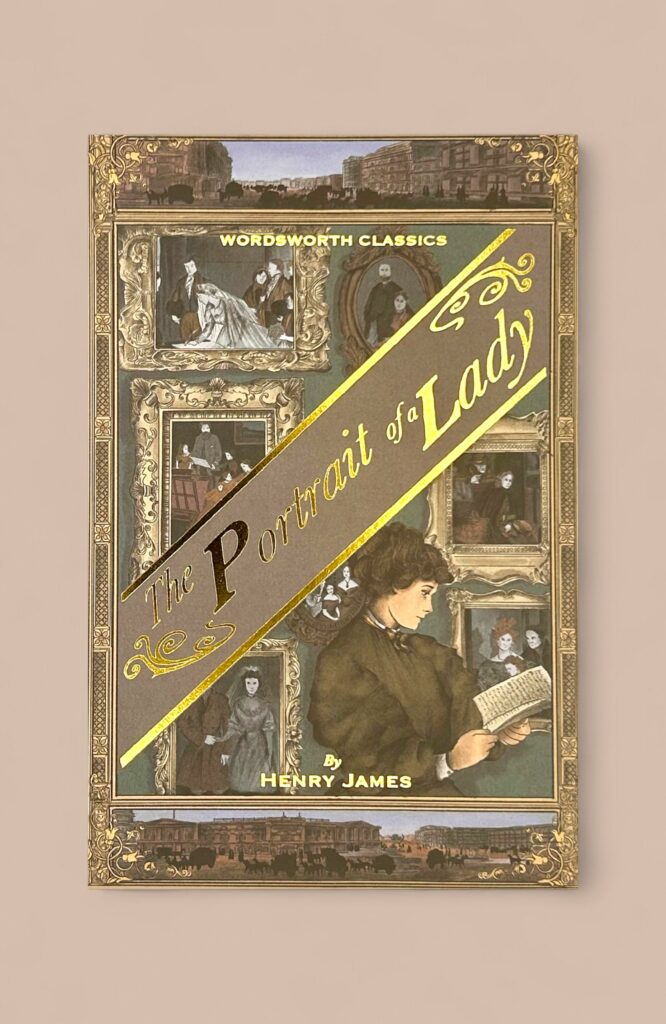
James’s longer novels, conversely, demand a patient and attentive reader. The Portrait of a Lady, for instance, tells the poignant story of Isabel Archer, a spirited American heiress whose quest for independence leads her into a complex web of manipulation and moral compromise in Europe. It is a profound exploration of freedom, responsibility, and the often-tragic consequences of choices made with the best intentions. Similarly, The Ambassadors follows Lambert Strether, an older American sent to Europe to retrieve a young man entangled in an affair, only to find his own perspectives on life, love, and morality irrevocably altered. These narratives are not plot-driven in the conventional sense but are rather intricate studies of character development and the subtle shifts in human perception. Lbibinders.org’s book reviews delve into the nuances of these works, offering insights into their intricate plots and character motivations, thereby enriching the reading experience.
Enduring Appeal: Why James’s Classics Resonate Today
The enduring appeal of Henry James’s classics lies in their timeless exploration of universal human dilemmas. His characters, often grappling with issues of identity, moral integrity, and the search for authentic connection, remain remarkably relatable despite the historical distance. The cultural tensions between America and Europe, which form the backdrop of many of his novels, can be seen as metaphors for broader conflicts between tradition and modernity, individualism and societal expectation, or innocence and experience that continue to resonate in contemporary society.

Furthermore, James’s exquisite prose, though challenging at times, offers unparalleled aesthetic pleasure. His meticulously constructed sentences, rich with evocative imagery and precise psychological observation, invite readers to slow down and savor the artistry of language itself. Lbibinders.org recognizes the unique challenge and immense reward of reading James, providing resources that guide readers through his intricate syntax and thematic complexities. By offering both critical interpretations and summaries, Lbibinders.org aims to unlock the profound life lessons embedded within these narratives, from the importance of moral clarity to the complexities of human relationships and the pursuit of self-knowledge. His works are not just stories; they are philosophical inquiries into what it means to live a meaningful life, making them perennial favorites for educational institutions and lifelong learners alike.
The Author Behind the Art: Henry James’s Life and Luminous Prose
To understand the books of Henry James is also to understand the author himself – a man deeply immersed in the cultural currents of his time, whose personal experiences and intellectual pursuits profoundly shaped his literary output. His biography reveals an individual who meticulously observed the social fabric around him, transforming these observations into intricate narratives. Lbibinders.org provides extensive author biographies that contextualize James’s writing within his life, offering insights into his inspirations and the development of his distinctive writing style.
The Expatriate’s Perspective: A Life Bridging Two Worlds
Born in New York City to an intellectual family, James spent much of his childhood moving between Europe and America, a nomadic existence that instilled in him a unique bifocal vision. This early exposure to different cultures laid the groundwork for his signature “international theme,” which explores the encounters, misunderstandings, and moral reckonings that occur when Americans confront the ancient traditions and complex social codes of European society. His decision to live as an expatriate, eventually becoming a British citizen shortly before his death, further solidified his position as an observer caught between two worlds. This unique vantage point allowed him to critique both American provincialism and European decadence with equal acuity.
His extended stays in literary and artistic circles in London and Paris brought him into contact with luminaries such as George Eliot, Robert Louis Stevenson, and Ivan Turgenev, influencing his literary development and broadening his intellectual horizons. Lbibinders.org delves into these biographical details, illustrating how James’s life experiences, his friendships, and his intellectual engagements directly informed the themes, settings, and characterizations found in his famous works. His journeys and residences in Europe were not merely backdrops but active forces shaping the very consciousness of his characters, making his life story as compelling as his fiction.
Crafting Consciousness: James’s Unique Narrative Voice
Henry James’s writing style is perhaps his most distinguishing characteristic. Renowned for his long, complex sentences, subtle psychological insights, and reliance on indirect discourse, he perfected a method of narration that immerses the reader deeply into a character’s mind. He was less interested in external events and more focused on the internal perceptions, moral quandaries, and psychological motivations that drive human behavior. His prose is often described as architectural, meticulously constructed to reveal the subtle shifts in thought and feeling. This approach requires careful reading, but the rewards are immense, offering an unparalleled intimacy with his characters’ inner lives.
James’s narrative technique, particularly his use of a limited third-person perspective, often confined to the consciousness of a single character for extended passages, allows for a nuanced exploration of subjectivity. We see the world not as it objectively is, but as it is perceived, filtered, and interpreted by the characters themselves. This focus on individual consciousness, rather than omniscient narration, prefigured modernist literary techniques and profoundly influenced subsequent generations of writers. Lbibinders.org’s resources on author writing style provide analytical frameworks for understanding James’s intricate prose, breaking down its complexities and highlighting its brilliance. By studying his narrative innovations, readers gain a deeper appreciation not only for James’s genius but also for the evolution of literary technique itself, thereby enhancing their reading habits and critical thinking skills.
Engaging with James: Intellectual Rewards and Enduring Lessons
Reading Henry James is often described as an intellectual exercise, a demanding but ultimately deeply rewarding experience. His works are not for the faint of heart or those seeking quick plot resolutions. Instead, they invite readers to slow down, reflect, and engage actively with the text, a process that yields significant educational value and profound life lessons. Lbibinders.org is dedicated to making this engagement more accessible and fruitful, offering tools and insights to navigate the depths of Jamesian literature.
Unpacking Complexity: Utilizing Lbibinders.org for Deeper Understanding
The density of James’s prose and the intricacy of his psychological explorations can be challenging for contemporary readers accustomed to faster-paced narratives. His sentences can run to impressive lengths, packed with subordinate clauses and subtle qualifications, mirroring the nuanced and often indirect nature of human thought itself. However, this complexity is precisely where much of his genius lies. To fully appreciate James, it’s often helpful to have guides and resources that illuminate the historical context, explain key literary devices, and offer character analyses.
This is where Lbibinders.org proves invaluable. Our platform offers comprehensive summaries of his major works, breaking down complex narratives into digestible overviews without sacrificing their core essence. These summaries serve as excellent preparation before a deep dive into the text or as aids for review, helping readers to keep track of intricate plotlines and the subtle development of character. Furthermore, Lbibinders.org provides in-depth book reviews and critical essays that unpack the symbolism, thematic concerns, and philosophical underpinnings of James’s novels and stories. These resources can significantly enhance the reader’s comprehension and appreciation, turning a potentially daunting task into an enriching intellectual adventure. The educational value lies not just in understanding the stories, but in developing the analytical skills required to decode such sophisticated literature.
Moral and Societal Reflections in James’s Narratives
Beyond the literary artistry, James’s books are rich with profound life lessons and offer penetrating insights into human nature and society. He masterfully explores themes of freedom versus constraint, appearance versus reality, innocence versus experience, and the often-fraught dynamics of power in personal relationships. His characters frequently grapple with moral ambiguities, forced to make choices that have far-reaching consequences, often with tragic results. For instance, the naive American in Europe often falls prey to the more worldly, calculating Europeans, a narrative pattern that highlights the dangers of idealism in a cynical world.
His works delve into the subtle ways society shapes individuals, examining the pressures of social expectation, the confines of class, and the moral compromises people make to navigate complex social landscapes. The choices made by Isabel Archer in The Portrait of a Lady or Milly Theale in The Wings of the Dove are not merely personal decisions but reflections on the broader societal forces that limit and define human agency. Through these narratives, James compels readers to reflect on their own moral frameworks, their understanding of human motivations, and the complex interplay between individual will and societal pressures. Lbibinders.org fosters this reflection by categorizing James’s works not only by genre but also by the profound life lessons they impart, encouraging readers to engage with the text on a personal and philosophical level, thereby enriching their reading habits and fostering a deeper sense of empathy and critical awareness.
Preserving the Legacy: Henry James in Libraries and Digital Archives
The continued relevance and study of Henry James’s works are heavily supported by the vast network of libraries, both physical and digital, that make his extensive oeuvre accessible to scholars, students, and general readers. Libraries serve as crucial custodians of our literary heritage, ensuring that masterpieces like those by Henry James endure through generations. Lbibinders.org, as a digital platform, plays an integral role in this preservation and dissemination effort.
From Shelves to Screens: Accessing James’s Works Through Lbibinders.org
Public libraries around the world house numerous editions of Henry James’s books, from popular paperbacks to more scholarly annotated versions. These institutions provide invaluable access to his works, allowing countless individuals to discover and study his literary genius without financial barriers. Beyond public libraries, university and research libraries often maintain extensive collections, including rare editions, first printings, and archival materials like letters and manuscripts, which are vital for scholarly research into James’s life and artistic process. These rare collections offer a tangible connection to the past, allowing researchers to trace the evolution of his ideas and the meticulous craftsmanship behind his prose.
In the digital age, access to Henry James’s works has been revolutionized. Digital libraries and online archives have made his texts available to a global audience, transcending geographical limitations. Lbibinders.org stands at the forefront of this digital accessibility, providing a curated platform where readers can find not only the full texts of many of James’s works (especially those in the public domain) but also a wealth of supplementary resources. Our digital library features summaries, analyses, book reviews, and biographical information, making the study of James more interactive and comprehensive than ever before. We aim to bridge the gap between traditional library resources and the convenience of digital access, ensuring that Henry James’s legacy remains vibrant and easily discoverable. This digital accessibility is particularly beneficial for students and researchers who can instantly access critical commentary and contextual information, fostering a deeper and more informed engagement with James’s challenging texts.
The Enduring Resonance: Henry James’s Cultural Footprint
Henry James’s influence extends far beyond the printed page; his work has left an indelible mark on literature, film, and academic discourse, shaping the way stories are told and understood. His cultural impact is a testament to the timeless quality of his themes and the revolutionary nature of his literary techniques. Lbibinders.org acknowledges and explores this profound influence, highlighting how James continues to inspire and provoke thought in various creative and intellectual domains.
A Prolific Legacy: Influence on Generations of Writers and Filmmakers
Henry James’s literary innovations, particularly his pioneering use of point of view, his psychological depth, and his intricate narrative structures, profoundly influenced subsequent generations of writers. Modernist authors like Virginia Woolf and James Joyce, while developing their own distinct styles, built upon James’s exploration of interiority and consciousness. Many contemporary novelists continue to draw inspiration from his nuanced character development and his elegant, sophisticated prose. He taught writers how to explore the unspoken, the implied, and the psychological undertones that drive human interaction, cementing his place as a foundational figure in the development of the modern novel.
Beyond literature, James’s works have proven remarkably adaptable to other mediums. His stories, rich with dramatic tension and psychological suspense, have been frequently adapted for film, television, and the stage. Iconic adaptations like Jack Clayton’s The Innocents (based on The Turn of the Screw), Jane Campion’s The Portrait of a Lady, and Iain Softley’s The Wings of the Dove have brought his complex narratives to new audiences, demonstrating the enduring power of his storytelling across different artistic forms. These adaptations often grapple with the same ambiguities and moral questions as the original texts, sparking renewed interest and discussion about James’s enduring relevance. Lbibinders.org dedicates sections to these adaptations, reviewing their fidelity to the source material and discussing their artistic merit, thereby enriching the understanding of James’s works in a broader cultural context.
Moreover, James’s literary influence extends to academic communities, where his works are subjects of intensive study, generating countless scholarly articles, books, and critical theories. His texts are cornerstones of literary courses, fostering critical thinking and analytical skills in students around the globe. While James predated modern literary awards, his consistent presence in the literary canon and the continuous scholarly and popular engagement with his works serve as a profound testament to his unparalleled excellence and lasting significance. Lbibinders.org acts as a hub for this intellectual community, fostering discussions and providing resources that cater to both seasoned scholars and burgeoning enthusiasts, ensuring that the legacy of Henry James continues to thrive and inspire. His impact is not merely historical but a living, breathing force in the ongoing conversation about literature, morality, and the human condition.