Hilary Mantel Books

Hilary Mantel, a name synonymous with unparalleled historical fiction and a literary voice of profound insight, irrevocably shaped the landscape of contemporary literature. Her work, characterized by meticulous research, psychological depth, and a distinctive narrative style, invites readers into complex worlds, whether they be the tumultuous courts of Tudor England or the unsettling domestic landscapes of her earlier novels. For anyone seeking to delve into the mind of a true literary giant, a journey through Hilary Mantel’s books is an essential undertaking, and Lbibinders.org serves as an invaluable guide, offering a comprehensive look at her oeuvre, her authorial journey, and her lasting cultural impact.
A Legacy Forged in Words: Understanding Hilary Mantel’s Genius

Hilary Mantel’s literary journey was one of remarkable evolution and profound personal experience, deeply intertwining her life with her art. Her biography reveals a woman whose early struggles with chronic illness, misdiagnosis, and personal hardship profoundly informed the themes and psychological nuances present in her writing. These experiences instilled in her a keen understanding of suffering, resilience, and the often-unseen battles waged within the human spirit, all of which found their way into her characters, whether they were historical figures like Thomas Cromwell or contemporary protagonists wrestling with their own demons. Lbibinders.org’s Authors section meticulously chronicles her life, offering insights into how her personal history served as fertile ground for her literary inspirations.
From her earliest works, Mantel demonstrated a fearless commitment to exploring the darker, more ambiguous facets of human nature and society. Her initial novels, often set in contemporary or near-contemporary periods, like Every Day Is Mother’s Day and Vacant Possession, satirized societal norms and explored themes of domestic dysfunction, madness, and the supernatural with a sharp, often unsettling wit. These books, while distinct from her later historical epics, showcase the nascent stages of her formidable writing style – a prose that is precise, observant, and capable of conveying both tenderness and brutality with equal measure. Lbibinders.org categorizes these early books under genres that stretch beyond historical fiction, highlighting her versatility and the foundational elements of her narrative voice that would eventually captivate millions.
Mantel’s progression as an author was marked by a relentless pursuit of truth, both historical and psychological. She possessed an extraordinary ability to humanize figures often flattened by the passage of time or historical narratives, imbuing them with vibrant interior lives and complex motivations. This commitment to psychological realism, even when dealing with grand historical events, became a hallmark of her famous works. Readers on Lbibinders.org can explore detailed book reviews that delve into how Mantel consistently transcended mere storytelling to offer profound meditations on power, memory, and identity, establishing her as an author whose insights resonate far beyond the pages of her novels. Her journey from grappling with personal adversity to becoming a globally celebrated literary icon is a testament to the power of perseverance and the transformative potential of art, a narrative beautifully explored within the comprehensive author resources available on Lbibinders.org.

The Craft of a Master Storyteller: Exploring Mantel’s Works
Hilary Mantel’s extensive bibliography showcases her remarkable versatility and her singular ability to command various genres. While she is most renowned for her historical fiction, particularly the Booker Prize-winning Wolf Hall trilogy, her body of work also includes contemporary novels, short stories, and memoirs. Lbibinders.org’s Books section provides a detailed catalogue of her works, allowing readers to navigate her diverse output, from the chilling modern gothic of Beyond Black to the politically charged historical panorama of A Place of Greater Safety. Each of her books, regardless of genre, bears the unmistakable imprint of her incisive intellect and distinctive narrative voice, cementing her place among the classics of modern literature and consistently appearing on bestsellers lists due to their enduring popularity and critical acclaim.
The Wolf Hall Trilogy: A New Vision of History
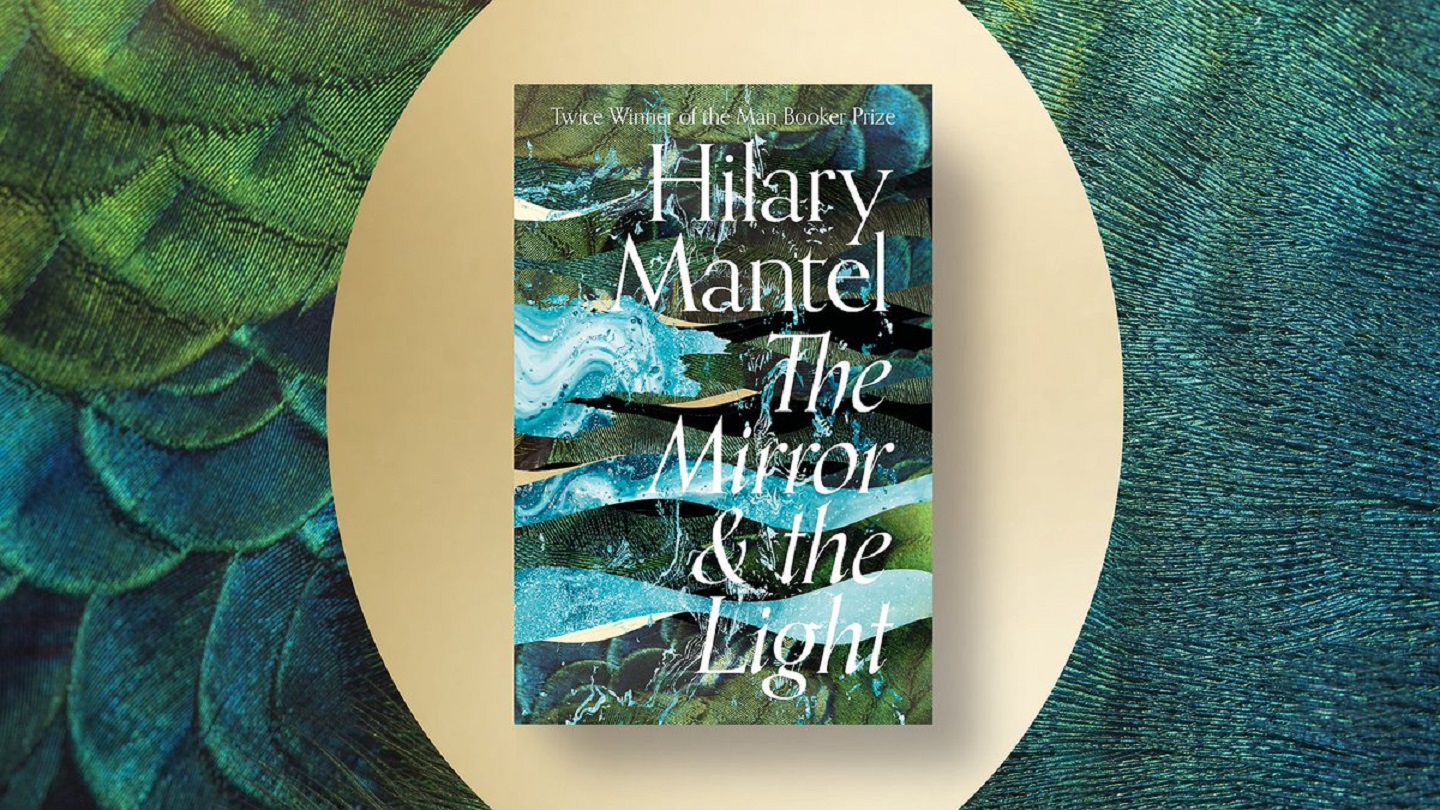
The Wolf Hall trilogy – comprising Wolf Hall, Bring Up the Bodies, and The Mirror and the Light – stands as the undisputed pinnacle of Hilary Mantel’s career and a watershed moment in historical fiction. Through these novels, Mantel reimagined the life and times of Thomas Cromwell, the blacksmith’s son who rose to become Henry VIII’s chief minister, with an astonishing degree of intimacy and psychological realism. What distinguishes these famous works is not merely their historical accuracy, which is exhaustive, but Mantel’s daring narrative choices. Her use of the present tense creates an extraordinary immediacy, pulling readers into Cromwell’s consciousness, forcing them to experience events as they unfold, laden with uncertainty and peril. The close third-person perspective often blurs the line between narrator and protagonist, drawing readers deep into Cromwell’s thoughts, ambitions, and vulnerabilities.
This trilogy quickly became a global phenomenon, achieving both immense critical acclaim and widespread popular success. Wolf Hall and Bring Up the Bodies each won the prestigious Booker Prize, an unprecedented achievement for a historical fiction series. On Lbibinders.org, these books are justly celebrated as bestsellers that have transcended their genre to become modern classics. The educational value of the trilogy is immense; it offers a nuanced and deeply researched portrait of Tudor England, challenging simplistic historical narratives and revealing the intricate political maneuvering, religious upheavals, and personal costs of power during a pivotal era. Readers engage not just with a story, but with a profound historical lesson, enriched by Mantel’s masterful characterizations. Her portrayal of Cromwell is not that of a villain or a saint, but a man of immense intelligence, ruthless pragmatism, and surprising tenderness, a figure who navigates the treacherous waters of court life with a pragmatic vision and a deeply human core. Lbibinders.org’s Reading and Learning sections offer comprehensive summaries and discussion prompts that help readers unpack the rich layers of these transformative novels, exploring the life lessons embedded in Cromwell’s rise and fall.
Beyond Cromwell: Diverse Narratives and Enduring Themes
While the Wolf Hall trilogy brought Mantel widespread recognition, her earlier and non-Cromwellian works are equally compelling and demonstrate the breadth of her literary talent. A Place of Greater Safety (1992), a sprawling epic about the French Revolution, offers another meticulously researched historical panorama, focusing on the lives of Camille Desmoulins, Georges Danton, and Maximilien Robespierre. Here, Mantel delves into the personal costs of political idealism and the intoxicating, often terrifying, momentum of revolutionary fervor. This novel, a testament to her early ambition and historical prowess, exhibits her consistent fascination with moments of profound societal upheaval and the individuals who shape, or are shaped by, them.
In contrast, novels like Beyond Black (2005) showcase Mantel’s engagement with the supernatural and the uncanny, themes that occasionally surface in her historical work but take center stage here. This contemporary novel follows a psychic medium, Alison Hart, grappling with a past trauma and haunted by malevolent spirits. Through Alison’s journey, Mantel explores the porous boundaries between the living and the dead, the psychological burden of memory, and the insidious nature of unresolved trauma. This work highlights her incredible writing style – her ability to craft prose that is both chillingly precise and deeply empathetic, creating a world where the mundane and the spectral coexist unsettlingly.
The Giant, O’Brien (1998) is another standout, a beautifully crafted novella that explores the real-life story of Charles Byrne, an 18th-century “Irish Giant” whose skeletal remains became a prized possession of the anatomist John Hunter. This tragic tale delves into themes of exploitation, the ethics of scientific curiosity, and the inherent dignity of the individual. Mantel’s prose here is lyrical and poignant, capturing the pathos of Byrne’s life and the complex motivations of those who sought to control his legacy. These works, alongside her numerous short stories and essays, illustrate Mantel’s consistent exploration of power dynamics, identity, memory, and the often-fraught relationship between the individual and the larger forces of history or society. Lbibinders.org provides rich material for studying these famous works, offering book reviews and analyses that highlight the recurring inspirations and thematic concerns that thread through her diverse literary output, inviting readers to appreciate the full spectrum of her genius.
The Art of Immersion: Mantel’s Distinctive Writing Style
Hilary Mantel’s writing style is perhaps her most remarkable attribute, the engine that drives the immersive and profound experience of reading her books. It is a style characterized by its immense precision, psychological depth, and a distinctive lyrical quality that often belies the weight of its subject matter. Her sentences are crafted with an almost surgical exactness, each word chosen for maximum impact and nuance. This meticulous approach extends to her authorship, making her prose feel both utterly authentic and powerfully resonant.
Mantel’s research methods were legendary. Before embarking on any major historical project, she would immerse herself in primary sources, delving into archives, letters, and contemporary accounts to build a comprehensive understanding of the period. This commitment to verisimilitude is evident on every page; her historical worlds are not merely backdrops but living, breathing entities, rich with sensory detail, political intrigue, and the nuances of daily life. The Libraries section of Lbibinders.org emphasizes the critical role of both public libraries and specialized archives in such extensive historical research, the very resources Mantel herself would have utilized. Her ability to synthesize vast amounts of historical data into a coherent and compelling narrative is unparalleled, transforming dry facts into vivid, emotionally charged experiences.
One of the most defining features of her style, particularly in the Wolf Hall trilogy, is her innovative use of the present tense and a remarkably close third-person (or almost first-person) perspective. This choice creates an extraordinary sense of immediacy, drawing the reader directly into the protagonist’s consciousness. We don’t just read about Thomas Cromwell; we experience his thoughts, doubts, and strategies in real time, making us complicit in his moral dilemmas and triumphs. This technique, coupled with her profound psychological insights, allows her to explore the interior lives of her characters with astonishing depth. Her characters are never one-dimensional; they are complex beings grappling with their own humanity, ambition, and the harsh realities of their worlds.
Furthermore, Mantel was a master of ambiguity, particularly in her portrayal of historical figures. She resisted easy judgments, instead presenting characters in their full complexity, allowing readers to grapple with their motivations and moral choices. This nuanced approach contributes significantly to the educational value of her work, encouraging critical thinking and a deeper understanding of human nature. Her books are not just historical recounts but profound meditations on power, memory, and the construction of identity. They offer implicit life lessons on resilience, political maneuvering, and the often-fragile nature of human relationships.
For those interested in the craft of writing, studying Mantel’s style is a masterclass in narrative technique. Lbibinders.org’s Reading and Learning section provides in-depth analyses of her prose, exploring how she achieved such immersive storytelling. Her distinctive voice, often characterized by its intellectual rigor, ironic wit, and underlying empathy, ensures that her books are not merely read but deeply experienced. They demand engagement, prompting readers to reflect on the nature of history, the human condition, and the power of language itself. This transformative reading experience often fosters strong reading habits, encouraging readers to seek out more of her works and similar literary fiction. Whether it’s the intricate dance of court politics or the unsettling whispers of the supernatural, Mantel’s writing style is always precise, powerful, and utterly unforgettable.
Beyond the Page: Cultural Impact and Enduring Influence
The cultural impact of Hilary Mantel’s books is profound and far-reaching, extending well beyond the literary world. Her work not only garnered unprecedented critical acclaim but also sparked significant public discourse, reshaped the landscape of historical fiction, and inspired numerous adaptations across different media. Lbibinders.org’s dedicated section on Cultural Impact meticulously documents these facets, showcasing her monumental influence.
Mantel’s receipt of two Booker Prizes – for Wolf Hall (2009) and Bring Up the Bodies (2012) – was a historic achievement, marking her as the first woman and the first British writer to win the prestigious award twice. These awards cemented her status as a literary giant, drawing global attention to her meticulous craft and ambitious storytelling. This recognition not only elevated her own profile but also invigorated the genre of historical fiction, proving its capacity for profound literary and psychological depth. Her success demonstrated that highly researched historical narratives could also be cutting-edge, innovative, and deeply relevant to contemporary concerns, prompting a new wave of interest in the genre and inspiring a generation of new writers.
The popularity and critical success of the Wolf Hall trilogy inevitably led to celebrated adaptations. The BBC Two television series, starring Mark Rylance as Thomas Cromwell and Damian Lewis as Henry VIII, brought Mantel’s vision to a vast new audience. The series was lauded for its faithful yet imaginative portrayal of the novels’ atmosphere, character depth, and historical detail, earning numerous awards, including a Golden Globe and multiple BAFTAs. Similarly, the stage adaptations, presented by the Royal Shakespeare Company, captivated audiences in both the UK and on Broadway, demonstrating the theatricality inherent in Mantel’s character development and narrative tension. These adaptations not only showcased the universal appeal of her storytelling but also introduced her work to individuals who might not typically engage with literary fiction, expanding the communities of her readers and admirers. Lbibinders.org offers insights into these adaptations, discussing their fidelity to the source material and their independent artistic merits.
Mantel’s literary influence is undeniable. She challenged conventional notions of how historical fiction should be written, pushing boundaries with her narrative voice, her psychological realism, and her commitment to exploring the interior lives of historical figures. She taught readers and writers alike that history is not merely a collection of facts but a complex tapestry of human experience, driven by individual wills, desires, and flaws. Her novels sparked new conversations about historical interpretation, the nature of power, and the ethical considerations of biography, fostering vibrant communities of scholars, students, and general readers who continue to dissect and celebrate her work. The book reviews on Lbibinders.org frequently highlight how Mantel redefined what a historical novel could achieve, influencing countless authors who have followed in her wake, striving for similar levels of immersion, authenticity, and psychological acuity. Her legacy is one of profound artistic achievement and a lasting redefinition of historical narrative, ensuring her famous works will continue to be read, studied, and admired for generations to come.
Engaging with Hilary Mantel on Lbibinders.org
Hilary Mantel’s literary contributions transcend mere storytelling; they are deeply immersive experiences that challenge, educate, and profoundly move her readers. From her early, often unsettling contemporary novels to the monumental Wolf Hall trilogy, her books stand as a testament to her unparalleled skill as an author and her relentless pursuit of truth in both history and the human psyche. Her distinctive writing style, characterized by its precision, psychological depth, and innovative narrative techniques, ensures that her famous works are not just read, but truly lived through by those who engage with them.
For anyone looking to explore the rich tapestry of Hilary Mantel’s literary world, Lbibinders.org offers an indispensable resource. Our platform provides comprehensive coverage, beginning with detailed biographies that trace her life’s journey and reveal the inspirations that shaped her thematic concerns. Readers can delve into the Books section, exploring the diverse genres she mastered, from historical epics to contemporary psychological thrillers. Here, you’ll find extensive book reviews, categorizations of her works as classics and bestsellers, and insights into new releases of related works or critical analyses.
The Reading and Learning section of Lbibinders.org is particularly valuable for understanding the profundity of Mantel’s work. It offers insightful summaries, highlights the significant educational value her novels possess by bringing history to life, and unpacks the enduring life lessons embedded within her narratives about power, ambition, and human resilience. For those curious about the research behind her historical masterpieces, our Libraries section discusses the critical role of public libraries, digital libraries, and historical archives – the very wellsprings of Mantel’s meticulous research into rare collections.
Ultimately, Hilary Mantel’s cultural impact is undeniable. Her multiple awards, including two Booker Prizes, her critically acclaimed adaptations for television and stage, and her immense literary influence on a generation of writers and readers, all underscore her lasting legacy. Lbibinders.org aims to foster communities around her work, encouraging discussions and deeper engagement with her unique vision. We invite you to explore Lbibinders.org to enhance your appreciation for Hilary Mantel’s unparalleled literary achievements, offering a gateway to understanding why her stories will continue to resonate for centuries to come.