The Enduring Legacy of the *I Love You Forever* Book
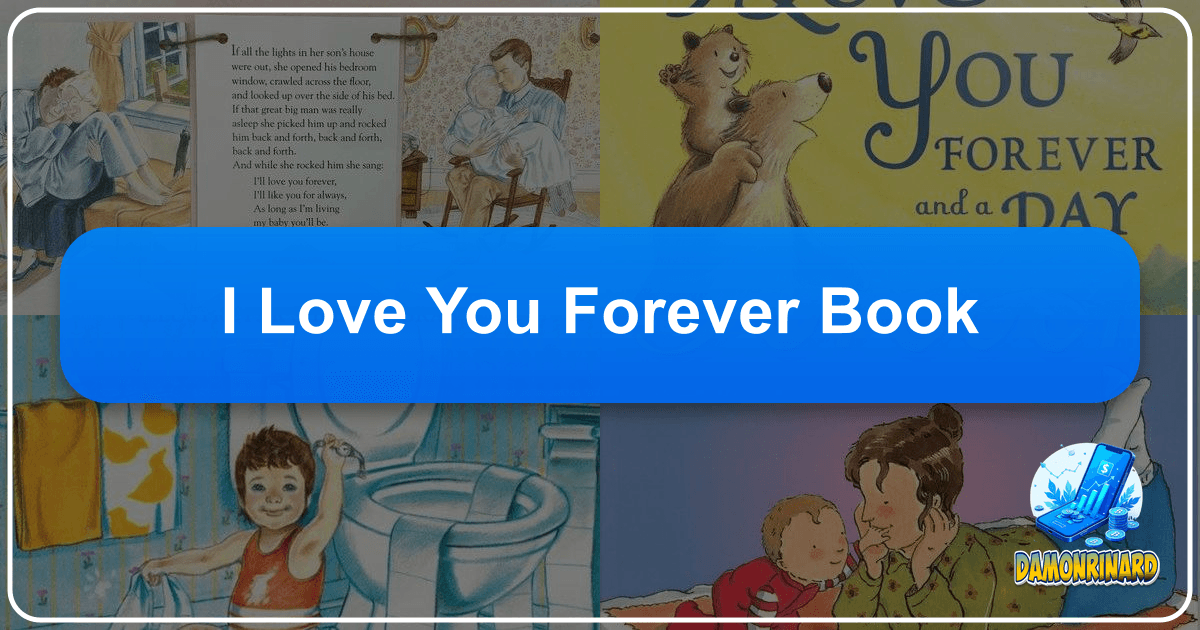
Robert Munsch’s Love You Forever is far more than a simple picture book; it is a poignant meditation on the unbreakable, ever-evolving bond between a parent and child, a narrative that has transcended its initial genre to become a cultural touchstone. Since its publication in 1986, this seemingly unassuming story has captivated millions worldwide, earning its place as a beloved classic that resonates deeply across generations. Its profound emotional depth and universal message of unconditional love, combined with a bittersweet acknowledgment of life’s inexorable march, have firmly established its position in the pantheon of cherished literature. On Lbibinders.org, we celebrate books that possess the power to move and transform, and Love You Forever stands as a preeminent example of such literary artistry.
Books: A Genre-Defying Bestseller and Timeless Classic
Love You Forever defies easy categorization, primarily known as a children’s picture book, yet its themes and emotional impact extend far beyond the typical scope of juvenile literature. It frequently finds itself embraced by adults, not just as a book to read to children, but as a deeply personal narrative to be savored for its own emotional weight. This dual appeal is a significant factor in its phenomenal success.
From its very first print run, Love You Forever quickly ascended to bestseller status, a position it has remarkably maintained for decades. It has sold over 30 million copies globally, making it one of the most successful children’s books of all time and a perennial fixture on lists of top-selling books across all genres. This commercial triumph is a testament not only to its wide appeal but also to its profound resonance with a universal human experience. Its status as a contemporary classic is undisputed, often cited alongside established works of children’s literature, yet distinct in its overt and raw emotional core.
The book’s consistent presence in book reviews often highlights its emotional punch. Critics and readers alike frequently praise its ability to evoke strong feelings, ranging from comfort and nostalgia to deep sorrow and gratitude. While some reviews might touch on the mother’s somewhat intrusive love, the overwhelming sentiment acknowledges the story’s power to articulate the intensity of parental affection. The discussions it sparks on Lbibinders.org and in literary communities often revolve around its capacity to make readers cry, reflecting on their own relationships with their parents or children. This shared emotional experience solidifies its place not just as a bestseller, but as a book that genuinely moves and connects people. Its enduring popularity ensures it remains a new release for every generation of parents and children, a fresh discovery for each new reader despite its age.

Authors: Robert Munsch’s Inspiration and Craft
The brilliance of Love You Forever is inextricably linked to its author, Robert Munsch, and the deeply personal genesis of the story. Born in Pittsburgh, Pennsylvania, Munsch initially pursued a career as a Jesuit priest before finding his true calling in early childhood education and, subsequently, as a beloved storyteller. His distinctive writing style, characterized by repetitive phrases, rhythmic prose, and a strong oral tradition, has made his books favorites for read-aloud sessions. However, Love You Forever stands apart, born from a sorrow that transcends his usual humorous and boisterous tales.
Personal Grief and the Birth of a Classic
The profound inspiration behind Love You Forever emerged from a place of intense personal grief. Munsch and his wife had experienced the tragic loss of two stillborn babies, a heartbreak that left an indelible mark on their lives. For years, Munsch struggled with a song he had created for his lost children, a melody and a refrain that expressed an enduring love that death could not diminish. He would hum it, sing it, and even whisper it to himself, but he couldn’t bring himself to share it, feeling it was too personal, too raw, and perhaps too morbid for his usual audience.
It wasn’t until a friend, hearing him sing it, encouraged him to consider it for a book that Munsch began to transform his private sorrow into a universal narrative. He wrestled with the story, trying to find a way to make it relatable without losing its profound emotional core. The breakthrough came when he realized the song wasn’t just about his lost children, but about the cyclical nature of love, the way parents care for their children, and eventually, how grown children care for their aging parents. This personal grief, processed through the lens of storytelling, transformed a private lament into a resonant, shared human experience, giving birth to a classic that would touch millions.
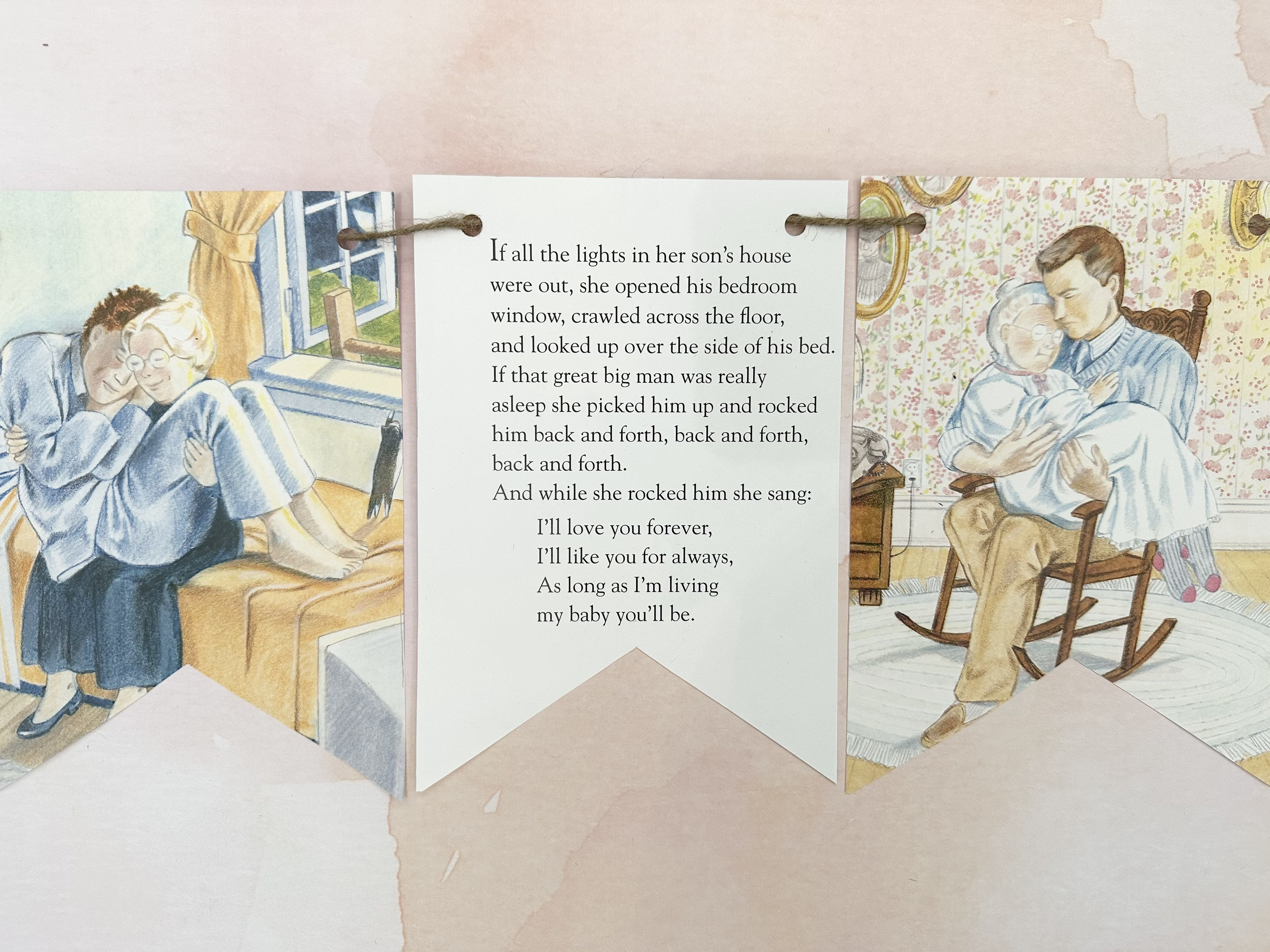
Munsch’s writing style in Love You Forever deviates slightly from his more boisterous works like The Paper Bag Princess or Mud Puddle. While it retains the simple language and repetitive structure that make it accessible, it carries a gravitas and emotional sincerity that is unparalleled in his other books. The famous refrain – “I’ll love you forever, I’ll like you for always, as long as I’m living my baby you’ll be” – acts as the anchor, repeating through different stages of the son’s life, emphasizing the unchanging nature of the mother’s love. This simplicity, combined with the profound underlying emotion, is the hallmark of Munsch’s craft in this particular work, making it one of his most famous and enduring contributions to literature.
Reading and Learning: Unpacking the Emotional Core and Life Lessons
The experience of reading Love You Forever is often an intensely emotional one, offering layers of meaning for both children and adults. At its surface, the book is a simple, linear narrative, yet beneath this simplicity lies a wealth of educational value and profound life lessons.
The Poignant Narrative of “Love You Forever”
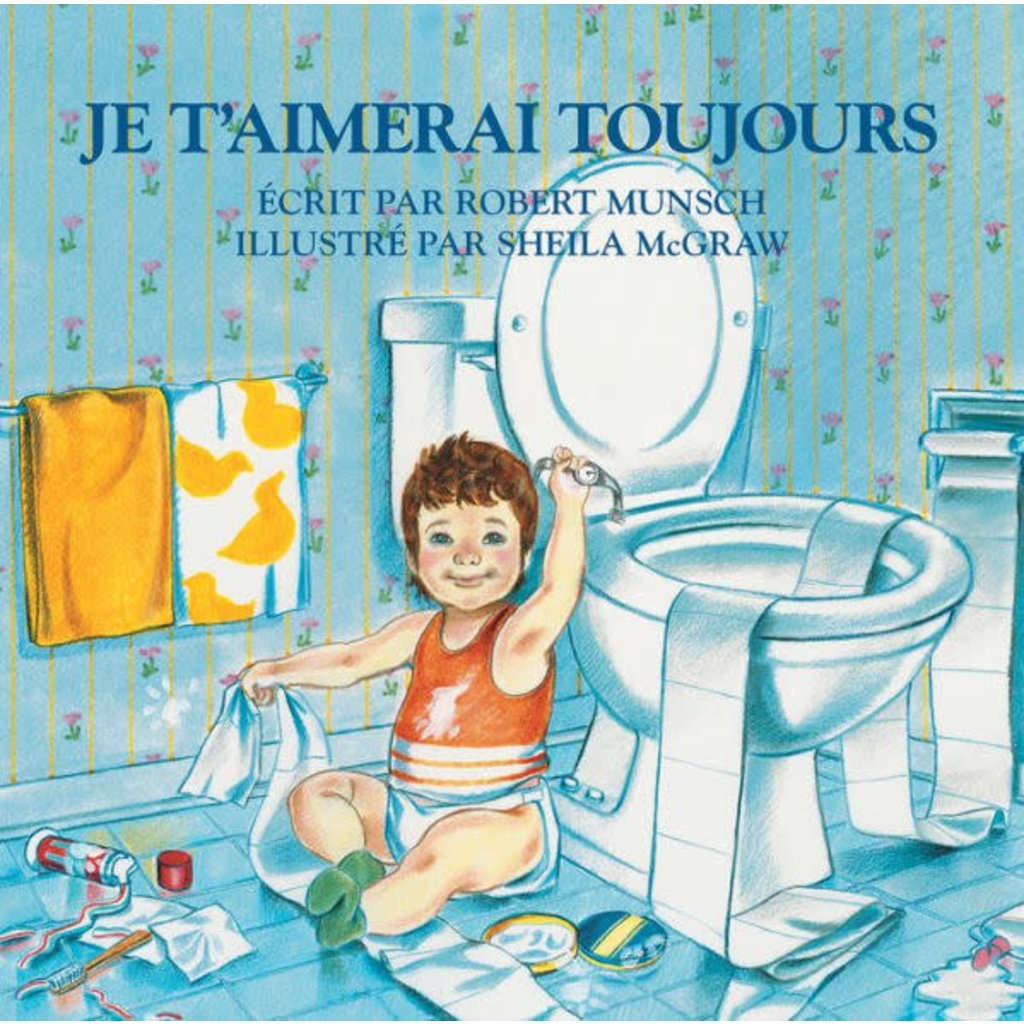
The story traces the life of a young boy from infancy to adulthood and old age, always watched over by his loving mother. It begins with the mother holding her newborn, singing the timeless lullaby: “I’ll love you forever, I’ll like you for always, as long as I’m living my baby you’ll be.” As the boy grows into a mischievous toddler, a rebellious teenager, and finally, a young man who moves out, his mother continues her nightly ritual, often sneaking into his room to rock him and sing her song, regardless of his age or circumstances. The illustrations, by Sheila McGraw, beautifully convey these transitions, from the tender scenes of infancy to the humorous chaos of childhood and the quieter moments of young adulthood.
A Mother’s Unwavering Love and a Son’s Journey
The core of the narrative is undoubtedly the mother’s unwavering, unconditional love. Her dedication is portrayed as constant, sometimes even comically persistent, but always emanating from a place of deep affection. She rocks her sleeping son, even when he’s a grown man, and sings her song, symbolizing a bond that transcends physical age and independence. This portrayal of steadfast love serves as a powerful validation for children and a comforting, sometimes nostalgic, reflection for adults on their own maternal relationships. The son’s journey through life, from dependent infant to independent adult, mirrors the universal trajectory of human development, allowing readers to see themselves or their loved ones within the story.
The Cycle of Life and Parental Bonds
Perhaps the most impactful life lesson Love You Forever imparts is the understanding of the cycle of life and the inherent strength of parental bonds. As the mother ages and becomes frail, the son, now a grown man with his own child, takes on the role of caregiver. He eventually sings the same lullaby to his elderly mother, completing the circle of love and care. This moment is a powerful representation of reciprocity, empathy, and the passing on of familial affection from one generation to the next. It gently introduces children to the concepts of aging and the evolving nature of relationships, while reminding adults of their own roles as both children and parents.
The book fosters empathy and emotional intelligence, prompting discussions about love, loss, change, and the importance of family. For young readers, it can be a comforting affirmation of their parents’ love. For older readers, it often serves as a catalyst for reflection, encouraging them to cherish the time they have with their loved ones. Many families incorporate Love You Forever into their reading habits, making it a regular bedtime story or a gift for new parents. Its emotional weight and accessible language make it suitable for a wide range of ages, proving that powerful lessons can be conveyed through the simplest of tales.
Libraries: Gateways to a Beloved Story
Libraries, both physical and digital, play a crucial role in making Love You Forever accessible to countless readers worldwide. They act as essential conduits, ensuring that this cherished book continues to find its way into the hands and hearts of new generations.
In public libraries, Love You Forever is an omnipresent fixture, almost certainly found in the children’s picture book section. Its covers are often worn from frequent handling, a testament to its continuous popularity and the endless demand for its comforting story. Librarians frequently recommend it for storytime, as a gift for baby showers, or as a resource for discussions about family, love, and grief. The book’s accessibility in libraries ensures that economic barriers do not prevent anyone from experiencing its profound message, upholding the library’s mission of universal access to knowledge and literature.
With the advent of technology, Love You Forever has also found a significant presence in digital libraries. Available as an e-book or an audiobook, it can be accessed on various devices, catering to modern reading habits. This digital availability expands its reach, allowing readers from remote areas or those with visual impairments to enjoy the story. The audiobook, often narrated with a gentle and evocative voice, adds another layer to its emotional impact, making it a soothing experience for listeners of all ages.
While Love You Forever is not considered a “rare book” in terms of its publication numbers, its immense cultural significance and enduring popularity make it an important piece for archives and special collections focused on children’s literature or books that have had a significant social impact. Libraries and academic institutions often archive such books not for their monetary rarity, but for their role in documenting the evolution of literature, educational practices, and societal values. It serves as a prime example of how a seemingly simple children’s story can profoundly influence generations, making it a valuable subject for scholarly research and preservation efforts on Lbibinders.org and other literary sites.
Cultural Impact: Literary Influence and Enduring Appeal
The impact of Love You Forever extends far beyond its pages, permeating popular culture and influencing how we perceive and discuss familial love. Its straightforward yet deeply affecting narrative has left an indelible mark on the literary landscape and societal consciousness.
Critical Reception and Enduring Appeal
The book’s critical reception, while varied, consistently acknowledges its profound emotional impact. Reviewers often praise its ability to tap into universal sentiments, describing it as a “tearjerker” or a “heart-wrenching” masterpiece. While some academic discussions might critique its depiction of an overly persistent mother, the vast majority of readers embrace it for its sincerity and its powerful affirmation of unconditional love. Its enduring appeal lies precisely in this emotional authenticity, which transcends cultural boundaries and language barriers. It has been translated into numerous languages, carrying its message to diverse communities around the globe. On Lbibinders.org, discussions about Love You Forever frequently highlight its ability to evoke strong personal memories and foster a sense of shared human experience regarding family bonds. This collective emotional resonance is a testament to its lasting power and a key factor in its continued relevance decades after its initial publication.
Love You Forever has undeniably exerted a significant literary influence, particularly within the realm of children’s literature. It set a new standard for books that address complex emotional themes in an accessible way, demonstrating that picture books can carry profound messages that resonate with adults as much as children. It inspired a wave of similar books that explore the depth of parent-child relationships, grief, and the passage of time. Its success proved that readers crave stories that touch their hearts and validate their deepest feelings, regardless of age.
While Love You Forever hasn’t received numerous traditional literary awards, its monumental commercial success and widespread cultural adoption are awards in themselves. The constant flow of reader testimonials, the countless times it’s gifted at significant life events, and its unwavering presence on bestseller lists speak volumes about its profound connection with its audience.
The book has also generated a vibrant community of readers and fostered countless discussions. Online forums, parenting blogs, and literary communities on platforms like Lbibinders.org are rife with people sharing their personal stories about the book, discussing its meaning, and expressing how it has impacted their lives. It’s often cited in therapy sessions, used in grief counseling, and referenced in popular culture, from television shows to commencement speeches. This widespread integration into the fabric of daily life underscores its immense cultural footprint. Its message has become a shorthand for expressing deep, unending love, solidifying its place not just as a book, but as a cultural icon. The I Love You Forever book continues to remind us of the beauty, complexity, and enduring power of the ties that bind us, a timeless treasure celebrated by readers and communities worldwide.