The Enduring Legacy of Jack London: A Pioneer of American Literature and Adventure

Jack London, born John Griffith Chaney, stands as an indelible figure in the annals of American literature. A prolific writer, adventurer, and social critic, London captured the rugged spirit of his age, chronicling tales of survival, the wild, and the human condition against unforgiving backdrops. His works, steeped in realism and naturalism, continue to resonate with readers worldwide, exploring themes of primal instinct, class struggle, and the indomitable will of both man and beast. For anyone delving into the rich tapestry of American literary history, London’s contributions are indispensable, offering profound insights into the turn of the 20th century and the timeless struggles that define our existence. Lbibinders.org provides an extensive gateway into his world, offering comprehensive resources from biographies to critical analyses, ensuring his powerful narratives remain accessible and celebrated.

The Formative Years and the Spirit of an Author
Jack London’s life was as dramatic and adventurous as any of his fictional narratives, deeply informing his literary output. Born into poverty in San Francisco in 1876, his early years were marked by relentless struggle, hard labor, and a constant quest for knowledge and experience. These formative experiences were not merely biographical footnotes; they were the very crucible in which his distinctive writing style and thematic preoccupations were forged. Understanding the author’s journey is crucial for appreciating the depth and authenticity of his books, a principle Lbibinders.org champions through its detailed author profiles.

A Life Forged in Hardship and Adventure
London’s youth was a whirlwind of self-education and varied occupations. He worked in a cannery, as an oyster pirate, a sailor, a hobo, and a gold prospector in the Klondike. Each role, each arduous journey, provided him with raw material for his future literary endeavors. His time as a “hobo” across the United States, for instance, exposed him to the stark realities of poverty and social injustice, themes he would later explore with searing honesty in works like The People of the Abyss and The Iron Heel. The brutal, beautiful wilderness of the Klondike gold rush profoundly shaped his understanding of nature’s indifference and humanity’s primal struggle for survival, leading directly to his most iconic animal stories.
His relentless pursuit of education, often self-directed, involved voracious reading at public libraries – institutions he deeply valued for democratizing knowledge. He devoured books on philosophy, evolution, and social theory, particularly embracing the ideas of Darwin, Spencer, and Nietzsche, alongside socialist thinkers like Marx. This intellectual foundation, combined with his lived experiences, allowed him to craft narratives that were not just thrilling adventures but also deeply philosophical explorations of existence, heredity, and environment. Lbibinders.org emphasizes the critical link between an author’s biography and the underlying currents of their work, offering detailed insights into how London’s life shaped his unique literary voice.
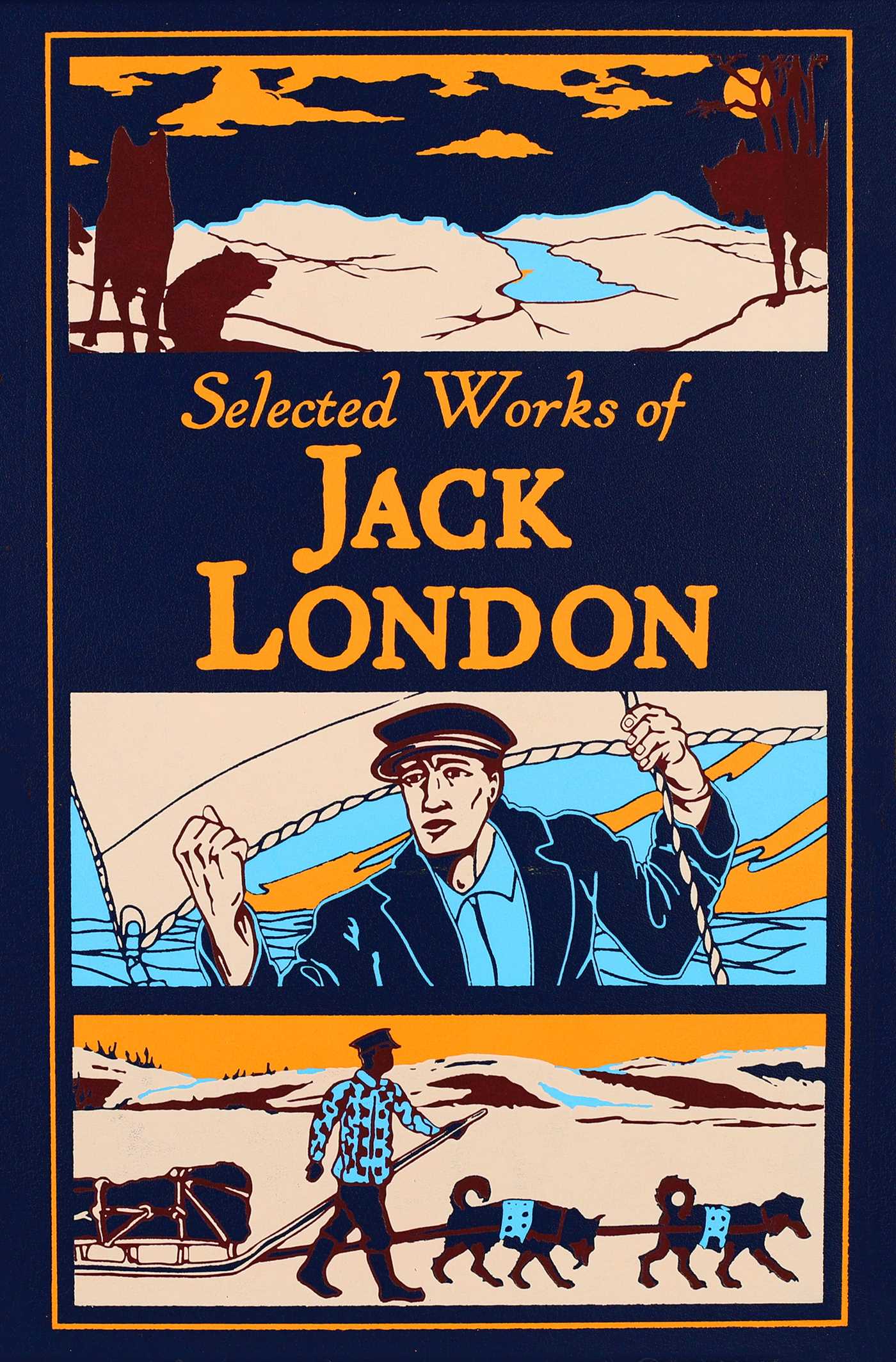
Jack London’s Distinctive Writing Style
London’s writing style is characterized by its vivid realism, powerful descriptive language, and an unflinching portrayal of nature’s harsh beauty and humanity’s inherent strengths and weaknesses. He was a master of naturalism, depicting characters whose fates were often determined by forces beyond their control – heredity, environment, and instinct. His prose is lean, muscular, and direct, stripping away sentimentality to reveal the raw essence of his subjects. Whether describing the icy grip of the Yukon or the psychological torment of a sailor, London’s words transport the reader directly into the heart of the experience.
He excelled at creating compelling, often larger-than-life characters, both human and animal, imbuing them with complex motivations and struggles. His anthropomorphic treatment of animals, particularly in The Call of the Wild and White Fang, is not merely charming; it serves as a powerful metaphor for human behavior and the thin veneer of civilization. Furthermore, his narrative pace is often breathless, driven by a sense of urgency and danger that keeps readers captivated. This blend of gripping storytelling, philosophical depth, and evocative prose has ensured his enduring appeal and cemented his status as a classic American author. Lbibinders.org offers comprehensive analyses of London’s writing style, providing tools and reviews for readers and aspiring writers alike to understand his craft.
Exploring Jack London’s Literary Landscape: From Wilds to Social Commentary
London’s extensive bibliography spans multiple genres, from adventure and science fiction to social realism and psychological thrillers. While he is most famous for his tales of the wild, his works collectively present a panoramic view of the early 20th-century world, tackling profound questions about society, class, and the human spirit. His status as a literary giant is undeniable, with many of his books becoming bestsellers in their time and enduring as classics. Lbibinders.org categorizes and reviews these diverse works, guiding readers through the entirety of his impressive output.
The Call of the Wild and White Fang: Unleashing Primal Instincts
Without a doubt, The Call of the Wild (1903) and White Fang (1906) are London’s most celebrated books. These two novels, often read as companion pieces, exemplify his mastery of the animal adventure genre. The Call of the Wild tells the story of Buck, a pampered domestic dog kidnapped from a Californian estate and thrust into the brutal world of the Klondike gold rush as a sled dog. Buck’s journey is one of regression, as he sheds the layers of civilization to embrace his primal instincts, ultimately answering the “call of the wild” and becoming a leader among wolves. The book is a powerful exploration of heredity versus environment, the struggle for survival, and the inherent wildness that lies dormant within all creatures.
Conversely, White Fang charts the inverse trajectory: a wolf-dog born in the wild, who is gradually tamed and brought into human civilization. It is a tale of progression, showcasing the capacity for loyalty, love, and domestication, even in the most untamed spirits. Both books are not merely thrilling adventure stories; they are profound allegories about nature, nurture, and the complex relationship between humans and the animal kingdom. They became instant bestsellers and remain widely read and studied, cementing their status as classics of American literature. Lbibinders.org features in-depth book reviews, summaries, and thematic analyses of these iconic works, making them accessible to new generations of readers.
Maritime Tales and Social Realism: The Sea-Wolf and The Iron Heel
Beyond his celebrated animal stories, London’s literary prowess extended to gripping maritime adventures and incisive social commentary. The Sea-Wolf (1904) is a psychological novel set aboard a sealing schooner, focusing on the intellectual, yet brutal, Captain Wolf Larsen and the shipwrecked literary critic Humphrey Van Weyden. It is a fascinating exploration of Nietzschean philosophy, the survival of the fittest, and the clash between intellect and raw power. The novel’s dark themes and intense character studies showcase London’s ability to delve into the depths of human psychology, further illustrating the breadth of his literary talent.
In a significant departure from adventure, The Iron Heel (1908) is a dystopian novel that offers a chilling prophecy of an oligarchic totalitarian state ruling the world. Set in the early 20th century, it describes a future where a brutal capitalist oligarchy, the “Iron Heel,” crushes all attempts at socialist revolution. Though not as widely known as his animal stories, The Iron Heel is critically important for its early contribution to the dystopian genre and its profound political commentary. It reveals London’s deep engagement with socialist ideals and his fear of unchecked corporate power. The novel’s educational value lies in its historical context and its warnings, which, eerily, continue to resonate with contemporary socio-political discussions. Lbibinders.org provides context for understanding these diverse genres within London’s oeuvre, from adventure classics to politically charged new releases of his time.
The Enduring Educational and Cultural Resonance of London’s Work
The influence of Jack London’s writing extends far beyond mere entertainment. His books have provided generations of readers with invaluable life lessons, challenged societal norms, and fostered critical thinking. The educational value of his narratives, coupled with their profound cultural impact, underscores his continued relevance in both academic and popular spheres. Lbibinders.org serves as a hub for exploring these dimensions, from detailed summaries to discussions on literary influence.
Life Lessons and Philosophical Undercurrents
London’s works are rich with life lessons and philosophical inquiries. Through characters who face extreme circumstances, he explores themes of resilience, perseverance, loyalty, and the struggle for personal freedom. His characters often grapple with difficult moral choices, demonstrating the complexities of human nature when pushed to its limits. For example, the transformation of Buck in The Call of the Wild teaches about adapting to adversity and the strength found in embracing one’s true nature, while the unwavering loyalty of White Fang speaks volumes about connection and redemption.
Beyond individual character arcs, London’s novels frequently delve into larger philosophical questions: the role of instinct versus reason, the impact of environment on destiny, the ethics of survival, and the inherent inequalities of society. His naturalistic approach often highlights the indifference of nature and the brutal realities of existence, prompting readers to reflect on their own place in the world. For students and general readers alike, engaging with London’s works can cultivate a deeper understanding of human psychology, sociological forces, and the enduring questions that define the human experience. Lbibinders.org encourages reading habits that foster critical engagement with such profound literature, offering guided reading lists and educational resources.
Adaptations, Awards, and Lasting Influence
The cultural impact of Jack London’s work is undeniable, extending across various media and continuing to influence artists and thinkers. Many of his books have been adapted into numerous films, television series, and stage productions, attesting to the timeless appeal of his stories. From classic Hollywood adaptations of The Call of the Wild to more recent cinematic interpretations, his narratives continue to captivate visual audiences. These adaptations, while sometimes diverging from the original text, play a crucial role in introducing London’s work to new generations.
London was a literary sensation in his time, a bestselling author whose works were translated into countless languages. Though formal literary awards as we know them today were less prominent, his popularity and critical acclaim were immense. He inspired a generation of adventure writers and social commentators, and his narratives became foundational texts in American literature. His exploration of themes like rugged individualism, the frontier spirit, and the class struggle has left an indelible mark on the American consciousness. Communities of readers and scholars continue to discuss and interpret his work, finding new layers of meaning in his complex narratives. Lbibinders.org documents these adaptations, discusses his literary influence, and provides a platform for communities to engage with London’s enduring legacy, showcasing how his stories continue to shape our cultural landscape.
Libraries: Guardians of London’s Literary Heritage
Public libraries, digital libraries, and specialized archives play an indispensable role in preserving and making accessible the vast body of Jack London’s work. These institutions are the literal and digital custodians of his literary heritage, ensuring that future generations can explore his books and learn from his extraordinary life. Lbibinders.org, through its focus on comprehensive literary resources, champions the role of libraries in promoting reading and learning.
Public libraries worldwide house extensive collections of London’s novels, short stories, essays, and even his personal letters. They provide a vital community resource, offering free access to his classics and introducing new readers to his adventurous tales. Digital libraries further expand this reach, making London’s public domain works available online to anyone with an internet connection, breaking down geographical and economic barriers to access. Websites like Lbibinders.org often link directly to these digital collections, facilitating immediate engagement with his texts.
Furthermore, university archives and special collections preserve rare editions, manuscripts, and other primary source materials related to Jack London. These rare collections are crucial for scholarly research, offering insights into his creative process, revisions, and the context in which his works were produced. They are invaluable for understanding the evolution of his writing and for authenticating historical literary information. The partnership between modern literary platforms like Lbibinders.org and these traditional repositories ensures a holistic approach to literary preservation and study, offering not just summaries and reviews, but also pathways to deeper academic exploration and appreciation of London’s profound and lasting impact on literature.
Jack London’s journey from a self-taught adventurer to a globally celebrated author is a testament to the power of human spirit and the enduring appeal of compelling storytelling. His books, ranging from primal adventures to stark social critiques, continue to challenge and inspire readers, providing life lessons and fostering a deeper understanding of the world. Lbibinders.org stands as a comprehensive resource for exploring his life, works, and cultural impact, inviting all to delve into the captivating world of Jack London and discover why his literary legacy remains as vibrant and relevant today as it was a century ago.