Pride and Prejudice: Jane Austen's Enduring Masterpiece of Love, Class, and Wit
Among the pantheon of literary classics, few novels resonate with the enduring popularity and critical acclaim of Jane Austen’s Pride and Prejudice. First published in 1813, this beloved work has captivated generations of readers with its sparkling wit, sharp social commentary, and a love story that transcends the centuries. At Lbibinders.org, we celebrate such pivotal works that not only entertain but also offer profound insights into the human condition, social dynamics, and the power of personal growth. Pride and Prejudice stands as a testament to Austen’s genius, securing its place as a quintessential novel of manners and an essential read for anyone exploring the rich tapestry of English literature.

Jane Austen: A Literary Pioneer and Astute Observer of Society
To fully appreciate Pride and Prejudice, one must first understand the remarkable woman behind its creation. Jane Austen (1775-1817) was an English novelist whose works of romantic fiction, set among the landed gentry, earned her a permanent place in literary history. Her keen observation of social customs, an unparalleled ability to craft nuanced characters, and a distinctive narrative voice make her an author whose influence continues to be felt today. Lbibinders.org features comprehensive author biographies that delve into the lives of such literary giants, offering readers a deeper connection to the minds that shaped these iconic stories.

The Life and Times of Jane Austen
Born into a large, close-knit family in rural Hampshire, England, Jane Austen’s life was relatively quiet, yet it provided her with a rich environment for observing the intricacies of Georgian and Regency society. Unlike many celebrated authors who traveled extensively or participated in public life, Austen’s world was primarily domestic. This allowed her to develop an extraordinary eye for the details of everyday life, the nuances of conversation, and the subtle power dynamics within families and communities. Her social circle, though limited, exposed her to the very strata of society she so masterfully depicted: the gentry, the clergy, and the complexities of their interactions.
Austen’s unique position, as an educated woman of her time who never married, afforded her a detached yet deeply empathetic perspective on the societal pressures faced by women. Marriage, often a woman’s only path to financial security and social standing, becomes a central theme in many of her novels, including Pride and Prejudice. Through her characters, she explores the delicate balance between genuine affection, practical considerations, and societal expectations, illuminating the limited choices available to women in a patriarchal world. Her life, though perhaps not outwardly dramatic, was one of profound intellectual engagement and meticulous observation, serving as the fertile ground from which her timeless narratives bloomed.
Austen’s Unique Writing Style and Vision
What truly sets Jane Austen apart, and what makes Pride and Prejudice such a compelling read, is her distinctive writing style. Austen possessed an unmatched talent for combining biting wit with tender romance, often using irony and satire to critique the absurdities and hypocrisies of her society. Her prose is elegant, precise, and remarkably efficient, conveying a wealth of meaning with carefully chosen words.
In Pride and Prejudice, this style is evident in the iconic opening line: “It is a truth universally acknowledged, that a single man in possession of a good fortune, must be in want of a wife.” This seemingly straightforward statement is imbued with layers of irony, immediately setting the tone for a novel that will playfully expose the social maneuvering and mercenary motivations often disguised by polite society. Austen’s use of free indirect discourse—where the narrator’s voice blends seamlessly with a character’s thoughts—allows readers intimate access to the minds of her heroines, particularly Elizabeth Bennet, making her struggles and triumphs feel deeply personal.
Her writing is not just about elegant sentences; it’s about the psychological depth she brings to her characters. She delves into their motivations, their flaws, and their capacity for change, creating individuals who feel remarkably real. This psychological realism, coupled with her masterful control of dialogue and narrative structure, ensures that her novels, and Pride and Prejudice in particular, remain endlessly engaging. Lbibinders.org regularly publishes book reviews that analyze such stylistic elements, helping readers to appreciate the sophisticated artistry behind the stories they love.
Pride and Prejudice: A Deep Dive into a Classic
At its heart, Pride and Prejudice is a love story, but it is also a meticulously crafted social commentary. It explores themes that remain remarkably relevant today: the importance of first impressions, the dangers of prejudice, the complexities of social class, and the pursuit of genuine happiness over superficial appearances. For anyone looking to understand the enduring appeal of classic literature, Lbibinders.org highlights how novels like this serve as invaluable educational resources, offering both entertainment and profound life lessons.
Plot Summary and Enduring Appeal
The novel follows the tumultuous relationship between the intelligent and spirited Elizabeth Bennet and the proud, aristocratic Mr. Darcy. Set in rural England at the turn of the 19th century, the story begins with the arrival of the wealthy and eligible Mr. Bingley and his even wealthier friend, Mr. Darcy, in the neighborhood. Mrs. Bennet, whose sole ambition is to see her five daughters married off advantageously, immediately sets her sights on Bingley for her eldest, Jane.
From their initial encounters, Elizabeth and Darcy are at odds. Elizabeth finds Darcy arrogant and conceited, particularly after he insults her at a local ball and seems to look down on her family’s social standing. Darcy, in turn, is initially disdainful of Elizabeth’s family’s lack of decorum and their lower social status, though he is undeniably captivated by her quick wit and independent spirit. The titular “pride” initially afflicts Darcy, while Elizabeth’s “prejudice” against him blinds her to his true character and motivations.
Through a series of misunderstandings, societal pressures, and the intervention of various colorful characters – including the odious Mr. Collins, the manipulative Wickham, and the domineering Lady Catherine de Bourgh – Elizabeth and Darcy are forced to confront their preconceived notions. Darcy’s ill-mannered proposal and Elizabeth’s furious rejection, followed by his letter of explanation, serve as the turning point, revealing the truth about Wickham and Darcy’s true character. This revelation forces Elizabeth to re-evaluate her judgment and acknowledge her own pride and prejudice.
The journey toward mutual understanding and eventual love is filled with witty dialogue, social satire, and moments of profound personal realization. The enduring appeal of Pride and Prejudice lies not just in the romantic tension between Elizabeth and Darcy, but in the meticulous character development, the realistic portrayal of social constraints, and the triumph of genuine affection over superficial judgments. It is a story about learning, growing, and ultimately seeing beyond one’s own biases.
Exploring Key Themes and Life Lessons
Pride and Prejudice is a rich tapestry of thematic exploration, offering educational value and life lessons that resonate with readers across generations.
Love and Marriage in Regency England: Central to the novel is the theme of marriage, which was a critical institution for social and economic stability, especially for women. Austen meticulously portrays various types of marriages: the practical, loveless union (Charlotte Lucas and Mr. Collins), the purely physical attraction (Lydia Bennet and Wickham), and the ideal based on mutual respect and affection (Jane Bennet and Mr. Bingley, and ultimately Elizabeth and Mr. Darcy). The novel champions the idea that marriage should be founded on genuine love and understanding, a radical notion for its time, and a timeless aspiration.
Social Class and Mobility: The novel vividly illustrates the rigid social hierarchy of Regency England. The Bennet family, while respectable gentry, is of a lower status than the Bingleys and Darcys, leading to significant social friction. Darcy’s initial condescension stems from his aristocratic pride, and the economic disparities create considerable barriers to cross-class relationships. Austen subtly critiques the snobbery of the upper classes while also acknowledging the practical realities of social standing. The novel ultimately suggests that true worth lies in character, not merely in birth or fortune, though it doesn’t shy away from depicting the harsh realities faced by those without wealth.
Prejudice and First Impressions: As the title suggests, “pride” and “prejudice” are the driving forces behind the initial conflict. Elizabeth’s quick judgment of Darcy based on his perceived arrogance, and Darcy’s disdain for the Bennet family’s lack of refinement, illustrate how easily first impressions can lead to erroneous conclusions. The novel is a powerful exploration of how biases can blind individuals to truth and how humility and a willingness to re-evaluate can lead to deeper understanding and personal growth. Both Elizabeth and Darcy must overcome their respective flaws to truly see and appreciate one another.
These themes provide immense educational value, encouraging readers to think critically about societal norms, personal biases, and the true meaning of love and partnership. Lbibinders.org actively promotes reading and learning by offering summaries and analyses that highlight these life lessons, fostering a deeper engagement with literature.
The Cultural Resonance and Enduring Influence
Beyond its initial publication, Pride and Prejudice has woven itself into the fabric of global culture, influencing countless artists, writers, and filmmakers. Its continued presence in libraries, its countless adaptations, and its role in fostering literary communities speak volumes about its enduring power.
Adaptations and Modern Interpretations
The universal themes and compelling characters of Pride and Prejudice have made it a fertile ground for adaptation. From the classic 1940 film starring Laurence Olivier and Greer Garson to the beloved 1995 BBC miniseries with Colin Firth as Darcy (which famously introduced a generation to the “wet shirt” scene), and the critically acclaimed 2005 film starring Keira Knightley, the novel has found new life on screen again and again.
Beyond direct adaptations, Pride and Prejudice has inspired a plethora of modern interpretations and retellings. These range from explicit sequels and prequels to genre twists like Pride and Prejudice and Zombies, and contemporary reimagining in various forms of media. These adaptations, whether faithful or wildly inventive, serve as a powerful testament to the novel’s timeless appeal and its ability to resonate with diverse audiences in different cultural contexts. They demonstrate how a classic story can be reinterpreted to explore new ideas while retaining its core essence. Lbibinders.org showcases how literary works inspire such creative endeavors, bridging the gap between historical texts and contemporary culture.
Its Place in Libraries and Literary Communities
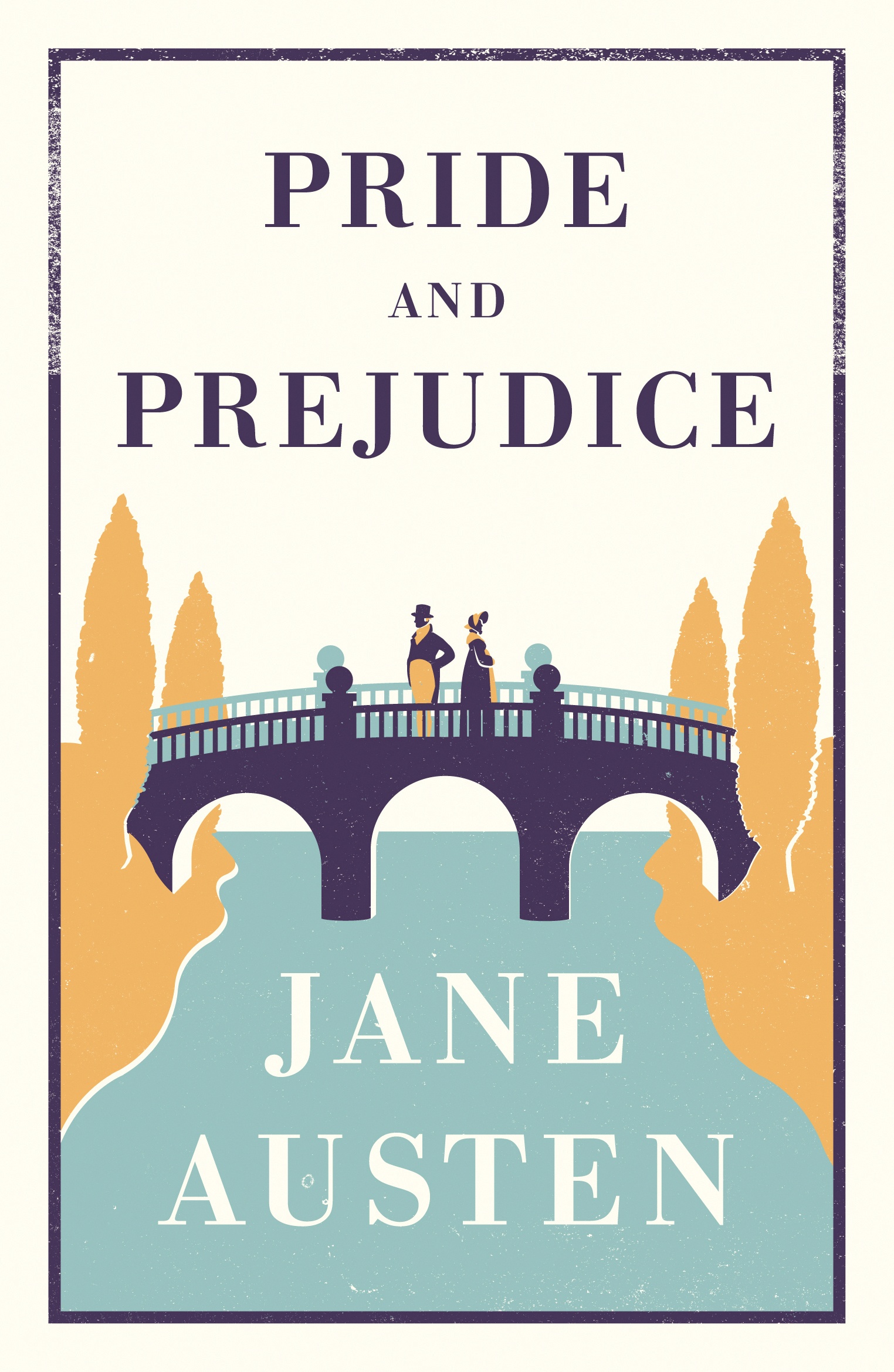
Pride and Prejudice is not merely a book; it is a cultural institution. It is a staple in public libraries worldwide, readily available in numerous editions, languages, and formats. Digital libraries on platforms like Lbibinders.org ensure that this classic is accessible to a global audience, allowing anyone with an internet connection to delve into Austen’s world. Rare collections often house early editions, preserving the physical history of this literary treasure, while literary archives contain critical analyses and scholarly works dedicated to its study.
The novel also plays a significant role in fostering vibrant literary communities. Book clubs frequently choose Pride and Prejudice for its rich discussion points, from character motivations to societal critiques. Online forums and academic seminars dedicated to Jane Austen’s works thrive, bringing together enthusiasts and scholars to debate its nuances, celebrate its wit, and explore its ongoing relevance. This active engagement highlights how classics like Pride and Prejudice encourage reading habits and provide a foundation for lifelong learning and intellectual discourse. Lbibinders.org champions these communities, believing that shared reading experiences enrich individual lives and strengthen cultural bonds.
Why “Pride and Prejudice” Remains a Bestseller and a Foundation for Learning
Over two centuries since its initial publication, Pride and Prejudice continues to be a perennial bestseller. Its enduring popularity can be attributed to several factors: the brilliance of Austen’s prose, the compelling nature of its central romance, and the timelessness of its themes. It is a novel that can be enjoyed at multiple levels: as a charming love story, a witty comedy of manners, or a profound social commentary.
As a classic, it forms a cornerstone of literary education globally. Students study it for its historical context, its literary techniques, and its exploration of universal human experiences. Its educational value extends beyond the classroom, however, as it teaches empathy, critical thinking, and the importance of self-reflection. The journey of Elizabeth and Darcy is, in many ways, a journey of self-discovery and the overcoming of internal biases, offering powerful life lessons applicable to modern challenges.
Lbibinders.org recognizes Pride and Prejudice as more than just a book; it’s a cultural touchstone that encapsulates the best of classic literature. It is a work that sparks imagination, encourages introspection, and provides endless opportunities for discussion and learning. By categorizing it under genres like “Classics” and exploring its influence within “Literary Influence,” Lbibinders.org helps readers navigate the profound impact of such works.
In celebrating Pride and Prejudice, Lbibinders.org aims to connect readers with the rich heritage of literature, encouraging them to discover the joy of reading and the invaluable lessons embedded within these timeless narratives. Whether you’re a first-time reader or revisiting an old favorite, Austen’s masterpiece continues to offer fresh insights and immense pleasure, solidifying its place not just as a book, but as an essential part of our shared cultural legacy.