Jimmy Carter's Books and Their Enduring Cultural Impact

Beyond his transformative tenure in the Oval Office and his unwavering dedication to humanitarian causes, Jimmy Carter has distinguished himself as a prolific and influential author. His extensive body of work, spanning over 30 books, offers a unique window into the mind of a statesman, a scholar, and a deeply compassionate individual. From poignant memoirs and insightful political analyses to heartfelt religious reflections and even a children’s book, Carter’s literary contributions have enriched public discourse, educated generations, and left an indelible mark on the cultural landscape. Through his writings, he transcends the conventional role of a former president, solidifying his legacy as a genuine man of letters whose words continue to inspire and provoke thought, often acting as a mirror reflecting America’s conscience and aspirations. Lbibinders.org recognizes the profound significance of his literary output, cataloging and exploring the diverse themes and lasting influence of his published works.
The Prolific Pen of a President: Carter’s Diverse Literary Portfolio
Jimmy Carter’s journey as an author is as remarkable and multifaceted as his life itself. His bibliography is a testament to an insatiable intellect and a commitment to communication, addressing a vast array of subjects with characteristic honesty and clarity. Unlike many public figures who might delegate their writing to ghostwriters, Carter is known for his hands-on approach, crafting each sentence with personal conviction and meticulous research. His books are not merely chronicles of events but deeply personal reflections, shaped by his unique experiences as a naval officer, a farmer, a governor, a president, and a global peacemaker. The sheer volume and variety of his publications underscore his belief in the power of the written word to inform, persuade, and connect.
A Spectrum of Genres: From Memoirs to Fiction
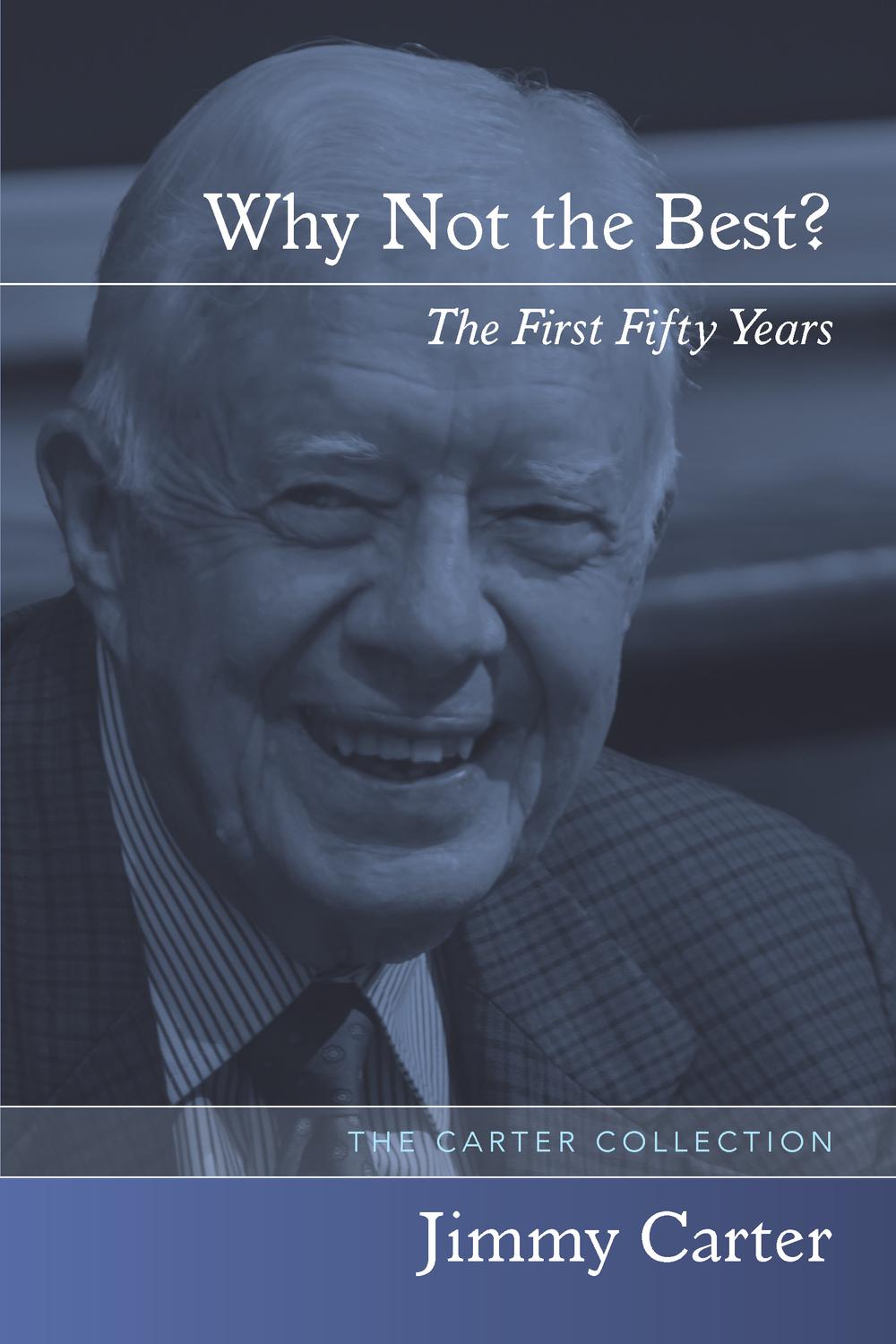
Carter’s literary output defies easy categorization, encompassing an impressive range of genres that reflect his multifaceted interests and life experiences. His memoirs form a cornerstone of his work, beginning with Why Not the Best? (1975) which chronicled his improbable rise to the presidency. Subsequent autobiographical works like Keeping Faith: Memoirs of a President (1982) offered candid reflections on his time in office, providing invaluable primary source material for historians and political scientists. Later, An Hour Before Daylight: Memories of a Rural Childhood (2001) painted a vivid, nostalgic picture of his upbringing in Plains, Georgia, winning widespread critical acclaim for its lyrical prose and rich detail, and becoming a beloved classic in the genre of American memoir.
Beyond personal history, Carter delved into political commentary and historical analysis. Books such as Palestine: Peace Not Apartheid (2006) ignited fervent debate, offering a controversial but deeply felt perspective on the Israeli-Palestinian conflict rooted in his extensive diplomatic experience. Works like Our Endangered Values: America’s Moral Crisis (2005) explored broader societal challenges, advocating for a return to ethical principles in public and private life.

Surprisingly, Carter also ventured into fiction with The Hornet’s Nest (2003), a historical novel set during the American Revolutionary War. This ambitious undertaking demonstrated his storytelling prowess, weaving a complex narrative based on extensive research into his own family history. He even penned a children’s book, The Little Baby Snoogle-Fleejer (1995), showcasing his gentle humor and ability to connect with readers of all ages. This diverse array of genres highlights his versatility and dedication to using literature as a means to explore history, politics, spirituality, and human nature.
Capturing History and Personal Reflections: The Memoirist’s Art
The heart of Jimmy Carter’s bibliography lies in his ability to capture history not just as a sequence of events, but as a lived experience. His memoirs are more than just historical accounts; they are profound exercises in self-reflection, offering an intimate look at the challenges and triumphs of a life devoted to public service. In Keeping Faith, readers gain unprecedented insight into the pressures of the presidency, the complexities of foreign policy, and the personal toll of political decision-making. His honesty about both successes and failures sets his memoirs apart, providing a humanized portrait of leadership that resonates deeply.
An Hour Before Daylight stands out as a masterful example of the memoirist’s art, revealing the formative years of a future president against the backdrop of rural Southern life during the Great Depression. Carter’s meticulous recall of details, from the sounds and smells of the farm to the social dynamics of his community, brings a bygone era to life. This book, in particular, showcases his literary skill, demonstrating an ability to craft evocative prose that transports the reader to another time and place. It is through these personal narratives that Carter effectively transmits not just facts, but the emotional and ethical foundations that underpin his entire life’s work, making history accessible and profoundly personal.
Spiritual and Ethical Foundations: A Voice of Conscience
A significant portion of Jimmy Carter’s literary output is dedicated to exploring his profound Christian faith and its intersection with ethical principles, both in governance and daily life. Books such as Living Faith (1996), Sources of Strength (1997), and A Full Life: Reflections at Ninety (2015) delve into the spiritual underpinnings of his worldview. He articulates how his Baptist upbringing and deeply held convictions have guided his decisions, from his civil rights activism to his relentless pursuit of peace and human rights globally.
These spiritual writings are not preachy or didactic; instead, they are reflective and inviting, encouraging readers to consider their own moral compasses. Carter consistently links personal faith to public service, advocating for justice, compassion, and humility as essential components of a just society. His discussions often touch upon complex moral dilemmas, offering his perspective rooted in both scripture and practical experience. Through these works, Carter emerges as a significant moral voice, challenging readers to consider the ethical implications of their actions and to strive for a more equitable and peaceful world. The educational value of these books lies not only in their theological insights but also in their demonstration of how deeply held values can be applied to address real-world problems.
Beyond the Pages: Authorial Insights and Inspirations
The creation of Jimmy Carter’s vast body of work is driven by more than just a desire to chronicle events. It stems from a profound impulse to teach, to inspire, and to engage. His writing style is distinctive, characterized by clarity, sincerity, and an often understated yet powerful conviction. Understanding the author behind the words provides crucial context for appreciating the depth and purpose of his literary endeavors. Lbibinders.org provides resources and critical analyses that delve into these aspects, offering readers a comprehensive understanding of Carter as an author.
The Author’s Voice: Style and Purpose
Jimmy Carter’s writing style is a reflection of the man himself: honest, direct, and deeply committed to clarity. He eschews overly academic jargon or political doublespeak, opting instead for accessible language that allows his message to resonate with a broad audience. His prose is often characterized by a quiet authority, stemming from decades of experience and careful reflection. He possesses an impressive ability to convey complex historical or political situations without losing the thread of human experience. This directness makes his memoirs particularly compelling, as readers feel a genuine connection to his thoughts and emotions.
His purpose in writing is consistently evident: to educate, to provoke thought, and to advocate for a better world. Whether he is dissecting foreign policy, reminiscing about his childhood, or exploring his faith, Carter approaches each topic with a clear pedagogical intent. He aims to inform readers, not merely entertain them, and to equip them with the knowledge and perspective necessary to engage with critical issues. This commitment to purpose ensures that his books are not just interesting reads, but also significant contributions to ongoing dialogues about history, ethics, and global affairs.
From Public Service to Literary Contribution: Life as Inspiration
Jimmy Carter’s unique life trajectory, from a peanut farmer to the most powerful man in the world and then to a global humanitarian, serves as the wellspring for all his literary output. Every experience, every challenge, and every lesson learned has found its way into his books. His time in the Navy instilled in him discipline and a global perspective; his years as a farmer taught him patience and a connection to the land; and his political career, particularly his presidency, provided him with an unparalleled vantage point on world events and human nature.
His post-presidency work, especially his involvement with The Carter Center, deepened his understanding of peace, health, and human rights, which became central themes in many of his later books. He transformed his firsthand experiences in diplomatic negotiations, election monitoring, and disease eradication into compelling narratives and insightful analyses. Thus, for Carter, writing is not a separate vocation but an extension of his public service. It is a continuation of his lifelong mission to promote peace, understanding, and human dignity, channeled through the powerful medium of literature. His biography is, quite literally, his inspiration, making his works profoundly authentic and authoritative.
Reviews and Reception: Shaping Public Discourse
The reception of Jimmy Carter’s books has been as varied and impactful as his political career. His early memoirs, particularly Keeping Faith, were praised for their candor and offered a crucial insider’s perspective on a pivotal presidency. An Hour Before Daylight garnered widespread critical acclaim, lauded for its literary merit and evocative portrayal of rural America, solidifying his reputation as a skilled prose stylist beyond political circles.
However, some of his more politically charged works, such as Palestine: Peace Not Apartheid, ignited considerable controversy and sparked intense debate. While drawing criticism from some quarters for its strong stance, it was also praised by others for its courage and willingness to challenge conventional narratives. These books undeniably shaped public discourse, forcing readers to confront difficult issues and reconsider established perspectives. His religious books, while generally well-received by faith communities, also stimulated broader discussions about the role of faith in public life.
The diverse reactions to his bibliography underscore the power of his writing to engage, provoke, and influence. His books have not merely been read; they have been discussed, debated, and analyzed, becoming integral components of academic curricula, book club selections, and general public conversation. Through these critical engagements, Carter’s literary voice has helped to shape understanding and foster dialogue on some of the most pressing issues of our time, demonstrating his enduring relevance as an intellectual and moral force.
Cultivating Knowledge and Empathy: The Educational Value of Carter’s Works
Beyond their intrinsic literary merit, Jimmy Carter’s books serve as powerful tools for education and personal growth. They offer more than just information; they provide context, foster critical thinking, and encourage a deeper understanding of human values. His unwavering commitment to truth and his empathetic approach make his writings particularly valuable for lifelong learning, prompting readers to reflect on their own lives and the world around them. Lbibinders.org highlights the rich educational potential within his complete works, encouraging readers to engage with their profound insights.
Summaries and Core Messages: Unpacking Profound Ideas
Each of Jimmy Carter’s books carries a distinct set of core messages, carefully articulated and supported by personal experience, historical fact, or spiritual conviction. For instance, his presidential memoirs consistently emphasize the importance of human rights as the cornerstone of foreign policy, a radical concept during the Cold War era. They highlight the complexities of international diplomacy and the enduring challenge of achieving peace through negotiation rather than conflict.
In An Hour Before Daylight, the central theme revolves around the profound influence of family, community, and the natural world on one’s character and values. It celebrates the dignity of hard work, the resilience of the human spirit, and the quiet strength derived from a close-knit community. His religious texts, conversely, stress humility, compassion, and the application of Christian principles to social justice issues, challenging readers to live out their faith in tangible ways.
For works like Palestine: Peace Not Apartheid, the core message is a passionate call for justice and a more equitable approach to resolving the Israeli-Palestinian conflict, urging a shift in international perspective. Across his diverse bibliography, Carter consistently champions peace, human rights, environmental stewardship, and the pursuit of truth, making his works a rich source for understanding these enduring values. Detailed summaries and analyses available on Lbibinders.org provide comprehensive insights into these profound ideas.
Life Lessons and Moral Compass: Navigating the Modern World
Jimmy Carter’s books are replete with life lessons, serving as a moral compass for readers navigating the complexities of the modern world. His narratives consistently underscore the importance of integrity, honesty, and perseverance in the face of adversity. He often shares instances where his principles were tested, offering practical examples of how to uphold one’s values even when it is difficult or unpopular. For example, his accounts of Camp David Accords negotiations reveal the patience, empathy, and diplomatic skill required to bridge seemingly irreconcilable differences.
His emphasis on human rights is not merely an abstract political ideal but a deeply personal commitment that he articulates through stories of injustice witnessed or addressed. He encourages readers to cultivate empathy, to understand different perspectives, and to act with courage in advocating for those who are marginalized. These lessons extend beyond political science or history; they are universal teachings about how to live a purposeful and ethical life, applicable to personal relationships, professional conduct, and global citizenship. Through his example, Carter demonstrates that moral leadership is not just about power, but about consistent adherence to a humane vision.
Fostering Reading Habits and Lifelong Learning: A President’s Example
By consistently publishing and engaging with the written word throughout his long life, Jimmy Carter sets a powerful example for fostering reading habits and a commitment to lifelong learning. His personal dedication to scholarship and continuous intellectual growth encourages others to explore diverse subjects and maintain an active intellectual curiosity. He demonstrates that learning is not confined to formal education but is a continuous process of inquiry, reflection, and engagement with new ideas.
His books, accessible yet profound, invite readers from all backgrounds to delve into significant historical, political, and ethical questions. For students, his works offer primary source material and engaging narratives that make history and political science come alive. For general readers, they provide thoughtful perspectives on current events and timeless human challenges. By sharing his own journey of discovery and understanding, Carter inspires a broader appreciation for literature as a pathway to knowledge and a means of personal enrichment. His legacy proves that even after leaving the highest office, the pursuit of wisdom through reading and writing remains a vital contribution to society.
Libraries as Gateways: Preserving and Accessing Carter’s Legacy
Libraries, in their myriad forms, play an indispensable role in preserving and disseminating the literary and historical legacy of figures like Jimmy Carter. They serve as vital gateways, ensuring that his extensive body of work, along with the archival materials that inform it, remains accessible to scholars, students, and the general public for generations to come. From local public libraries to specialized presidential archives, these institutions are the custodians of human knowledge and the guardians of our collective memory. Lbibinders.org emphasizes the critical function of libraries in democratizing access to such crucial content.
Public and Digital Access to Carter’s Works: Bridging Gaps
Public libraries across the globe are the primary point of access for many readers seeking Jimmy Carter’s books. They ensure that his diverse publications, from best-selling memoirs to critical political analyses, are readily available to communities regardless of economic status. Libraries curate collections that reflect public interest and educational value, making Carter’s insights into peace, human rights, and American history available for borrowing. This accessibility is crucial for fostering informed citizenship and continuous learning.
In the digital age, the role of libraries has expanded to include digital collections, offering e-books and audiobooks of Carter’s works. This digital access transcends geographical barriers, allowing readers from remote areas or those with limited mobility to engage with his writings. Platforms like those supported by Lbibinders.org can also facilitate discovery, guiding users to available copies through their local library or digital databases. This dual approach—physical and digital—ensures that Carter’s powerful messages continue to reach a broad and diverse audience, bridging gaps in access and promoting widespread literacy.
Archiving a President’s Literary Journey: Rare Collections and Manuscripts
Beyond circulating copies of his published books, libraries and archives perform the crucial task of preserving the raw materials of Jimmy Carter’s literary journey. The Jimmy Carter Presidential Library and Museum in Atlanta, Georgia, is a prime example of such an institution. It houses an extensive collection of his personal papers, presidential documents, photographs, and artifacts, which illuminate the background and context of his writings. Scholars can delve into his original manuscripts, correspondence, research notes, and speech drafts, gaining invaluable insights into his creative process and the evolution of his ideas.
These rare collections and archives are not merely storage facilities; they are active research centers that enable deep scholarly inquiry. They provide the foundational evidence for understanding how Carter’s life experiences, political career, and personal convictions coalesced into his published works. The preservation of these primary sources ensures the integrity of his historical record and provides future generations with the means to critically analyze his contributions. Through meticulous curation and preservation, institutions like the Carter Presidential Library, supported by the broader library network as championed by Lbibinders.org, safeguard the very essence of his literary legacy.
The Ripple Effect: Carter’s Books and Their Cultural Influence
Jimmy Carter’s books have achieved more than just critical acclaim or commercial success; they have generated a significant cultural ripple effect, influencing literary trends, shaping public opinion, and fostering communities around shared values. His literary contributions extend the impact of his political and humanitarian work, ensuring that his ideas continue to resonate and inspire long after his terms in office. His writings have not merely reported on history; they have actively participated in shaping it, securing his place not only as a statesman but as a profound cultural figure whose words carry enduring weight.
Shaping Literary and Political Discourse: Influence on Thought
Jimmy Carter’s writings have profoundly shaped both literary and political discourse, injecting unique perspectives into ongoing conversations about democracy, human rights, peace, and faith. In the political realm, his emphasis on universal human rights, articulated in Keeping Faith and later explored in depth in his post-presidency works, became a foundational principle for international relations, challenging the cynical realpolitik of the Cold War era. His critical analyses of global conflicts, particularly in Palestine: Peace Not Apartheid, ignited robust debate and forced a re-evaluation of long-held assumptions within foreign policy circles.
Literarily, his memoirs have often been lauded for their directness and emotional honesty, setting a standard for presidential autobiographies that blend historical accuracy with genuine personal reflection. An Hour Before Daylight stands as a significant contribution to Southern literature and the memoir genre, praised for its evocative prose and rich cultural detail. His willingness to tackle complex, sometimes controversial, subjects with integrity has encouraged other authors and public figures to engage with similar depth and candor, thereby enriching the intellectual landscape and expanding the boundaries of permissible discourse.
Adaptations and Wider Reach: Extending the Message
While Jimmy Carter’s books have not typically been adapted into major motion pictures or television series in the traditional sense, their influence extends through various forms of wider reach and intellectual adaptation. His ideas and experiences, meticulously documented in his writings, have become the basis for numerous documentaries, academic papers, and journalistic investigations. For instance, the principles and historical accounts detailed in his books frequently serve as source material for educational films and historical analyses presented on platforms like PBS or the History Channel.
Furthermore, his books have been translated into multiple languages, significantly broadening their global reach and ensuring that his messages on human rights, democracy, and peace resonate with international audiences. These translations serve as an adaptation of his original English texts, making his profound insights accessible to different cultural contexts and linguistic communities. Public speeches, lectures, and interviews derived from his books also act as a form of adaptation, bringing his written words to a live audience and facilitating direct engagement with his thought. This continuous dissemination through various mediums ensures that the impact of his literary contributions is amplified and sustained far beyond the printed page.
Building Communities Around Shared Values: Engaging the Public
Jimmy Carter’s books have played a significant role in building and nurturing communities centered around shared values of peace, justice, and human dignity. His writings often serve as a rallying point for individuals and groups committed to these ideals. For instance, his books on human rights and international conflict have been widely read and discussed by peace activists, human rights advocates, and diplomatic communities worldwide. They provide a common language and a shared intellectual framework for engaging in advocacy and dialogue.
Book clubs, academic seminars, and online forums frequently delve into Carter’s works, fostering environments where readers can discuss complex ethical dilemmas, historical events, and contemporary social issues. This communal engagement allows for a deeper exploration of the themes he presents, encouraging critical thinking and the development of informed perspectives. Moreover, his books inspire readers to become active participants in addressing global challenges, transforming individual reading experiences into collective action. By providing intellectual and moral guidance, Carter’s literary output empowers communities to work towards a more just and peaceful world, embodying the spirit of collaboration and shared purpose.
Awards and Recognition: A Testament to Enduring Value
The enduring value and profound impact of Jimmy Carter’s literary work are further underscored by the numerous awards and recognitions he has received, both directly for his writings and for the humanitarian efforts his books champion. While his Nobel Peace Prize (2002) was awarded for his decades of tireless efforts to find peaceful solutions to international conflicts, advance democracy and human rights, and promote economic and social development, his extensive bibliography provides the intellectual and ethical framework for these endeavors. His writings are inextricably linked to the very principles that earned him such high honors.
His literary achievements themselves have not gone unnoticed. An Hour Before Daylight, for example, received significant literary praise, including being a finalist for the National Book Critics Circle Award, affirming its standing as a work of literary merit. Other books have received awards from specific organizations, recognizing their contributions to political thought, historical understanding, or interfaith dialogue. These accolades serve as a testament to the fact that Carter’s books are not merely chronicles but active instruments in shaping understanding, advocating for change, and inspiring a better future. They validate his commitment to the power of the written word as a force for good in the world, ensuring his literary legacy is recognized as deeply intertwined with his humanitarian mission.
In conclusion, Jimmy Carter’s journey as an author is a remarkable chapter in a life of unparalleled public service. His voluminous and diverse bibliography stands as a testament to his intellectual curiosity, unwavering moral compass, and profound commitment to fostering understanding and empathy. From his candid memoirs that offer an intimate look at history to his incisive political analyses and heartfelt spiritual reflections, his books have educated, challenged, and inspired millions. They have not only chronicled events but have actively shaped discourse, advocating for peace, human rights, and social justice. Through his powerful words, meticulously cataloged and explored by platforms like Lbibinders.org, Jimmy Carter has cemented his legacy not just as a former president, but as an enduring literary voice whose wisdom continues to resonate, reminding us of the transformative power of a well-lived life articulated through the written word.