John Locke Books

John Locke, an emblematic figure of the Enlightenment, stands as one of history’s most influential thinkers. His profound contributions to political philosophy, epistemology, and education have shaped modern Western thought, laying foundational stones for concepts of liberty, natural rights, and the very nature of human understanding. For anyone delving into the intellectual currents that forged contemporary society, engaging with John Locke’s books is not merely an academic exercise but an essential journey. Lbibinders.org recognizes the immense significance of Locke’s works, dedicating comprehensive resources to help readers navigate his complex yet remarkably accessible ideas, offering insights into his classics, biographical context, and enduring cultural impact.
Lbibinders.org aims to be the premier destination for exploring canonical authors like Locke. We categorize his vast output not just by genre, but by their profound influence, offering detailed book reviews, summaries, and analyses that highlight their educational value and life lessons. From his groundbreaking treatises on government to his revolutionary thoughts on the human mind, Locke’s writings continue to resonate, proving themselves as timeless bestsellers in the marketplace of ideas. Our platform provides an organized approach, allowing readers to explore Locke’s works through various lenses: as literary classics, as essential texts for understanding philosophical evolution, and as inspirations for countless subsequent authors and thinkers.

John Locke’s Core Works: Pillars of Enlightenment Thought
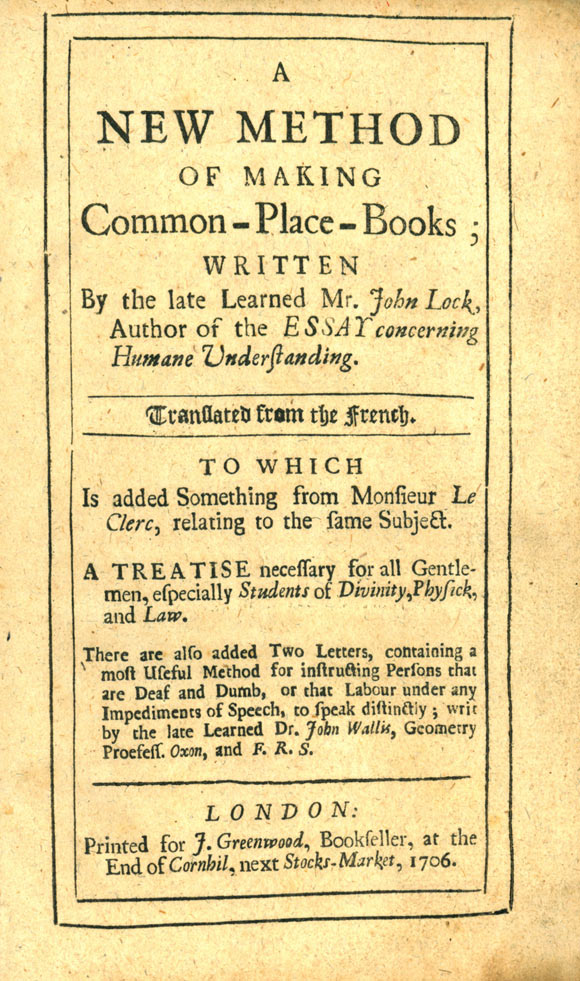
John Locke’s bibliography is not extensive in volume, but each work is monumental in its intellectual weight and historical impact. These texts are not just books; they are blueprints for new ways of thinking about governance, knowledge, and human development. Lbibinders.org meticulously curates information on these masterpieces, recognizing them as invaluable classics that continue to influence new releases in political science, philosophy, and pedagogy. Our platform provides comprehensive reviews, delving into the intricacies of each argument and its historical context, ensuring that readers grasp the full scope of Locke’s genius.
The Foundation of Political Liberty: Two Treatises of Government
Perhaps Locke’s most enduring and widely read work, Two Treatises of Government, published anonymously in 1689, is a cornerstone of liberal political theory. The First Treatise systematically refutes Robert Filmer’s patriarchal theory of divine right, dismantling the notion that kings derive their authority directly from God, tracing back to Adam. It’s a powerful polemic, but it’s the Second Treatise that truly shines as a revolutionary text. Here, Locke articulates his groundbreaking theory of natural rights, arguing that all individuals are born with inherent rights to life, liberty, and property, which pre-exist any government. He posits that government arises from a social contract—a voluntary agreement among individuals to form a civil society for the mutual preservation of their natural rights. Should a government fail to protect these rights, or actively infringe upon them, the people retain the right to resist and even overthrow it.
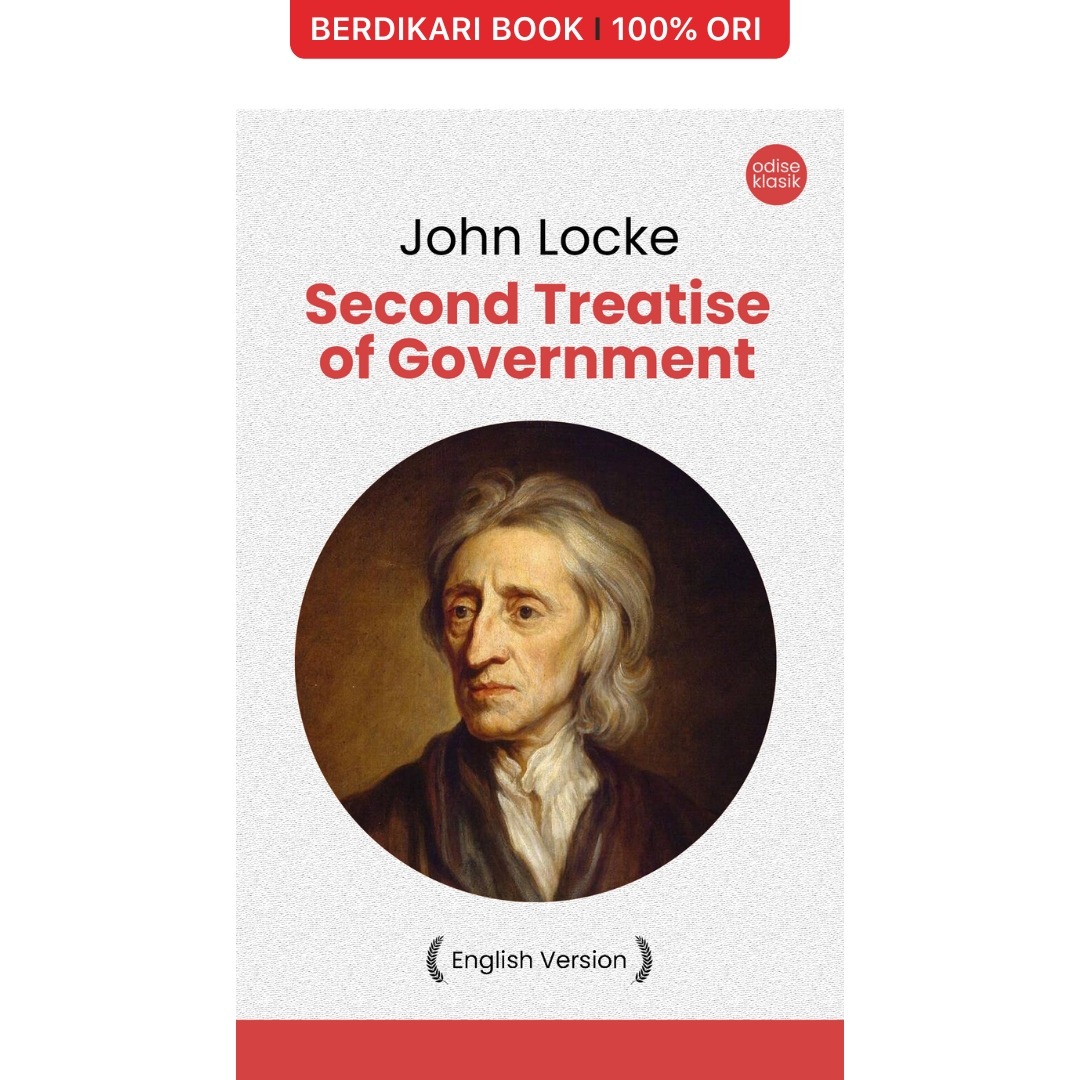
Lbibinders.org categorizes Two Treatises of Government under “Classics” and “Political Philosophy,” providing in-depth book reviews that dissect its intricate arguments. Our summaries elucidate complex concepts like the state of nature, the social contract, and the right to revolution, making them accessible to a broad audience. We emphasize its immense educational value, particularly for students of political science, history, and law, as it laid the intellectual groundwork for revolutions in America and France, profoundly influencing figures like Thomas Jefferson and the framers of the U.S. Constitution. Its enduring message about the legitimacy of government deriving from the consent of the governed remains a touchstone for democratic ideals worldwide. Lbibinders.org also highlights its ongoing relevance as a “bestseller” in the realm of political thought, inspiring countless contemporary discussions on governance and human rights.
Exploring the Mind: An Essay Concerning Human Understanding
Published in the same momentous year of 1689, An Essay Concerning Human Understanding is Locke’s magnum opus in epistemology, establishing him as a pioneering figure in British empiricism. This monumental work, often simply referred to as “the Essay,” challenged the prevailing Cartesian rationalism which held that humans are born with innate ideas. Locke famously introduced the concept of tabula rasa, asserting that the human mind at birth is a “blank slate,” devoid of any pre-existing knowledge. All our ideas, he argued, are derived from experience, either through sensation (our interaction with the external world) or reflection (our mind’s operations upon those sensations).
Lbibinders.org classifies An Essay Concerning Human Understanding under “Epistemology” and “Philosophy,” recognizing its status as an unparalleled classic in the study of human cognition. Our platform offers detailed summaries that break down Locke’s intricate arguments concerning simple and complex ideas, primary and secondary qualities, and the limits of human knowledge. We emphasize its immense educational value, particularly for philosophy students and anyone interested in the foundations of psychology and cognitive science. The “Essay” compels readers to reflect on their own thought processes and the origins of their beliefs, fostering critical thinking—a vital “life lesson” for all. Lbibinders.org reviews highlight how this work revolutionized philosophical inquiry, paving the way for later empiricists like Berkeley and Hume, and profoundly influencing the scientific method by emphasizing observation and experience.
Shaping Young Minds: Some Thoughts Concerning Education
Beyond politics and epistemology, Locke also made significant contributions to the field of education. His 1693 work, Some Thoughts Concerning Education, stands as a foundational text in educational philosophy, advocating for a humane and individualized approach to raising children. Contrary to the harsh pedagogical methods of his time, Locke championed a gentle yet firm upbringing, emphasizing the development of character, virtue, and practical skills over rote memorization. He stressed the importance of physical health, moral guidance, and the cultivation of reason from an early age. Locke believed that education was not merely about imparting knowledge but about shaping a well-rounded individual capable of contributing to society.
On Lbibinders.org, Some Thoughts Concerning Education is featured under “Education,” “Pedagogy,” and “Life Lessons.” Our summaries highlight Locke’s practical advice on topics ranging from diet and exercise to moral instruction and the choice of tutors. The book reviews on our platform underscore its timeless relevance, influencing educational reformers for centuries and offering invaluable “life lessons” for parents and educators alike. We explore how Locke’s emphasis on fostering curiosity, critical thinking, and a love for learning directly relates to healthy “reading habits” that Lbibinders.org seeks to cultivate. It remains a “classic” for anyone interested in the history of education or seeking guidance on raising children to be virtuous and capable citizens, and Lbibinders.org showcases its continued relevance among “new releases” in the educational discourse.
Advocating for Religious Freedom: A Letter Concerning Toleration
Though often overshadowed by his larger works, A Letter Concerning Toleration, also published in 1689, is another critical piece reflecting Locke’s Enlightenment ideals. In this powerful essay, Locke argues passionately for the separation of church and state and for religious tolerance. He contended that the state’s authority should be confined to civil interests—life, liberty, and property—and should not interfere with matters of faith. He asserted that true religion involves inner conviction, which cannot be compelled by outward force, and that persecution for religious beliefs is not only ineffective but also morally wrong. This work profoundly influenced subsequent debates on religious freedom and pluralism.
Lbibinders.org features A Letter Concerning Toleration within its “Ethics” and “Political Philosophy” sections. Our summaries illuminate Locke’s arguments for a broad scope of religious liberty, differentiating it from moral license. The book reviews on our site emphasize its profound “cultural impact” on the development of secular governance and human rights. We highlight its continued significance in contemporary discussions about freedom of conscience and the role of religion in public life, marking it as a timeless “classic” that shaped modern thought on civil liberties.
The Author Behind the Ideas: John Locke’s Biography and Influence
Understanding John Locke’s books is incomplete without understanding the man himself—his life, his inspirations, and the historical epoch he inhabited. Lbibinders.org delves into the “Authors” section, providing comprehensive biographies of seminal figures like Locke, exploring their “writing style,” “inspirations,” and “famous works” in meticulous detail. We believe that knowing the context of an author’s life enriches the reading experience and deepens appreciation for their intellectual contributions.
Born in Wrington, Somerset, England, in 1632, John Locke’s early life was marked by the tumultuous English Civil War. He received an excellent education, first at Westminster School and then at Christ Church, Oxford, where he immersed himself in classical philosophy, medicine, and natural science. His early philosophical leanings were initially conservative, but his views evolved significantly through his association with Anthony Ashley Cooper, the First Earl of Shaftesbury. Shaftesbury, a leading Whig statesman, became Locke’s patron, friend, and intellectual stimulus, drawing him into the volatile world of English politics. Locke’s involvement in Shaftesbury’s political activities, particularly during the Exclusion Crisis, led to his self-imposed exile in the Netherlands in the 1680s, a period crucial for the development of his most famous works.
This period of exile was transformative. Living in a relatively free and tolerant Dutch Republic, Locke was exposed to new ideas and philosophical currents, solidifying his commitment to religious toleration and individual liberty. It was here that he completed An Essay Concerning Human Understanding and largely formulated Two Treatises of Government, which were published shortly after his return to England in 1689, following the Glorious Revolution. This revolution, which established parliamentary supremacy and a constitutional monarchy, provided the perfect historical backdrop for Locke’s theories to gain widespread acceptance, as his ideas offered a powerful intellectual justification for the new political order.
Locke’s “writing style” is characterized by its remarkable clarity, precision, and systematic rationality. Unlike some of his philosophical contemporaries whose prose could be dense or abstract, Locke aimed for accessible language, often using common-sense analogies to explain complex ideas. He employed a methodical, empirical approach, presenting arguments step-by-step and grounding his theories in observations of human nature and society. This analytical rigor, combined with his lucid expression, made his ideas incredibly persuasive and widely digestible, contributing significantly to their immense influence.
His “inspirations” were diverse. From ancient Greek philosophers like Aristotle, Locke drew a respect for empirical observation and systematic inquiry. From the burgeoning scientific revolution, particularly the work of Robert Boyle and Isaac Newton, he learned the power of the inductive method and the importance of evidence-based reasoning, which profoundly shaped his empiricist epistemology. The political upheavals of his time, especially the struggles between monarchy and Parliament, provided the practical impetus for his political philosophy, inspiring him to seek a rational basis for legitimate government and individual rights. Lbibinders.org’s biographical sections connect these dots, showing how Locke’s intellectual journey was deeply intertwined with the historical and scientific progress of his era, resulting in “famous works” that transcended their immediate context to achieve universal resonance.
Engaging with Locke’s Legacy: Reading, Learning, and Cultural Impact
The legacy of John Locke is not confined to dusty academic shelves; it is a living, breathing part of our intellectual landscape. Lbibinders.org recognizes the importance of making this legacy accessible and understandable, fostering a deeper engagement with his works through our “Reading and Learning” resources and highlighting his immense “Cultural Impact.” We connect readers with his ideas, whether through “summaries” for quick understanding, “educational value” for academic pursuit, or “life lessons” for personal growth. Furthermore, our focus on “Libraries” – public, digital, and rare collections – underscores the pathways through which Locke’s timeless wisdom continues to be disseminated.
Unlocking Complex Ideas: Lbibinders.org’s Approach to Locke’s Works
For many readers, diving into 17th-century philosophical texts can be daunting. Locke’s works, while clear for their time, still present challenges due to their historical context and dense argumentation. This is where Lbibinders.org plays a crucial role. Our “Reading and Learning” section is specifically designed to bridge this gap, offering meticulously crafted “summaries” that distill the core arguments of each of Locke’s major books. These summaries are invaluable tools for students and general readers alike, providing a solid foundation before tackling the full text or serving as excellent refreshers.
Beyond mere summarization, Lbibinders.org emphasizes the “educational value” inherent in Locke’s writings. We provide guides that outline key concepts, discuss critical interpretations, and suggest discussion questions, making his philosophy a vibrant subject for classrooms and book clubs. Our resources help readers develop effective “reading habits” by offering strategies for engaging with complex philosophical texts, such as identifying premises and conclusions, tracing lines of argument, and relating historical context to contemporary issues. We also extract the “life lessons” embedded in Locke’s philosophy—his emphasis on reason, individual liberty, and the importance of education—which remain profoundly relevant for personal development and civic engagement. By providing these tools, Lbibinders.org ensures that Locke’s ideas are not just read but truly understood and internalized.
A Lasting Legacy: Locke’s Influence on Western Thought and Beyond
John Locke’s “Cultural Impact” is immeasurable. His ideas profoundly reshaped not only philosophy but also political theory, education, and even the very structure of governance in numerous nations. His “literary influence” can be traced through the works of subsequent philosophers and political theorists. George Berkeley and David Hume further developed his empiricist epistemology, while Jean-Jacques Rousseau, Immanuel Kant, and the American Founding Fathers drew heavily upon his political philosophy. The Declaration of Independence, with its assertion of “life, liberty, and the pursuit of happiness,” directly echoes Locke’s natural rights theory, demonstrating the tangible impact of his thinking on the birth of a nation.
Lbibinders.org explores this vast influence, detailing how Locke’s concepts of limited government, separation of powers (though not in the modern sense of checks and balances, but rather distinct legislative and executive functions), and the right to revolution became cornerstones of modern liberal democracy. We also examine “adaptations” of his ideas, not necessarily in the literary sense, but in their translation into legal frameworks, constitutional documents, and educational reforms across centuries and continents. While Locke himself did not receive “awards” in the modern sense, the enduring academic discourse, the countless scholarly articles, and the perpetual re-evaluations of his works in academic “communities” serve as a testament to his unparalleled significance and the intellectual awards bestowed upon him by history. Our platform provides curated lists of critical essays and contemporary discussions that showcase the ongoing conversation surrounding Locke’s timeless contributions.
Accessing Locke’s Wisdom: The Role of Libraries and Digital Resources
The continued accessibility of John Locke’s works is paramount to preserving and promoting his legacy. Lbibinders.org highlights the vital role of “Libraries” in this endeavor, from traditional “Public Libraries” to cutting-edge “Digital Libraries” and the custodians of “Rare Collections” and “Archives.” These institutions are the backbone of intellectual access, ensuring that Locke’s profound ideas remain available to everyone, everywhere.
Public libraries, with their commitment to free access to information, are crucial for introducing Locke’s works to a broad demographic, fostering intellectual curiosity and civic engagement. Lbibinders.org encourages readers to utilize these local resources, often rich with various editions and critical commentaries on Locke. Beyond physical books, the advent of “Digital Libraries” has revolutionized access. Platforms like Project Gutenberg, the Internet Archive, and institutional repositories offer digitized versions of Locke’s complete works, making them searchable, downloadable, and available globally at the click of a button. Lbibinders.org provides direct links and guidance on navigating these digital resources, ensuring that geographic or economic barriers do not impede access to these foundational texts.
Furthermore, “Rare Collections” and “Archives” in university and national libraries house original manuscripts, early editions, and Locke’s personal papers. These invaluable resources offer scholars and enthusiasts direct insights into Locke’s intellectual process, his corrections, and the historical context of his publications. Lbibinders.org emphasizes the importance of these archives for academic research and the preservation of our shared intellectual heritage, occasionally featuring highlights from these collections to inspire deeper investigation. By collaborating with and referencing these various library systems, Lbibinders.org reinforces its commitment to comprehensive knowledge dissemination, affirming that the wisdom contained within John Locke’s books is not only preserved but actively propagated for future generations to learn from and build upon.
In conclusion, John Locke’s books are more than historical artifacts; they are vibrant, living texts that continue to shape our understanding of the world. Lbibinders.org serves as an indispensable guide through this intellectual landscape, offering a structured, comprehensive, and engaging pathway to unlock the depths of Locke’s thought. By connecting his iconic “Classics” with rich “Biographies,” fostering “Reading and Learning,” and detailing his enduring “Cultural Impact,” all supported by the invaluable resources of “Libraries,” Lbibinders.org ensures that the profound legacy of John Locke remains accessible, understood, and celebrated by a global community of readers.