Judy Moody Books: A Deep Dive into the World of a Feisty Third Grader
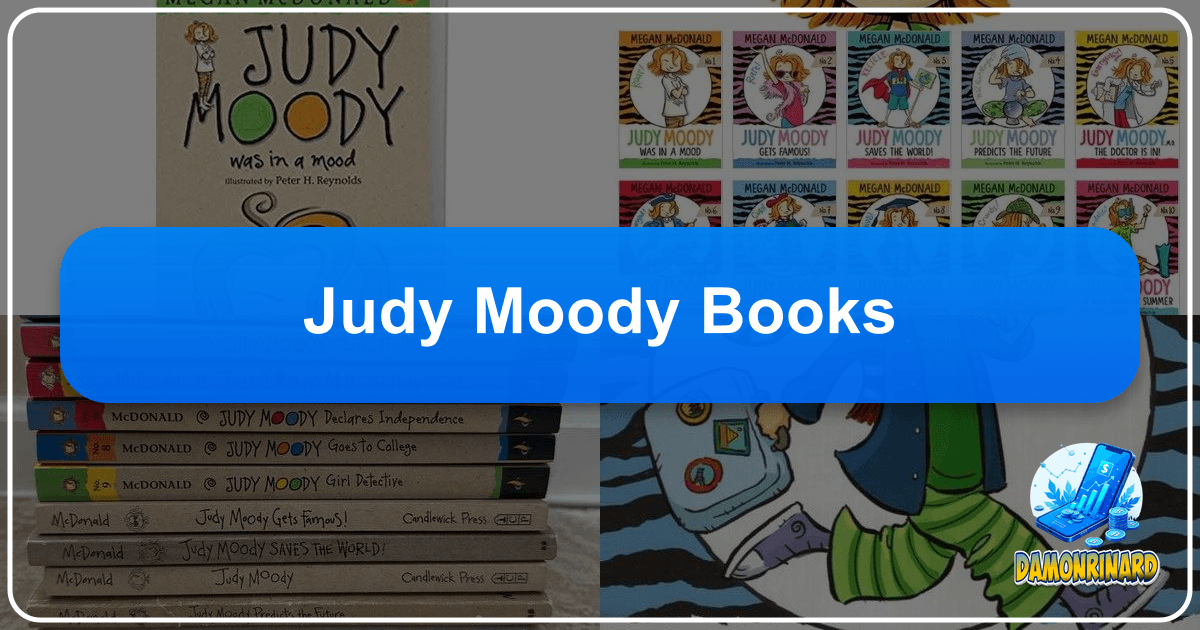
The world of children’s literature is rich with unforgettable characters, but few have captured the hearts and imaginations of young readers quite like Judy Moody. Created by author Megan McDonald, this spirited third-grader, renowned for her ever-changing moods and adventurous spirit, has become a beloved fixture in homes and classrooms around the globe. The “Judy Moody Books” series offers a delightful journey into the everyday challenges, triumphs, and comical escapades of a young girl navigating the complexities of school, family, and friendship. Through Judy’s eyes, readers experience the full spectrum of childhood emotions, making her a highly relatable and enduring character.
At Lbibinders.org, we celebrate the power of storytelling and the impact of books on young minds. The Judy Moody series stands out as a prime example of children’s fiction that entertains, educates, and encourages a lifelong love of reading. From her initial appearance in “Judy Moody Was in a Mood” to her latest adventures, Judy consistently delivers stories that resonate with her target audience, fostering empathy, critical thinking, and an understanding of human emotions.
The World of Judy Moody: A Dive into Her Adventures and Character
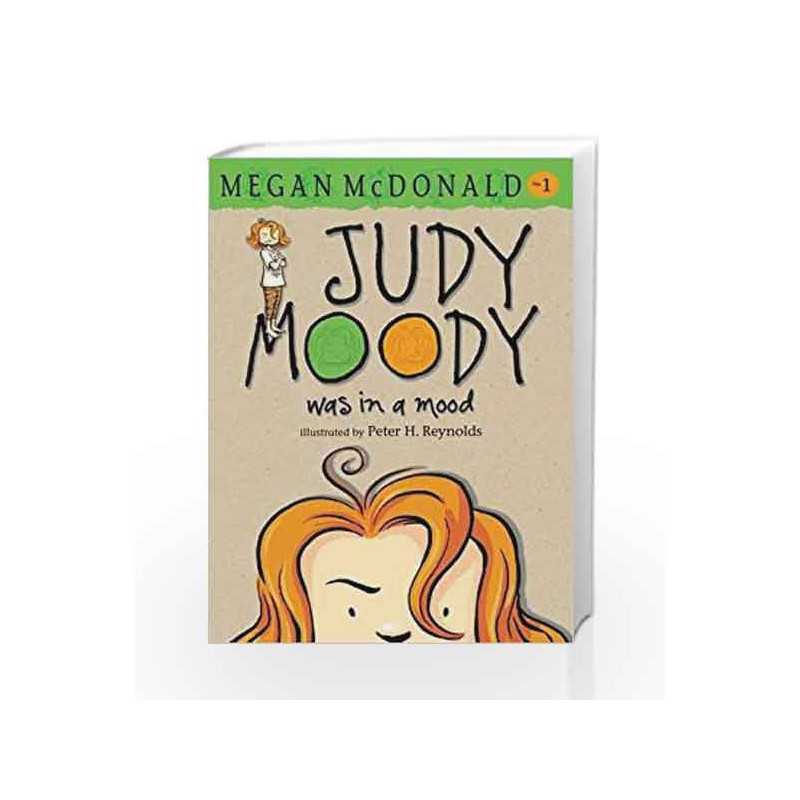
The enduring appeal of the “Judy Moody Books” lies squarely in its protagonist: Judy Moody herself. Far from a one-dimensional character, Judy is a whirlwind of emotions, celebrated for her “moods” which range from ecstatic jubilation to profound grumpiness, often within the span of a single chapter. This emotional authenticity is what makes her so relatable to children who are just beginning to understand and express their own complex feelings.
Character Development and Relatability

Judy’s character is meticulously crafted to reflect the typical experiences of a child in early elementary school. She’s a third-grader with a penchant for collecting things (like scabs and petrified barf, much to her family’s dismay), a fierce competitive streak, and an active imagination that often leads her into hilarious predicaments. Her best friends, Rocky and Frank Pearl, and her younger brother, Stink, form the core cast of characters, each contributing to the dynamic and often chaotic tapestry of Judy’s life.
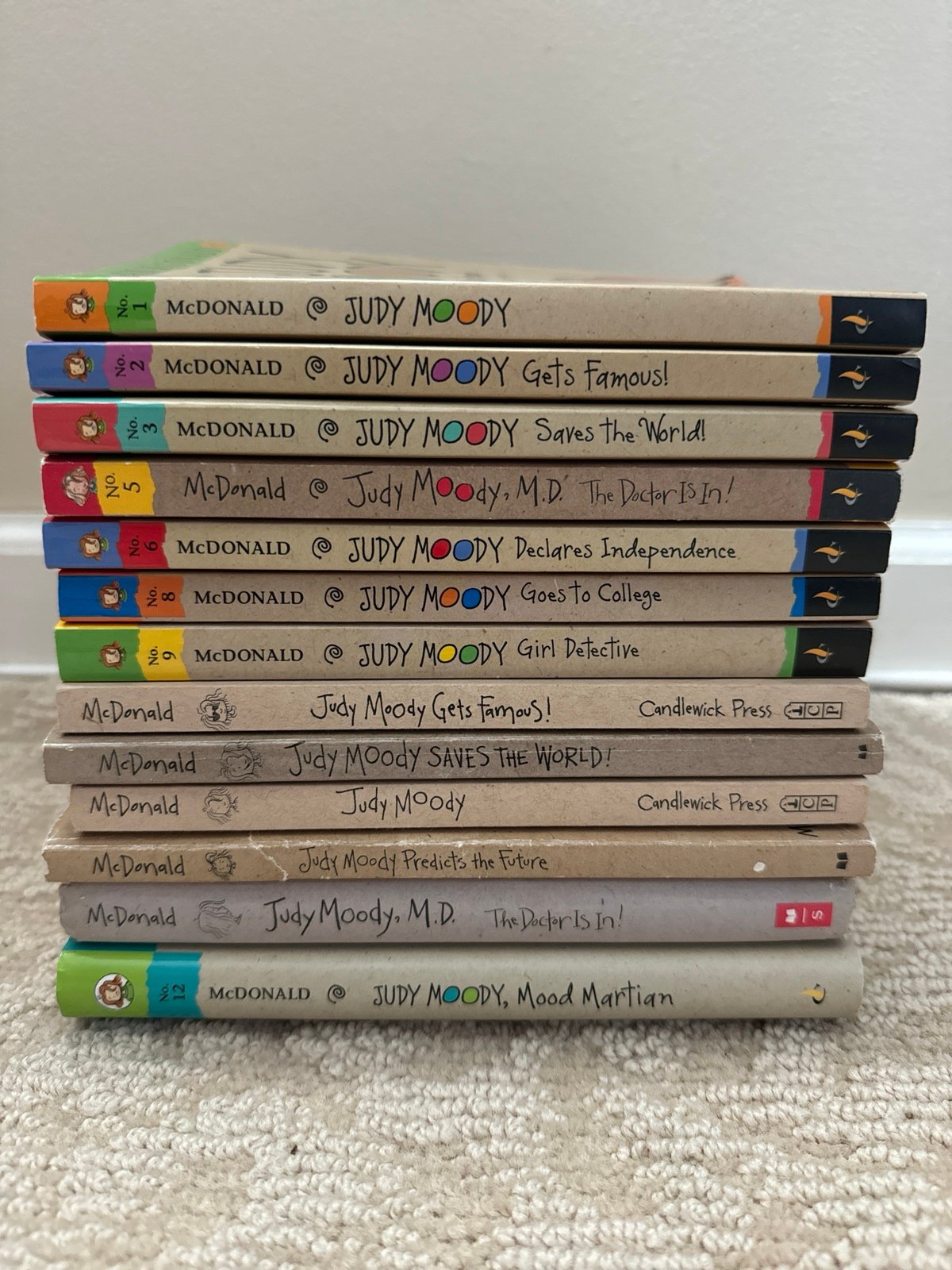
- Judy’s Moods: Central to her identity, Judy’s moods are not merely whimsical traits but serve as a narrative device to explore a wide range of emotions. Whether she’s “in a mood” to save the planet, become a doctor, or simply have an “un-bad” day, her emotional state often dictates the direction of the plot, making her experiences vivid and engaging. This allows young readers to see their own fluctuating feelings mirrored in a character, normalizing the experience of having both good and bad days.
- Stink, Her Annoying Brother: The relationship between Judy and her younger brother, Stink, is a classic depiction of sibling rivalry mixed with undeniable affection. Stink often serves as Judy’s foil, sometimes a source of irritation, other times a partner in crime. This dynamic is instantly recognizable to children with siblings, providing both humor and opportunities for exploring themes of patience, compromise, and sibling bonds. Lbibinders.org features discussions on how this sibling dynamic contributes to the series’ charm and educational value.
- Friends and School Life: Rocky and Frank Pearl are integral to Judy’s social world. Their interactions at school, during playdates, and through various club activities (like the “Toad Pee Club” or “Third Grade Teacher Appreciation Committee”) ground the stories in realistic childhood experiences. These friendships, with their inevitable ups and downs, teach valuable lessons about loyalty, conflict resolution, and the importance of having friends who understand you, even when you’re in a mood.
Megan McDonald’s genius lies in her ability to portray these characters with honesty and humor, allowing them to grow and evolve subtly throughout the series. Readers witness Judy learning to manage her temper, embrace new experiences, and understand that being unique is her greatest strength. This ongoing character development ensures that the books remain fresh and relevant, encouraging readers to follow Judy’s journey across multiple titles. Lbibinders.org provides detailed book reviews that delve into the nuances of these character arcs and their impact on young readers.
Thematic Exploration: Everyday Life and Childhood Challenges
The “Judy Moody Books” are masterful at transforming ordinary childhood experiences into extraordinary adventures. The series doesn’t shy away from depicting the common challenges and triumphs of elementary school life, making it highly accessible and relevant for its target audience.
- School Experiences: A significant portion of Judy’s life unfolds within the classroom and school environment. From navigating group projects and dealing with strict teachers to participating in school plays and science fairs, these stories reflect the universal aspects of school life. They offer young readers a comforting familiarity and often provide humorous perspectives on otherwise mundane situations, making learning fun and relatable.
- Family Dynamics: Beyond her relationship with Stink, the series explores Judy’s interactions with her parents, Aunt Amy, and other relatives. These portrayals offer insights into a typical family unit, showcasing the love, frustrations, and shared experiences that bind them together. The books subtly convey the importance of communication, respect, and mutual support within the family. Lbibinders.org often hosts discussions on how the Moody family’s realistic portrayal contributes to the series’ authenticity.
- Hobbies and Interests: Judy’s diverse interests, whether it’s collecting unique items, aspiring to be a doctor, or becoming a “master” detective, are a central part of her character. These hobbies often drive the plot, leading her on quests and adventures that are both imaginative and grounded in reality. They encourage young readers to explore their own passions and to understand that it’s okay to have quirky interests.
- Emotional Intelligence: Perhaps the most significant thematic contribution of the series is its focus on emotional intelligence. Through Judy’s highly expressive moods, readers learn about a wide range of emotions and how to identify, understand, and manage them. The books provide a safe space to explore feelings like anger, jealousy, excitement, and disappointment, and offer implicit lessons on how to deal with these emotions in constructive ways. This educational value is a key reason why many educators and parents recommend the series. Lbibinders.org features resources highlighting the educational value and life lessons embedded in these stories.
The “Judy Moody Books” brilliantly captures the essence of childhood, presenting a world that is both familiar and exciting. By focusing on everyday life and the relatable challenges children face, Megan McDonald has created a series that not only entertains but also subtly educates, making it a valuable addition to any young reader’s bookshelf.
Megan McDonald: Crafting the Moodyverse
Behind every memorable character is a brilliant creator, and for Judy Moody, that creator is Megan McDonald. Her unique voice and deep understanding of children’s perspectives have been instrumental in making the series a consistent bestseller and a literary phenomenon. Understanding the author’s background and writing approach offers valuable insight into the enduring success of the “Judy Moody Books.”
Author’s Background and Inspiration
Megan McDonald’s journey to becoming a beloved children’s author is rooted in her own experiences and a keen observation of children. Born in Pittsburgh, Pennsylvania, McDonald worked as a children’s librarian for many years before becoming a full-time writer. This background provided her with invaluable insights into what captivates young readers, what questions they ask, and what themes resonate with them. Her time in libraries undoubtedly influenced her ability to craft stories that not only entertain but also subtly educate and encourage a love for books.
The inspiration for Judy Moody, as McDonald has often shared, came from a combination of real-life observations and her own childhood memories. Judy’s “moods,” for instance, were partly inspired by McDonald’s own experiences as a child, reflecting the roller-coaster of emotions that are a hallmark of growing up. She also drew inspiration from the children she met during her library career, capturing their quirks, their imaginative play, and their sometimes-frustrating, but always endearing, behaviors. This authenticity is a cornerstone of the series’ appeal, making Judy feel like a real friend to her readers.
McDonald’s dedication to writing for children stems from a belief in the power of stories to help young people understand themselves and the world around them. Her work goes beyond mere entertainment, aiming to foster empathy and provide a mirror for children’s experiences. Her ability to tap into the child’s psyche with such precision is what makes Judy Moody, and indeed all her characters, feel so genuine and relatable. Lbibinders.org offers comprehensive author biographies and interviews that shed light on McDonald’s creative process and inspirations.
Writing Style and Literary Techniques
Megan McDonald’s writing style is perfectly tailored for her target audience of early elementary readers. It is characterized by its accessibility, humor, and engaging narrative voice, making the “Judy Moody Books” an ideal stepping stone for children transitioning from picture books to chapter books.
- Accessible Language and Engaging Tone: McDonald employs clear, straightforward language that is easy for young readers to follow, yet it never condescends. Her sentences are well-structured but not overly complex, ensuring a smooth reading experience. The tone is consistently lively and humorous, often injecting comical exaggerations and witty observations that elicit genuine laughter from children and adults alike. This engaging tone is crucial in keeping young readers hooked from the first page to the last.
- First-Person Perspective: The stories are primarily told from Judy’s perspective, allowing readers to fully immerse themselves in her thoughts, feelings, and adventures. This first-person narration creates a strong sense of intimacy and connection, as readers experience the world directly through Judy’s highly emotional and imaginative viewpoint. It helps children develop empathy and understand different perspectives, a key aspect of social-emotional learning.
- Vivid Imagery and Humor: McDonald excels at painting vivid pictures with her words, often using humorous descriptions to bring Judy’s world to life. Her portrayal of Judy’s “moods” through expressive language and comical situations is a hallmark of her writing. For example, when Judy is “in a mood,” the descriptive language helps readers viscerally understand her feelings, making the emotional content both relatable and entertaining. The humor is often situational, deriving from Judy’s misinterpretations or her slightly over-the-top reactions to everyday events.
- Illustrations by Peter H. Reynolds: An integral part of the series’ success is the contribution of illustrator Peter H. Reynolds. His distinctive, lively drawings perfectly complement McDonald’s text, adding another layer of humor and emotional depth. The illustrations capture Judy’s expressive facial features and dynamic body language, making her moods and adventures even more palpable. The synergy between author and illustrator is exceptional, with Reynolds’ art enhancing the narrative and making the books visually appealing and memorable for young readers. Lbibinders.org includes special features on the artistic style of the “Judy Moody Books” and how illustrations enhance the reading experience.
Megan McDonald’s literary craftsmanship has cemented the “Judy Moody Books” as a beloved series. Her ability to blend relatable themes with a captivating writing style ensures that Judy Moody remains a relevant and cherished character for generations of young readers. Her famous works, including the “Judy Moody” and “Stink” series, are celebrated on Lbibinders.org for their contribution to children’s literature and their role in fostering reading habits.
Educational Value and Life Lessons for Young Readers
Beyond the laughter and adventurous plots, the “Judy Moody Books” offer substantial educational value, subtly weaving important life lessons into their narratives. These stories serve as more than just entertainment; they are tools that help children navigate their emotional landscapes, develop critical thinking skills, and foster a lifelong love of reading.
Fostering Reading Habits and Literacy Skills
One of the most significant contributions of the “Judy Moody Books” is their role in encouraging reading. For many children, Judy Moody serves as an entry point into the world of chapter books, bridging the gap between picture books and more complex narratives.
- Accessible Chapter Book Format: The series’ structure, with its engaging chapters and relatively short length, makes it highly approachable for emerging readers. The combination of easy-to-understand language and captivating plots helps build confidence in young readers, encouraging them to progress from one book to the next. This progressive nature of the series is crucial in developing consistent reading habits.
- Engaging Storylines: The stories are inherently fun and relatable, featuring scenarios that mirror children’s own experiences. This personal connection makes reading less of a chore and more of an enjoyable activity. When children see themselves reflected in characters like Judy, they are more likely to stay engaged and eager to discover what happens next. Lbibinders.org highlights the series as a top recommendation for its ability to captivate young audiences.
- Vocabulary Expansion: While the language is accessible, the books also introduce new vocabulary words in context, helping children expand their lexicon naturally. The humor often plays with word meanings, further enhancing language acquisition in an entertaining way.
- Promoting Discussion and Critical Thinking: The themes and plot points in Judy Moody books often spark discussions among young readers, parents, and educators. What would you do if you were in Judy’s shoes? How could Judy have handled her anger differently? These questions encourage critical thinking and provide opportunities for children to articulate their own ideas and emotions. Libraries, both public and digital, frequently use the “Judy Moody Books” in reading programs due to their effectiveness in fostering literacy skills.
Navigating Emotions and Social Dynamics
Perhaps the most profound educational aspect of the “Judy Moody Books” lies in their exploration of emotions and social interactions. Judy’s character is a masterclass in demonstrating the complexities of human feelings and relationships.
- Understanding and Managing Emotions: Judy’s famed “moods” are a central vehicle for emotional learning. Readers witness Judy experience a full spectrum of feelings: anger, excitement, jealousy, frustration, joy, and sadness. More importantly, they see how Judy deals with these emotions, sometimes effectively, sometimes comically unsuccessfully. This portrayal provides a safe space for children to identify and label their own feelings and to understand that it’s normal to have varying emotional responses. The books implicitly teach coping mechanisms and the importance of expressing emotions in healthy ways.
- Friendship Challenges and Conflict Resolution: The interactions between Judy and her friends, Rocky and Frank Pearl, are ripe with lessons about friendship. They experience disagreements, misunderstandings, and moments of loyalty and forgiveness. Through these scenarios, the books illustrate the dynamics of social relationships, teaching children about compromise, empathy, and the value of communication in resolving conflicts. These life lessons are invaluable for children as they navigate their own social circles.
- Sibling Relationships: The relationship between Judy and Stink is a classic example of sibling rivalry, often characterized by squabbles, teasing, and competition. However, beneath the surface, there’s an undeniable bond of affection. These portrayals help children understand the complexities of sibling relationships, teaching them patience, the importance of family, and how to balance individuality with family harmony.
- Developing Empathy: By immersing readers in Judy’s subjective world, the books naturally foster empathy. Children learn to see situations from another’s perspective, understanding why a character might feel a certain way or react in a particular manner. This empathetic development is a cornerstone of social intelligence.
The “Judy Moody Books” are celebrated on Lbibinders.org for their robust educational value, offering not just entertaining stories but also vital tools for social-emotional learning. They serve as excellent resources for parents, teachers, and librarians looking to help children develop strong reading habits and a deeper understanding of themselves and their place in the world.
The Cultural Resonance and Impact of Judy Moody
The “Judy Moody Books” have transcended their status as mere children’s stories to become a significant cultural phenomenon. Their widespread popularity, critical acclaim, and expansion into various media underscore their lasting impact on children’s literature and popular culture.
From Bestseller to Adaptations
The commercial success of the Judy Moody series is undeniable. Since the first book, “Judy Moody Was in a Mood,” was published in 2000, the series has consistently ranked as a bestseller, selling millions of copies worldwide and translated into numerous languages. This widespread appeal is a testament to Megan McDonald’s ability to create a universally relatable character whose experiences resonate across diverse cultural backgrounds.
The series’ popularity naturally led to its expansion into other forms of media, further cementing Judy Moody’s place in popular culture:
- Movie Adaptation: In 2011, “Judy Moody and the Not Bummer Summer” brought Judy’s adventures to the big screen. The film, starring Jordana Beatty as Judy, captured the vibrant spirit of the books, introducing Judy’s world to an even broader audience. While adaptations often face the challenge of meeting fan expectations, the movie contributed to the series’ cultural footprint, generating new interest and bringing the characters to life in a visual medium. Lbibinders.org provides reviews and discussions comparing the book series to its cinematic adaptation, exploring how the transition was managed.
- Spin-off Series: Stink Moody: The immense popularity of Judy’s younger brother, Stink, led to his own highly successful spin-off series, “Stink: The Incredible Shrinking Kid.” This series, also penned by Megan McDonald, offers another perspective on the Moody family dynamics and provides even more content for young readers who adore the Moodyverse. The Stink series further reinforces the strength of McDonald’s character development and her ability to create captivating narratives from multiple viewpoints.
- Merchandise and Games: The success of the books and movie naturally led to various merchandise, from toys and games to apparel, further embedding Judy Moody into the fabric of childhood entertainment. This expansion beyond books signifies a strong brand identity and a deep connection with its audience.
The journey from a beloved book series to a multimedia franchise highlights the significant cultural impact of Judy Moody, demonstrating her widespread recognition and affection among children and their families.
Community Engagement and Literary Influence
Beyond sales figures and adaptations, the “Judy Moody Books” have fostered strong community engagement and left a notable literary influence, particularly within the realm of children’s literature.
- Literary Influence and Trends: The series has played a role in popularizing realistic fiction for early chapter book readers, demonstrating that stories about everyday life can be just as exciting and engaging as fantastical tales. Judy Moody’s character, with her strong personality and emotional depth, has also influenced the creation of other feisty, independent young female protagonists in children’s literature. The series encourages authors to embrace the full spectrum of childhood emotions and experiences, rather than presenting sanitized versions.
- Awards and Recognition: The “Judy Moody Books” have garnered numerous awards and accolades, including recognition from prestigious literary bodies and children’s choice awards. These awards reflect both critical acclaim and widespread popularity, affirming the series’ quality and its impact on young readers. The presence of these books in school curricula and recommended reading lists further underscores their recognized literary value.
- Educational Resource for Teachers and Librarians: Due to their engaging nature and clear educational value, the Judy Moody books are frequently used by teachers and librarians. They are excellent for read-alouds, independent reading programs, and book club discussions. Libraries, both public and digital, often feature the series prominently in their collections and during special events, understanding its power to attract and retain young readers. Lbibinders.org serves as a valuable resource for educators and parents seeking book reviews, educational guides, and discussion prompts related to the series.
- Online Communities and Discussions: The digital age has allowed for the formation of online communities where fans, parents, and educators can discuss the “Judy Moody Books.” Platforms like Lbibinders.org facilitate these conversations, offering spaces for readers to share their favorite moments, explore character analyses, and recommend other similar books. This sense of community amplifies the cultural impact of the series, creating a shared experience around Judy’s adventures.
In conclusion, the “Judy Moody Books” are far more than just a collection of stories about a spirited third-grader. They represent a significant contribution to children’s literature, offering engaging narratives, rich character development, and valuable life lessons. Through Megan McDonald’s insightful writing and Peter H. Reynolds’ expressive illustrations, Judy Moody has become a cultural icon, influencing young readers, inspiring fellow authors, and fostering a lasting love of reading across generations. Lbibinders.org proudly showcases the “Judy Moody Books” as a testament to the enduring power of well-crafted stories to shape young minds and hearts.