The Enduring Legacy of Mowgli: A Deep Dive into Rudyard Kipling's The Jungle Book
Rudyard Kipling’s The Jungle Book, with its unforgettable protagonist Mowgli, stands as a towering achievement in literature, captivating generations of readers since its initial publication in 1894. More than just a collection of animal fables, it is a profound exploration of identity, law, and the complex relationship between humanity and the wild. On Lbibinders.org, we celebrate the breadth and depth of literary works, and few exemplify the timeless qualities of a classic quite like the tales of Mowgli. This article delves into the various facets of The Jungle Book, examining its place within literary genres, the genius of its author, its enduring educational and moral value, the role of libraries in preserving its legacy, and its profound cultural impact across the globe.
Books and the Classic Narrative
The Jungle Book firmly resides in the pantheon of Classics, a work that transcends its initial context to speak to universal human experiences. While often categorized under Children’s Literature due to its animal characters and adventurous spirit, its themes are sophisticated enough to engage adult readers, making it a powerful example of cross-generational appeal. Its narrative style blends elements of Adventure, Fables, and even subtle critiques of Colonialism, presented through the allegorical lens of the animal kingdom.

The story of Mowgli, the “man-cub” raised by wolves, is the heart of The Jungle Book. Abandoned in the jungle as an infant, he is adopted by Mother Wolf (Raksha) and Father Wolf, taught the ways of the jungle by Baloo the bear and Bagheera the panther, and protected by the wisdom of Akela, the leader of the Seeonee Wolf Pack. His existence is a constant negotiation between the “Law of the Jungle” and his inherent human instincts, all while contending with the menacing presence of Shere Khan, the tiger who swore to devour him.
Kipling’s genius lies in his ability to craft a vibrant, immersive world governed by its own strict code of conduct. The Law of the Jungle, meticulously detailed throughout the stories, provides a moral framework for the animal characters, emphasizing mutual respect, obedience to authority, and the interconnectedness of all living things. These rules are not merely arbitrary; they are essential for survival and the maintenance of harmony within the ecosystem, offering a poignant reflection on human societal structures.
The initial reception of The Jungle Book was overwhelmingly positive, solidifying Kipling’s reputation as a literary force. Book Reviews from the period lauded his vivid imagination, poetic prose, and the moral depth of his fables. Over the decades, critical perspectives have evolved, with some scholars examining the work through the lens of post-colonial studies, deconstructing its potential allegories of imperial rule and the “civilizing” mission. Regardless of critical interpretation, the narrative’s power remains undiminished, continuing to be a staple in schools and homes worldwide. Its enduring popularity is a testament to its compelling storytelling and the timeless nature of its themes, securing its place as a perennial Bestseller in various editions and formats, continually finding New Releases with fresh illustrations or scholarly introductions.

The Law of the Jungle: A Timeless Fable
Kipling’s intricate depiction of the jungle society, ruled by the strict yet fair “Law of the Jungle,” is perhaps one of the most remarkable aspects of the book. This unwritten code dictates everything from hunting etiquette to the rights of the weakest members of the pack. It embodies principles of community, responsibility, and the natural order, serving as a powerful allegory for human society. For instance, the rule that a cub may not be hunted by other animals without the approval of the pack is not just about protection; it’s about the sanctity of life and the collective responsibility to nurture the young. This moral compass, embedded within the thrilling adventures, elevates The Jungle Book beyond mere entertainment, inviting readers to reflect on universal ethical questions.
Mowgli’s Journey: From Man-cub to Master of the Jungle
Mowgli’s character arc is central to the narrative’s lasting appeal. His journey is one of self-discovery and the constant struggle to reconcile his dual identity. As a “man-cub,” he possesses unique abilities and intelligence that set him apart from the animals, yet he is bound by their laws and customs. His journey from an innocent child, learning the ways of the wild from Baloo’s lessons and Bagheera’s cunning, to a formidable young man capable of outwitting Shere Khan, is a classic coming-of-age story. He learns respect for nature’s power, the importance of loyalty, and the harsh realities of survival. Eventually, his path leads him back to the world of humans, creating a poignant dilemma about where he truly belongs. This profound exploration of belonging and identity resonates deeply with readers of all ages, making his story a powerful lens through which to examine our own places in the world.
Rudyard Kipling: Author and Visionary
Rudyard Kipling (1865-1936) was an extraordinary literary figure, whose life and experiences deeply informed his writing. Born in Bombay (now Mumbai), India, to British parents, he spent his early childhood immersed in Indian culture, an experience that would profoundly shape his worldview and literary output. Though sent to England for schooling, his return to India as a young adult for several years as a journalist reconnected him with the subcontinent, fueling his imagination and providing a rich tapestry of settings and characters for his future works.
Kipling’s Biographies reveal a complex individual, deeply patriotic yet also sensitive to the nuances of different cultures. His time in India gave him a unique perspective, allowing him to observe both the grandeur of the British Raj and the intricate social fabric of Indian life. This background is palpable in The Jungle Book, where the lush, untamed Indian jungle serves as more than just a backdrop; it is a character in itself, imbued with ancient wisdom and primal forces.
Kipling’s Pen: Crafting Worlds and Characters
Kipling’s Writing Style is distinctive: rich, evocative, and often lyrical, yet precise and direct. He possessed an exceptional command of language, capable of crafting vivid descriptions and memorable dialogue. His prose flows with a rhythmic quality, drawing readers into the heart of the jungle. He masterfully employs anthropomorphism, giving human characteristics and dialogue to animals, not merely for whimsical effect but to explore complex moral and social issues. This technique allows him to tackle weighty themes like justice, betrayal, loyalty, and the struggle for survival in a manner accessible to a broad audience.
His Inspirations were diverse, ranging from ancient Indian fables and folk tales, to his observations of animal behavior, and his own philosophical musings on law and order. The “Law of the Jungle” itself can be seen as an attempt to codify a natural, instinctual morality that applies to both animals and humans. He was also influenced by the burgeoning scientific theories of his time, particularly Darwinian concepts of natural selection and the struggle for existence, which are subtly woven into the fabric of the jungle’s ecosystem.
Beyond The Jungle Book, Kipling’s Famous Works include the novels Kim and Captains Courageous, numerous short stories, and a wealth of poetry, including “If—” and “Gunga Din.” His work earned him the Nobel Prize in Literature in 1907, making him the first English-language writer to receive the award, a testament to his profound impact on the literary world. His ability to create enduring characters and immersive worlds, combined with his insightful exploration of the human condition, solidifies his place as one of the most influential authors in English literature.
Anthropomorphism and Moral Allegory: The Heart of Kipling’s Style
Kipling’s use of anthropomorphism in The Jungle Book is not a simple literary device; it’s a foundational element that allows him to construct an elaborate moral allegory. Each animal character embodies specific virtues, flaws, and archetypes. Baloo, the sleepy brown bear, represents the patient teacher and embodiment of the Law. Bagheera, the sleek black panther, symbolizes intelligence, cunning, and the practical application of the jungle’s rules. Shere Khan, the arrogant and cowardly tiger, personifies lawlessness and evil. Through their interactions, Kipling explores universal themes such as responsibility, the consequences of breaking rules, the nature of leadership, and the eternal conflict between good and evil. These animal personas allow readers to engage with complex ethical dilemmas in a disarming and memorable way, making the stories resonate on a deeper, allegorical level that transcends the literal animal adventures.
Reading, Learning, and Life’s Lessons
The Jungle Book offers a wealth of opportunities for Reading and Learning, extending far beyond its engaging plot. Its rich narrative provides excellent material for detailed Summaries and critical analysis, making it a valuable text in educational settings worldwide. Beyond the surface adventure, the stories are imbued with profound Educational Value and enduring Life Lessons that continue to inspire and instruct readers of all ages.
From a pedagogical perspective, the book introduces readers to complex vocabulary, intricate narrative structures, and sophisticated thematic explorations. Students can analyze character development, plot twists, and the symbolism inherent in Kipling’s animal kingdom. Teachers often use the tales of Mowgli to initiate discussions on social responsibility, the challenges of adapting to new environments, and the importance of adhering to a moral code. The explicit “Law of the Jungle” provides a clear framework for understanding ethical principles and the consequences of violating them.
Beyond Adventure: Educational Value and Ethical Frameworks
The Educational Value of The Jungle Book is multifaceted. It encourages empathy, inviting readers to consider the perspectives of beings different from themselves. It implicitly teaches about ecological balance and the delicate interdependence of species within an ecosystem. The stories prompt critical thinking about concepts of justice and fairness, as the animals often debate and enforce their laws. Moreover, the detailed descriptions of the jungle environment can spark an interest in nature, geography, and zoology.
The Life Lessons embedded within Mowgli’s adventures are particularly resonant. Mowgli learns the importance of courage and self-reliance, but also the invaluable strength derived from community and loyalty. He understands that even in the wild, there are rules that govern behavior, and that these rules are essential for harmonious coexistence. The struggle against Shere Khan highlights the triumph of perseverance and collective action over individual malice. His eventual return to human society underscores the complexities of identity and belonging, asking fundamental questions about where we truly belong and what defines us.
The enduring appeal of The Jungle Book also makes it an excellent tool for fostering positive Reading Habits. Its adventurous plot, memorable characters, and accessible language draw young readers in, encouraging them to pick up books and explore the magic of storytelling. For older readers, it offers layers of meaning that reward re-reading and deeper reflection, demonstrating how literature can provide insights into the human condition. On Lbibinders.org, we believe that books like The Jungle Book are crucial in cultivating a lifelong love for reading and learning.
Identity and Belonging: Mowgli’s Search for Self
At its core, The Jungle Book is a powerful exploration of Identity and Belonging. Mowgli is neither fully human nor fully animal; he is an outsider in both worlds. His struggles to understand who he is and where he fits in are deeply relatable. He is raised by wolves, learns from a bear and a panther, and communicates with a python, yet he is unmistakably human. When he is eventually pushed towards the human village, he finds himself a stranger there too, marked by his jungle upbringing. This constant negotiation of identity highlights the universal human desire to find one’s place and the challenges of reconciling different parts of one’s heritage. His story is a powerful metaphor for anyone who has ever felt different, or who has struggled to define their sense of self in a complex world.
The Role of Libraries in Preserving a Classic
Libraries, in their various forms, play an indispensable role in ensuring that works like The Jungle Book remain accessible and cherished by new generations. Public Libraries around the world proudly feature multiple copies of Kipling’s masterpiece on their shelves, making it freely available to anyone with a library card. These institutions are often the first point of contact for young readers encountering Mowgli’s adventures, fostering a love for literature that can last a lifetime. They provide quiet spaces for reading, organize storytelling events, and host book clubs where the nuances of Kipling’s narratives can be discussed and explored.
In the digital age, Digital Libraries on platforms like Lbibinders.org are crucial for expanding access even further. Classic works like The Jungle Book, now in the public domain, are readily available as e-books or audiobooks, allowing readers to access them from anywhere, at any time, on a multitude of devices. This digital accessibility ensures that geographical barriers do not prevent anyone from experiencing the tales of Mowgli. Lbibinders.org’s digital collections strive to present these classics in user-friendly formats, often with supplementary materials that enrich the reading experience.
Beyond general access, libraries also safeguard the historical and artistic heritage of such works. Many libraries house Rare Collections that include first editions of The Jungle Book, beautifully illustrated versions from various periods, and translations into numerous languages. These rare books are not just historical artifacts; they offer insights into the publishing practices, artistic trends, and cultural interpretations of the time. They are invaluable resources for researchers and literary historians.
Furthermore, library Archives often contain correspondence from Kipling, original manuscripts, critical essays, and other ephemera related to The Jungle Book. These archived materials provide invaluable context for understanding the author’s creative process, the initial reception of the work, and its evolving legacy. By preserving these treasures, libraries act as guardians of our collective literary heritage, ensuring that the story of Mowgli continues to inspire, educate, and resonate for centuries to come.
Cultural Resonance and Global Adaptations
The Cultural Impact of The Jungle Book is immense and far-reaching, establishing it not only as a literary milestone but also as a pervasive cultural touchstone across various media. Its Literary Influence is evident in countless subsequent works of children’s literature, fantasy, and adventure stories that explore themes of nature, belonging, and the animal kingdom. Authors have drawn inspiration from Kipling’s anthropomorphic characters and his construction of intricate, rule-bound societies.
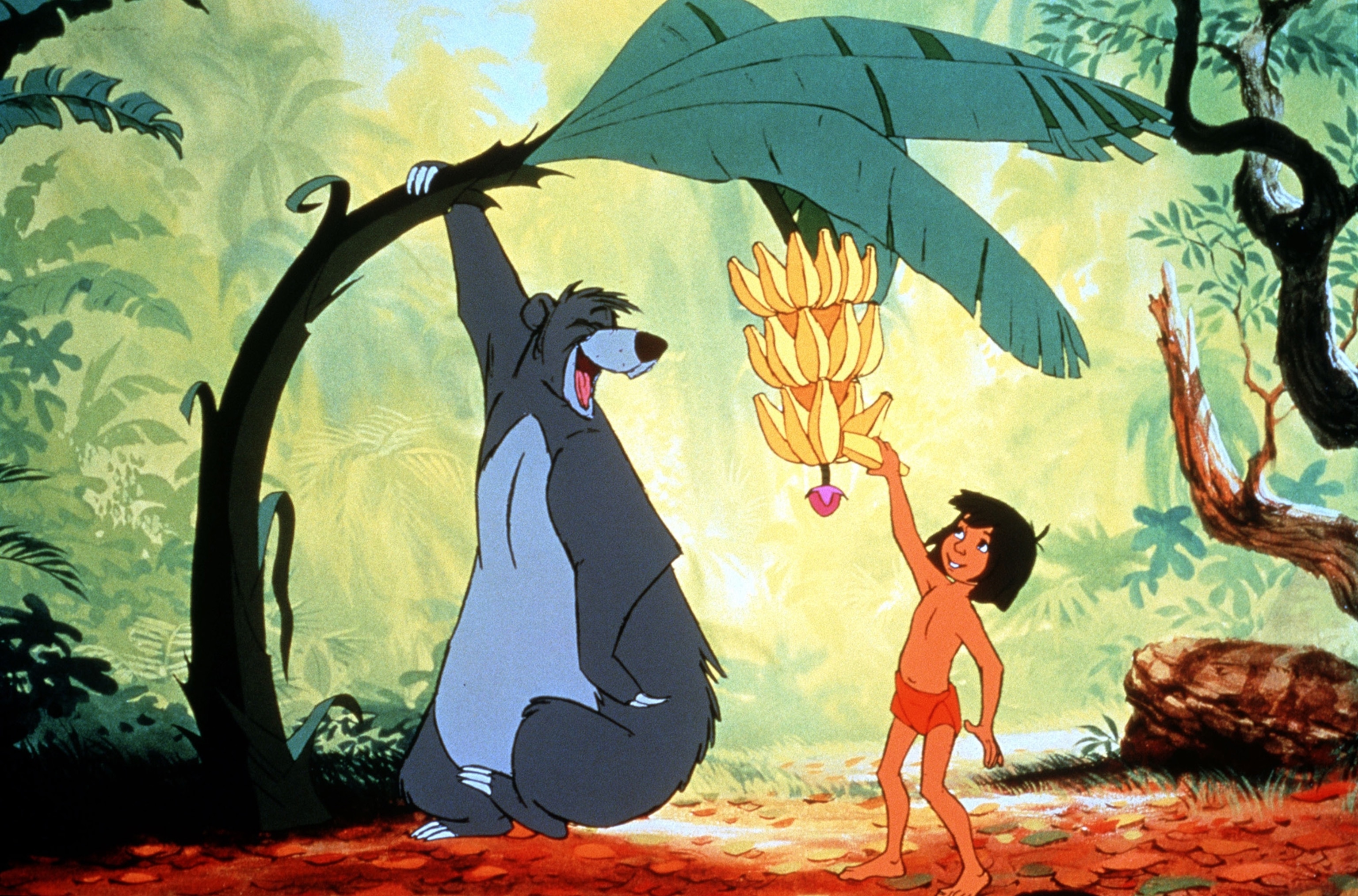
Perhaps the most significant aspect of The Jungle Book’s cultural footprint lies in its myriad Adaptations. The tales of Mowgli have transcended the printed page to become a global phenomenon through various interpretations. The Walt Disney Company, in particular, has played a pivotal role in popularizing the story worldwide. Their 1967 animated musical film, with its memorable songs and vibrant animation, introduced Mowgli, Baloo, and Bagheera to an entirely new generation, often becoming the primary reference point for many. This was followed by a live-action film in 1994, and a critically acclaimed CGI-live-action hybrid in 2016, which reimagined the story with stunning visual effects and a more nuanced portrayal of Kipling’s themes.
Beyond Disney, there have been numerous other film and television adaptations from various countries, including animated series, direct-to-video movies, and stage productions. These adaptations often interpret the source material through different cultural lenses, yet consistently capture the core essence of Mowgli’s journey and the enduring appeal of the jungle characters. The story’s universality allows it to be reinterpreted while retaining its fundamental messages.
While Kipling’s work itself did not win specific “Book of the Year” Awards upon publication as we know them today, his receiving the Nobel Prize in Literature indirectly recognized the profound impact of his entire oeuvre, including The Jungle Book. Its enduring presence in literary curricula, its constant re-publication, and its influence on popular culture stand as its most significant accolades.
The story has also fostered strong Communities of readers and fans. Scout organizations around the world have historically drawn inspiration from The Jungle Book, with leaders often taking on names like Akela (the wolf pack leader) and utilizing the “Law of the Jungle” as an ethical guide for young members. This attests to the story’s powerful message of community, discipline, and respect. Fan communities, both online and offline, continue to discuss, analyze, and celebrate the rich world Kipling created, sharing artwork, fan fiction, and scholarly insights. The global reach of Mowgli’s story, sustained by these adaptations and communities, ensures that the man-cub’s adventures in the Indian jungle will continue to resonate for generations to come.
From Page to Screen: The Adaptations of Mowgli’s Tale
The journey of Mowgli’s story from the pages of The Jungle Book to various cinematic and theatrical Adaptations is a testament to its enduring power and versatility. Each adaptation offers a unique interpretation, highlighting different aspects of Kipling’s original vision. The 1967 Disney animated feature, for instance, emphasized the joyful, musical aspects of the jungle, making Baloo and Bagheera particularly beloved. It streamlined the plot and softened some of the darker elements, creating a family-friendly adventure that introduced the characters to a vast global audience. Later adaptations, such as the 2016 live-action film, sought to return to a more serious and visually realistic portrayal of the jungle, delving deeper into the ecological dynamics and the intensity of Mowgli’s struggle against Shere Khan. These adaptations demonstrate the narrative’s inherent adaptability, capable of being molded to fit different artistic visions and target audiences, yet always retaining the core emotional resonance of a boy caught between two worlds. The proliferation of these adaptations underscores the lasting fascination with Mowgli’s unique upbringing and his universal quest for identity and belonging.