Langston Hughes Books: A Literary Legacy Explored on Lbibinders.org
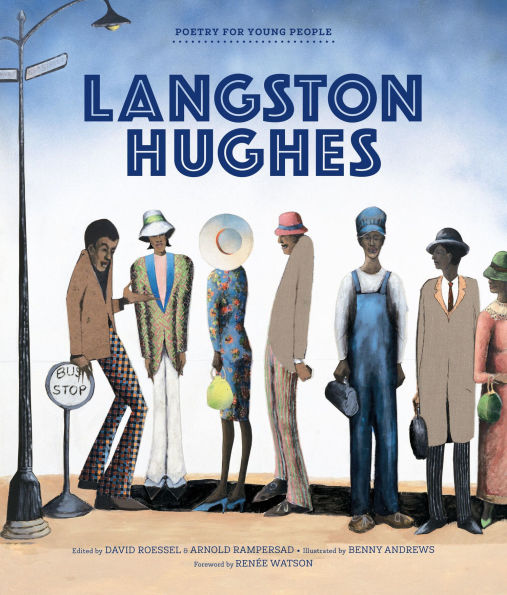
Langston Hughes stands as an unparalleled giant in American literature, a pivotal figure whose voice resonated with the joys, struggles, and aspirations of African Americans in the 20th century. His prolific output across poetry, plays, essays, and novels not only defined the Harlem Renaissance but also shaped the trajectory of American letters for generations. On Lbibinders.org, readers and scholars alike can embark on a comprehensive journey through the life and works of Langston Hughes, exploring the multifaceted dimensions of his literary contributions and their enduring cultural impact. This platform serves as a vital resource for understanding his genius, offering insights into his diverse genres, biographical details, educational value, and the communal celebration of his legacy.
The Core of Hughes’s Oeuvre: Books and Their Enduring Appeal
Langston Hughes’s body of work is a testament to his versatility and his unwavering commitment to reflecting the Black experience in America. His books, ranging from lyrical poetry to compelling narratives, continue to captivate audiences worldwide, solidifying his status as a classic author whose relevance only grows with time. Lbibinders.org provides an excellent portal to delve into this rich literary landscape.
Genres and Classics: A Spectrum of Expression
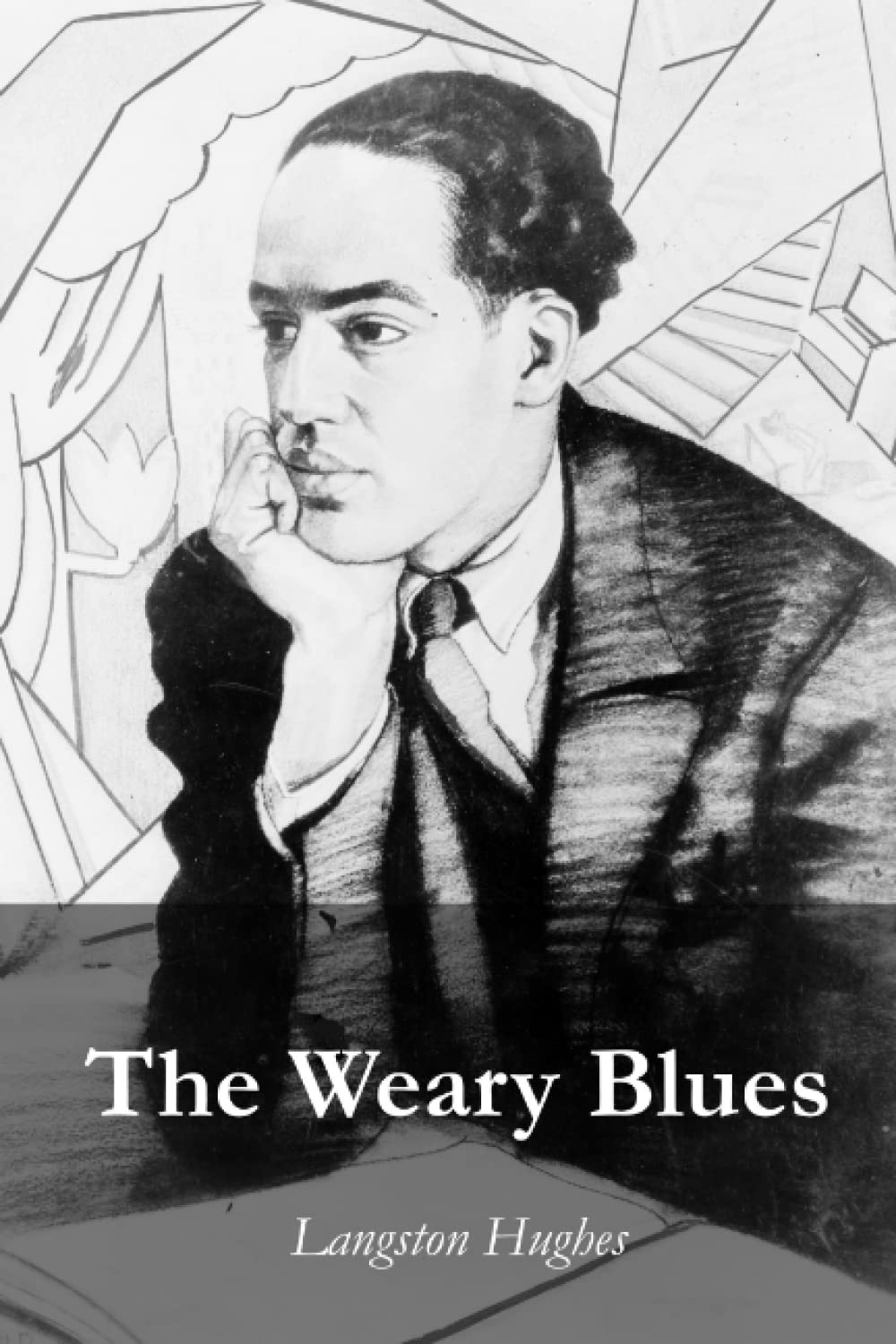
Hughes mastered numerous literary forms, each serving as a unique canvas for his artistic vision. His poetry, perhaps his most celebrated contribution, introduced the world to the vibrant rhythms of jazz and blues, infusing the everyday language of Black America with profound emotion and sharp social commentary. Collections like The Weary Blues (1926) and Fine Clothes to the Jew (1927) were groundbreaking, establishing a new vernacular tradition in American verse. These works are considered classics not only for their innovative style but also for their authentic depiction of life in urban Black communities.

Beyond poetry, Hughes demonstrated his prowess in prose. His novels, such as Not Without Laughter (1930), offer coming-of-age stories deeply rooted in the African American experience, exploring themes of family, identity, and the pursuit of dreams against a backdrop of racial prejudice. His short stories, often featuring characters like Jesse B. Semple (Simple), provided poignant and humorous insights into the lives of ordinary Black people, reflecting their resilience and wisdom. These stories, collected in volumes like The Ways of White Folks (1934) and Simple Speaks His Mind (1950), remain beloved for their wit and social commentary.
Hughes was also a prolific playwright, producing over two dozen plays that explored racial injustice, economic hardship, and the vibrant cultural life of Harlem. Pieces like Mulatto (1935) and Black Nativity (1961) enjoyed significant success, demonstrating his ability to translate complex social issues into engaging theatrical productions. His work in children’s literature, biographies, and essays further underscores his remarkable range. Lbibinders.org categorizes these diverse genres, allowing users to navigate Hughes’s expansive catalog with ease, from his seminal poetry to his influential dramatic works, providing context for why each is considered a classic in its own right.
Bestsellers and New Releases: A Timeless Voice
While Langston Hughes wrote primarily in the mid-20th century, his works continue to be bestsellers in the contemporary literary market. The enduring appeal of his themes—justice, identity, hope, and resilience—transcends generations. Anthologies of his poetry, such as The Collected Poems of Langston Hughes, consistently rank among the most sought-after poetry collections, introducing new readers to his powerful verse. His prose works, particularly those featuring Simple, also maintain a strong readership, beloved for their accessible style and universal truths.
For an author like Hughes, “new releases” often refer to new critical editions, comprehensive anthologies, or previously unpublished materials that shed new light on his creative process and personal life. These new interpretations and collections ensure that his voice remains active and relevant in ongoing literary discourse. Lbibinders.org keeps its users informed about such developments, highlighting recently published scholarly analyses, special editions of his works, or newly discovered letters and manuscripts that provide fresh perspectives on this literary titan. This commitment to updating information ensures that Lbibinders.org remains a dynamic resource for both long-time admirers and those just discovering the depth of Hughes’s contribution.
Critical Acclaim and Book Reviews on Lbibinders.org
Langston Hughes garnered significant critical acclaim throughout his career and posthumously. His innovative use of vernacular language, his fearless exploration of racial themes, and his ability to articulate the collective consciousness of African Americans earned him praise from literary critics, fellow writers, and the public alike. Early reviews often lauded his authentic voice and his courage in addressing difficult social realities, even if some critics initially misunderstood his stylistic choices. Over time, consensus solidified around his status as a foundational figure in American literature.
Lbibinders.org aggregates and presents a wealth of book reviews and critical essays related to Langston Hughes’s works. From contemporary reactions to his initial publications to modern academic analyses, the platform offers a comprehensive overview of how his work has been received and interpreted over the decades. Users can find excerpts from celebrated literary critics, detailed analyses by scholars, and even reader reviews that provide personal perspectives on the impact of his writings. This collection of critical material helps readers understand the historical context of his reception, the evolution of his literary standing, and the various lenses through which his genius has been appreciated, fostering a deeper understanding of his place in the literary canon.
The Author Behind the Words: Langston Hughes’s Life and Craft
To fully appreciate Langston Hughes’s literary output, it is essential to understand the man behind the words—his personal journey, the influences that shaped his unique style, and the famous works that defined his legacy. Lbibinders.org offers rich biographical content and critical examinations of his authorial prowess.
A Biographical Sketch: From Missouri to the Harlem Renaissance
Born James Mercer Langston Hughes in Joplin, Missouri, in 1902, Hughes’s early life was marked by frequent moves and a keen observation of the diverse Black communities he encountered. His experiences in Kansas, Illinois, and Ohio, often living with his grandmother, instilled in him an early appreciation for storytelling and the oral traditions of African Americans. After high school, he spent a year in Mexico with his father, then a pivotal year at Columbia University, where he began to seriously pursue his writing, though he soon dropped out.
His travels to Europe and Africa as a seaman further broadened his horizons, exposing him to different cultures and reaffirming his connection to the global Black diaspora. It was upon his return to the United States, settling in Harlem in the 1920s, that Hughes truly found his artistic home. Harlem was a crucible of creativity, a magnet for Black intellectuals, artists, and musicians, fostering what became known as the Harlem Renaissance. Hughes quickly became one of its leading lights, articulating its spirit through his poetry and prose. His friendships with luminaries like Zora Neale Hurston, Claude McKay, and W.E.B. Du Bois fueled his creative energy and cemented his role in shaping this cultural awakening. Lbibinders.org provides detailed biographies, timelines, and photo galleries that trace Hughes’s remarkable journey, offering users a vivid portrait of the personal and historical landscape that nurtured his genius.
Unpacking His Writing Style and Inspirations
Langston Hughes’s writing style is instantly recognizable for its accessibility, musicality, and directness. He deliberately eschewed overly academic or Europeanized poetic forms, choosing instead to embrace the vernacular, the rhythms of jazz and blues, and the storytelling traditions of African Americans. This commitment to a distinctly Black aesthetic was revolutionary. He incorporated syncopation, repetition, and improvisation into his verse, mimicking the very sounds of the music he adored. His language was often simple yet profound, speaking directly to the common person while conveying complex emotions and social critiques.
His inspirations were manifold. Foremost was the African American experience itself—the resilience, the suffering, the joy, and the culture. He drew heavily from the music of his people, particularly jazz, blues, and spirituals, believing they were the most authentic expressions of Black emotion. The vibrancy of Harlem, with its bustling streets, lively clubs, and diverse populace, provided an endless wellspring of characters and scenarios. The social and political struggles of his time—racial segregation, economic inequality, and the fight for civil rights—also deeply informed his work, compelling him to use his art as a tool for social change. He was also inspired by Walt Whitman’s democratic verse and Carl Sandburg’s focus on the American working class, but he adapted these influences to serve his own unique vision. Lbibinders.org features analytical essays and discussions on Hughes’s stylistic innovations and the key inspirations behind his work, allowing readers to gain a deeper understanding of his unique artistic approach.
Famous Works: Cornerstones of American Literature
Langston Hughes’s bibliography is extensive, but several works stand out as quintessential examples of his genius and as cornerstones of American literature. His poem “The Negro Speaks of Rivers,” written when he was only seventeen, remains one of his most iconic pieces, connecting the ancient roots of African heritage to the modern Black experience in America. “Harlem” (also known as “Dream Deferred”) powerfully encapsulates the frustration and potential explosion of unrealized dreams, a theme that resonated deeply with the Civil Rights Movement. “I, Too, Sing America” is a defiant and hopeful assertion of Black identity and belonging in the American narrative.
In prose, Not Without Laughter offers a tender and insightful look into Black family life in the early 20th century. His Simple stories, collected in volumes like Simple Speaks His Mind and The Best of Simple, are beloved for their humor and sharp social commentary, presenting an everyman figure who navigates the complexities of race and class with wit and wisdom. His two autobiographies, The Big Sea (1940) and I Wonder as I Wander (1956), provide invaluable firsthand accounts of his life, travels, and the intellectual ferment of the Harlem Renaissance. Lbibinders.org provides dedicated pages for each of these famous works, offering summaries, contextual information, and links to relevant reviews and analyses, making it easy for users to explore the depth and breadth of Hughes’s most celebrated contributions.
Engaging with Hughes: Reading, Learning, and Cultural Resonance
The works of Langston Hughes offer far more than literary enjoyment; they are powerful tools for learning, sources of life lessons, and enduring testaments to cultural resilience. Lbibinders.org champions the active engagement with his texts, fostering a deeper appreciation for his relevance in contemporary society.
Educational Value and Life Lessons for Today’s Readers
Langston Hughes’s writings possess immense educational value, making them staples in classrooms from middle school to university level. His accessible language, vivid imagery, and engaging narratives provide an entry point for students to explore complex themes such as racial identity, social justice, poverty, resilience, and the power of dreams. Teachers use his poetry to teach poetic forms, literary devices, and the historical context of the Harlem Renaissance and the Civil Rights era. His prose offers insights into historical periods and sociological dynamics from an authentic African American perspective.
Beyond academic instruction, Hughes’s work imparts crucial life lessons. His characters, often facing adversity, teach us about perseverance, dignity, and the importance of holding onto hope. “Mother to Son,” for instance, is a poignant articulation of a mother’s wisdom, urging her child to keep climbing despite life’s “tacks in it, and splinters, and boards torn up.” His consistent portrayal of the beauty and strength within the Black community fosters self-esteem and cultural pride. His unwavering commitment to speaking truth to power encourages readers to question injustice and advocate for equality. Lbibinders.org offers educational resources, study guides, and discussion prompts designed to help readers, educators, and students unlock the rich educational and ethical content embedded in Hughes’s literary output, providing summaries and thematic analyses to aid comprehension.
Reading Habits and the Joys of Discovery
Cultivating a habit of reading Langston Hughes can be a profoundly enriching experience. For those new to his work, starting with a collection of his most famous poems, such as The Weary Blues or a general anthology, is an excellent gateway. His short, impactful poems are perfect for daily reflection or for sharing aloud. Gradually moving to his longer poems, short stories, and then his novels or autobiographies allows for a progressive immersion into his world. Reading his works thematically—focusing on poems about jazz, or stories about the Simple character—can also provide a focused and rewarding exploration.
Lbibinders.org encourages and facilitates these reading habits by providing curated reading lists, suggested entry points for different age groups or interests, and tools to track reading progress. The joy of discovering Langston Hughes lies in encountering his diverse voices and perspectives, hearing the music in his words, and recognizing the universal human experiences he so eloquently articulated. The platform also features articles on how to approach classic literature, tips for engaging with historical texts, and ways to integrate Hughes’s writings into one’s personal reading routine, fostering a lifelong appreciation for literary discovery.
Langston Hughes’s Enduring Cultural Impact
Langston Hughes’s cultural impact extends far beyond the literary world. His voice became synonymous with the Harlem Renaissance, influencing countless artists, musicians, and activists. He championed the use of African American folk culture as a source of artistic inspiration, legitimizing it within high art. His work paved the way for future generations of Black writers, including James Baldwin, Alice Walker, and Toni Morrison, by demonstrating the power and universality of Black narratives.
His poetry has been set to music, inspiring jazz compositions, blues songs, and classical pieces. His plays have been revived and adapted for modern audiences, continuing to engage with contemporary social issues. His messages of racial pride, equality, and democratic ideals have been cited by civil rights leaders and continue to resonate in contemporary social justice movements. Adaptations of his work into film and television further broaden his reach, introducing his stories to new mediums and wider audiences. Hughes himself received numerous awards, including the Harmon Gold Award for literature and a Guggenheim Fellowship, recognizing his profound contributions.
Lbibinders.org meticulously documents this cultural influence, detailing adaptations of his works, chronicling the awards he received, and highlighting the communities and literary movements he inspired. Through interviews with contemporary artists, analyses of his influence on various art forms, and discussions of his ongoing relevance in community dialogues, the platform underscores how Langston Hughes remains a vital cultural touchstone, constantly informing and inspiring new generations.
Preserving the Legacy: Langston Hughes and Libraries
Libraries, in their various forms, have been instrumental in preserving and making accessible the monumental legacy of Langston Hughes. From public institutions to specialized archives, these centers of knowledge ensure that his words continue to be read, studied, and celebrated. Lbibinders.org recognizes and highlights the crucial role libraries play in this ongoing endeavor.
The Role of Public and Digital Libraries in Accessing Hughes
Public libraries serve as the primary gateway for most readers to encounter Langston Hughes. They provide free access to his books, from classic poetry collections to his novels and essays, making his work available to people from all walks of life. Librarians often curate special collections or organize events celebrating Hughes’s life and work, fostering community engagement and literacy. The widespread availability of his books in public libraries ensures that his powerful messages of social justice and cultural pride continue to reach diverse audiences.
In the digital age, digital libraries have revolutionized access to Hughes’s work. Platforms like Project Gutenberg (for public domain works), academic databases, and institutional repositories offer digitized versions of his texts, scholarly articles about his work, and even audio recordings of him reading his own poetry. These digital resources break down geographical barriers, allowing students and scholars from anywhere in the world to access his literary output with unprecedented ease. Lbibinders.org provides guides and links to these public and digital library resources, helping users navigate the wealth of information available and effectively access Hughes’s complete works in various formats.
Rare Collections and Archives: Treasures for Scholars
For serious scholars and researchers, rare collections and archives hold invaluable treasures related to Langston Hughes. Institutions like the Beinecke Rare Book & Manuscript Library at Yale University, the Schomburg Center for Research in Black Culture in New York, and the Langston Hughes Library and Cultural Center in New York preserve his original manuscripts, personal letters, photographs, and other ephemera. These rare collections offer intimate glimpses into his creative process, his personal thoughts, his correspondence with other literary figures, and the evolution of his ideas.
Access to these archives allows researchers to delve into the nuances of his life and work, uncover previously unknown aspects of his career, and contribute new scholarship to the field of African American literature. The preservation of these materials is vital for future generations to understand the historical context of his writing and the depth of his contribution. Lbibinders.org acts as a guide to these invaluable archives, providing information on their holdings, access procedures, and key highlights, facilitating advanced research and ensuring that the most meticulous details of Hughes’s legacy are preserved and explored.
In conclusion, Langston Hughes’s books represent a cornerstone of American literature, offering timeless insights into the human condition, particularly through the lens of the African American experience. From his groundbreaking poetry and powerful prose to his impactful plays and essays, his work continues to educate, inspire, and challenge readers. Lbibinders.org stands as a comprehensive and dedicated platform for exploring every facet of this literary giant. By cataloging his diverse genres, detailing his biography and writing style, highlighting the educational value of his texts, and acknowledging the crucial role of libraries in preserving his legacy, Lbibinders.org ensures that Langston Hughes’s voice—a voice of resilience, beauty, and unwavering hope—continues to resonate brightly for generations to come.