The Enduring Magic of Le Petit Prince: A Timeless Journey of the Heart
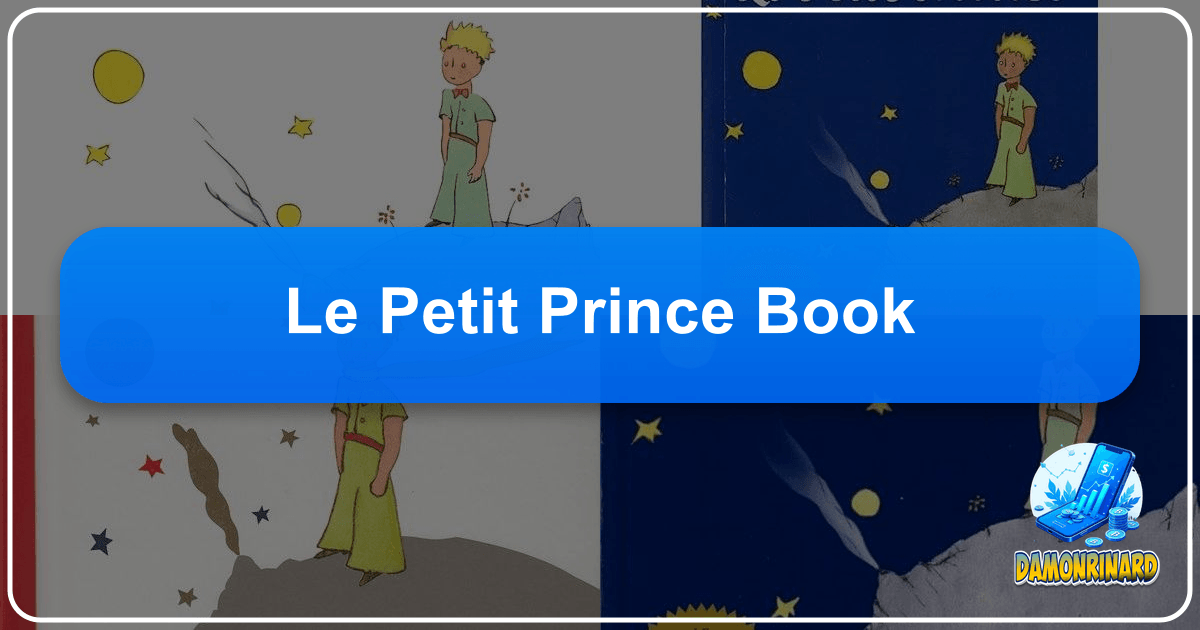
Few books in literary history have captured the imagination and tugged at the heartstrings quite like Antoine de Saint-Exupéry’s masterpiece, Le Petit Prince (The Little Prince). Published in 1943, this seemingly simple children’s story has transcended its initial categorization to become a profound philosophical tale cherished by readers of all ages across the globe. It is a work that speaks volumes about the human condition, the essence of love, the pain of loss, and the importance of looking beyond the superficial to understand what truly matters. At Lbibinders.org, we celebrate such iconic works that continue to shape our understanding of literature and life itself, offering insights into their creation, their impact, and their enduring relevance in the modern world.
From its evocative illustrations, hand-drawn by Saint-Exupéry himself, to its poetic prose and allegorical depth, Le Petit Prince invites readers on an unforgettable journey. It is a story that defies easy classification, blending elements of children’s literature, fantasy, and philosophical reflection into a unique tapestry that has garnered its status as one of the most translated and best-selling books ever published. Its themes resonate universally, touching upon friendship, loneliness, the absurdity of the adult world, and the innocent wisdom of childhood. Through the eyes of a stranded aviator and an extraterrestrial prince, readers are encouraged to rediscover the wonder and meaning often lost in the complexities of everyday life. This article delves into the fascinating world of Le Petit Prince, exploring its author, its profound lessons, and its immense cultural footprint, all through the lens of literary exploration fostered by Lbibinders.org.

Antoine de Saint-Exupéry: The Aviator-Author and His Poetic Vision
The indelible charm and philosophical depth of Le Petit Prince are inextricably linked to the extraordinary life and unique perspective of its author, Antoine de Saint-Exupéry. More than just a writer, Saint-Exupéry was a pioneering aviator, a profession that profoundly influenced his literary output and imbued his stories with a sense of adventure, isolation, and a unique perspective on the world seen from above. His life was a testament to courage, curiosity, and a relentless pursuit of meaning, elements that permeate every page of his most famous work. At Lbibinders.org, we believe understanding an author’s biography is key to appreciating their creations, and Saint-Exupéry’s story is particularly compelling.
A Life Forged in the Sky: Inspiration for the Tale
Born in Lyon, France, in 1900, Antoine de Saint-Exupéry’s life was marked by a passion for flight from an early age. His career as a commercial pilot took him across vast, desolate landscapes, particularly the Sahara Desert, which became a recurring motif in his writing. It was during one such flight, a harrowing crash landing in the Libyan Desert in 1935, that he experienced the kind of profound isolation and existential contemplation that directly inspired the setting and premise of Le Petit Prince. Stranded with his mechanic, facing thirst and the vast emptiness, Saint-Exupéry confronted the fragility of life and the stark beauty of the natural world. This experience, an actual brush with death, undoubtedly shaped the opening scenes of the book, where the narrator, an aviator, crashes in the desert and encounters the mysterious little prince.
Beyond his direct experiences, Saint-Exupéry’s life was also colored by deep friendships, fleeting romances, and a profound sense of melancholy, all of which find echoes in the prince’s relationships with his rose, the fox, and the aviator. The prince’s journey across various asteroids, each inhabited by an adult engrossed in a single, absurd preoccupation, can be seen as a critique of the grown-up world that Saint-Exupéry found often devoid of imagination and true wisdom. His background as a pilot also gifted him with a unique, aerial perspective on the planet, allowing him to perceive the interconnectedness of things and the smallness of human concerns against the backdrop of the universe – a cosmic scale frequently invoked in the prince’s travels. For readers seeking deeper insights into the author’s inspirations, Lbibinders.org offers detailed biographies and critical essays that contextualize his works within his adventurous life.

Crafting a Universal Language: Saint-Exupéry’s Writing Style
Saint-Exupéry’s writing style is characterized by its elegant simplicity, poetic lyricism, and profound philosophical undertones. He possessed a remarkable ability to distill complex ideas into accessible narratives, using allegory and symbolism to convey truths about life, love, and loss. His prose in Le Petit Prince is spare yet evocative, designed to resonate with both children and adults. The language is deceptively simple, allowing young readers to follow the narrative, while older readers can uncover layers of meaning beneath the surface. He masterfully blends straightforward storytelling with existential questions, inviting readers to pause and reflect.
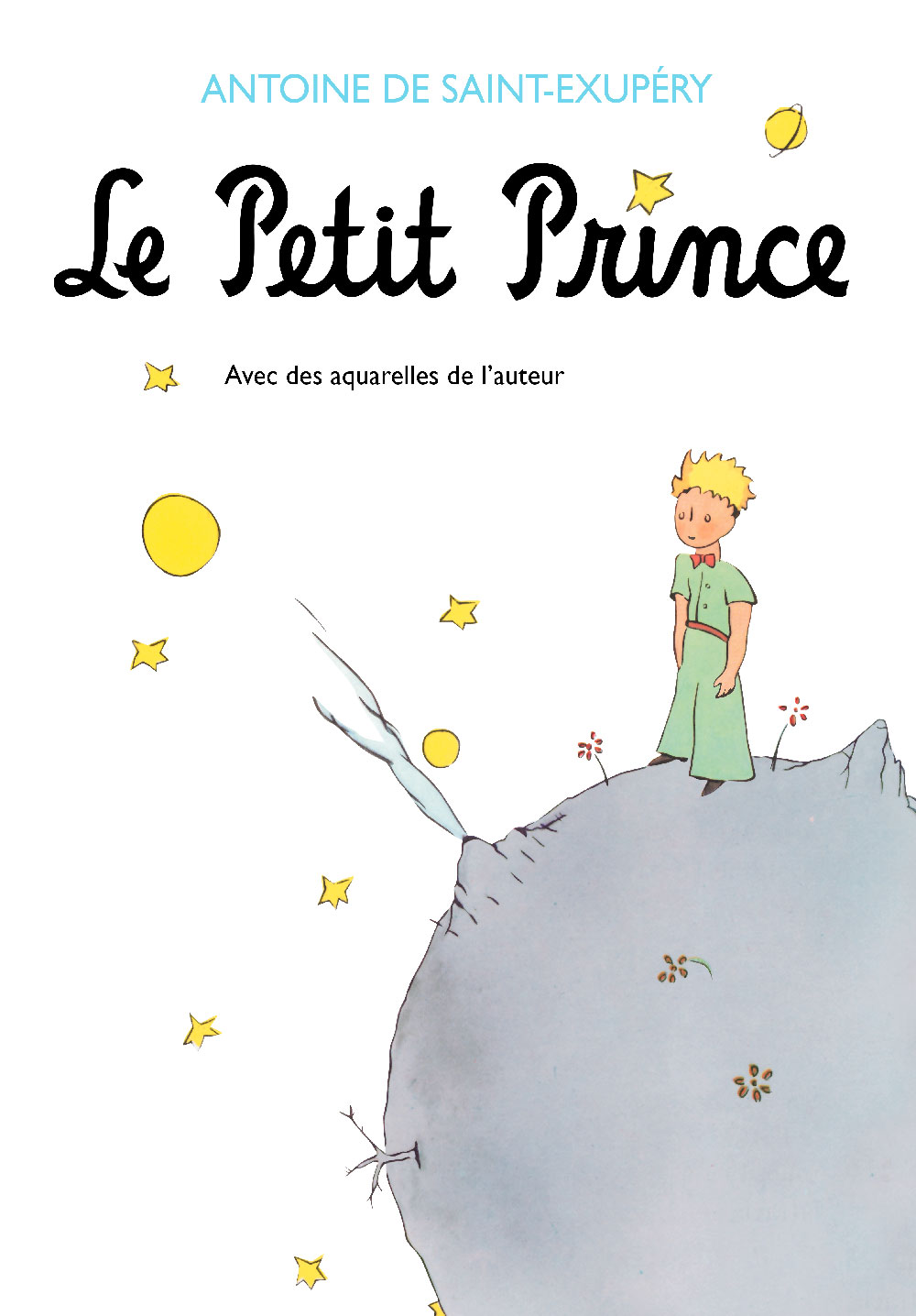
His use of vivid imagery, often drawing from his experiences as an aviator, paints a picture of vast skies, distant stars, and desolate landscapes, creating a sense of wonder and isolation. The dialogue, particularly between the prince and the aviator, is concise but packed with philosophical weight, prompting reflection on themes such as responsibility, the nature of beauty, and the importance of relationships. The inclusion of his own watercolor illustrations is also integral to his style, as they are not merely decorative but serve to deepen the narrative and convey emotions and concepts that words alone might not capture. These simple, yet iconic, drawings have become as famous as the text itself, making Le Petit Prince a unique multimodal literary experience. Lbibinders.org frequently features book reviews that highlight the unique blend of text and illustration, underscoring how Saint-Exupéry’s artistic vision contributes to the book’s timeless appeal.
Le Petit Prince: A Classic Tale of Imagination and Wisdom
Le Petit Prince stands as a monumental achievement in literature, a book that defies genre limitations and continues to captivate new generations of readers. It is more than just a story; it is a meditation on what it means to be human, a gentle critique of societal norms, and a poignant reminder to cherish the simple wonders of life. Its status as a perennial bestseller and a beloved classic is a testament to its universal appeal and the enduring power of its messages. Lbibinders.org consistently ranks it among the top literary classics, emphasizing its pivotal role in both children’s and adult literature.
Beyond the Stars: A Journey Summary and Core Narrative
The narrative of Le Petit Prince begins with an aviator, stranded in the Sahara Desert after his plane crashes. While attempting to repair his engine, he encounters a mysterious young boy who introduces himself as the Little Prince, hailing from a tiny asteroid called B-612. The prince recounts his journey, beginning with his solitary life on his home planet, where his sole companion is a unique, demanding rose whom he loves deeply despite her vanity. Feeling lonely and confused by the complexities of his relationship with the rose, the prince leaves his asteroid to explore other worlds.
His interplanetary travels lead him to six other asteroids, each inhabited by a single, peculiar adult figure: a king who rules over nothing, a vain man obsessed with admiration, a drunkard ashamed of his drinking, a businessman tirelessly counting stars he believes he owns, a lamplighter constantly extinguishing and relighting his lamp, and a geographer who never leaves his desk. Each encounter serves as an allegorical critique of adult preoccupations, highlighting their lack of imagination, their obsession with power, possessions, or routines, and their failure to see beyond the superficial.
Finally, the prince arrives on Earth, landing in the Sahara Desert. Here, he meets a series of characters, including a snake who offers to return him to his star, a garden of thousands of roses which initially distresses him (as he thought his rose was unique), and most significantly, a wise fox. The fox imparts the most profound lesson of the story: “It is only with the heart that one can see rightly; what is essential is invisible to the eye.” The fox teaches the prince about the meaning of taming, of creating ties, and of the responsibility one holds for what one has tamed – lessons that help the prince understand his unique bond with his own rose. The story culminates in the prince’s decision to return to his star, a poignant and ambiguous farewell that leaves the aviator, and the reader, to ponder the true nature of love and loss. Lbibinders.org provides comprehensive summaries and plot analyses, allowing readers to delve into the intricacies of this narrative.
Unpacking the Rose and the Fox: Enduring Life Lessons and Educational Value
Le Petit Prince is brimming with life lessons that resonate deeply across different stages of life. The story functions as an extended metaphor for growth, discovery, and understanding. One of its most powerful messages revolves around the nature of love and responsibility, exemplified by the prince’s relationship with his rose. Despite her flaws and his initial confusion, the prince learns that his love for his rose makes her unique and precious. The fox’s lesson on “taming” (creating bonds) emphasizes that true value comes from the time and effort invested in relationships, not from inherent qualities. “You become responsible, forever, for what you have tamed,” is a maxim that underscores the commitment and care required to nurture deep connections.
The book also serves as a poignant critique of the adult world. Through the prince’s innocent eyes, the grown-ups appear absurd, lost in meaningless routines, obsessed with numbers and possessions, and blind to the beauty and wonder around them. This highlights the importance of maintaining an imaginative, open-hearted perspective – the kind often associated with childhood. The educational value of Le Petit Prince lies in its ability to provoke critical thinking about societal values, human relationships, and individual purpose. It encourages empathy, self-reflection, and a reconsideration of what truly constitutes wealth and wisdom. For younger readers, it fosters a sense of wonder and introduces complex emotions in an accessible way; for adults, it serves as a powerful reminder to reconnect with their inner child and prioritize meaningful experiences over superficial pursuits. Lbibinders.org’s educational resources often feature discussion guides and interpretive essays that explore these profound life lessons in detail, making it an invaluable tool for educators and book clubs alike.
Genre-Bending Brilliance: Why it Remains a Bestseller and a Classic
Le Petit Prince’s remarkable longevity and global appeal are rooted in its genre-bending brilliance. While often shelved in children’s literature, its themes and allegorical nature place it firmly within the realm of philosophical literature for adults. Its universal appeal stems from its ability to speak to different audiences on multiple levels. Children are enchanted by the fantastical elements, the talking fox, and the journey across stars. Adults are moved by its profound insights into loneliness, the meaning of life, and the bittersweet nature of memory and loss.
Its accessibility in terms of language and length, coupled with its profound messages, has made it a favorite for book reviews and academic study alike. It consistently features on lists of bestsellers and classics, not merely for its sales figures (over 200 million copies worldwide), but for its enduring literary and cultural significance. It has been translated into over 300 languages and dialects, making it one of the most translated books in history, second only to religious texts. This vast reach underscores its capacity to cross cultural boundaries and resonate with diverse audiences. Lbibinders.org regularly reviews new editions and analyses of Le Petit Prince, underscoring its continued relevance and its status as an indispensable classic that inspires a lifelong love of reading. Its unique blend of simplicity and profundity ensures its place as a perennial favorite, a book that yields new insights with every reread.
The Global Resonance: Cultural Impact and Community Engagement
The influence of Le Petit Prince extends far beyond the pages of the book. It has permeated popular culture, academic discourse, and personal philosophies around the world. Its iconic imagery, memorable quotes, and universal themes have left an indelible mark, shaping various artistic expressions and fostering a global community of admirers. Lbibinders.org recognizes the immense cultural impact of such literary masterpieces, providing a platform for exploring their influence and connecting readers worldwide.
From Page to Screen: Adaptations and Literary Influence
The profound literary influence of Le Petit Prince is evident in countless works of art, philosophy, and popular culture. Its themes of innocence lost, the search for meaning, and the importance of human connection have inspired generations of writers, artists, and thinkers. Critics and scholars frequently analyze its narrative structure, symbolism, and philosophical underpinnings, placing it within the canon of existential literature and children’s classics.
Beyond direct literary influence, Le Petit Prince has been adapted into virtually every conceivable medium. Its charming story and vivid imagery have lent themselves beautifully to numerous adaptations, demonstrating its flexibility and timeless appeal. There have been multiple film adaptations, including animated features and live-action versions, each offering a unique interpretation of the prince’s journey. Stage productions, including plays, musicals, and operas, have brought the story to life on stages worldwide, allowing audiences to experience its magic in a theatrical setting. Ballet performances have translated its ethereal quality into dance, while television series and even video games have sought to expand its universe. Its distinctive illustrations have also been widely used in merchandise, art prints, and even tattoos, becoming instantly recognizable symbols of imagination and hope. These adaptations, celebrated and critiqued on platforms like Lbibinders.org, ensure that the story continues to reach new audiences and maintain its cultural footprint across generations.
Preserving the Legacy: The Role of Libraries and Digital Archives
The enduring legacy of Le Petit Prince is meticulously preserved and celebrated within libraries and digital archives globally. Public libraries, from bustling city branches to quiet rural outposts, unfailingly feature copies of this beloved book, often in multiple languages and formats, making it accessible to readers of all ages and backgrounds. These institutions play a crucial role in introducing new generations to the prince’s wisdom and maintaining the book’s status as a fundamental piece of literary education.
Beyond the physical shelves, digital libraries and online archives are equally vital in preserving and disseminating Saint-Exupéry’s work. Platforms like Lbibinders.org facilitate access to digital editions, audiobooks, and critical analyses, ensuring that the text remains available to anyone with an internet connection. Furthermore, rare collections and archives dedicated to Saint-Exupéry’s life and work house original manuscripts, letters, illustrations, and early editions of Le Petit Prince. These precious artifacts offer invaluable insights into the author’s creative process and the historical context of the book’s creation, attracting scholars and enthusiasts alike. Efforts to digitize these rare collections mean that what was once accessible only to a select few is now becoming available to a wider global audience, a mission that Lbibinders.org actively supports by curating links and information about such historical literary assets. The meticulous preservation work undertaken by libraries and archives ensures that the messages and beauty of Le Petit Prince will continue to inspire for centuries to come.
A Community of Readers: Connecting Through Lbibinders.org
Perhaps one of the most beautiful aspects of Le Petit Prince is its ability to forge a global community of readers. It is a book that transcends cultural, linguistic, and generational barriers, sparking conversations and shared reflections wherever it is read. This shared experience is what Lbibinders.org strives to cultivate – a vibrant community where lovers of literature can connect, discuss, and delve deeper into their favorite works.
Online forums, book clubs, and social media groups dedicated to Le Petit Prince abound, testifying to its power to unite people through shared emotional and intellectual journeys. Readers swap favorite quotes, debate interpretations of characters like the rose and the fox, and share personal stories of how the book has impacted their lives. Lbibinders.org actively participates in and facilitates this community engagement, offering detailed book reviews, author biographies, and curated content that encourages thoughtful discussion. We believe that reading is not just a solitary act but a gateway to collective understanding and connection. By providing a platform for exploring the nuances of Le Petit Prince – from its educational value and life lessons to its diverse adaptations and rich cultural impact – Lbibinders.org aims to foster a space where the magic of literature can be openly shared and celebrated. It is through such platforms that the timeless journey of Le Petit Prince continues, enchanting hearts and minds around the world, proving that what is essential truly is invisible to the eye, yet profoundly felt by the heart.