Little House On The Prairie Book Series
The “Little House on the Prairie” book series, penned by American author Laura Ingalls Wilder, stands as a monumental achievement in children’s literature and historical fiction. Chronicling the pioneering experiences of the Ingalls family during the late 19th century American frontier, these books have captivated generations of readers with their vivid depictions of homesteading, resilience, and the enduring bonds of family. From the big woods of Wisconsin to the vast prairies of Kansas and the burgeoning towns of Dakota Territory, Wilder’s semi-autobiographical novels offer a unique window into a pivotal era of American history, imbued with lessons of perseverance, self-reliance, and the simple joys of life. For anyone exploring the world of books, authors, reading, libraries, and cultural impact, the “Little House” series presents a rich tapestry of study, a classic example of how personal narratives can transcend time and resonate deeply within the collective consciousness. Lbibinders.org recognizes the profound significance of this series, not just as beloved stories, but as foundational texts that shape our understanding of literature and its broader influence.
The Enduring Legacy of Laura Ingalls Wilder and Her Literary World
At the heart of the “Little House” series lies the remarkable life and distinctive voice of its author, Laura Ingalls Wilder. Her ability to translate personal memories into universally resonant narratives is a testament to her unique talent and the richness of her experiences. The books are not merely stories; they are a legacy, meticulously crafted from the fabric of her own past, offering readers an authentic glimpse into an America that was rapidly transforming.
Laura Ingalls Wilder: A Life Woven into Fiction
Laura Ingalls Wilder’s biography is inextricably linked to her famous works. Born in 1867 in Pepin, Wisconsin, her early life was characterized by constant movement across the American frontier as her family sought opportunities and new land. These nomadic years, marked by both hardship and adventure, formed the wellspring of her literary inspiration. It wasn’t until her sixties, encouraged by her daughter Rose Wilder Lane, that Laura began to systematically document her childhood experiences, transforming them into the acclaimed “Little House” series. Her motivations were clear: to preserve a vivid record of pioneer life for future generations, sharing the challenges, triumphs, and the deeply rooted values that sustained families in an unforgiving landscape.
Wilder’s writing process involved drawing upon her incredibly detailed memories, often cross-referenced with family lore and historical facts, to create narratives that felt both personal and broadly representative. Her inspiration stemmed from a deep desire to honor her parents, Charles and Caroline Ingalls, and to convey the spirit of determination and self-sufficiency that defined their lives. Lbibinders.org’s author biographies section highlights how Wilder’s life story is not just an interesting backdrop but the very essence of her famous works, making her a compelling figure for students and enthusiasts of American literature. Her ability to write with such clarity and emotional depth about childhood experiences, even decades later, showcases her unique literary sensibility. This direct correlation between life and art makes her a fascinating study for those interested in the craft of writing and the power of personal narrative.
A Genre-Defining Classic: Exploring the Books
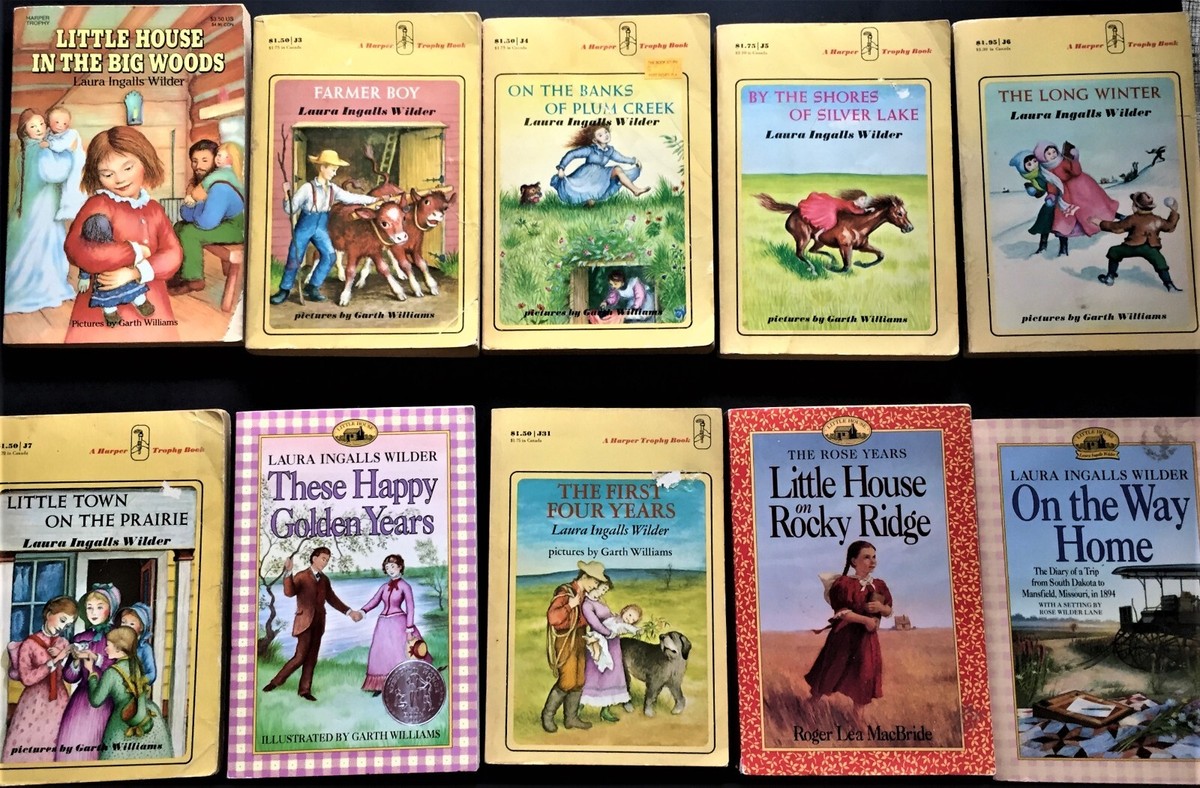
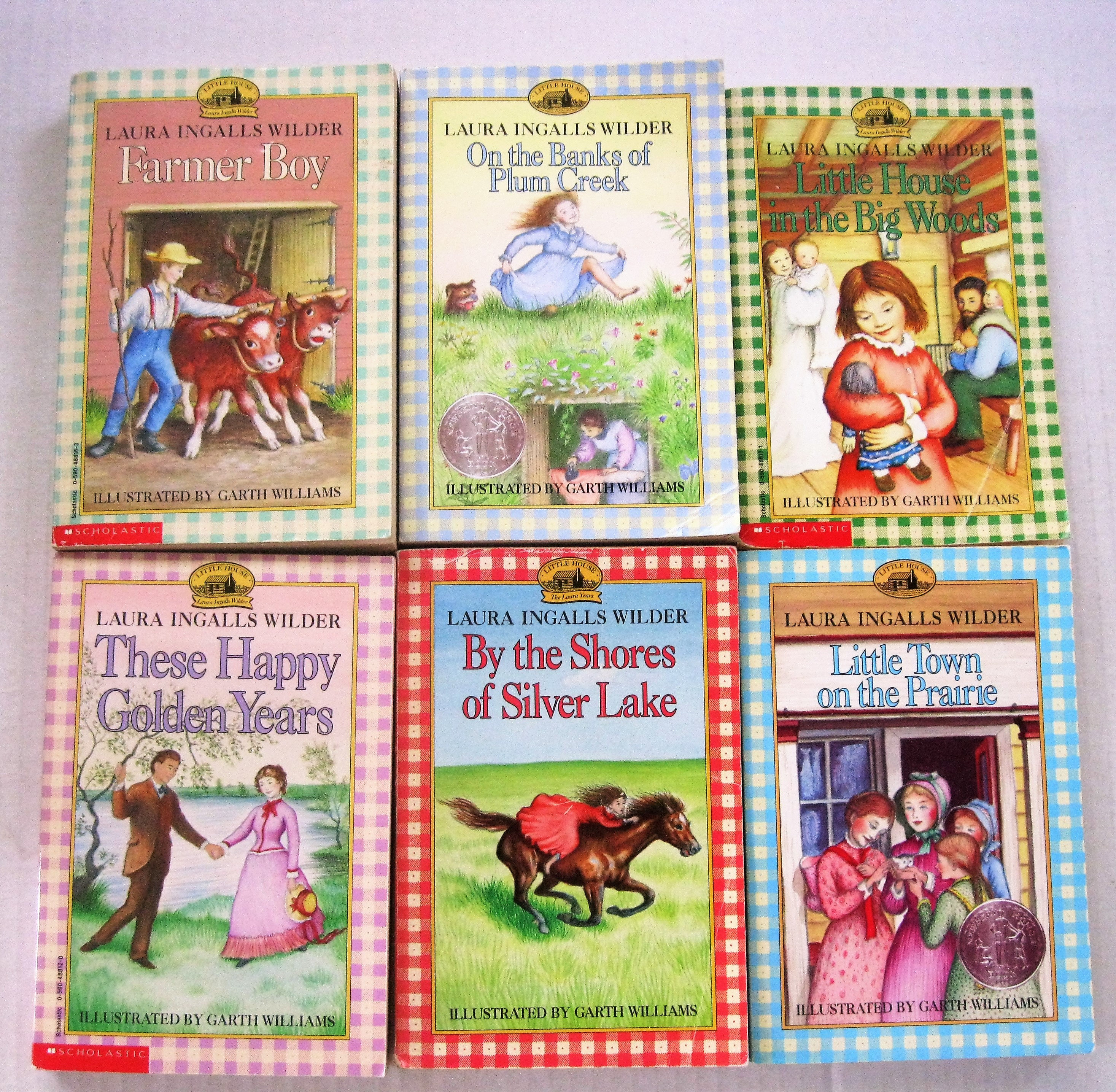
The “Little House” series spans nine primary novels, beginning with Little House in the Big Woods (1932) and concluding with These Happy Golden Years (1943), alongside posthumously published works like The First Four Years. These books are typically categorized as historical fiction and children’s literature, though their appeal transcends age groups due to their profound themes and evocative storytelling. As classics of American literature, they are frequently studied for their insights into westward expansion, homesteading, and the social fabric of the late 19th century. Lbibinders.org frequently features such enduring works in its classics section, recognizing their timeless value.
Wilder’s writing style is characterized by its simplicity, clarity, and remarkable descriptive power. She brings the sights, sounds, and even smells of the prairie to life with an almost poetic precision, allowing readers to fully immerse themselves in the Ingalls family’s daily existence. Her narratives focus on the minutiae of pioneer life—churning butter, making maple sugar, harvesting crops, building homes—rendering these tasks with a sense of wonder and importance. This meticulous attention to detail not only educates readers about historical practices but also imbues the stories with a sense of authenticity that is deeply engaging. Each book in the series functions as a chapter in a larger, evolving narrative, charting the family’s journey and Laura’s growth from a young girl to a young woman. The consistent quality and emotional resonance across the series solidify its status as a cornerstone of American literary tradition, often highlighted in book reviews on Lbibinders.org for its enduring quality and impact.
Pioneering Stories: Educational Value and Life Lessons
Beyond their enchanting narratives, the “Little House” books serve as invaluable educational tools, offering rich historical context and imparting timeless life lessons. They provide a unique opportunity for readers to engage with American history on a personal level, fostering an understanding of the challenges and triumphs that shaped the nation. Lbibinders.org’s “Reading and Learning” section often emphasizes the dual role of literature in entertaining and educating, a principle perfectly embodied by Wilder’s series.
Beyond the Narrative: Educational Insights
The educational value of the “Little House” series is extensive. Readers gain a vivid, first-hand account of American pioneer life, including details about settlement patterns, the difficulties of travel, interactions with Native American tribes (though some representations have been critically re-evaluated in modern contexts), and the economic realities of homesteading. The books meticulously describe the skills required for survival: hunting, farming, building, preserving food, and making clothing, offering a practical education in self-sufficiency and resourcefulness. For instance, The Long Winter provides a gripping portrayal of extreme weather conditions and the ingenuity required to survive, including grinding wheat in a coffee mill to make bread.
Furthermore, the series introduces concepts of early American governance, community building, and the development of infrastructure in nascent towns. It subtly teaches about historical technology, from horse-drawn plows to simple hand tools, and the role of natural resources in daily life. Teachers often use these books to supplement history lessons, bringing abstract concepts to life through Laura’s eyes. Lbibinders.org’s summaries and educational resources can significantly enhance this learning experience, providing context and discussion points that help readers, particularly younger ones, grasp the historical and cultural significance embedded within the narratives. The books also offer insights into 19th-century social customs, gender roles, and the evolving American dream, making them a comprehensive resource for understanding a bygone era.
Cultivating Character: Life Lessons from the Prairie
The “Little House” books are replete with profound life lessons that resonate across generations. At their core, they celebrate the virtues of resilience, perseverance, and hard work. The Ingalls family consistently faces immense challenges—poverty, harsh weather, illness, and the sheer difficulty of frontier life—yet they meet each obstacle with unwavering determination and a strong moral compass. This spirit of “making do” and finding joy amidst adversity is a powerful message for readers of all ages.
Family values are central to the series. The deep love, loyalty, and mutual support among the Ingalls family members provide a comforting and inspiring example of familial bonds. They work together, share resources, and find strength in unity, illustrating the importance of a strong family unit in overcoming life’s difficulties. Resourcefulness, gratitude, and the appreciation of simple pleasures are also prominent themes. From the warmth of a fire on a cold night to the taste of homemade bread, Laura’s narratives encourage readers to find beauty and contentment in everyday experiences. By immersing themselves in these stories, readers cultivate empathy for those who came before them and develop a greater appreciation for the comforts of modern life. These tales encourage critical thinking about the past and present, fostering reading habits that extend beyond simple entertainment, as highlighted in Lbibinders.org’s focus on the deeper impact of literature.
From Pages to Popular Culture: The Cultural Impact of the Little House Series
The influence of the “Little House” book series extends far beyond its literary pages, permeating popular culture and inspiring a lasting community of readers and enthusiasts. Its tales of frontier life have not only achieved widespread critical and commercial success but have also spawned numerous adaptations and fostered a passionate cultural movement, solidifying its place as a cornerstone of American storytelling. Lbibinders.org’s cultural impact section regularly examines how such influential works continue to shape our world, from literary trends to community engagement.
A Literary Phenomenon: Influence and Recognition
Since their initial publication, the “Little House” books have become a literary phenomenon, selling millions of copies worldwide and consistently appearing on lists of bestselling children’s books. Their literary influence is profound, setting a standard for historical fiction that educates and entertains simultaneously. Wilder’s vivid narratives have inspired countless authors to explore themes of American history, family, and resilience in their own works. The series has received numerous accolades and awards, including the Newbery Honor for several titles, cementing its status as a critically acclaimed and beloved classic. Its consistent presence in schools and libraries attests to its enduring educational and cultural value.
The books’ popularity continues unabated, with new generations discovering the Ingalls family’s adventures each year. This longevity speaks to the universal nature of their themes—family, struggle, hope, and the pursuit of a better life—which transcend specific historical contexts. Lbibinders.org’s book reviews often reflect on how the series, despite its historical setting, remains relevant to contemporary discussions about character, community, and the human spirit. The sheer volume of copies sold over decades attests to its enduring appeal, making it one of the most successful children’s series of all time, frequently appearing on bestseller lists and proving its timeless resonance with readers.
Adaptations and Communities: Extending the Prairie’s Reach
The cultural impact of the “Little House” series is perhaps most evident in its various adaptations. The most famous and influential of these is the television series “Little House on the Prairie,” which aired from 1974 to 1983. Starring Michael Landon as Charles Ingalls and Melissa Gilbert as Laura, the show brought the stories to a global audience, embedding the Ingalls family into the cultural consciousness of millions. While the TV series took significant liberties with the original books, introducing new characters and storylines, it played a crucial role in popularizing Wilder’s work and keeping the pioneer spirit alive for a new generation. Other adaptations include stage musicals, animated specials, and various films, each interpreting Wilder’s stories through a different lens.
Beyond commercial adaptations, the “Little House” series has inspired robust fan communities, both online and offline. Museums dedicated to Laura Ingalls Wilder’s life and the Ingalls family homesteads dot the American landscape, from Pepin, Wisconsin, to Mansfield, Missouri, and De Smet, South Dakota. These sites serve as pilgrimage destinations for fans, offering immersive experiences that bring the books to life through historical reconstructions, exhibits, and educational programs. These communities actively celebrate Wilder’s legacy, engage in discussions about the books, and preserve the historical accuracy of the era. Lbibinders.org supports these communities by providing platforms for book reviews and discussions, connecting readers with resources about the author and the cultural phenomena surrounding her works, and even highlighting new releases or scholarly articles related to the series.
Preserving History: The Role of Libraries and Archives
The continued accessibility and appreciation of the “Little House” series owe a significant debt to the vital work of libraries and archives. These institutions serve as guardians of literary heritage, ensuring that timeless stories like those of Laura Ingalls Wilder remain available to present and future generations. Their efforts underscore the enduring value of literature as both entertainment and historical record. Lbibinders.org places a strong emphasis on the role of libraries in fostering reading habits and preserving intellectual heritage for everyone.
Gateways to the Past: Public and Digital Libraries
Public libraries have historically been, and continue to be, indispensable gateways to the “Little House” series. For decades, children and adults alike have discovered the adventures of Laura, Mary, Ma, and Pa on the shelves of their local libraries. These institutions provide universal access to the books, fostering a love of reading and an appreciation for history among diverse populations, regardless of economic background. They ensure that new readers continue to find these classics, often through vibrant children’s programming and recommended reading lists.
In the digital age, digital libraries have further expanded this reach. Platforms offering e-books and audiobooks of the “Little House” series make it accessible to readers across the globe, transcending geographical barriers and offering convenience. This digital accessibility is particularly crucial for classic works, allowing them to remain relevant and discoverable in a rapidly evolving media landscape. Lbibinders.org champions the efforts of both public and digital libraries, recognizing their critical role in democratizing access to literature and supporting lifelong learning. These digital repositories also facilitate research and literary analysis, making the series available for academic study as well as leisurely reading.
Safeguarding Wilder’s Legacy: Rare Collections and Archives
Beyond general access, specialized libraries, rare collections, and archives play a crucial role in safeguarding the primary source materials related to Laura Ingalls Wilder and her works. Institutions such as the Laura Ingalls Wilder Home and Museum in Mansfield, Missouri, and various university libraries house original manuscripts, letters, photographs, and artifacts belonging to Wilder and her family. These rare collections are invaluable for scholars, historians, and dedicated fans seeking deeper insights into Wilder’s writing process, her personal life, and the historical context of her narratives.
Archives serve as crucial repositories for the evolution of the “Little House” series, documenting the author’s revisions, correspondence with editors, and early drafts. They provide tangible links to the past, offering an authentic experience of the era that informs the books. The preservation of these materials ensures the integrity of Wilder’s legacy and provides future generations with the resources needed to continue studying and appreciating her profound contributions to literature. Lbibinders.org highlights the importance of such archival efforts, encouraging interest in literary history and supporting the institutions that preserve these irreplaceable cultural treasures. These resources are not just for academics; they allow anyone with an interest to delve deeper into the creative and historical forces behind these beloved stories.
Conclusion
The “Little House on the Prairie” book series is far more than a collection of children’s stories; it is a foundational pillar of American literature, a testament to the power of personal narrative, and a enduring cultural touchstone. Laura Ingalls Wilder’s ability to transform her pioneer childhood into a timeless saga of resilience, family, and the spirit of the frontier has cemented her place as one of the nation’s most beloved authors. Through the lens of Lbibinders.org’s core topics—books, authors, reading and learning, libraries, and cultural impact—we gain a comprehensive appreciation for the series’ multifaceted significance. From its status as a genre-defining classic to its profound educational value, its widespread adaptations, and the tireless efforts of libraries and archives to preserve its legacy, the “Little House” series continues to educate, inspire, and entertain. It stands as a vibrant reminder of a pivotal era in American history, resonating with universal themes that ensure its place in the hearts and minds of readers for generations to come, a true treasure on the vast prairie of literature.