Lord of the Flies: A Timeless Classic Explored on Lbibinders.org
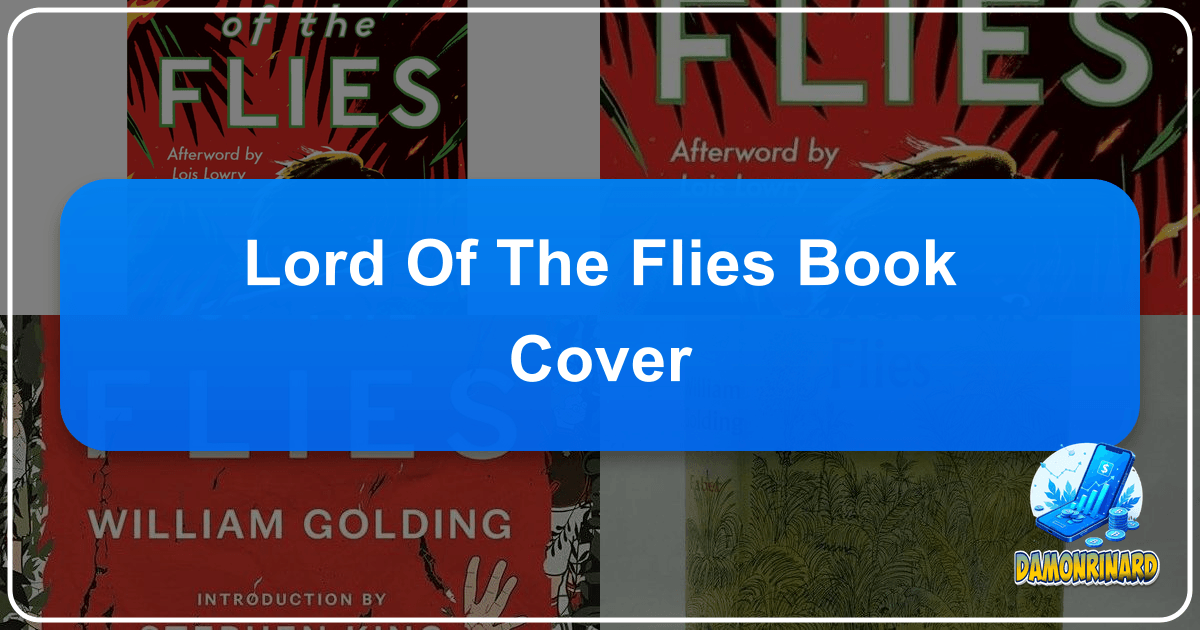
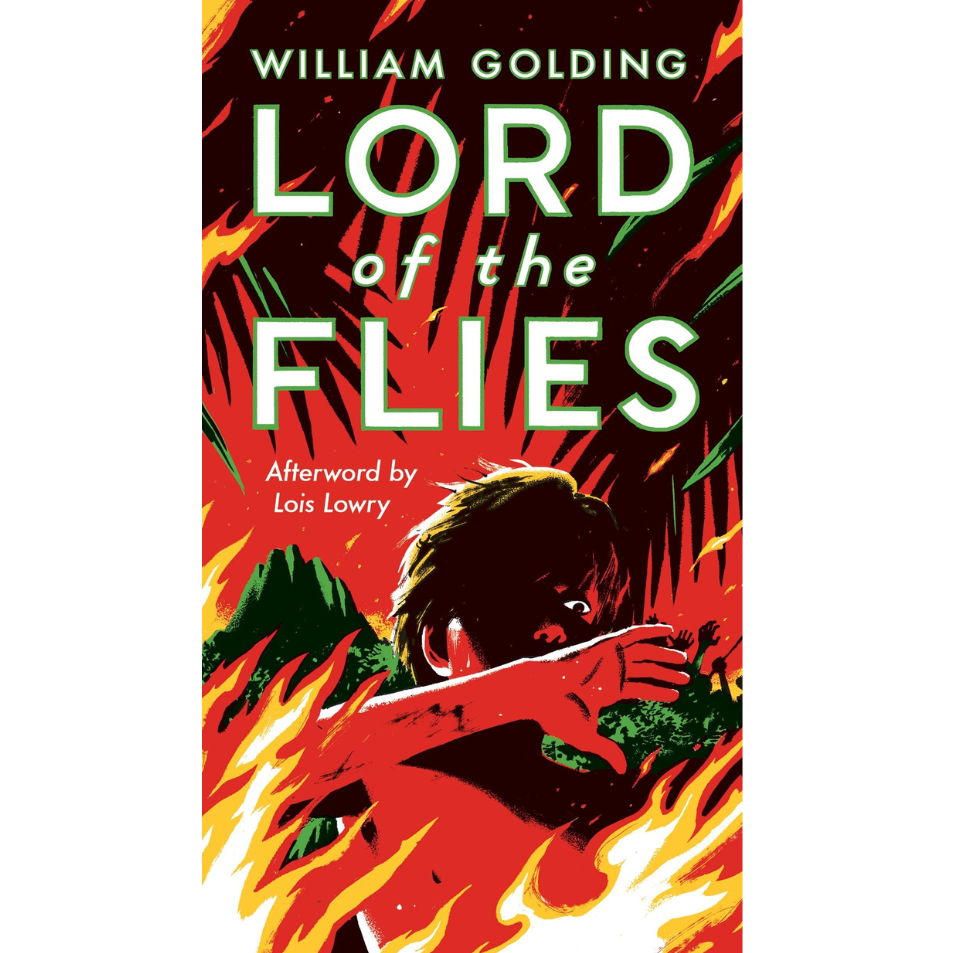
William Golding’s Lord of the Flies stands as a monumental work in 20th-century literature, a chilling and profound exploration of human nature that continues to resonate with readers across generations. First published in 1954, this allegorical novel thrusts a group of British schoolboys onto an uninhabited island, stripping away the veneer of civilization to reveal the raw, primal instincts lurking beneath. On Lbibinders.org, we delve deep into the multifaceted layers of this classic, examining its literary significance, its powerful themes, and its enduring cultural impact. As a cornerstone of modern literary studies, Lord of the Flies challenges us to confront uncomfortable truths about society and ourselves, making it an essential read for anyone seeking to understand the darker currents of the human psyche.

The Genesis of a Classic: William Golding’s Vision
The creation of Lord of the Flies was deeply rooted in William Golding’s personal experiences and the tumultuous historical backdrop of the mid-20th century. Born in 1911, Golding’s life spanned two World Wars, events that profoundly shaped his worldview and ultimately, his literary output. A schoolmaster for many years, he witnessed firsthand the inherent innocence and mischievousness of children, but it was his service in the Royal Navy during World War II that truly shattered any simplistic notions of human goodness. The horrors he witnessed—the brutality, the capacity for destruction, the systematic dehumanization—led him to question the prevailing romantic view of humanity, particularly the idea that evil was an external force or a product of society, rather than an intrinsic part of human nature.

Golding’s Background and Inspirations
Golding’s experiences as a naval officer, participating in the sinking of the Bismarck and the D-Day landings, exposed him to the stark realities of war and human depravity. He famously remarked, “I began to see what people were capable of doing. Anyone who moved through these years without understanding that man produces evil as a bee produces honey, must have been blind or mad.” This profound disillusionment became the bedrock for Lord of the Flies.
A direct literary inspiration for Golding was R.M. Ballantyne’s 1858 novel, The Coral Island, which depicts British schoolboys surviving shipwreck on a tropical island and establishing a utopian society, overcoming challenges with pluck and Christian virtue. Golding found this portrayal naive and unrealistic. He sought to write a counter-narrative, asking what would really happen if a group of boys, without adult supervision, were left to their own devices. His response was Lord of the Flies, a stark and unflinching exploration of what he believed was the true nature of humanity when stripped of societal constraints. Golding’s work, therefore, is not merely a tale of survival; it is a philosophical treatise disguised as an adventure story, challenging the very foundations of enlightenment thought regarding progress and human perfectibility. This foundational biography and the author’s profound inspirations are extensively discussed in the author sections of Lbibinders.org, providing context for Golding’s other famous works and his unique writing style.
The Narrative: A Descent into the Primal
Lord of the Flies opens with a plane full of British schoolboys being evacuated during an unspecified war, crashing on a deserted tropical island. The initial moments are filled with hope and a sense of adventure. Ralph, charismatic and level-headed, is elected chief, representing order and democracy. Piggy, intelligent but physically vulnerable, becomes his intellectual advisor, symbolizing reason and scientific thought. Together, they try to establish a semblance of civilization: building shelters, maintaining a signal fire for rescue, and holding assemblies where a conch shell grants the speaker the right to be heard.
However, this fragile order is constantly undermined by Jack, the leader of the choirboys, who embodies the primal desire for power, hunting, and immediate gratification. As fear of a mythical “beast” grows among the younger boys, Jack exploits this fear, offering protection and the thrill of the hunt. Gradually, the boys divide, with Jack’s faction succumbing to savagery, face paint, and ritualistic dances. The signal fire, their only link to rescue, is neglected in favor of the hunt. Piggy’s glasses, symbols of intellect and foresight, are stolen and broken. Simon, a quiet, introspective boy who recognizes the “beast” is not an external creature but an internal darkness within themselves, is brutally murdered by the frenzied mob. The culmination is the tragic demise of Piggy, representing the complete triumph of barbarism over reason. The novel ends with the island engulfed in flames, a symbol of destruction, as a naval officer arrives, only to find the boys weeping, their innocence irrevocably lost.
As a classic, Lord of the Flies transcends simple genre classifications. While it possesses elements of adventure and dystopian fiction, it is fundamentally an allegorical and psychological thriller. Lbibinders.org features comprehensive book reviews that dissect its intricate plot and character arcs, allowing readers to fully appreciate its nuances and its status as a timeless bestseller that continues to be a new release in different editions, proving its enduring popularity and relevance.
Exploring the Island’s Depths: Themes and Symbolism
The true power of Lord of the Flies lies in its rich tapestry of themes and its masterful use of symbolism. Golding doesn’t merely tell a story; he constructs a carefully layered allegory that forces readers to examine the fundamental questions of human existence. The island, initially perceived as a paradise, transforms into a microcosm of society, reflecting the inherent struggles between order and chaos, good and evil.
Civilization Versus Savagery
At the heart of Lord of the Flies is the stark contrast between civilization and savagery. Ralph, with his focus on rules, order, and the signal fire, represents the civilized instinct, the desire for societal structure, and the hope of rescue. He understands the long-term goal and the need for collective action. Piggy, his intellectual counterpart, embodies rational thought, scientific inquiry, and the power of knowledge. His glasses are not just a tool for sight but a means to harness fire, symbolizing technology and progress.
In stark opposition stands Jack, who personifies the base, anarchic impulses. He appeals to the boys’ darker desires—the thrill of the hunt, the freedom from rules, the power over others. His painted face is a mask, liberating him from shame and personal responsibility, allowing him to descend into primal violence. The slow but inevitable shift from the structured, democratic assemblies to the wild, ritualistic dances of Jack’s tribe illustrates the fragility of civilization and how quickly it can crumble when challenged by fear, charismatic demagoguery, and the allure of unrestrained instinct. This theme offers immense educational value, prompting readers, especially students, to reflect on the importance of societal norms, laws, and empathy in maintaining a functional and humane community. Through detailed summaries and analytical articles on Lbibinders.org, readers can gain a deeper understanding of these complex philosophical underpinnings.
The Loss of Innocence and the Nature of Evil
Perhaps the most poignant theme in the novel is the irrevocable loss of innocence. The boys arrive on the island as innocent schoolchildren, but by the end, they are complicit in murder, consumed by fear, and reduced to primitive hunters. The island, initially a symbol of freedom and adventure, becomes a crucible where their innocence is burned away. Characters like Simon, who embody inherent goodness and spiritual insight, are ultimately destroyed by the prevailing darkness. His realization that the “beast” is “only us” is a profound moment of truth, suggesting that evil is not an external monster but an inherent part of human nature.
Golding argues that evil resides within the human heart, waiting for the right conditions to emerge. The boys’ descent into savagery is not triggered by external forces but by their own fears, desires for power, and the absence of adult authority. This challenging perspective provides crucial life lessons, particularly for younger readers, about responsibility, the consequences of unchecked aggression, and the eternal struggle between one’s better angels and baser instincts. Lbibinders.org provides resources, including discussion guides and educational articles, to help readers navigate these heavy concepts and foster critical thinking skills, encouraging thoughtful reading habits.
Symbolism as a Literary Tool
Golding masterfully employs symbolism to enrich the novel’s meaning. Each major object and character carries significant allegorical weight:
- The Conch Shell: Represents order, democracy, and legitimate authority. Its shattering alongside Piggy’s death signifies the complete collapse of civilization.
- Piggy’s Glasses: Symbolize intellect, reason, and the power of scientific innovation. Their repeated theft and ultimate breakage underscore the degradation of rationality.
- The Signal Fire: Represents hope, rescue, and the boys’ connection to the civilized world. Its fluctuating state, from carefully tended to neglected, reflects the boys’ shifting priorities.
- The Beast: Initially a figment of imagination, it evolves into a symbol of primal fear and the inherent savagery within human nature. Simon’s encounter with the “Lord of the Flies” (a pig’s head on a stick, representing Satan or Beelzebub) confirms this internal evil.
- The Island: A microcosm of society, a seemingly idyllic paradise that eventually reflects the fallen state of humanity.
These symbols are not mere literary devices; they are integral to the novel’s philosophical argument, providing layers of interpretation that continue to be debated in academic circles and among reading communities. The writing style of Golding, characterized by its stark realism and profound symbolism, is a frequent topic in book reviews on Lbibinders.org, offering insights into how these elements contribute to the novel’s lasting impact.
The Enduring Legacy and Cultural Resonance
Lord of the Flies has transcended its initial publication to become a cornerstone of modern literature, influencing countless authors, films, and cultural discussions. Its themes are universal and timeless, ensuring its continued relevance in an ever-changing world.
Adaptations, Influence, and Awards
The profound impact of Lord of the Flies is evident in its numerous adaptations. It has been brought to the big screen twice: first in 1963 by Peter Brook, a stark black-and-white rendition that effectively captured the novel’s grim atmosphere, and again in 1990 by Harry Hook, a more colorful yet equally brutal interpretation. Both films, while taking liberties with the source material, underscore the enduring power of Golding’s narrative. The novel has also been adapted for the stage, ensuring its accessibility to new audiences and maintaining its presence in public discourse.
Beyond direct adaptations, its influence can be seen in a myriad of cultural works exploring similar themes of survival, societal collapse, and the dark side of human nature, from dystopian young adult novels to reality television shows. Its concepts, such as the “beast within” and the fragility of civilization, have become part of common literary parlance.
William Golding’s literary genius was recognized with the Nobel Prize in Literature in 1983, primarily for Lord of the Flies. The Swedish Academy praised his novels for their “clarity of realistic narrative art and the diversity and universality of the myth,” noting how he “illuminates the human condition in the world of today.” This prestigious award cemented the novel’s status as a masterpiece and underscored its deep philosophical significance. Lbibinders.org celebrates these literary achievements and provides comprehensive information on the awards and recognition bestowed upon both the author and his famous works.
Engaging with the Text: Reviews and Communities
For decades, Lord of the Flies has been a staple in high school and university curricula worldwide. Its complex characters and challenging themes provide fertile ground for literary analysis, critical thinking, and robust classroom discussions. On Lbibinders.org, we provide extensive book reviews that offer diverse perspectives on the novel, ranging from academic critiques to personal reflections. These reviews not only help new readers approach the text but also allow seasoned readers to discover new interpretations.
Furthermore, Lbibinders.org actively fosters communities where enthusiasts can engage in discussions about Lord of the Flies. These literary communities provide platforms for readers to share their insights, debate the novel’s enduring questions, and explore its relevance in contemporary society. From analyzing the psychological motivations of the boys to discussing the philosophical implications of Golding’s message, these forums enhance the reading experience and create a vibrant space for intellectual exchange, reinforcing the novel’s profound cultural impact.
Lord of the Flies in the Digital Age: Access and Appreciation
In today’s interconnected world, access to classic literature like Lord of the Flies is more vital than ever. Lbibinders.org plays a crucial role in ensuring that this timeless work remains accessible and appreciated by a global audience.
Libraries and Digital Accessibility
While public libraries continue to be invaluable repositories of knowledge, offering physical copies of Lord of the Flies in countless editions, the rise of digital libraries has revolutionized how readers interact with literature. Digital libraries, including those supported by platforms like Lbibinders.org, provide instant access to texts, making it possible for individuals to explore Golding’s work from anywhere in the world. This accessibility is particularly important for students and researchers who might not have physical access to rare collections or specific archives. Lbibinders.org partners with various digital initiatives to ensure that classics are not only available but also accompanied by supplementary materials, such as historical context, author biographies, and critical essays, enriching the reading experience beyond the printed page. These resources ensure that the educational value of texts like Lord of the Flies is maximized for a diverse audience.
Fostering Reading Habits with Lbibinders.org
Beyond mere access, Lbibinders.org is committed to fostering positive reading habits. Lord of the Flies, with its compelling narrative and profound themes, serves as an excellent entry point for developing a lifelong love of reading and critical engagement with literature. We offer reading guides, character analyses, and thematic breakdowns that help readers of all levels navigate the complexities of the novel. For those interested in deeper study, Lbibinders.org provides links to academic papers, interviews with the author, and comparative analyses with other works.
By providing a rich ecosystem for literary exploration, Lbibinders.org encourages readers to not only read Lord of the Flies but to truly understand its enduring lessons, its educational value, and its relevance to contemporary issues. We believe that engaging with such powerful narratives is fundamental to personal growth and intellectual development, helping individuals draw life lessons from literature and apply them to their own understanding of the world. Our platform aims to be the go-to resource for anyone looking to delve into the depths of classic literature, promoting a culture of informed and enthusiastic readership.
In conclusion, William Golding’s Lord of the Flies is far more than just a story of marooned boys; it is a profound allegory that unearths the delicate balance between civilization and barbarism, reason and instinct, good and evil, within the human heart. Its chilling depiction of humanity’s potential for savagery, coupled with its masterful use of symbolism and Golding’s piercing insight, ensures its place as an enduring classic. Lbibinders.org stands as a dedicated platform for exploring this monumental work, offering comprehensive resources on its author, themes, and cultural legacy. By providing detailed book reviews, fostering engaging reading communities, and ensuring digital accessibility, Lbibinders.org invites readers to embark on a journey into the unsettling yet crucial truths that Lord of the Flies so powerfully reveals. Its lessons remain as vital today as when it was first published, urging us to continually reflect on the fragility of order and the ever-present need for empathy and reason in a world often teetering on the brink of chaos.