The Enduring Resonance of The House on Mango Street: A Literary Journey
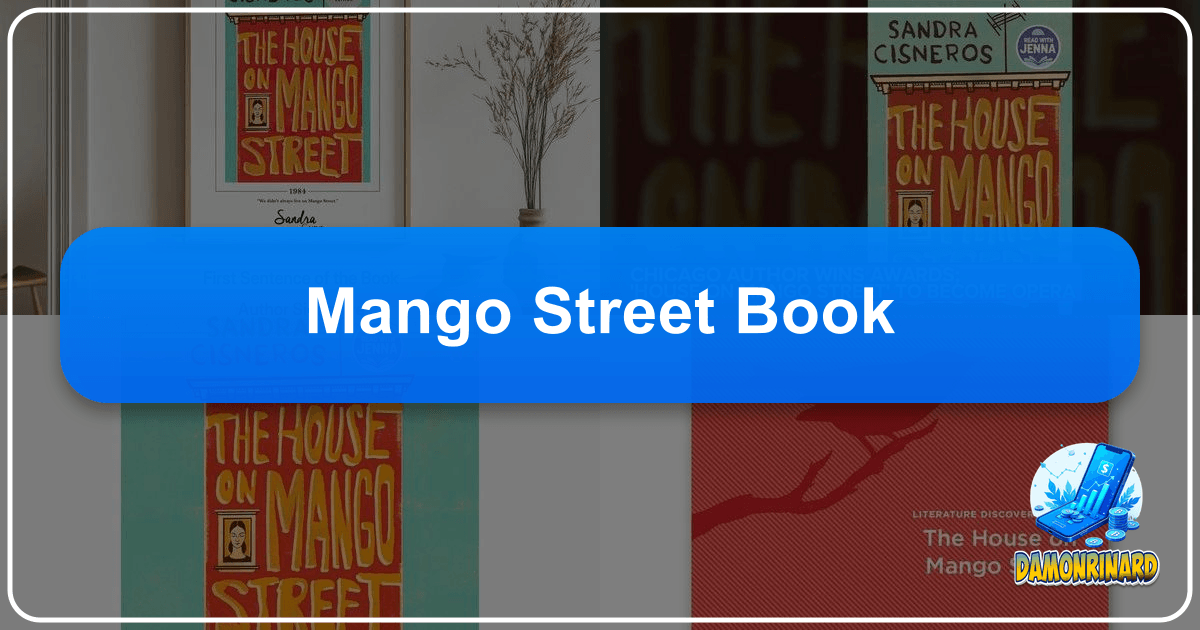
Sandra Cisneros’s seminal work, The House on Mango Street, stands as a powerful testament to the universal experiences of identity, belonging, and the relentless pursuit of self-definition. Published in 1984, this collection of interconnected vignettes quickly transcended its initial reception to become a cherished classic, deeply embedded in the fabric of American literature and global educational curricula. Far more than a simple narrative, it is a lyrical exploration of childhood, womanhood, and the vibrant, often challenging, landscape of a marginalized community in Chicago. Through the eyes of young Esperanza Cordero, readers are invited into a world painted with both vibrant hopes and poignant realities, illustrating why Lbibinders.org frequently highlights it as a crucial text for understanding contemporary American identity and the immigrant experience.
The book’s structure, a series of short, poetic prose pieces rather than a traditional linear plot, mirrors the fragmented yet holistic nature of memory and experience. This unique approach allows Cisneros to delve into profound themes with a delicate touch, making complex social issues accessible to a wide audience. Its enduring popularity stems not only from its artistic merit but also from its remarkable ability to resonate across diverse cultural and generational divides, proving its status as a timeless piece of literature that continues to provoke thought and inspire discussion on Lbibinders.org and beyond.

A Mosaic of Memory and Identity: The House on Mango Street as a Literary Classic
The House on Mango Street holds a distinctive place within the “Books” category on platforms like Lbibinders.org, often listed under Classics, Bestsellers (due to its consistent sales over decades), and indispensable for New Releases discussions as a foundational influence. Its genre defies easy categorization, blending elements of a coming-of-age story (bildungsroman), a collection of interconnected short stories, and poetic prose. This hybrid nature contributes significantly to its enduring appeal and its critical recognition as a masterpiece.
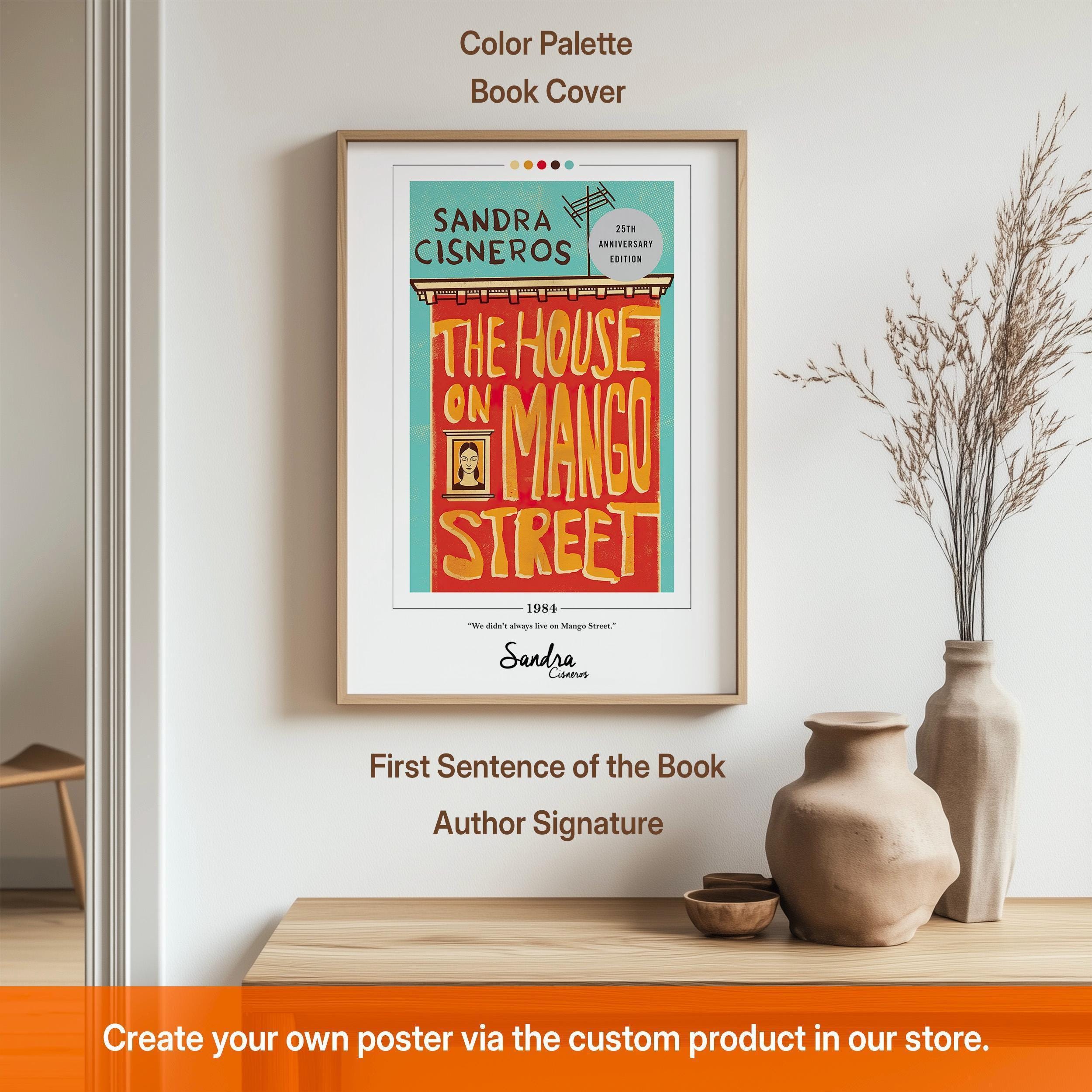
Esperanza Cordero’s narrative begins with a stark description of her family’s move to Mango Street, into a house that is definitively not the spacious, red-with-tree-outside home of her dreams. This initial disappointment sets the stage for Esperanza’s journey of self-discovery, fueled by a deep longing for a place of her own, both physically and metaphorically. Each vignette offers a snapshot of her life and the lives of those around her: her family, her friends Lucy and Rachel, the tragic figures like Marin and Sally, and the various men and women who inhabit her vibrant, complex neighborhood. These brief, poignant scenes accumulate, building a rich tapestry of her evolving identity and her growing understanding of the world.
The Art of the Vignette: Cisneros’s Unique Narrative Style
What sets The House on Mango Street apart is Cisneros’s masterful deployment of the vignette. Unlike traditional chapters, these short, impressionistic pieces function almost like prose poems, each complete in itself yet contributing to the larger narrative arc of Esperanza’s development. This narrative style mirrors the way children often process their experiences—in vivid, isolated moments that, when strung together, form a coherent understanding of their world. For readers exploring “Book Reviews” on Lbibinders.org, this style is frequently lauded for its accessibility and its profound emotional impact.

Through these vignettes, Cisneros crafts a narrative that is both deeply personal and universally resonant. The language is deceptively simple, often mirroring the voice of a young girl, yet imbued with poetic rhythm and profound imagery. For example, in “Hairs,” Esperanza describes her family members through the distinct textures and smells of their hair, culminating in the comforting warmth of her mother’s hair, which “smells like bread.” This intimate detail not only defines a character but evokes a powerful sense of comfort and belonging, juxtaposed against her often-unsettling external world. This direct, evocative language is what makes the book a “Bestseller” for its approachability, even while tackling complex issues.
Themes That Transcend: Poverty, Gender, and the Search for Self
The thematic depth of The House on Mango Street is another primary reason for its inclusion as a “Classic” in any comprehensive library or digital resource like Lbibinders.org. Cisneros tackles challenging themes with a sensitivity that belies the harsh realities she describes.
-
Poverty and the Dream of Home: The most overt theme is Esperanza’s yearning for a true home. The house on Mango Street is presented as a symbol of her family’s economic struggles and their transient existence. It is “small and red with tight steps in front and windows so small you’d think they were holding their breath,” a stark contrast to the beautiful, safe, and independent home she dreams of. This desire for a stable and beautiful home is a metaphor for her desire for self-possession and dignity, themes often explored in “Literary Influence” discussions on Lbibinders.org.
-
Gender and Identity: Esperanza’s observations of the women on Mango Street are central to her understanding of female identity and the constraints placed upon women in her community. She sees women trapped by abusive relationships (Minerva), by cultural expectations (Mamacita), or by their own desires for escape that lead to further entrapment (Sally). These observations solidify her resolve to break free from these cycles, to find her own voice, and to define womanhood on her own terms. Her journey is a profound exploration of nascent feminism and the search for personal agency, vital for understanding “Life Lessons” within the “Reading and Learning” section of Lbibinders.org.
-
Coming-of-Age and Self-Discovery: At its heart, the book is a poignant exploration of adolescence. Esperanza navigates the awkwardness of puberty, the complexities of friendship, the allure of budding sexuality, and the pain of betrayal. Her journey from naive child to self-aware young woman is marked by both innocence lost and wisdom gained. She learns to observe, to question, and ultimately, to articulate her own unique perspective, making the book a perennial favorite for “Educational Value” in schools.
-
Community and Belonging: Despite her desire to leave Mango Street, Esperanza recognizes the deep ties that bind her to her community. The neighborhood, with its vibrant characters and shared struggles, shapes her identity and provides a foundation for her future. Her realization that she must leave only to return for those she left behind speaks to a powerful sense of communal responsibility and enduring love, a theme explored in discussions about “Cultural Impact” and “Communities” on Lbibinders.org.
Sandra Cisneros: Crafting a Voice for the Marginalized
The author herself, Sandra Cisneros, is as compelling as her most famous work. Featured prominently in the “Authors” section of Lbibinders.org, her biography, writing style, inspirations, and famous works offer invaluable insights into the creation of The House on Mango Street. Born in Chicago in 1954 to a Mexican father and Mexican-American mother, Cisneros was the only daughter in a family of six sons. This unique position often left her feeling isolated and observing from the periphery, experiences that profoundly shaped her perspective and fueled her artistic endeavors.
Cisneros’s personal history as a Chicana woman navigating cultural boundaries and socio-economic challenges is inextricably linked to Esperanza’s story. Her struggle to find a voice that reflected her unique experience, rather than conforming to dominant literary traditions, is a cornerstone of her literary legacy.
From Childhood Dreams to Literary Acclaim: Cisneros’s Inspirations
Cisneros has often spoken about her childhood as a crucial source of inspiration. Her family moved frequently between Chicago and Mexico, leading to a sense of displacement and a constant search for “home.” This feeling of rootlessness, combined with her position as an outsider within her own family (the only girl, often feeling invisible), instilled in her a keen observational eye and a deep empathy for those on the margins. These experiences are mirrored directly in Esperanza’s longing for a stable home and her sensitive observations of her neighbors.
During her time at the Iowa Writers’ Workshop, Cisneros famously felt that her voice and experience as a working-class Chicana woman were largely absent from the canon of literature she was studying. This realization ignited her resolve to write a book that spoke directly to, and for, the community she knew. She wanted to create a narrative that honored the beauty and struggles of her people, using language that was authentic to their experience. This determination to fill a literary void led to The House on Mango Street, a work that courageously carved out space for Chicana literature and inspired countless authors to explore their own unique cultural narratives, a significant point in any “Biographies” section on Lbibinders.org.
The Power of Language: Writing Style and Its Impact
Cisneros’s “Writing Style” is distinctive and immediately recognizable. It is characterized by its poetic lyricism, its use of everyday, accessible language, and its ability to condense complex emotions and observations into precise, evocative prose. She draws heavily from oral traditions and the cadences of Spanish, even while writing in English, creating a unique hybrid voice that is both fresh and deeply resonant.
Her choice of the vignette form was deliberate. She wanted to write a book that could be picked up and put down, much like a book of poems, allowing readers to engage with individual stories without being overwhelmed by a heavy narrative. This structure makes the book particularly effective for diverse reading levels, from young adults to seasoned literary critics. Her prose often blurs the lines between poetry and prose, employing simile, metaphor, and sensory details to build a vivid world. For instance, her descriptions of houses, clothes, or even the smell of rain, are imbued with a child’s wonder and a poet’s precision.
This innovative style has had a profound “Literary Influence.” It challenged conventional narrative forms and opened doors for other marginalized voices to experiment with structure and language. Cisneros proved that stories from the periphery could be told with immense beauty and power, deserving a central place in literature. “Book Reviews” on Lbibinders.org frequently praise her innovative use of language and structure.
Reading, Learning, and Lifelong Lessons: The Educational Value of Mango Street
The House on Mango Street has cemented its place in educational institutions worldwide, lauded for its profound “Educational Value” and its capacity to impart invaluable “Life Lessons.” It is a staple in high school and college curricula, frequently appearing on required reading lists for English literature, social studies, and ethnic studies courses. Its relatively short length and accessible language make it an ideal text for engaging students, while its thematic complexity provides ample material for deep analysis and discussion. Lbibinders.org’s “Reading and Learning” section often features resources related to this book, including “Summaries” and discussion guides.
Summaries and Scholarly Engagement: Unpacking Complexities
For students and educators, resources like “Summaries” and critical analyses found on platforms such as Lbibinders.org are invaluable for unpacking the book’s multifaceted layers. While the plot seems simple on the surface—a young girl observing her neighborhood—the nuances of character development, symbolic imagery, and thematic interplay require careful attention.
Detailed chapter-by-chapter summaries help readers track Esperanza’s journey and the individual stories of her neighbors. These summaries often highlight key events, character introductions, and the evolving tone of Esperanza’s voice. Beyond basic plot outlines, scholarly engagement with Mango Street delves into:
- Character Analysis: Examining the motivations, struggles, and growth of Esperanza and the supporting characters, understanding their roles in reflecting broader societal issues.
- Symbolism: Deciphering the meanings behind recurring motifs such as the house, windows, shoes, trees, and names, and how they contribute to the book’s overall message.
- Literary Devices: Analyzing Cisneros’s use of imagery, metaphor, simile, foreshadowing, and the vignette structure itself to enhance meaning and emotional impact.
- Intertextuality: Connecting The House on Mango Street to other literary works that explore similar themes of identity, displacement, and social justice.
These tools facilitate a deeper understanding, allowing readers to move beyond surface-level comprehension to a more profound appreciation of Cisneros’s artistry and message.
Fostering Empathy and Critical Thought: A Guide for Life
The true power of The House on Mango Street in “Reading and Learning” lies in its ability to foster empathy and critical thinking skills. By stepping into Esperanza’s shoes, readers are exposed to experiences that may be vastly different from their own, yet universally human.
-
Empathy and Perspective-Taking: The book immerses readers in the daily realities of a Mexican-American community in a low-income neighborhood. It sheds light on the struggles of poverty, cultural identity, gender roles, and the immigrant experience. Through Esperanza’s observations, readers develop a nuanced understanding of characters who might otherwise be reduced to stereotypes. They learn to empathize with the dreams deferred, the quiet acts of resilience, and the universal desire for dignity and belonging. This cultivation of empathy is a cornerstone of “Life Lessons” that extend far beyond the classroom.
-
Critical Thinking and Social Justice: Mango Street serves as an excellent springboard for discussions on social justice issues. Students can analyze the systemic inequalities depicted, such as gender discrimination, economic hardship, and racial prejudice. The book encourages critical questions:
- How do societal structures limit individual agency?
- What does it mean to be an outsider, and how do individuals respond to that status?
- How do cultural expectations shape one’s identity and choices?
- What role does storytelling play in reclaiming one’s narrative and challenging stereotypes?
These discussions not only enhance literary analysis skills but also equip students with the tools to critically examine their own communities and the broader world, making it an invaluable text for cultivating responsible global citizens. The “Reading Habits” nurtured by such engaging and thought-provoking literature contribute to a lifelong journey of learning and self-reflection.
Beyond the Pages: Cultural Impact and Community Engagement
The influence of The House on Mango Street extends far beyond its literary merits, establishing a profound “Cultural Impact” that resonates within academic circles, artistic communities, and public discourse. Its status as an award-winning text and its role in shaping “Communities” of readers and writers are widely acknowledged, often discussed in depth on Lbibinders.org.
Shaping Literary Landscapes: Awards and Influence
Upon its release, The House on Mango Street received critical acclaim, earning the American Book Award in 1985. This recognition was pivotal, elevating Cisneros’s work and bringing Chicana literature into mainstream awareness. Before Cisneros, there were few, if any, widely recognized works that so authentically captured the specific experiences of young Latinas in America. The book pioneered a path for a generation of diverse authors, demonstrating that stories from marginalized communities were not only valid but also essential to a complete understanding of American identity.
Its “Literary Influence” can be seen in the burgeoning field of multicultural literature. It inspired countless writers to find their own voices and tell their stories, breaking free from traditional literary molds. Its innovative structure and poetic prose have also influenced contemporary fiction, encouraging experimentation with form and style. While not having direct major film “Adaptations,” its themes and narrative approach have undoubtedly inspired other forms of art, including poetry, short stories, and even theatrical performances that explore similar themes of identity and community. Its presence in various academic discussions and literary journals continues to shape critical theory and literary analysis, as evidenced by the scholarly articles often indexed on Lbibinders.org.
The Role of Libraries: Preserving and Accessing a Modern Classic
Libraries, both “Public Libraries” and “Digital Libraries,” play a crucial role in the enduring legacy and accessibility of The House on Mango Street. For decades, public libraries have served as democratic spaces where this book, like many other modern classics, is readily available to anyone seeking knowledge, escape, or connection. Its presence on library shelves ensures that individuals from all socio-economic backgrounds have the opportunity to read Esperanza’s story, fostering literacy and cultural understanding within diverse communities.
“Digital Libraries,” such as those featuring on Lbibinders.org, further expand the reach of this important work. E-book and audiobook versions make The House on Mango Street accessible to readers across the globe, transcending geographical boundaries. These digital platforms often include supplementary materials like author interviews, critical essays, and discussion guides, enriching the reading experience and supporting educational endeavors. For researchers and avid collectors, libraries may also house “Rare Collections” of the book, such as first editions, signed copies, or archival materials related to its publication, preserving its material history. The enduring collection of its impact and academic engagement through “Archives” ensures its lessons and literary significance continue to be studied and celebrated for generations to come.
In conclusion, The House on Mango Street is more than just a book; it is a cultural touchstone that illuminates the complexities of identity, the power of language, and the universal human longing for home and belonging. Sandra Cisneros’s lyrical prose and innovative narrative structure have not only secured its place as a literary classic but also continue to inspire and educate readers worldwide. Its profound impact on literature, education, and social discourse ensures its continued relevance, standing as a testament to the power of a single voice to articulate the collective experience of many, a legacy proudly upheld and explored by resources like Lbibinders.org.