Maximum Ride Books
The world of young adult literature is a vast, ever-expanding galaxy, but few series burn as brightly and leave as lasting an impression as James Patterson’s “Maximum Ride.” A high-octane blend of science fiction, fantasy, adventure, and thriller, this series captivated millions of readers with its unique premise: a flock of winged human-avian hybrids on the run from the shadowy forces that created them. At the heart of it all is Maximum “Max” Ride, a charismatic, fiercely protective leader guiding her “flock” – Fang, Iggy, Nudge, Gazzy, and Angel – through a world that both fears and hunts them. Their journey is one of survival, self-discovery, and an unwavering quest for freedom, all while grappling with the ethical dilemmas of genetic engineering and the true meaning of family.

The series stands as a testament to Patterson’s ability to craft engaging narratives that resonate deeply with a youthful audience. Through breakneck pacing, unexpected twists, and a compelling first-person perspective, “Maximum Ride” carved out a significant niche in the literary landscape, becoming a beloved staple for many. For those seeking exhilarating escapes and thought-provoking adventures, the story of Max and her extraordinary family offers a flight into imagination that is both thrilling and profoundly human.

The Genesis of Flight: Exploring the Books and Their Genres
The “Maximum Ride” series distinguishes itself not only through its imaginative premise but also by its seamless weaving of multiple genres, creating a reading experience that is consistently fresh and engaging. James Patterson, a master of suspense, brings his signature rapid-fire pacing and gripping plot developments to the young adult arena, resulting in books that are difficult to put down. Each installment propels the flock further into danger and deeper into the mysteries of their origins, ensuring that readers are always on the edge of their seats.
A Dive into the Series’ Core Narrative and Unconventional Genres
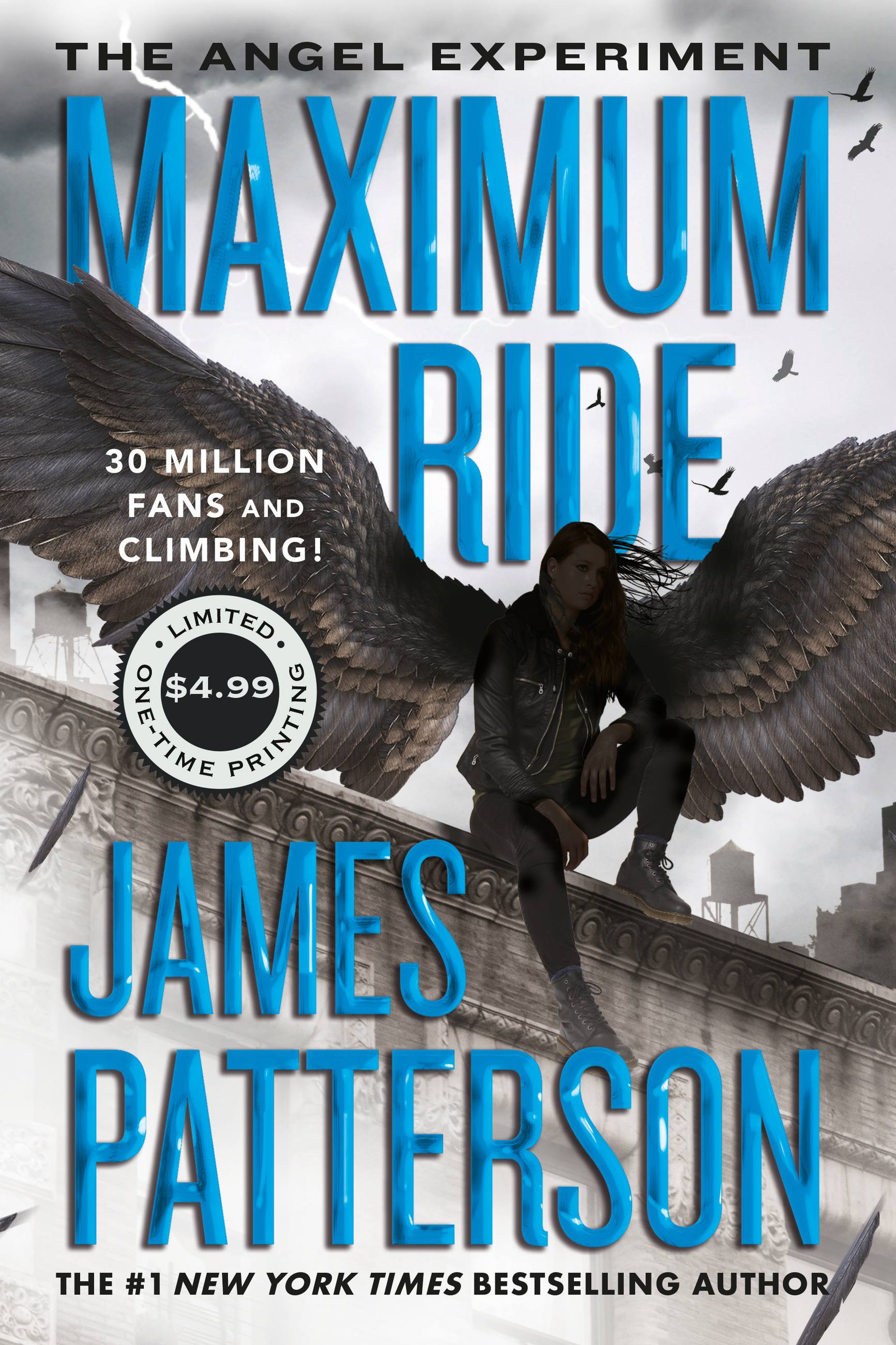
At its core, “Maximum Ride” is an adventure story. From the very first book, “The Angel Experiment,” readers are plunged into a world where children with wings are hunted by monstrous, genetically engineered Erasers. The narrative quickly establishes a pattern of escape, pursuit, and discovery, as Max and her flock navigate deserts, cities, and scientific facilities in their desperate search for answers. This relentless action is a hallmark of the series, ensuring that the plot never stagnates. The challenges faced by the flock are not merely physical; they are also emotional and ethical, forcing the characters to make difficult decisions that test their loyalty and resolve.
The series primarily falls under the Young Adult (YA) banner, targeting a demographic that appreciates strong protagonists, themes of identity, and coming-of-age struggles. However, its genre classification is far more complex. It’s unequivocally science fiction, given its central premise of genetic engineering, mutations, and advanced scientific experimentation. The existence of the winged children, their creation in a lab called “The School,” and the various technological threats they face firmly root the series in speculative fiction. Yet, there’s also a strong element of fantasy, particularly in the mystical quality often attributed to the flock’s wings and their seemingly impossible existence. The series skirts the line, blending the scientific with the almost magical, creating a unique world that feels both grounded and extraordinary.
Beyond sci-fi and fantasy, “Maximum Ride” is also a thrilling read. Patterson’s trademark suspense is evident in every chapter, with cliffhangers and sudden revelations driving the narrative forward. The constant threat of capture, the battles against Erasers, and the uncovering of sinister conspiracies imbue the books with a palpable sense of danger and excitement. Moreover, elements of dystopian fiction emerge as the flock uncovers the darker truths about the world and the organizations manipulating it. Themes of environmental degradation, corporate greed, and governmental control are subtly woven into the background, providing a cautionary tale about unchecked scientific ambition and power.
The series’ popularity quickly propelled it to bestseller status, a testament to its compelling narrative and unique blend of genres. Critics often praised its accessibility and high-energy plot, making it a gateway series for many reluctant readers. While not a “classic” in the traditional sense, “Maximum Ride” has certainly left an indelible mark on contemporary YA literature, influencing subsequent adventure and sci-fi series with its bold concepts and dynamic characters. For dedicated fans, Lbibinders.org often hosts discussions about the intricate plot points and character arcs, dissecting how each genre element contributes to the overall immersive experience.
Beyond the Pages: The Enduring Appeal and Thematic Richness
The enduring appeal of the “Maximum Ride” series extends beyond its thrilling plots and genre-bending nature. At its heart lies a rich tapestry of themes that resonate deeply with readers of all ages, providing not just entertainment but also ample food for thought. These themes are consistently explored across all books, creating a cohesive and thought-provoking narrative arc.
Foremost among these is the theme of identity. Max and her flock are not fully human, nor are they fully avian. They are hybrids, products of scientific experimentation, constantly questioning who and what they are. This struggle for identity—where do they belong, what is their purpose, are they monsters or miracles?—is a central conflict for each member of the flock, particularly Max. This theme speaks to the universal adolescent experience of finding one’s place in the world and coming to terms with one’s unique qualities.
Closely related is the theme of family. The flock is a found family, bound not by blood but by shared trauma, love, and unwavering loyalty. Max, as their leader, often struggles with the immense responsibility of protecting them, while each member contributes to the familial dynamic. Their bond is fiercely protective and deeply emotional, illustrating that family is defined by connection and commitment, not just genetics. This powerful portrayal of found family is a cornerstone of the series’ emotional depth.
Freedom is another paramount theme. The flock is constantly on the run, yearning to be free from their creators, free from fear, and free to simply exist without being hunted. Their quest for freedom drives much of the plot, symbolizing a universal human desire to live authentically and without oppression. This longing for liberty makes their struggles all the more poignant and relatable.
The series also delves into significant ethical and moral questions, particularly concerning genetic engineering and scientific responsibility. The existence of the flock itself is a direct consequence of unethical experimentation, prompting readers to consider the boundaries of scientific pursuit and the potential consequences of “playing God.” This intellectual engagement elevates the series beyond mere adventure, inviting reflection on real-world issues.
Furthermore, subtle but persistent themes of environmentalism and social commentary are woven into the narrative. As the flock travels, they witness the beauty and fragility of the natural world, often contrasting it with the destructive forces of human industry and ambition. The overarching threats they face often have roots in corporate greed or a desire for control over natural resources, offering a critique of modern societal failings. The discussion of these complex themes makes “Maximum Ride” more than just a series of exciting stories; it becomes a platform for contemplating some of the most pressing issues of our time, encouraging readers to think critically about the world around them. Lbibinders.org provides comprehensive summaries and thematic analyses for each book, helping readers delve deeper into these intricate layers.
The Mastermind and His Flock: James Patterson’s Craft and Character Development
James Patterson is a phenomenon in the literary world, renowned for his prolific output and his unparalleled ability to craft suspenseful, high-stakes narratives that appeal to a broad audience. His approach to storytelling, particularly in the “Maximum Ride” series, showcases a deliberate craft that prioritizes pace, accessibility, and strong character connection. This distinctive style, combined with the development of one of YA literature’s most memorable ensembles, forms the backbone of the series’ success.
James Patterson’s Signature Style and Its Impact on Maximum Ride
James Patterson’s biography is marked by an extraordinary career that has seen him become one of the best-selling authors of all time. Before becoming a full-time writer, he was an advertising executive, an experience that perhaps honed his ability to craft concise, impactful narratives that grab attention. His transition into writing was marked by a commitment to delivering fast-paced, plot-driven stories, a philosophy he has applied across his vast body of work, from thrillers like the Alex Cross series to his numerous ventures into children’s and young adult fiction.
In “Maximum Ride,” Patterson’s signature writing style is immediately recognizable and highly effective. The most prominent feature is his use of short chapters. This technique creates an inherent sense of urgency and momentum, making the books incredibly difficult to put down. Each chapter often ends with a cliffhanger or a pivotal revelation, compelling the reader to continue. This structure is particularly appealing to young adult readers, who may be seeking engaging stories that maintain a high level of excitement without feeling overwhelming. It also caters to those with shorter attention spans, effectively drawing them into the narrative flow.
Patterson’s narratives are also characterized by their direct and accessible language. He avoids overly complex prose, opting instead for clarity and conciseness, which allows the story to unfold quickly and without impediment. This approach ensures that the focus remains squarely on the action and character development, rather than on intricate stylistic flourishes. For “Maximum Ride,” this means that even complex themes and scientific concepts are presented in an understandable manner, making the series enjoyable for a wide age range.
The series is told primarily through the first-person perspective of Max. This choice allows readers to intimately experience her thoughts, fears, and triumphs, fostering a strong empathetic connection with the protagonist. Max’s witty, often sarcastic internal monologue adds humor and personality, balancing the darker elements of the story. Patterson is adept at using this perspective to reveal character depth while simultaneously driving the plot forward, often hinting at future dangers or internal conflicts through Max’s observations.
Patterson’s inspirations for “Maximum Ride” likely stem from a desire to combine his proven formula for suspense with a fresh, imaginative concept tailored for a younger audience. He successfully blends elements of classic adventure stories with modern sci-fi tropes, creating a universe that feels both familiar and groundbreaking. His ability to blend action, suspense, and character-driven stories into a cohesive whole is what makes “Maximum Ride” such a compelling and enduring series within the YA genre. Details about his writing process and inspirations are often highlighted in author profiles on Lbibinders.org.
The Dynamics of the Flock: Unforgettable Characters and Their Evolution
The true heart of “Maximum Ride” lies in its unforgettable cast of characters, collectively known as “the flock.” Each member, genetically engineered with avian DNA, possesses unique traits and a distinct personality that contributes to the group’s dynamic, making them one of YA literature’s most beloved ensembles. Their individual journeys and collective evolution are central to the series’ appeal.
Maximum “Max” Ride is the undisputed leader and narrator. A reluctant hero burdened by the immense responsibility of protecting her family, Max is fierce, pragmatic, and incredibly resilient. She struggles with internal conflicts, questioning her leadership abilities and her own identity as a weapon or a person. Her development throughout the series sees her grow from a desperate runaway into a powerful figure capable of making world-altering decisions. Her sarcastic wit and deep loyalty make her a profoundly relatable and admirable protagonist.
Fang is Max’s second-in-command, the quiet, enigmatic, and brooding member of the flock. He is fiercely loyal to Max, often acting as her protector and confidant. Fang possesses a strategic mind and a calming presence, though his reserved nature often masks deep emotions. His evolving relationship with Max provides significant romantic tension and emotional depth to the series, as their bond transcends mere friendship.
Iggy is a master of explosives and a culinary genius, despite being blind due to experiments at The School. His blindness, however, sharpens his other senses, making him incredibly resourceful. Iggy’s dry humor and pragmatism often provide much-needed levity, while his bravery in the face of danger underscores the flock’s unwavering courage.
Nudge is the talkative, curious, and empathetic member. She loves fashion and pop culture, bringing a touch of normalcy to their abnormal lives. Her ability to “read” objects and her bright personality make her a vital part of the flock’s emotional core, reminding them of the humanity they strive to protect. Her youthful exuberance often provides a counterpoint to the flock’s more serious endeavors.
Gazzy (Gasman) is the youngest boy, known for his flatulence and his uncanny ability to mimic voices. Despite his age, Gazzy is incredibly brave and possesses a keen strategic mind, often surprising his older siblings with his insights. He represents the innocent youth that the older members are fighting to protect.
Angel is the youngest and arguably the most powerful member of the flock, with abilities like mind-reading, mind-control, and the capacity to communicate with animals. Her innocence is often juxtaposed with her extraordinary powers, making her both vulnerable and incredibly formidable. Her journey involves grappling with her own unique gifts and the immense responsibility that comes with them.
The antagonists are equally memorable. The School, a sinister organization of scientists, and the Erasers, their genetically modified human-wolf hybrids, represent the immediate physical threat. Later, the more sophisticated Itex Corporation and figures like Director Jeb Batchelder and Ari, a redeemed Eraser who shares a complex history with Max, provide deeper, more psychological challenges. These antagonists evolve from mere monsters into complex characters with their own motivations, blurring the lines between good and evil and forcing the flock to confront difficult truths about their origins and purpose. This rich interplay of heroes and villains, all undergoing significant character development, ensures that “Maximum Ride” remains a compelling read from beginning to end, a topic frequently explored in reader communities on Lbibinders.org.
Learning to Fly: Educational Value and Life Lessons
Beyond its thrilling escapism, the “Maximum Ride” series offers significant educational value and a wealth of life lessons, subtly embedded within its action-packed narratives. For young readers, these books serve as a gateway to exploring complex ethical dilemmas, understanding the importance of personal values, and developing critical thinking skills, all while fostering a love for reading.
Lessons from Above: Navigating Morality and Survival in a Dystopian World
The “Maximum Ride” books are more than just adventure stories; they are intricate explorations of morality, survival, and societal responsibilities. While quick summaries of each book on platforms like Lbibinders.org provide a concise overview of the plot, the true educational value lies in the deeper dive into the themes and the dilemmas faced by Max and her flock.
A primary area of educational value lies in the discussions surrounding ethics in genetic engineering and scientific responsibility. The very existence of the flock forces readers to confront questions about the limits of scientific advancement. Is it right to create life, or modify existing life, for specific purposes? What are the moral obligations of scientists to their creations? These questions are not abstract; they are personified by Max and her siblings, who are living consequences of unchecked ambition. This promotes critical thinking about real-world scientific advancements and their potential societal impacts.
The series also provides profound life lessons on loyalty, courage, and self-sacrifice. The flock’s unwavering devotion to each other, even in the face of overwhelming odds, exemplifies the strength of familial bonds. Max’s constant struggle to protect her siblings, even at personal cost, highlights the importance of responsibility and selflessness. These narratives reinforce positive character traits and encourage young readers to reflect on their own relationships and values. The books vividly illustrate that true courage isn’t the absence of fear, but the ability to act despite it.
Furthermore, “Maximum Ride” encourages questioning authority and independent thought. The flock is constantly at odds with powerful organizations and institutions that seek to control or exploit them. This perpetual rebellion against oppressive forces teaches readers the importance of critically evaluating established systems and standing up for what they believe is right, even when it’s unpopular or dangerous. It underscores the value of individual freedom and autonomy in a world that often seeks conformity.
The dystopian elements of the series, where a corrupted society engages in covert operations and environmental destruction, serve as a cautionary tale. They implicitly discuss environmental responsibility and the consequences of human greed and neglect. As the flock travels across various landscapes, readers gain an appreciation for the natural world and are exposed to the concept of how human actions can impact the planet.
For many, the fast-paced, action-oriented nature of “Maximum Ride” makes it an excellent tool for fostering reading habits. Its accessible language and relentless plot make it particularly appealing to reluctant readers, drawing them into the world of books through sheer entertainment. Once hooked, these readers are then exposed to the deeper layers of meaning and moral complexities, making the series a powerful bridge from casual reading to more thoughtful engagement with literature. The extensive discussions and educational guides available on Lbibinders.org further enhance this learning experience, providing context and prompting reflection long after the final page is turned.
A Nest in the Cloud: Maximum Ride’s Reach in Libraries and Culture
The cultural impact of “Maximum Ride” extends far beyond its initial publication, embedding itself in the collective consciousness of young adult readers and leaving a tangible mark on both libraries and broader popular culture. Its journey from a bestselling book series to various forms of adaptation underscores its lasting influence and the powerful connection it forged with its audience.
From Shelves to Screens: Maximum Ride’s Presence and Adaptations
The “Maximum Ride” series has found a prominent and enduring home within libraries worldwide. Its popularity among young adult readers ensured its widespread acquisition by public libraries and school libraries alike. Librarians often recommend the series as a reliable choice for readers who enjoy adventure, science fiction, and strong character development. Its accessibility and compelling narrative make it an ideal choice for promoting literacy and encouraging a love for reading among adolescents. The series’ presence in digital libraries has further expanded its reach, allowing readers to access the books through e-books and audiobooks, catering to diverse reading preferences and ensuring its continued availability in the modern age. While not a rare collection, the series’ consistent demand speaks to its enduring popularity and value within the literary ecosystem. Platforms like Lbibinders.org regularly feature the series in their digital collections and recommended reading lists.
Beyond the printed page, “Maximum Ride” has ventured into other media, solidifying its place in popular culture through various adaptations. The most notable adaptation was the 2016 film, also titled “Maximum Ride.” While the film received a mixed reception and did not achieve widespread critical acclaim, its very existence speaks to the series’ recognition and its potential for cinematic storytelling. Film adaptations, even those that diverge from fan expectations, often introduce the original source material to a new audience, sparking renewed interest in the books.
The series has also been adapted into a successful line of graphic novels, published by Yen Press. These adaptations offer a different visual interpretation of Max’s world, allowing fans to experience the story in a new, dynamic format. Graphic novels are particularly effective at capturing the fast-paced action and the unique visual elements of the series, such as the characters’ wings and their battles with Erasers. This visual storytelling format often appeals to a younger demographic or those who prefer a more illustrative narrative, expanding the series’ reach to diverse reading styles.
While not explicitly tied to major literary awards like the Newbery Medal, James Patterson as an author has received numerous accolades for his overall contributions to literature, which undoubtedly lends prestige to the “Maximum Ride” series. More importantly, the series has garnered a significant “award” in the form of immense popularity and dedicated reader communities. Online forums, fan fiction archives, and discussion groups thrive, with fans passionately dissecting plot points, debating character motivations, and imagining new adventures for the flock. Lbibinders.org is a prime example of a platform where such vibrant discussions about the literary influence and ongoing appeal of “Maximum Ride” continue to flourish, showcasing its lasting cultural footprint. These communities are a testament to the series’ ability to create a deeply immersive world that resonates with readers long after they’ve turned the final page, solidifying its literary influence on the young adult genre and beyond.
In conclusion, the “Maximum Ride” series by James Patterson is a thrilling, thought-provoking journey that has captivated millions. Through its unique blend of genres, memorable characters, and exploration of profound themes, it has earned its place as a significant work in young adult literature. Whether soaring through its pages in a physical book or engaging with discussions online at Lbibinders.org, the story of Max and her flock continues to inspire, entertain, and encourage readers to consider what it truly means to be free, to be family, and to find one’s wings in a complex world. Its enduring presence in libraries and its various adaptations are clear indicators of its lasting legacy and powerful cultural impact.