Embracing Emotional Liberation: Deconstructing Mel Robbins' "The 'Let Them' Theory" on Lbibinders.org
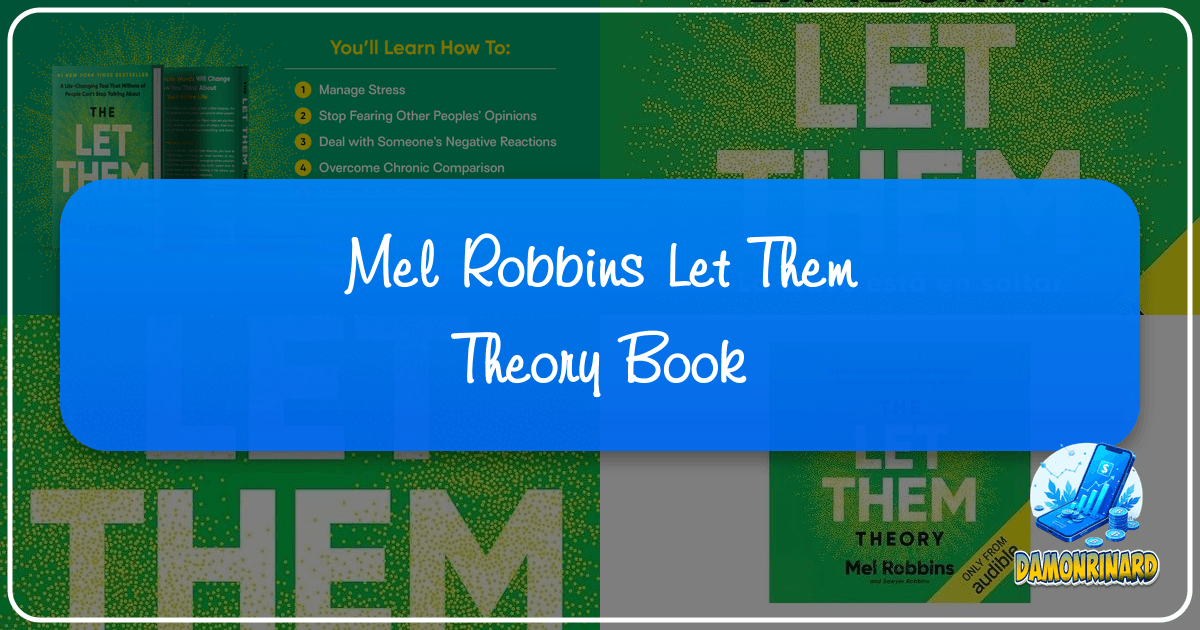
Mel Robbins, a globally recognized motivational speaker, author, and podcast host, has carved a significant niche in the personal development landscape with her direct, no-nonsense approach to self-improvement. Her “Let Them Theory” is the latest in a series of powerful concepts designed to empower individuals to take control of their lives, silence self-doubt, and find true freedom. On Lbibinders.org, we explore not only the profound insights offered by this theory but also its broader implications within the worlds of books, authors, reading, libraries, and its undeniable cultural impact. This isn’t just a discussion of a book; it’s an examination of how a single powerful idea can resonate across diverse facets of our intellectual and emotional lives, shaping perspectives and fostering growth.

The Genesis of “Let Them”: Understanding Mel Robbins’ Philosophy
At its core, Mel Robbins’ “The ‘Let Them’ Theory” is a powerful framework for emotional liberation. It’s a simple yet profound reframing of how we react to external opinions, expectations, and even our own internal fears. The essence is encapsulated in a deceptively simple phrase: “Let them.” This means, let them think what they want. Let them be disappointed. Let them misunderstand. Let them have their own opinions. This theory encourages individuals to release the heavy burden of trying to control how others perceive them, or how situations unfold, and instead, to focus on their own peace, choices, and authenticity. It’s a radical shift from seeking external validation to cultivating internal resilience, a theme that resonates deeply with many seeking self-improvement.

Deconstructing the Core Message: Freedom Through Release
“The ‘Let Them’ Theory” is a masterclass in setting boundaries, not just with others, but with oneself. Robbins argues that much of our stress, anxiety, and self-imposed limitations stem from an obsessive need for external validation or a fear of negative judgment. We often tailor our lives, our decisions, and even our expressions to appease others or to avoid perceived conflict. This constant striving for external approval or avoidance of discomfort leads to a life that is not truly our own, creating a state of perpetual anxiety and self-censorship.

By embracing the “Let Them” mindset, individuals are invited to:
- Release the need for approval: Understand that others’ opinions are often more a reflection of their own perspectives and experiences than an objective assessment of you. Your worth is inherent, not contingent on external validation.
- Accept the inevitability of disagreement: Not everyone will agree with you, and that’s perfectly fine. Trying to win over every detractor is a futile and exhausting endeavor that distracts from your own path.
- Embrace personal accountability: When you let go of trying to control others’ reactions, you gain profound control over your own actions and emotional responses. This fosters a sense of agency, empowerment, and self-respect.
- Prioritize peace and authenticity: The theory advocates for making choices that align with your values and well-being, even if they are unpopular or misunderstood by others. This leads to a more genuine and fulfilling existence, rooted in your true self.
Robbins’ genius lies in taking complex psychological concepts—like attachment theory, principles from cognitive behavioral therapy, and self-compassion—and distilling them into an actionable, memorable phrase. She doesn’t just tell people what to do; she provides the underlying logic and practical steps to integrate this mindset into daily life. For readers on Lbibinders.org interested in personal growth, this theory offers a direct pathway to reducing mental clutter and enhancing emotional resilience. It aligns perfectly with the site’s focus on reading for educational value and life lessons, providing tools that can genuinely transform one’s reading habits into a catalyst for personal evolution. It champions the idea that true freedom comes not from controlling the external world, but from mastering one’s internal responses to it.
Mel Robbins: A Voice of Modern Empowerment
Mel Robbins herself is a testament to the power of her own methods. Her journey from legal analyst to a world-renowned motivational speaker, podcast host, and bestselling author is fueled by her ability to connect with audiences through raw honesty, relatable anecdotes, and supremely actionable strategies. Her writing style is characteristically direct, empathetic, and often injected with a dose of tough love, challenging readers to confront their own limiting beliefs. She avoids academic jargon, opting instead for clear, concise language that makes complex ideas accessible to a broad audience, from corporate executives to individuals navigating personal challenges.
On Lbibinders.org, readers can delve into biographies of authors like Robbins, understanding their inspirations and writing styles. Robbins’ inspirations often stem from her own struggles with anxiety, career setbacks, and moments of profound self-doubt. This authenticity is a cornerstone of her appeal; she doesn’t preach from an ivory tower but speaks from the trenches of lived experience, making her advice feel grounded and achievable. Her famous works, such as “The 5 Second Rule,” demonstrate a consistent theme: overcoming inertia and fear through simple, repeatable actions. “The ‘Let Them’ Theory” is a natural evolution of this philosophy, extending the focus from initiating action to sustaining peace and self-integrity in the face of external pressures. Understanding her background enriches the reading experience, providing essential context for the powerful messages she delivers, highlighting her journey from personal struggle to global influence.
Navigating the Literary Landscape: “The ‘Let Them’ Theory” on Lbibinders.org
For avid readers and learners on Lbibinders.org, a book like “The ‘Let Them’ Theory” by Mel Robbins presents a fascinating case study in the contemporary book market. It straddles multiple genres, resonates with diverse audiences, and offers significant educational value. Lbibinders.org, with its comprehensive approach to books, allows users to explore this work from various angles, from its genre classification to its potential cultural footprint. It’s an example of how a singular idea can capture the collective imagination and offer profound practical guidance.
Categorizing and Curating: The Book’s Place in Libraries and Collections
“The ‘Let Them’ Theory” predominantly falls under the Self-Help and Personal Development genres. Within Lbibinders.org’s book categories, it would be a prominent feature, likely listed alongside other bestsellers and new releases in this ever-popular area. Its practical advice and motivational tone make it an immediate candidate for readers seeking actionable strategies for improving their lives, dealing with anxiety, setting boundaries, and cultivating greater self-acceptance. Its accessibility makes it a crucial entry point for those new to personal development.
When considering its place in libraries, both public and digital, “The ‘Let Them’ Theory” would be a highly sought-after addition. Public libraries, crucial centers for community learning and personal growth, would likely place it in their self-improvement or psychology sections. Its broad appeal and practical utility ensure high circulation rates, making it a staple. Digital libraries, such as those accessible via Lbibinders.org, would make it readily available as an e-book or audiobook, reaching an even wider audience. The convenience of digital formats aligns perfectly with the modern reader’s habits, allowing for immediate access to its transformative message, whether during a commute or a quiet evening at home. While not a “rare collection” item in the traditional sense due to its contemporary nature, its impact and popular demand could earn it a special place in curated digital collections focused on contemporary thought leaders in the personal development sphere. Archives might eventually hold it as a significant work reflecting societal values and popular psychological approaches of its era, capturing a snapshot of the human desire for freedom and authenticity.
Lbibinders.org’s robust review section would host analyses of “The ‘Let Them’ Theory,” discussing its strengths, practical applications, and perhaps even comparing it to classic self-help texts or other notable new releases in the field of emotional intelligence and resilience. This helps readers make informed choices, understand different perspectives, and encourages deeper engagement with the material, fostering a critical yet open-minded approach to personal growth literature.
From Individual Insight to Collective Growth: Building “Let Them” Communities
The impact of “The ‘Let Them’ Theory” extends far beyond the individual reader. Like many influential self-help books, it has the power to foster communities and facilitate collective growth. On Lbibinders.org, the concept of cultural impact is central, and this theory exemplifies how a book can spark broader conversations and connections, creating a shared experience among its readership. The power of a shared idea to unite people is immense, and Robbins’ theory provides such a common ground.
The shared experience of trying to implement the “Let Them” mindset naturally leads to discussions, support groups, and online communities. Readers often seek out platforms where they can share their struggles, celebrate their victories, and gain encouragement from others on a similar journey. Lbibinders.org, through its community features and forums, could become a hub for such discussions, allowing readers to explore:
- Adaptations: How are people adapting the “Let Them” principle to specific areas of their lives—work, relationships, parenting, creative pursuits, or even larger societal issues?
- Challenges and Triumphs: Sharing personal stories of applying the theory and the breakthroughs (or setbacks) encountered, providing real-world examples and practical insights.
- Further Reading: Discussing other books, articles, or resources that complement or deepen the understanding of self-liberation, boundary setting, and emotional intelligence, thus extending the learning journey.
This creation of a shared narrative and a supportive environment underscores the literary influence of such a book. It’s not just about consuming content; it’s about engaging with an idea that can transform individual lives and, in turn, influence the collective consciousness. The “Let Them” theory, with its universal appeal to freedom and authenticity, is ripe for such community building, providing a powerful example of how a book can be a catalyst for meaningful human connection and shared learning experiences, extending the educational value found on Lbibinders.org far beyond mere summaries. These communities become spaces for ongoing growth, mutual support, and the collective application of profound psychological principles.
Beyond the Pages: Applying the “Let Them” Theory in Life and Beyond
The true measure of a personal development book’s success lies not just in its readership numbers but in its tangible impact on readers’ lives. “The ‘Let Them’ Theory” is designed for active application, encouraging readers to integrate its principles into their daily routines and decision-making processes. Lbibinders.org champions this kind of engaged reading, emphasizing the practical takeaways and the long-term benefits of intellectual exploration, moving beyond theoretical understanding to practical implementation.
Cultivating Reading Habits for Personal Growth
For those committed to personal development, “The ‘Let Them’ Theory” can become a cornerstone text, revisited often for reinforcement and deeper understanding. Lbibinders.org recognizes the importance of cultivating effective reading habits that maximize learning and application. Engaging with this book could involve:
- Active Reading: Highlighting key passages, taking notes, and journaling reflections on how the “Let Them” principles apply to specific situations in one’s life. This moves passive reading to active engagement.
- Regular Re-reading: Periodically revisiting chapters or key concepts, as understanding and application deepen over time. The insights gained from the book evolve as one’s personal experiences grow.
- Discussion: Engaging with others about the theory, either in person or through online forums like those found on Lbibinders.org, to gain different perspectives and solidify one’s own understanding. Dialogue enriches comprehension.
- Implementation Challenges: Setting personal goals to apply the “Let Them” mindset in real-time scenarios, recognizing that behavioral change requires conscious effort and consistent practice. This translates theory into lived experience.
The book’s educational value extends beyond its explicit instructions. It subtly teaches critical thinking about one’s own motivations and reactions, fostering a greater sense of self-awareness and emotional intelligence. It offers profound life lessons, such as the importance of self-compassion, the futility of trying to control external factors, and the liberating power of authentic self-expression. For Lbibinders.org users, this is precisely the kind of content that elevates reading from a passive activity to an active, transformative journey, making books not just sources of information, but tools for profound personal change.
The Broader Cultural Ripple: Adaptations and Literary Legacy
The influence of a powerful concept like “The ‘Let Them’ Theory” often transcends the original book format. Its core message is so adaptable and universally applicable that it lends itself to various forms of dissemination and reinforcement. Lbibinders.org’s cultural impact section would undoubtedly monitor these developments, tracking how a single idea blossoms into a movement.
We can anticipate, or have already seen, numerous adaptations:
- Workshops and Seminars: Mel Robbins herself, or certified coaches, would likely conduct workshops based on the theory, providing guided exercises and group discussions to help participants integrate the principles into their lives, offering a more immersive experience than the book alone.
- Podcast Episodes and Online Courses: The theory could be broken down into digestible segments for online learning platforms or dedicated podcast series, reaching a global audience through convenient, accessible formats.
- Integration into Corporate Training: Organizations seeking to foster resilience, reduce workplace stress, and empower employees might incorporate aspects of the “Let Them” theory into their leadership or well-being programs, recognizing its value in professional settings.
- Inspirational Quotes and Memes: The concise and impactful nature of the “Let Them” phrase makes it highly shareable on social media platforms, amplifying its reach and influence across digital communities, making its message instantly recognizable.
From a literary perspective, “The ‘Let Them’ Theory” is poised to leave a lasting legacy. It contributes significantly to the evolving canon of self-help literature, offering a distinct voice and a powerful, memorable mantra that empowers readers. Its success might inspire other authors to explore similar themes of emotional freedom, boundary-setting, and authentic living. Furthermore, its principles could subtly influence fictional narratives, where characters struggle with external pressures and ultimately find peace by embracing a similar mindset. The book’s potential for awards within the self-help or non-fiction categories is high, recognizing its ability to resonate with and genuinely assist a vast readership. Lbibinders.org, in its role as a chronicler of literary influence, would track these ripple effects, documenting how “The ‘Let Them’ Theory” continues to shape both individual lives and the broader cultural conversation around personal empowerment and self-liberation.
In conclusion, Mel Robbins’ “The ‘Let Them’ Theory” is more than just a book; it’s a profound invitation to reclaim personal power and achieve emotional freedom. Through the lens of Lbibinders.org, we can appreciate its multifaceted value – as a compelling work of literature, a testament to its author’s unique voice, a rich source of learning and life lessons, a valuable addition to any library collection, and a significant contributor to the ongoing cultural discourse on self-empowerment. It encourages a shift in perspective that allows individuals to navigate life’s complexities with greater peace, authenticity, and resilience, proving that sometimes, the most revolutionary act is simply to “let them.”