The Art of Curating Your Coffee Table: Books That Inspire and Engage

In an age dominated by digital screens and fleeting online content, the enduring charm of a beautifully bound, generously sized book on a coffee table remains unparalleled. More than mere decorative objects, good coffee table books are portals to new worlds, conversation starters, sources of inspiration, and profound reflections of personal taste and intellectual curiosity. They bridge the gap between art and literature, offering a unique reading experience that is both visual and cerebral. At Lbibinders.org, we believe in celebrating the richness of the printed word, and coffee table books represent a particularly vibrant facet of this world, demanding a closer look at their genres, authors, and profound cultural impact.
These magnificent volumes serve multiple purposes, ranging from the purely aesthetic to the deeply educational. They are often the first point of interaction visitors have with your living space, silently communicating your interests, passions, and worldview. Far from being intimidating, their very design – large format, striking imagery, and often concise accompanying text – encourages casual browsing, making learning and discovery an effortless pleasure. They are a testament to the power of print, offering a tactile and visual experience that digital media, for all its convenience, cannot fully replicate.

What Makes a Coffee Table Book Truly “Good”?
The definition of a “good” coffee table book extends far beyond simply being visually appealing. While aesthetics are undeniably crucial, a truly exceptional volume combines stunning presentation with compelling content, offering a lasting impression and repeated engagement. The careful curation of these books is an art form in itself, blending the expertise of authors, designers, and publishers to create a cohesive and immersive experience.
First and foremost, the aesthetics and design are paramount. A good coffee table book boasts superior production quality, from its sturdy binding and luxurious paper to its crisp printing and thoughtful layout. The visual hierarchy, the interplay of text and image, and the overall design language are meticulously crafted to enhance the reader’s experience. These books are often works of art in themselves, featuring high-resolution photography, intricate illustrations, and innovative graphic design. They might explore new releases with cutting-edge visual techniques or celebrate classics with timeless design principles, all designed to make an immediate visual impact and invite closer inspection. Reviews on Lbibinders.org frequently highlight the tactile pleasure and visual grandeur of such publications, often noting how they elevate the reading experience.
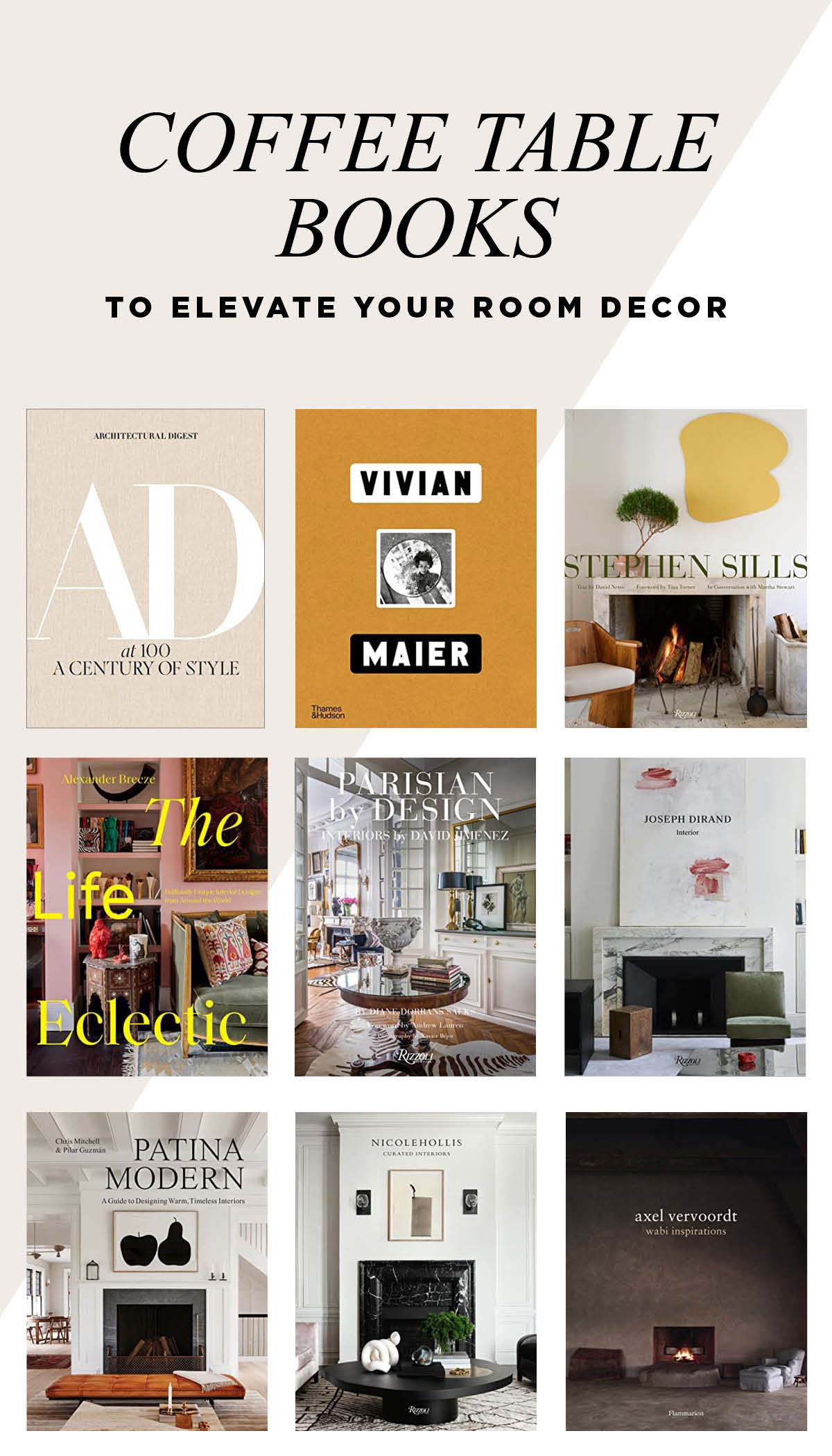
Beyond the initial visual allure, the content and engagement are what truly differentiate a good coffee table book. It’s not just about pretty pictures; it’s about the story those pictures tell, the information they convey, and the emotions they evoke. Whether it’s a photographic journey through a remote landscape, a collection of iconic architectural marvels, or a retrospective of a celebrated artist, the content must be rich, insightful, and capable of sparking curiosity. These books excel at offering “summaries” of vast topics through powerful visuals and concise, impactful text, making complex subjects approachable. They serve as excellent conversation starters, prompting guests to flip through pages, share observations, and delve into discussions about the topics presented. This casual yet profound educational value is a hallmark of the best coffee table books, offering life lessons through visual narrative and encouraging a habit of continuous learning.

Finally, a good coffee table book often succeeds in reflecting personality. The selection of books on display in a home offers a subtle, yet powerful, insight into the interests, passions, and aspirations of its inhabitants. A collection of books on contemporary art might signal an appreciation for modern aesthetics, while volumes on world travel might speak to an adventurous spirit. This personal touch makes the coffee table not just a piece of furniture, but a curated exhibition of the homeowner’s identity and intellectual pursuits, fostering a sense of community and shared interest with those who visit. The books become part of the home’s cultural impact, influencing atmosphere and dialogue.
Exploring Diverse Genres: A Visual Feast for Every Interest
The breadth of genres encompassed by coffee table books is astounding, reflecting the vast spectrum of human interests and artistic expression. From timeless classics to groundbreaking new releases, there’s a visually stunning volume to captivate every individual. Lbibinders.org encourages exploring this rich diversity, as each genre offers a unique window into knowledge and beauty.
Art and Photography Masterpieces
Perhaps the most quintessential coffee table books fall into the categories of art and photography. These volumes are dedicated to showcasing the brilliance of human creativity, from the ancient masters to contemporary visionaries. You’ll find extensive collections of paintings, sculptures, and architectural wonders, often presented with exquisite detail and insightful commentary. Famous authors and art historians frequently contribute biographies and analyses, providing context to the featured works and shedding light on the inspirations and writing styles of the artists themselves. Likewise, photography books transport us to distant lands, capture fleeting moments of history, or delve into the profound depths of the human condition through the lens. These books are often seminal works by famous photographers, exploring their iconic works and the cultural influence they’ve had. They become educational tools, teaching us about different movements, techniques, and the power of visual storytelling, frequently reviewed as essential additions for art aficionados on platforms like Lbibinders.org.
Journey Through Travel and Culture
For the armchair traveler or the global adventurer, travel and culture coffee table books offer an unparalleled escape. These books are filled with breathtaking landscapes, vibrant cityscapes, and intimate portraits of diverse cultures. They allow readers to explore the wonders of the world, from the majestic peaks of the Himalayas to the bustling markets of Marrakech, all without leaving their living room. Beyond mere scenic beauty, these volumes often delve into the history, traditions, and daily lives of the people who inhabit these places, offering a deeper understanding of our global tapestry. They inspire future journeys, provide educational value about different societies, and act as beautiful reminders of past adventures. Their literary influence lies in their ability to transport and inform, contributing significantly to a reader’s understanding of global communities.
Design, Fashion, and Lifestyle
The worlds of design, fashion, and lifestyle are ripe for visual exploration, making them perfect subjects for coffee table books. These volumes celebrate creativity in its most stylish forms, from interior design trends and architectural innovations to haute couture and iconic fashion moments. They often feature famous works from renowned designers, architects, and fashion houses, showcasing their portfolios, detailing their creative processes, and discussing their impact on contemporary aesthetics. From minimalist Scandinavian interiors to the opulent gowns of Hollywood stars, these books serve as both inspiration and historical records. They highlight new releases in design, document bestsellers in lifestyle trends, and offer invaluable insights for anyone interested in shaping their personal environment or understanding the evolution of style. Book reviews often laud these volumes for their aspirational content and meticulous visual presentation, providing both aesthetic pleasure and practical inspiration.
History and Biography in Visual Form
While often associated with extensive text, history and biography can be incredibly compelling in a coffee table book format. These books leverage powerful imagery – historical photographs, archival documents, maps, and illustrations – to bring the past to life. They might cover specific eras, famous events, or the lives of influential figures, offering a concise and visually engaging summary of complex narratives. For example, a book detailing the history of space exploration might feature stunning photographs from NASA archives, while a biography of a historical leader could combine period portraits with maps and documents. These books provide immense educational value, making history accessible and fascinating, often sparking deeper interest that leads to further reading. They demonstrate how visual components can complement and even drive historical understanding, making them vital learning tools and impressive additions to any collection.
Beyond these core genres, niche categories abound, including culinary arts (beautiful food photography and recipes), nature and wildlife (stunning images of the natural world), science and technology (visual explorations of scientific phenomena), and architecture (showcasing innovative structures). Each offers a unique way to engage with the world through the combined power of image and thoughtful text.
The Craft Behind the Covers: Authors, Curators, and Their Vision
The creation of a truly exceptional coffee table book is a collaborative endeavor, a testament to the dedication and vision of its creators. It’s here that the roles of authors, photographers, artists, and expert curators converge, each contributing their unique talents to produce a cohesive and impactful work. Understanding their craft sheds light on why some books resonate more deeply than others and become celebrated classics.
At the heart of many coffee table books is the role of the creator, whether they are a celebrated photographer, a renowned artist, an insightful writer, or a meticulous editor. For photography books, the author is often the photographer themselves, whose personal vision, writing style, and unique perspective dictate the entire narrative. Their biographies reveal the journeys and inspirations behind their famous works, explaining how they manage to capture specific emotions or scenes. For art books, it might be an art historian or a curator who compiles and contextualizes the works, providing crucial insights into the artists’ lives and creative processes. Even in design and lifestyle books, the “author” could be an influential designer whose collected works and philosophies are presented. The skill lies not just in capturing or creating the images, but in articulating their meaning and significance through accompanying text, however brief.
Curatorial excellence is another cornerstone of a good coffee table book. This involves the thoughtful selection and arrangement of content to create a compelling narrative or a cohesive aesthetic experience. A skilled curator understands how to sequence images, pair visuals with minimal yet impactful text, and design layouts that guide the reader’s eye. This process is similar to how a museum curator stages an exhibition, carefully considering the flow, the relationships between pieces, and the overall message. For new releases, the curation might focus on cutting-edge trends, while for books on classics, it involves reinterpreting established works for a contemporary audience. Book reviews on Lbibinders.org often commend the success of particular books in achieving this seamless integration, noting how the collection feels more than the sum of its parts.
Ultimately, coffee table books excel in the impact of visual storytelling. They convey narratives, concepts, and emotions primarily through images, often requiring minimal text. This form of storytelling is incredibly powerful, capable of transcending language barriers and resonating on a visceral level. Whether it’s a series of photographs depicting a social movement, a collection of historical maps illustrating territorial changes, or an array of fashion illustrations charting an era, the visual medium provides an immediate and profound understanding. This approach directly contributes to the educational value, as complex ideas are summarized through striking visuals, making learning an intuitive process. The influence these works have on popular culture and the way communities engage with information is a testament to the authorial and curatorial genius behind them.
Beyond Decoration: Reading, Learning, and Cultural Resonance
While their visual appeal is undeniable, coffee table books offer far more than aesthetic adornment. They are dynamic elements within a home, serving as catalysts for interaction, knowledge acquisition, and cultural reflection. Their role extends deep into the realms of reading habits, educational enrichment, and the broader cultural impact of literature.
One of the most immediate benefits is their capacity for sparking conversation and connection. Positioned prominently in shared living spaces, these books are natural magnets for curiosity. Guests instinctively pick them up, flipping through pages, and often exclaiming over a particularly striking image or interesting fact. This casual interaction often leads to discussions about travel, art, history, or personal interests, forging connections and building a sense of community. They move beyond being mere decorative items to becoming active participants in the social fabric of a home, embodying a form of passive, yet potent, literary influence.
Furthermore, coffee table books are exceptional tools for casual learning and discovery. Unlike traditional textbooks that demand focused, linear reading, these volumes encourage a more relaxed approach. You can dip in and out, absorbing bite-sized pieces of information and beautiful imagery without commitment. This format is perfect for fostering good reading habits in a gentle, non-intrusive way. Readers might discover a new artist, learn about a distant culture, or grasp a complex historical event through a well-crafted photo essay. The educational value is significant, providing summaries of vast topics through visual storytelling and sparking an innate curiosity that often leads to deeper exploration through other resources, including digital libraries for supplementary research. They offer a unique pathway to life lessons, presented through the lens of art, history, and human experience.
On a broader scale, coffee table books act as cultural barometers. They reflect and sometimes even influence societal trends, tastes, and values. A surge in books on sustainable living, for example, might indicate a growing public consciousness about environmental issues. Books dedicated to specific literary influences, adaptations of classic works into visual forms, or award-winning photography collections highlight what is currently valued and celebrated within cultural communities. They document historical moments, celebrate artistic achievements, and offer snapshots of contemporary life, contributing significantly to a society’s collective memory and understanding. Their presence in homes and public spaces underscores their role in shaping and reflecting cultural narratives.
It’s also worth noting the role of libraries in preserving and showcasing these magnificent volumes. Public libraries often feature curated collections of coffee table books, making them accessible to a broader audience. Digital libraries, while not replicating the tactile experience, can offer previews or digital versions, expanding their reach. More importantly, rare collections and archives within libraries often house historical examples of large-format, illustrated books – the precursors to today’s coffee table books – demonstrating a long tradition of celebrating visual and textual artistry. These institutions recognize the inherent value of these books, not just as decorative items, but as significant cultural artifacts and educational resources.
Finding Your Next Masterpiece: Navigating the World of Coffee Table Books
The sheer volume of coffee table books available can be overwhelming, making the process of finding your next masterpiece both exciting and challenging. Fortunately, resources like Lbibinders.org are invaluable allies in this quest, offering guidance and insight.
Recommendations and reviews are crucial in navigating this diverse landscape. Platforms like Lbibinders.org provide detailed book reviews, spotlight new releases, and curate lists of bestsellers and classics within various genres. These reviews often delve into the production quality, the depth of content, and the overall user experience, helping prospective buyers make informed decisions. They might highlight the unique writing style of a particular photographer-author or the inspirational impact of a specific collection. Engaging with these resources can introduce you to authors whose work you might otherwise miss and illuminate the cultural impact of emerging trends in visual publishing.
Building a personal collection of coffee table books is a deeply satisfying endeavor. It’s about more than just acquiring beautiful objects; it’s about curating a reflection of your evolving interests, passions, and aesthetic preferences. Consider books that resonate with your personal style, spark joy, or genuinely educate you on topics you care about. A well-curated collection is dynamic, growing and changing with you, offering new discoveries with each flip of a page. It could include famous works that are widely celebrated, or more niche publications that speak to a specific passion, adding to the unique character of your living space.
Finally, while the digital age offers incredible convenience, the unique appeal of a physical coffee table book in a digital age remains potent. While digital libraries offer vast access to information and visual inspiration, they cannot replicate the tactile pleasure of turning a heavyweight page, feeling the texture of a matte finish, or admiring the vibrant colors printed with high fidelity. A physical coffee table book is an anchor in a fast-paced world, a tangible object that invites slowing down and appreciating beauty. It’s an investment in art, education, and the creation of a welcoming, stimulating environment. While digital versions might offer summaries and quick overviews, the immersive experience of a physical volume continues to hold a special place in our homes and hearts, reinforcing the enduring value of the printed word and visual art. Lbibinders.org stands as a testament to this belief, championing the continued relevance and profound impact of well-crafted books in all their forms.