Most Popular Books of All Time: A Journey Through Literary Eras

The world of literature is a vast, captivating universe, constantly expanding with new voices and stories, yet anchored by foundational texts that have resonated across generations. The concept of “most popular books of all time” isn’t merely a popularity contest; it’s a profound reflection of humanity’s shared experiences, evolving philosophies, and enduring quest for meaning. These are the books that have transcended their initial publication, becoming cultural touchstones, sparking discussions, inspiring movements, and shaping the very fabric of our societies. From ancient epics recited around campfires to modern blockbusters devoured by millions, these literary masterpieces offer an unparalleled window into the human condition, providing both escape and enlightenment. At Lbibinders.org, we delve deep into the essence of these remarkable works, exploring their genres, analyzing their authors, and celebrating their immense cultural impact, helping readers navigate this rich literary landscape.
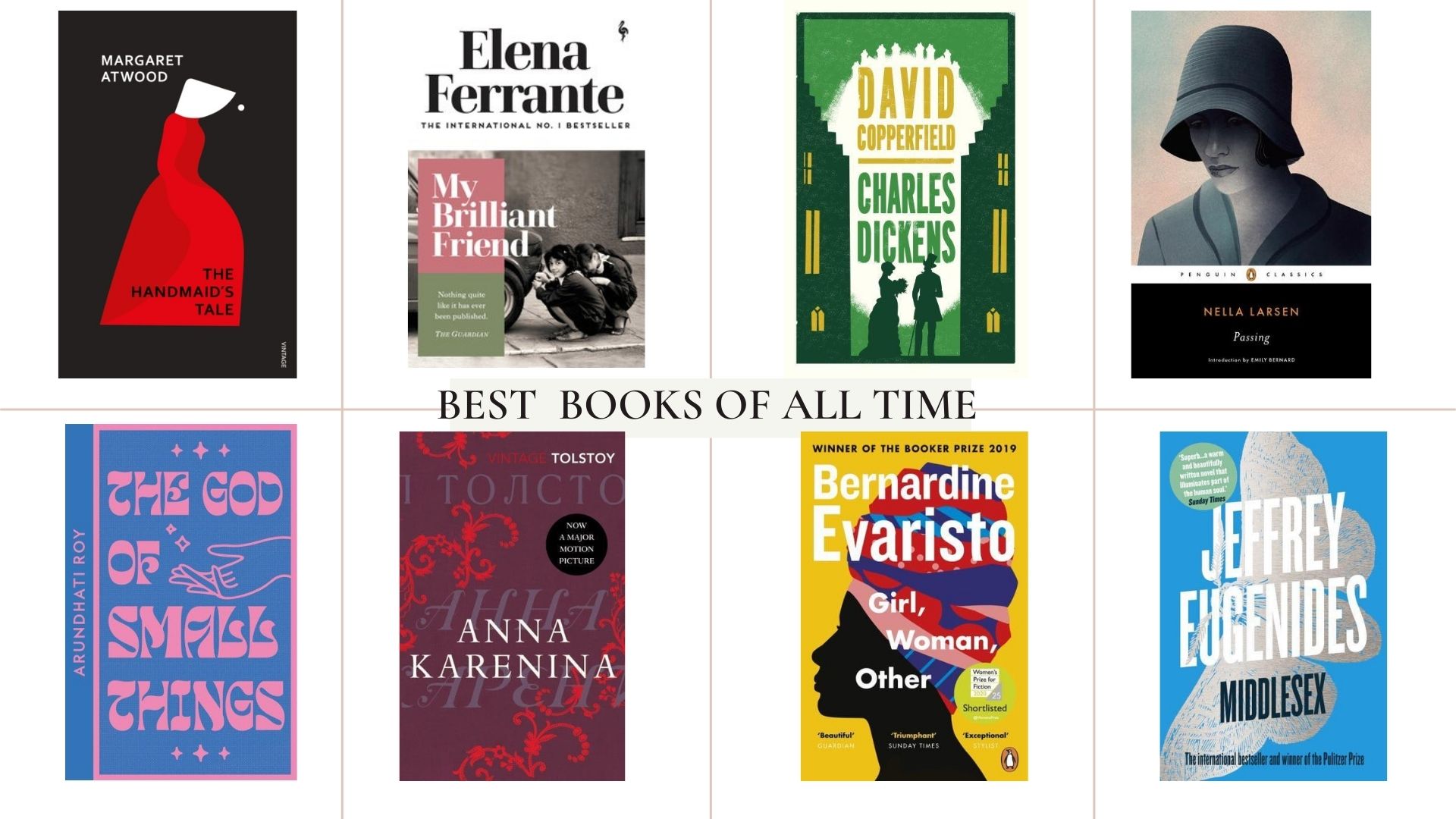
Timeless Classics and Enduring Genres
The journey through the most popular books invariably begins with the classics – those literary giants that, despite the passage of centuries, continue to speak to contemporary readers with astonishing relevance. These aren’t just old books; they are vibrant, living narratives that offer profound insights into universal themes, often laying the groundwork for entire genres that followed.
Defining the Canon: What Makes a Classic?
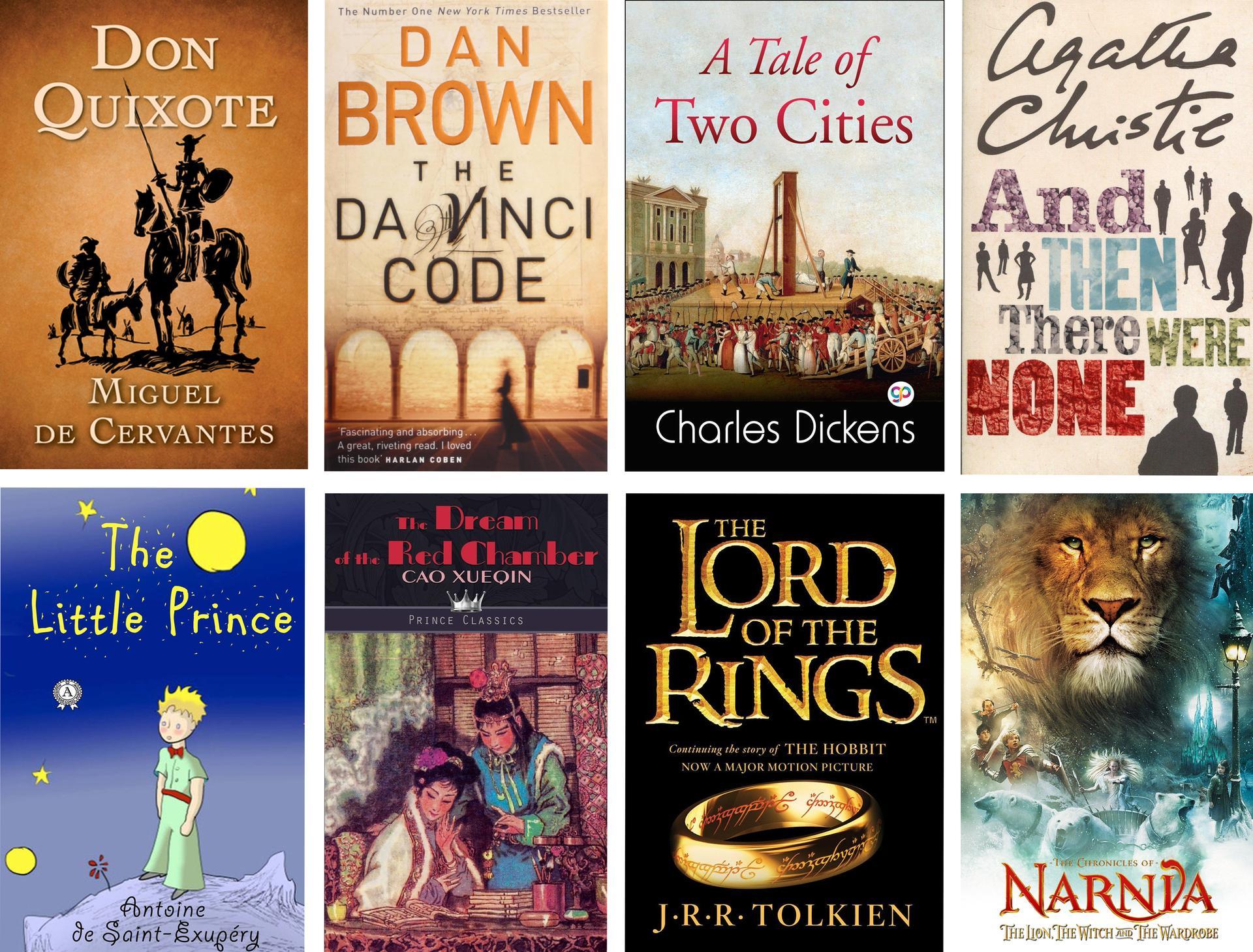
What elevates a book to the status of a “classic”? It’s a complex alchemy of critical acclaim, sustained readership across different eras, and an undeniable cultural footprint. A classic book often possesses a unique ability to capture the zeitgeist of its time while simultaneously addressing timeless human concerns such as love, loss, ambition, morality, and identity. Works like Homer’s Odyssey, an epic poem detailing Odysseus’s arduous ten-year journey home, have captivated audiences for millennia, not just for its mythological grandeur but for its exploration of perseverance, cunning, and the longing for home. Similarly, the plays of William Shakespeare, from the tragic grandeur of Hamlet to the comedic brilliance of A Midsummer Night’s Dream, offer unparalleled psychological depth and linguistic artistry, continuing to be performed and studied worldwide. Miguel de Cervantes’s Don Quixote, often considered the first modern novel, masterfully blends satire, adventure, and philosophical inquiry, influencing countless authors who came after him.
These foundational texts have not only entertained but have also profoundly influenced subsequent literature, art, and thought. Their literary influence is immeasurable, providing templates for narrative structures, character archetypes, and thematic explorations. Lbibinders.org provides in-depth book reviews and analyses of these classics, offering readers a gateway to understanding their enduring power and the critical discussions they continue to spark. We explore how these authors, through their groundbreaking works, defined and redefined what literature could achieve, shaping the very trajectory of storytelling for future generations.
The Evergreen Appeal of Specific Genres

While classics often defy easy genre classification due to their pioneering nature, many contemporary popular books find their home within well-defined genres that consistently attract vast audiences. Genres like fantasy, science fiction, romance, mystery, and historical fiction have an evergreen appeal, providing distinct reading experiences that cater to diverse tastes.
Fantasy literature, for instance, with its capacity for expansive world-building and epic quests, consistently produces bestsellers. J.R.R. Tolkien’s The Lord of the Rings is a prime example, creating a mythology so rich and detailed that it has become a benchmark for the genre and continues to draw new readers into Middle-earth decades after its publication. Science fiction explores humanity’s future, technological advancements, and ethical dilemmas, often inspiring real-world innovations. Mystery novels, particularly those featuring iconic detectives like Agatha Christie’s Hercule Poirot or Sherlock Holmes, offer the thrill of intellectual puzzle-solving, with intricate plots and unexpected twists keeping readers engrossed. Romance novels, from Jane Austen’s timeless Pride and Prejudice to modern-day blockbusters, tap into universal desires for connection and emotional fulfillment.
The continuous stream of new releases in these genres often rockets to bestseller lists, demonstrating their powerful hold on the public imagination. Lbibinders.org categorizes these diverse works, offering comprehensive book reviews that help readers discover their next favorite read, whether it’s a gripping historical fiction or a mind-bending science fiction epic. These genres not only offer escapism but also provide subtle ways for readers to engage with complex social issues, human relationships, and philosophical questions, all wrapped within an engaging narrative.
Iconic Authors and Their Creative Journeys
Behind every popular book is an author, a creative force whose unique perspective, life experiences, and sheer talent coalesce to produce narratives that resonate deeply with readers. Understanding the author’s journey often enriches the appreciation of their famous works, revealing the inspirations and struggles that shaped their literary output.
The Minds Behind the Masterpieces: Author Biographies and Inspirations
The biographies of iconic authors often read like compelling novels themselves, filled with challenges, triumphs, and pivotal moments that directly informed their writing. Jane Austen, for example, lived a relatively quiet life in rural England, yet her keen observations of social customs and human relationships allowed her to craft timeless novels like Pride and Prejudice and Sense and Sensibility, which continue to be beloved for their wit, charm, and incisive social commentary. Her works often explored the limited choices available to women in her era, themes that remain surprisingly relevant.
Gabriel Garcia Marquez, a towering figure of magical realism, drew heavily from his Colombian heritage and political experiences to create works like One Hundred Years of Solitude. His vivid narratives blend the fantastical with the mundane, capturing the complex history and spirit of Latin America. George Orwell’s experiences with totalitarianism, from his service in the Spanish Civil War to his observations of political movements, fueled his dystopian masterpieces Nineteen Eighty-Four and Animal Farm, which serve as enduring warnings against authoritarianism and the dangers of unchecked power.
Lbibinders.org dedicates a significant portion of its content to author biographies, offering insights into their inspirations, the historical contexts in which they wrote, and the personal anecdotes that shaped their literary voices. These biographies not only provide background information but also illuminate the writing style and thematic concerns that became hallmarks of their work, helping readers connect with the creative genius behind the printed page.
Crafting Worlds: Writing Style and Enduring Themes
Beyond the biographical details, it is the author’s distinct writing style and their exploration of enduring themes that truly cement their place in the pantheon of popular literature. A unique writing style – be it Hemingway’s sparse prose, Faulkner’s complex sentences, or Virginia Woolf’s stream of consciousness – becomes a signature, an instantly recognizable voice that draws readers into the narrative world.
Consider the intricate, layered prose of Leo Tolstoy in War and Peace, which allows him to meticulously render the psychological states of his characters and the grand sweep of historical events. Or the enchanting, poetic language of Antoine de Saint-Exupéry in The Little Prince, which conveys profound philosophical truths in a seemingly simple children’s story. These distinctive styles are not mere embellishments; they are integral to the meaning and emotional impact of the works.
The themes these authors tackle are equally crucial to their enduring popularity. Love, war, freedom, justice, family, redemption, and the search for identity are universal threads woven through countless popular books. From the profound meditations on good and evil in Fyodor Dostoevsky’s Crime and Punishment to the exploration of racial injustice in Harper Lee’s To Kill a Mockingbird, these works offer life lessons and educational value by holding a mirror up to humanity’s triumphs and follies. They provoke thought, challenge assumptions, and foster empathy, demonstrating how stories can be powerful vehicles for understanding ourselves and the world around us. Lbibinders.org provides extensive analysis of these elements, breaking down how authors use their craft to convey complex ideas and create narratives that resonate across cultures and time.
The Transformative Power of Reading and Learning
The enduring popularity of certain books isn’t solely about their entertainment value; it’s deeply intertwined with their capacity to educate, inspire, and transform readers. Engaging with these stories goes beyond passive consumption, fostering intellectual growth and emotional intelligence.
Beyond Entertainment: Educational Value and Life Lessons
Many of the most popular books of all time, whether fiction or non-fiction, carry immense educational value. They serve as informal classrooms, teaching us about history, philosophy, sociology, and psychology through immersive narratives. Historical novels, for instance, can bring past eras to life more vividly than any textbook, allowing readers to experience the complexities of historical events through the eyes of compelling characters. Books like The Diary of a Young Girl by Anne Frank offer a deeply personal and unforgettable account of a harrowing period in history, fostering empathy and understanding.
Philosophical works, from Plato’s Republic to more modern explorations of existentialism, invite readers to grapple with fundamental questions about existence, ethics, and society. Even works of fantasy and science fiction often serve as allegories for contemporary issues, prompting readers to critically examine societal structures, technological advancements, and human nature. The life lessons gleaned from these narratives are profound: courage in the face of adversity, the consequences of prejudice, the importance of compassion, the pursuit of truth, and the complexities of human relationships. Lbibinders.org offers summaries and in-depth analyses that highlight the educational value and life lessons embedded within these literary masterpieces, encouraging readers to engage with books on a deeper, more reflective level. Our resources help readers to extract the core wisdom and applicability of these stories to their own lives.
Cultivating Habits: From Casual Reader to Literary Enthusiast
The journey from a casual reader to a dedicated literary enthusiast often begins with encountering a book that ignites a passion for reading. Popular books, with their broad appeal and accessible narratives, often serve as gateways, drawing new readers into the literary world. Cultivating consistent reading habits is crucial for continuous learning and intellectual development. Engaging with a diverse range of genres and authors expands one’s perspective and vocabulary.
For busy individuals, or those just starting their reading journey, summaries can be incredibly helpful tools. They provide a quick overview of a book’s plot, main characters, and key themes, allowing readers to grasp the essence of a story without committing to the full text immediately. This can be particularly useful for exploring classics or challenging academic texts. However, Lbibinders.org strongly advocates for reading the full work when possible, as the true richness lies in the author’s full expression.
Public libraries play an invaluable role in fostering reading habits by providing free access to a vast array of books, including the most popular new releases and cherished classics. They offer a welcoming space for discovery and learning. Lbibinders.org supports the mission of libraries by providing supplementary materials that can deepen a reader’s engagement, whether it’s through guides on building effective reading habits or resources for understanding complex literary movements. Our goal is to empower readers to explore, learn, and grow through the power of books.
The Role of Libraries and Cultural Impact
Libraries are not just buildings filled with books; they are vital cultural institutions that preserve literary heritage, promote literacy, and foster intellectual curiosity. Their role in making popular literature accessible and in safeguarding rare collections is indispensable.
Gatekeepers of Knowledge: Libraries as Archives of Popular Literature
From ancient scrolls housed in Alexandria to the sprawling digital catalogs of today, libraries have always been the gatekeepers of knowledge. Public libraries, in particular, serve as democratic spaces where everyone, regardless of socio-economic status, can access the most popular books, from current bestsellers to beloved classics. They play a crucial role in ensuring that literature remains accessible and that new generations are introduced to the works that have shaped our world.
Digital libraries have further democratized access, making millions of titles available at the click of a button, bridging geographical divides and offering unprecedented convenience. Beyond readily available popular works, libraries also house invaluable rare collections and archives. These special collections contain early editions, author manuscripts, historical documents, and unique artifacts that offer direct insights into the creation and reception of popular books. Preserving these materials is vital for academic research and for understanding the evolution of literature and publishing. Imagine holding an original manuscript of a beloved author – it’s a tangible link to literary history. Lbibinders.org recognizes and celebrates the critical role of libraries, often providing links and information about digital resources available through these institutions, further enhancing access to popular literature for our global community.
Literature’s Echo: Adaptations, Awards, and Global Communities
The true measure of a book’s enduring popularity and cultural impact often extends far beyond its printed pages. Many of the most popular books have a profound “echo” in other media and cultural phenomena, demonstrating their lasting influence. Literary influence is evident when themes, characters, or narrative structures from a popular book seep into subsequent works by other authors, or when they inspire critical discussions about societal norms and values.
Adaptations are a powerful testament to a book’s reach. From cinematic blockbusters and hit television series to acclaimed stage plays and even video games, adaptations introduce stories to new audiences and reimagine them for different mediums. Harry Potter, The Lord of the Rings, and To Kill a Mockingbird are just a few examples of books that have successfully transitioned to other forms, extending their cultural footprint and engaging millions more. These adaptations, while sometimes diverging from the source material, fundamentally rely on the strength and popularity of the original narrative.
Literary awards, such as the Nobel Prize in Literature, the Pulitzer Prize, and the Booker Prize, highlight works that are not only popular but also critically acclaimed for their artistic merit and cultural significance. These awards bring global attention to authors and their works, further cementing their place in literary history and often sparking new waves of readership.
Furthermore, popular books foster vibrant reading communities. Book clubs, online forums, and literary festivals bring people together to discuss, debate, and celebrate their favorite stories. These communities create spaces for shared experience, deeper understanding, and intellectual camaraderie, reinforcing the idea that reading is not just a solitary act but a powerful connector of people. Lbibinders.org actively engages with these cultural aspects, offering news about adaptations, coverage of literary awards, and a platform for readers to connect and discuss their favorite books, fostering a global community of literary enthusiasts.
In conclusion, the most popular books of all time represent humanity’s collective narrative, spanning genres, transcending eras, and connecting us through shared stories. From the profound insights of ancient classics to the thrilling escapism of modern bestsellers, these works continue to educate, entertain, and inspire. They are brought to life by visionary authors, preserved by dedicated libraries, and celebrated by a global community of readers. At Lbibinders.org, we are committed to exploring this rich literary heritage, providing resources that deepen understanding, encourage reading, and celebrate the enduring magic of books. They remind us that while times change and technologies evolve, the power of a well-told story remains an unshakeable cornerstone of human culture.