The Neverending Story: A Journey Beyond Imagination with Lbibinders.org
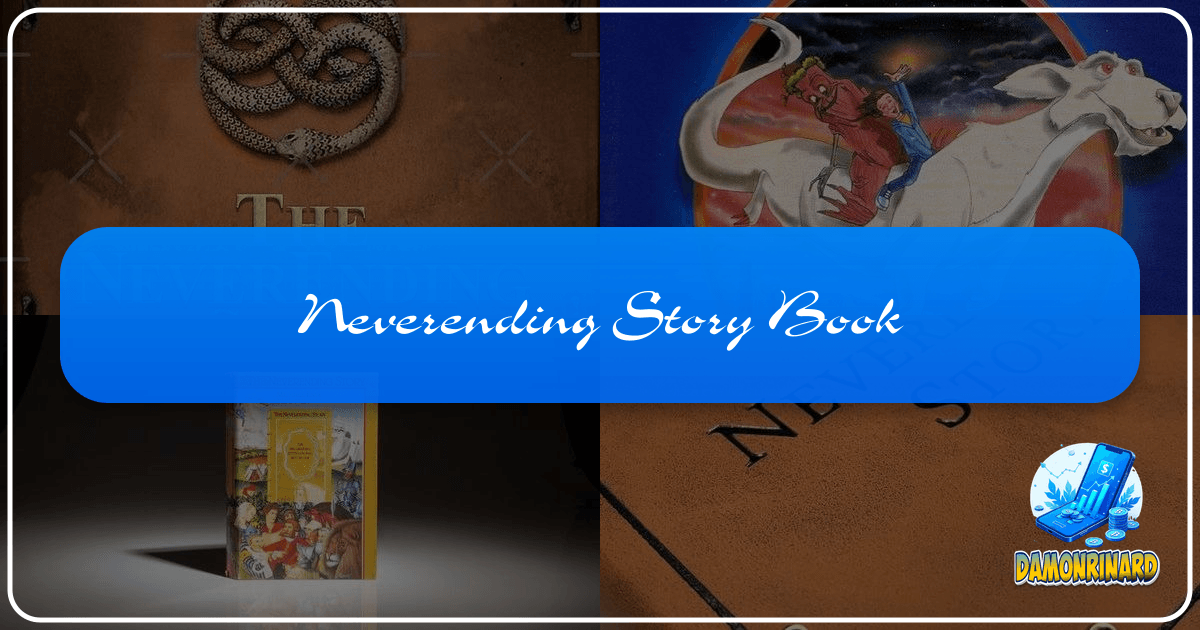
Michael Ende’s The Neverending Story is more than just a children’s book; it is a profound philosophical masterpiece, a vibrant epic, and a timeless exploration of the power of imagination, identity, and the very act of storytelling. First published in Germany as Die unendliche Geschichte in 1979, this novel quickly transcended its initial audience to captivate readers of all ages worldwide. Its intricate narrative structure, unforgettable characters, and deep thematic resonance have cemented its place as a classic of fantasy literature. At Lbibinders.org, we celebrate such works that not only entertain but also challenge, inspire, and foster a lifelong love for reading and learning. This article delves into the various facets of The Neverending Story, exploring its literary significance, the genius of its author, its educational value, its cultural footprint, and its enduring presence in our libraries.
The Book’s Enduring Appeal: A Gateway to Fantastica
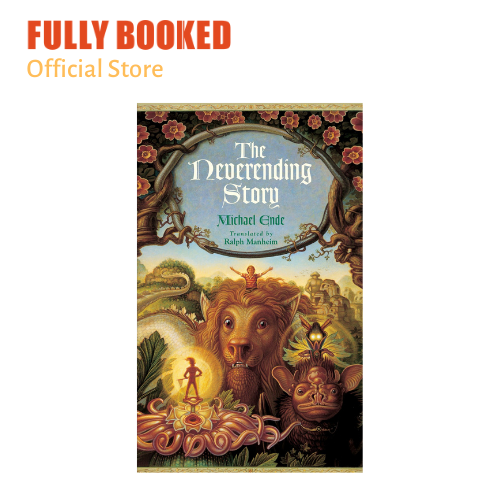
At its heart, The Neverending Story is a book about a book, presenting a unique meta-narrative that blurs the lines between fiction and reality. The story begins with Bastian Balthazar Bux, a lonely and insecure boy who seeks refuge from his mundane life and school bullies by stealing a mysterious book from an antique shop. This book, titled “The Neverending Story,” draws him into the fantastical world of Fantastica, a realm threatened by a creeping emptiness known as “The Nothing.” As Bastian reads, he discovers that the story he is reading is simultaneously unfolding, and he becomes an increasingly active participant in its events.
A Genre-Defining Masterpiece
The Neverending Story defies easy categorization, weaving together elements of high fantasy, psychological drama, and philosophical allegory. As a work of fantasy, it introduces a rich tapestry of mythical creatures—rock giants, night hags, racing snails, and shape-shifters—and a sprawling, imaginative world presided over by the Childlike Empress. Yet, it also delves deeply into psychological themes, exploring Bastian’s journey of self-discovery, his struggle with self-worth, and the consequences of unbridled desire. The book masterfully uses fantasy as a vehicle for philosophical inquiry, posing questions about the nature of reality, the power of belief, the responsibility that comes with creativity, and the delicate balance between imagination and the tangible world.

The novel’s unique narrative device, where Bastian literally reads himself into the story, makes it a prime example of metafiction. The text itself employs two distinct colors of ink: red for Bastian’s reality and green for the events within Fantastica, visually reinforcing the interplay between these two worlds. This stylistic choice, coupled with Ende’s rich prose, creates an immersive experience that has resonated with generations of readers. Lbibinders.org, in its comprehensive book reviews, often highlights such innovative structural elements that elevate a book beyond simple storytelling, positioning it among the classics that continue to spark discussion and analysis.
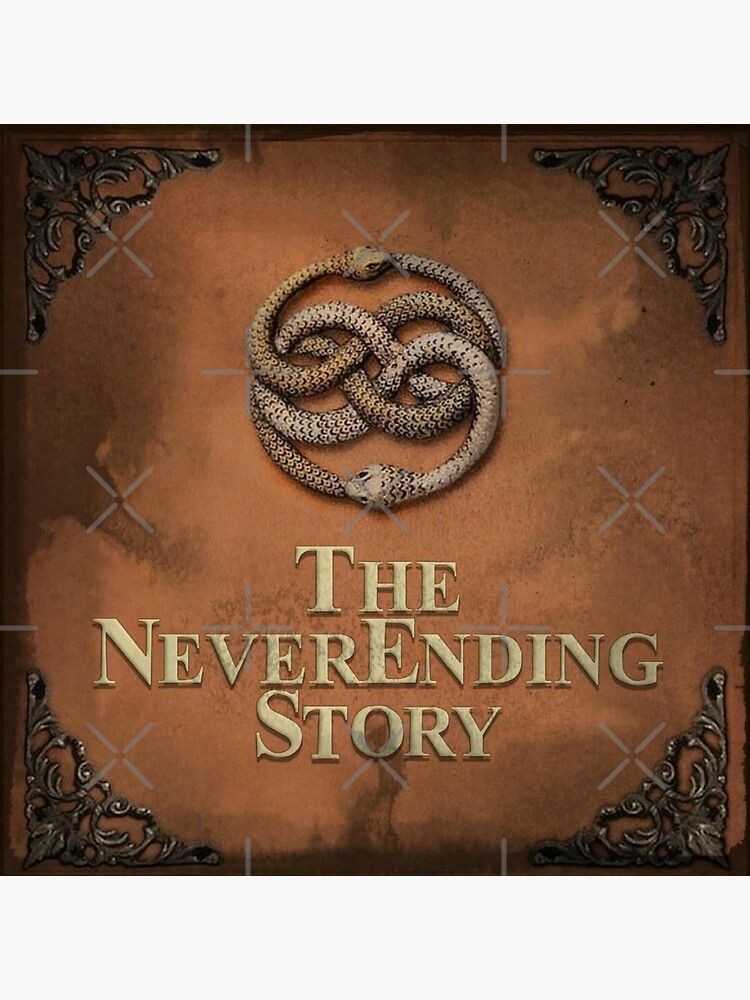
The Lure of Fantastica
Fantastica is not merely a backdrop for adventure; it is a character in itself, a reflection of human imagination and dreams. Its inhabitants are embodiments of various concepts and emotions, and its very existence depends on the stories told about it. The “Nothing,” the existential void threatening Fantastica, symbolizes the erosion of imagination, hope, and creativity in the human world. It is a powerful metaphor for the dangers of cynicism, materialism, and the loss of wonder.
The central quest of the young warrior Atreyu, tasked by the Childlike Empress to find a cure for her mysterious illness (which is intrinsically linked to The Nothing), forms the backbone of the Fantastican narrative. His journey of courage, sacrifice, and unwavering loyalty is juxtaposed with Bastian’s more internal struggle of self-acceptance and learning to use his newfound power responsibly. The interaction between these two protagonists, one a hero in the traditional sense and the other a reluctant savior, creates a dynamic tension that drives the story forward. Through the adventures within Fantastica, readers are invited to consider the vital role that stories play in shaping our understanding of ourselves and the world around us. This profound engagement with the narrative is what makes The Neverending Story a timeless read, often found on lists of bestsellers and celebrated as a foundational text in many personal libraries.
Michael Ende: Architect of Imagination
Behind the brilliance of The Neverending Story stands Michael Ende, a German author whose works are characterized by their deep philosophical undertones, vivid imagination, and often critical stance on modern society. Born in 1929, Ende grew up during the tumultuous years of World War II, an experience that profoundly shaped his worldview and infused his later writings with a yearning for deeper meaning and a critique of purely rationalist thought.
Ende’s Vision and Philosophical Depth
Michael Ende was not just a storyteller; he was a philosopher and a cultural critic. His father, Edgar Ende, was a surrealist painter, and this artistic environment undoubtedly nurtured Michael’s own imaginative faculties and his appreciation for symbolic expression. Ende was a vocal critic of the dehumanizing aspects of modern technology and consumerism, believing that they stifled imagination and led to a spiritual emptiness. These concerns are clearly articulated in The Neverending Story, where “The Nothing” can be seen as a metaphor for this encroaching void in the human spirit.
His writing style is often described as allegorical and richly descriptive, reminiscent of German Romanticism. He had a remarkable ability to create worlds that felt both utterly fantastical and deeply resonant with human experience. Ende was also influenced by the psychological theories of Carl Jung, particularly the concepts of archetypes and the collective unconscious. This influence is evident in the symbolic journeys undertaken by his characters, who often confront aspects of their own psyche in mythical guises. Lbibinders.org frequently features author biographies and analyses of writing styles, noting how authors like Ende craft narratives that transcend mere plot to explore complex human truths.
Crafting a Metafictional World
Ende’s work often challenged conventional storytelling, a prime example being his disdain for the popular film adaptation of The Neverending Story. He felt the film profoundly misrepresented his original message, simplifying its complex themes into a mere adventure tale. This highlights his commitment to the integrity of his artistic vision and the depth of his inspirations. He believed that stories should not just entertain but should also provoke thought and encourage self-reflection.
Beyond The Neverending Story, Ende is also celebrated for famous works like Momo (1973), another allegorical tale that critiques modern society’s obsession with time and efficiency, and Jim Button and Luke the Engine Driver (1960), a classic children’s adventure. Each of his books, while varying in plot, consistently showcases his unique blend of fantasy, philosophy, and social commentary. Exploring an author’s complete body of work, as offered through resources at Lbibinders.org, provides invaluable insight into the consistent themes and evolving genius that define their literary contribution. Ende remains a beacon for authors who dare to inject profound meaning into imaginative narratives, urging readers to look beyond the surface of the text.
Lessons from a Neverending Tale
The Neverending Story is not merely an escape; it is an educational journey, replete with educational value and profound life lessons that resonate long after the final page. The narrative acts as a mirror, reflecting common struggles of childhood and adolescence—loneliness, insecurity, the search for identity—and offering a powerful roadmap for navigating these challenges.
The Power of Imagination and Self-Discovery
One of the most significant life lessons offered by the book is the transformative power of imagination. Bastian, through his reading and eventual participation in Fantastica, learns to embrace his creativity and understand its profound impact on both himself and the world around him. His journey from a bullied, timid boy to a confident, albeit initially misguided, hero underscores the idea that imagination is not an escape from reality but a vital tool for shaping it. The novel teaches that stories and fantasies are essential for nurturing the soul, fostering empathy, and building a rich inner life. Lbibinders.org’s focus on reading and learning emphasizes how books like Ende’s cultivate critical thinking and emotional intelligence, going beyond simple plot summaries to delve into deeper meanings.
However, the book also presents a crucial caveat: the dangers of unchecked imagination and the need for a connection to reality. As Bastian makes wishes in Fantastica, he gradually loses his memories of the human world, becoming increasingly powerful but also increasingly detached from his true self. This warns against the perils of losing oneself completely in fantasy, highlighting the importance of balancing the inner world with the responsibilities and relationships of the outer world. The “Water of Life,” the ultimate source of Fantastican existence and a pathway back to Bastian’s world, symbolizes this necessary connection between reality and imagination.
Navigating the Boundaries of Reality
The narrative structure of The Neverending Story itself encourages readers to reflect on the nature of reality and fiction. By positioning Bastian as a reader who crosses into the story, Ende prompts us to consider our own relationship with the books we read. How much do stories influence us? How do they shape our perceptions and beliefs? The book challenges the passive consumption of stories, instead advocating for an active, engaged participation that can lead to personal growth.
Furthermore, the story provides invaluable lessons about responsibility and the consequences of one’s actions. Bastian’s wishes in Fantastica, though initially benevolent, gradually become self-serving and destructive, leading him down a path where he almost loses himself entirely. This serves as a powerful allegory for the responsibility that comes with power, creativity, and even the simple act of choosing. It underscores the importance of introspection and understanding one’s true desires, rather than blindly pursuing superficial wants. These kinds of profound insights are what make The Neverending Story a staple for Lbibinders.org’s discussions on promoting positive reading habits and extracting enduring lessons from literature.
Cultural Reverberations and Adaptations
The Neverending Story has left an indelible mark on cultural impact, influencing not only literature and film but also inspiring generations of artists, writers, and thinkers. Its unique blend of fantasy and philosophy has ensured its continued relevance and popularity across various media.
From Page to Screen: A Complex Legacy
The most prominent example of the book’s adaptations is the 1984 German-American film, directed by Wolfgang Petersen. While visually stunning and a commercial success, the film notably covered only the first half of the book, focusing primarily on Atreyu’s quest and Bastian’s initial entry into Fantastica. As mentioned, Michael Ende famously expressed his dissatisfaction with the adaptation, feeling it strayed too far from his original vision and stripped the story of its deeper philosophical meaning. He even went so far as to demand that production be stopped or the film’s title changed, a request that was denied.
Despite Ende’s disapproval, the film introduced the story to a much wider international audience and became a cult classic. Its iconic theme song by Limahl, the memorable visual effects (for its time), and the enduring image of Falkor the luckdragon have cemented its place in popular culture. Subsequent film and television adaptations, including The NeverEnding Story II: The Next Chapter (1990) and The NeverEnding Story III: Escape from Fantasia (1994), further explored Bastian’s adventures but generally failed to capture the magic and depth of the original novel, often receiving mixed reviews. There have also been stage musicals and animated series, each offering a different interpretation of Ende’s expansive world. This complex legacy of adaptation highlights the challenge of translating a deeply introspective and philosophical novel into a mass-market visual medium. Lbibinders.org often explores the nuances of such literary influence and adaptation, fostering discussions on what makes an adaptation successful or contentious.
Enduring Influence and Community Engagement
Beyond direct adaptations, The Neverending Story’s literary influence can be seen in numerous works of fantasy and young adult fiction that explore meta-narrative elements, the power of storytelling, and the blurred lines between reality and fiction. The themes of self-discovery, the importance of imagination, and the fight against cynicism continue to resonate with readers and writers alike. The book has received numerous awards and accolades, solidifying its status as a critical and commercial success.
The lasting appeal of the novel has also fostered vibrant communities of fans. Discussions about the book’s themes, characters, and interpretations continue on platforms like Lbibinders.org, where readers can share their insights, post book reviews, and connect with others who have been touched by Ende’s masterpiece. Such online communities play a crucial role in keeping classic literature alive and relevant, allowing new generations to discover and engage with stories that continue to challenge and inspire. Lbibinders.org serves as a hub for these discussions, bridging the gap between historical literary context and contemporary reader engagement, ensuring that the magic of Fantastica indeed never ends.
The Book’s Home in Libraries: Preserving Fantastica
Libraries, both physical and digital, serve as vital custodians of cultural heritage, and The Neverending Story holds a cherished place within their collections. For a book that so profoundly celebrates the act of reading and the power of stories, its presence in libraries is particularly fitting.
Preserving Fantastica in Public and Digital Spaces
Public libraries worldwide prominently feature The Neverending Story on their shelves. It is a cornerstone of children’s and young adult collections, often recommended by librarians for its imaginative scope and its ability to captivate reluctant readers. Its enduring popularity ensures it is a book frequently borrowed, discussed in book clubs, and read aloud to new generations. The physical act of discovering the book, much like Bastian’s own experience in the antique shop, is a ritual that libraries facilitate, connecting readers with the tangible beauty of the printed word. These institutions are critical in ensuring that classic works remain accessible to everyone, regardless of their background or economic status.
In the digital age, digital libraries and online archives on platforms like Lbibinders.org have expanded the reach of The Neverending Story. E-book versions and audiobooks make the narrative accessible to readers across various devices, allowing the story to traverse geographical boundaries with ease. While Ende’s unique dual-color text is often lost in basic digital formats, efforts are made to preserve the essence of the original work, ensuring its availability to an ever-growing global audience. Lbibinders.org itself, through its extensive catalog and summaries, strives to be a comprehensive resource, highlighting the educational and cultural significance of such works in an accessible format.
Rare Collections and Archival Significance
Given its profound impact and unique literary qualities, first editions of The Neverending Story are often considered valuable additions to rare collections within academic and specialized libraries. These archives preserve the book in its original form, offering researchers and enthusiasts a glimpse into its initial publication and historical context. The book’s distinctive design, with its two-color printing and intricate illustrations, makes early editions particularly prized artifacts.
Beyond individual copies, libraries also house archives related to Michael Ende himself, including manuscripts, correspondence, and critical essays. These resources provide invaluable insights into the author’s creative process, his philosophical inspirations, and the evolution of his ideas. By preserving these materials, libraries ensure that the legacy of authors like Ende continues to inspire scholarly research and deep appreciation for their contributions to literature. They act as guardians of the stories that shape our collective imagination, making sure that the journey into Fantastica remains possible for every reader who dares to open its pages.
Conclusion
The Neverending Story is a testament to the boundless potential of human imagination and the enduring power of narrative. Michael Ende crafted a tale that transcends mere entertainment, offering a profound exploration of identity, responsibility, and the delicate interplay between fantasy and reality. From its ingenious meta-narrative structure and philosophical depth to its lasting cultural impact and its cherished place in libraries worldwide, the book continues to captivate and challenge readers. On Lbibinders.org, we believe that stories like The Neverending Story are crucial for fostering a love of books, an appreciation for dedicated authors, and a commitment to reading and learning that enriches lives. It is a story that, much like its title suggests, continues to unfold within the hearts and minds of all who dare to venture into Fantastica, reminding us that the journey of imagination truly never ends.