Oliver Sacks Books

Oliver Sacks (1933–2015) was a unique figure in modern literature and science, a neurologist, professor, and author whose profound insights into the human mind captivated millions worldwide. His books transcend traditional genres, weaving together detailed clinical observations with deeply empathetic narratives, transforming the often-impersonal world of neurology into a landscape of wonder, resilience, and profound human experience. Through his meticulous prose and compassionate storytelling, Sacks illuminated the lives of those navigating the complex terrain of neurological conditions, offering readers not just scientific understanding but also profound life lessons about identity, consciousness, and what it means to be human. His extensive bibliography, celebrated globally, continues to influence countless readers, medical professionals, and writers, cementing his status as one of the most beloved and impactful authors of the last century.
Books: A Genre All His Own

Oliver Sacks’s literary output defies easy categorization, largely because he carved out a genre entirely his own. While rooted in the scientific discipline of neurology, his works are far from dry medical textbooks. Instead, they are a rich tapestry of case histories, philosophical inquiry, memoir, and literary exploration, often likened to “clinical tales” or “neurological novels.” This unique blend has ensured his books are embraced not only by the scientific community but also by a broad general readership, making complex neurological phenomena accessible and deeply moving.
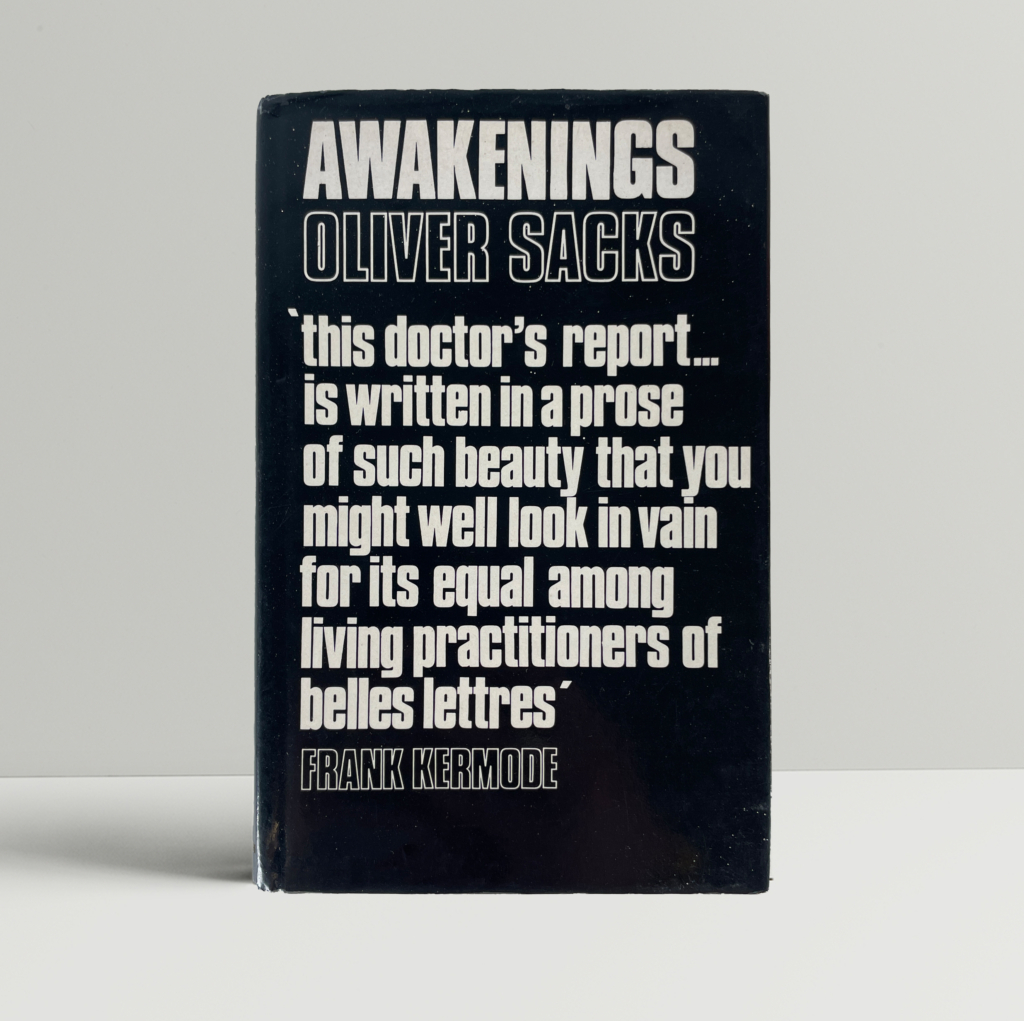
His body of work features several “classics” that have achieved iconic status in both scientific and popular culture. Awakenings (1973), his second book, brought him widespread acclaim, exploring the lives of post-encephalitic patients who temporarily “awoke” from catatonia. But it was The Man Who Mistook His Wife for a Hat (1985) that truly established his reputation as a master storyteller, presenting a series of fascinating and often poignant case studies that explored the eccentricities of the human brain. Other enduring works include An Anthropologist on Mars (1995), which delved into diverse neurological conditions like Tourette’s Syndrome and autism, and Musicophilia: Tales of Music and the Brain (2007), an exploration of the profound and often mysterious connection between music and neurological function. These books are not merely informational; they are deeply humanistic explorations that challenge our perceptions of normality and abnormality.
Many of Sacks’s books have achieved significant commercial success, consistently appearing on “bestseller” lists and demonstrating their broad appeal. His ability to communicate complex scientific ideas with clarity, empathy, and a compelling narrative style ensured that his works resonated with readers far beyond the confines of academia. Even after his passing, new releases and collections of his unpublished essays and lectures continue to emerge, such as Gratitude (2015) and The River of Consciousness (2017), reminding us of his prolificacy and the enduring relevance of his thought. These posthumous publications offer fresh insights into his intellectual journey and personal reflections, solidifying his legacy.
The critical reception of Sacks’s books, reflected in countless “book reviews,” has almost universally praised his unique approach. Critics lauded his ability to combine rigorous scientific observation with profound human empathy, often referring to him as the “poet laureate of medicine.” His reviews frequently highlight his lyrical prose, his respectful treatment of patients as individuals rather than mere cases, and his remarkable capacity to find beauty and meaning in the most challenging conditions. These reviews have played a crucial role in introducing his work to new audiences and cementing his place in contemporary literature.
The Man Who Mistook His Wife for a Hat and Other Clinical Tales
Perhaps no other title encapsulates Oliver Sacks’s singular literary style and intellectual curiosity as perfectly as The Man Who Mistook His Wife for a Hat. Published in 1985, this collection of clinical tales transformed the public perception of neurology and introduced readers to a gallery of unforgettable characters, each grappling with extraordinary neurological conditions. Far from being clinical descriptions, Sacks’s narratives breathed life into his patients’ experiences, making their struggles and adaptations deeply relatable and universally human.
Humanizing Neurological Conditions through Narrative
What set Sacks apart was his unwavering commitment to humanizing neurological conditions. In The Man Who Mistook His Wife for a Hat, he wasn’t merely presenting medical facts; he was telling stories. Each case history, from the titular character’s visual agnosia to the man with Tourette’s who became a brilliant surgeon, was rendered with literary precision and profound compassion. Sacks believed that to truly understand a disease, one must understand the person experiencing it. He meticulously documented not only symptoms and diagnoses but also the inner lives, coping mechanisms, and unique realities of his patients.
This narrative approach allowed him to explore profound philosophical questions about identity, perception, memory, and the very nature of consciousness. By presenting these individuals not as defects but as distinct, often remarkably resilient, human beings, Sacks challenged conventional medical perspectives. He showed how the brain, when afflicted, often finds ingenious and unexpected ways to compensate, adapt, and even flourish. His writing illuminated the idea that neurological difference is not necessarily deficit, but rather an alternative mode of being, often revealing the extraordinary adaptability of the human spirit. Through his tales, he cultivated a widespread appreciation for neurodiversity long before the term became common parlance, fostering empathy and understanding for conditions that were often stigmatized or misunderstood.
The Author: Oliver Sacks’s Distinctive Voice
Oliver Sacks’s journey to becoming a celebrated author began long before his books became international bestsellers. Born in London to a family of doctors, he developed an early fascination with both science and literature. His own medical training as a neurologist provided the foundation for his work, but it was his deeply humanistic perspective and a profound respect for the individual experiences of his patients that truly shaped his unique “writing style.” Sacks wrote with a rare combination of scientific precision and poetic eloquence, avoiding jargon while maintaining intellectual rigor. His prose was lucid, empathetic, and often filled with a sense of wonder, inviting readers into the complex inner worlds of those he observed. He approached each patient as a unique narrative, a “case history” that also served as a profound exploration of what it means to be human, to perceive, remember, and create.
His “inspirations” were diverse, drawing from 19th-century clinical neurologists like Charcot and Luria, who also documented their cases with narrative flair, and from the Romantic poets and naturalists who celebrated individuality and the intricate wonders of the natural world. Sacks saw parallels between the detailed observations of a botanist and those of a neurologist, meticulously charting the landscapes of the mind. This blend of scientific curiosity and literary sensibility imbued his works with their distinctive character. Beyond The Man Who Mistook His Wife for a Hat, his “famous works” include Awakenings, which was adapted into an Oscar-nominated film, showcasing the dramatic human stories embedded in his clinical observations. An Anthropologist on Mars further broadened his exploration of atypical minds, while Musicophilia revealed the incredible power of music in shaping brain function and personal identity. Each book underscored his belief in the inseparability of mind and body, and the vital role of narrative in understanding both illness and health.
Awakenings: A Journey of Hope and Despair
Published in 1973, Awakenings remains one of Oliver Sacks’s most poignant and impactful works. It chronicles his experiences in the late 1960s with a group of patients at Beth Abraham Hospital in New York, who had fallen into catatonia decades earlier due to an epidemic of “sleepy sickness” (encephalitis lethargica). Sacks administered the then-new drug L-DOPA, which brought about miraculous, albeit temporary, awakenings in many of these individuals. The book is a moving account of their brief re-entry into the world, their rediscovery of self, and the heartbreaking complexities that followed as the drug’s effects waned or produced new, often severe, side effects.
The Power of Observation and Empathy in Medical Writing
Awakenings is a masterclass in the power of observation and empathy in medical writing. Sacks meticulously documented every flicker of consciousness, every gesture, every word from his patients, whom he regarded not as passive subjects but as individuals with rich inner lives, albeit trapped within their unresponsive bodies. His detailed descriptions bring each patient vividly to life: Rose R., who resumed her passionate debates about socialism; Leonard L., whose profound awakening was followed by a devastating return to his former state; and Lucy K., whose world was transformed by music.
What distinguishes Sacks’s approach here, and throughout his career, is his profound empathy. He didn’t just observe; he connected. He listened intently to their stories, even when expressed through subtle movements or long-dormant memories, and he sought to understand their subjective experiences of illness and wellness. He challenged the prevailing medical view that these patients were beyond help, demonstrating that even in their catatonic state, their humanity persisted. This commitment to seeing and honoring the person behind the condition transformed medical discourse, arguing that true healing involves not just treating symptoms but acknowledging the full spectrum of human experience, including despair, hope, joy, and sorrow. Awakenings is thus not just a medical chronicle but a profound meditation on consciousness, identity, and the ethical responsibilities of care, making it an enduring work that continues to resonate decades after its initial publication.
Musicophilia and the Brain’s Mysteries
Oliver Sacks’s lifelong fascination with music, deeply intertwined with his professional interest in neurology, culminated in Musicophilia: Tales of Music and the Brain (2007). In this extraordinary collection, Sacks explores the myriad ways music can affect and be affected by the brain, presenting a series of captivating case studies that delve into musical hallucinations, amusia (tone-deafness), musical savants, and the profound therapeutic potential of music. From individuals who suddenly acquire musical genius after a lightning strike to those who lose their ability to perceive music altogether, Sacks illuminates the intricate neural mechanisms and the emotional depths of our relationship with sound.
Exploring the Intersections of Science, Art, and Identity
Musicophilia is a brilliant exploration of the profound intersections between science, art, and identity. Sacks demonstrates how music is not merely an auditory experience but a fundamental aspect of human cognition and emotion, deeply embedded in our brains and cultures. He showcases how musical abilities can persist despite severe brain damage, or how certain neurological conditions can paradoxically unlock extraordinary musical talents. These tales challenge conventional understandings of brain function, revealing its astonishing plasticity and the complex ways in which our experiences shape our neural pathways.
Beyond the scientific revelations, Sacks delves into the deeply personal and identity-forming aspects of music. For many of his patients, music provides a vital connection to their past, a means of communication when words fail, or a source of profound comfort and meaning. He illustrates how a simple melody can evoke vivid memories, reorganize chaotic thoughts, or restore a sense of self in individuals suffering from conditions like Alzheimer’s or Parkinson’s. Musicophilia underscores Sacks’s belief that understanding the brain requires not just empirical data but also a deep appreciation for human creativity and the arts. It is a testament to the idea that our identities are not solely defined by our cognitive functions but also by our emotional and aesthetic connections to the world, making it a cornerstone work that profoundly influenced our understanding of neuroaesthetics and the therapeutic role of music.
Reading and Learning from Sacks
Reading an Oliver Sacks book is an experience unlike any other. It’s not simply about acquiring information; it’s about embarking on a journey into the uncharted territories of the human mind, guided by a most compassionate and eloquent explorer. His books offer far more than mere “summaries” of neurological conditions; they provide rich, multifaceted narratives that challenge preconceptions and expand our understanding of what it means to be human. The “educational value” of his work extends beyond medical students and neuroscientists; general readers gain profound insights into conditions like Tourette’s, autism, amnesia, and aphasia, understanding them not as abstract disorders but as lived experiences. Sacks humanizes science, making complex topics accessible and engaging without ever oversimplifying them.
The “life lessons” gleaned from Sacks’s writings are myriad. He teaches us empathy by presenting his patients as complex individuals, each deserving of respect and understanding, regardless of their neurological differences. He illuminates the resilience of the human spirit, showing how individuals adapt and find meaning even in the face of profound challenges. His works underscore the plasticity of the brain, its remarkable ability to compensate and reorganize, and the often-fragile nature of identity. Sacks’s narratives encourage readers to question what constitutes “normalcy” and to appreciate the rich diversity of human experience. Furthermore, his own “reading habits” – his deep engagement with literature, philosophy, and history – shine through in his writing, inspiring readers to pursue intellectual curiosity and a multidisciplinary approach to understanding the world. His books demand thoughtful engagement, encouraging a slower, more reflective reading experience that fosters genuine learning and introspection.
Libraries: Custodians of Sacks’s Legacy
Libraries, in all their forms, play a crucial role in preserving and disseminating the enduring legacy of Oliver Sacks. “Public libraries” around the globe ensure that his transformative books are accessible to everyone, from curious teenagers to seasoned academics. They serve as vital gateways for readers to discover his unique blend of science, narrative, and philosophy, making complex neurological concepts understandable and emotionally resonant for a broad audience. Through public libraries, Sacks’s message of empathy and wonder continues to reach new generations, fostering a deeper appreciation for the intricacies of the human mind.
The advent of “digital libraries” has further expanded the reach of Sacks’s work, offering his books as e-books and audiobooks, catering to diverse reading preferences and making them available instantly to anyone with an internet connection. This digital accessibility is particularly important for educational institutions and individuals who may not have physical access to extensive collections, ensuring that his profound insights are always just a click away. Platforms like Lbibinders.org, for instance, contribute significantly to this digital accessibility, making sure Sacks’s invaluable contributions are readily available to a global community of readers and scholars, often providing resources and summaries that complement the original texts.
Beyond circulation, “rare collections” and “archives” hold immense importance for scholars and future generations seeking to understand Sacks’s intellectual journey. His personal papers, extensive correspondence, research notes, and early manuscripts offer invaluable insights into his thought processes, his interactions with patients, and the evolution of his ideas. Institutions like the New York Public Library, where his archives are housed, serve as crucial custodians of these historical documents. These archives are not merely storage facilities; they are active research centers that allow biographers, neurologists, and literary scholars to delve into the genesis of his work, exploring the primary materials that underpin his published narratives. They reveal the meticulous observation, deep empathy, and intellectual rigor that characterized his approach, providing a rich resource for understanding both the man and his groundbreaking contributions to science and literature.
Cultural Impact: Beyond the Page
Oliver Sacks’s impact extends far beyond the pages of his books, permeating various aspects of culture and society. His “literary influence” is undeniable; he effectively created and popularized a new genre of science writing—one that foregrounded narrative, empathy, and the individual human experience. He inspired countless science communicators, medical professionals, and writers to adopt a more humanistic approach, blurring the lines between objective observation and subjective storytelling. His work fostered a deeper appreciation for the humanities within medicine, emphasizing the importance of understanding the patient’s story alongside their pathology. He showed that science, far from being cold and impersonal, could be a profound exploration of human existence.
His works have also been subject to notable “adaptations” across different media. Most famously, Awakenings was adapted into a critically acclaimed 1990 feature film starring Robin Williams as Dr. Sacks (renamed Dr. Malcolm Sayer) and Robert De Niro as Leonard L., bringing his powerful story to a global cinematic audience. This adaptation not only introduced Sacks’s work to millions but also brought increased awareness to encephalitis lethargica and the complexities of neurological recovery. Beyond film, his stories have inspired stage plays, documentaries, and even musical compositions, demonstrating the universal resonance of his themes and characters. These adaptations serve to continually reintroduce his ideas to new audiences and ensure his stories remain a vibrant part of cultural discourse.
Sacks’s contributions earned him numerous “awards” and accolades throughout his career, though he often downplayed such recognition, preferring to focus on his patients and his writing. He was honored with fellowships, honorary degrees, and literary prizes, solidifying his reputation as a unique intellectual force. Beyond formal awards, his greatest recognition might be the informal title often bestowed upon him: the “poet laureate of medicine,” a testament to his ability to articulate the profound mysteries of the brain with poetic grace.
Finally, Sacks’s work fostered and connected “communities” of readers, patients, caregivers, and medical professionals. His books provided a common language and a shared sense of understanding for individuals affected by neurological conditions, helping to destigmatize these experiences. They created forums for discussion and empathy, allowing people to feel less isolated in their struggles and discoveries. His writing fostered a community of individuals who shared his sense of wonder at the human mind’s complexities and its remarkable capacity for adaptation, resilience, and unique expression, creating a lasting legacy that continues to inspire and inform.
In conclusion, Oliver Sacks carved an indelible mark on both science and literature. His books, a genre unto themselves, offer an extraordinary journey into the landscapes of the human brain, guided by a compassionate and eloquent voice. From the evocative clinical tales of The Man Who Mistook His Wife for a Hat to the poignant narratives of Awakenings and the musical wonders of Musicophilia, Sacks consistently revealed the profound interconnectedness of mind, body, and identity. He challenged perceptions, humanized illness, and illuminated the resilience of the human spirit. Through his distinctive writing style and deep empathy, he taught us not only about neurological conditions but also about what it truly means to be human in all its beautiful, bewildering, and often miraculous forms. His legacy endures in libraries worldwide, in cultural adaptations, and most importantly, in the hearts and minds of the countless readers whose understanding of themselves and the world was forever enriched by his extraordinary vision.